




Search
Search within Somalia
17 results found
Briefings
Roundtable Report: Health and Food Insecurity Crisis in the Greater Horn of Africa. Session 1 – Regional Focus. September 2022
SSHAP convened and hosted a virtual roundtable discussion with partners engaged at the regional level response of the health and food insecurity crisis in the Greater Horn of Africa region. The objective was to discuss the critical needs for the…
Briefings
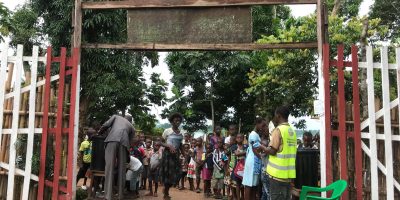
Tackling language-based exclusion in the Horn of Africa hunger crisis: Lessons from Somalia
Facing the worst droughts in over 40 years, more than 37 million people in the Horn of Africa are experiencing acute hunger. They need urgent humanitarian aid – healthcare, food, water supplies, and lifesaving information in the right language. CLEAR…
Background Reports
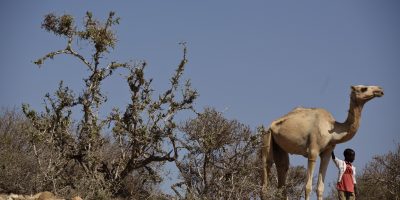
Evidence-Based Engagement of the Somali Pastoralists of the Horn of Africa in Polio Immunization: Overview of Tracking, Cross-Border, Operations, and Communication Strategies
Building on the experience of the 2013-2014 wild poliovirus outbreak in the Horn of Africa, this study examines applied strategies that helped to engage pastoralists of the Somali cluster (Somalia, Somali Region of Ethiopia, and North-East Kenya) in supplementary immunization activities. Aimed…
Evidence Reviews
Camel Milk, Amoxicillin, and a Prayer: Medical Pluralism and Medical Humanitarian Aid in the Somali Region of Ethiopia
This paper details how exposure to new clinics, diagnostic technologies, and pharmaceuticals during humanitarian relief operations in the Somali Region of Ethiopia shaped local pluralistic health systems and altered the ways in which residents subsequently conceived of and treated illness…
Briefings
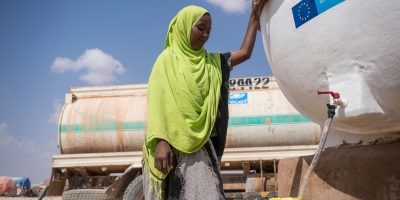
Guidance Note 1: Contextual Factors and Risks to Cholera/AWD Transmission in Somalia and the Somali Region of Ethiopia
The purpose of this guidance note is to support UNICEF staff in understanding the contextual factors (the practices, behaviours, social norms and wider factors) that shape risks of cholera transmission, being able to separate the social and cultural factors from…
Briefings
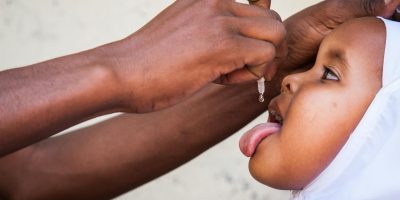
Guidance Note 2: Seeking Treatment for Cholera in Somalia and the Somali Region of Ethiopia: Contextual Factors
The purpose of this guidance note is to support UNICEF staff in understanding the contextual factors (the practices, behaviours, social norms and wider factors) that shape risks of cholera transmission, being able to separate the social and cultural factors from…
Evidence Reviews
Contextual Factors Shaping Cholera Transmission and Treatment-Seeking in Somalia and the Somali Region of Ethiopia
The drought in the Horn of Africa and the protracted conflict has created a humanitarian emergency that has led to a declaration of famine in several regions of Somalia and the Somali region of Ethiopia. As a result of depleted…
Evidence Reviews
The Private Sector and Health: A Survey of Somaliland Private Pharmacies.
Within the private sector there are numerous levels of private care, but the majority of private facilities offering clinical care are clustered in large cities and are only accessible to the few who can afford them (and indeed, wealthier Somalis…
Background Reports
Somalia Livelihood Profiles
In Somalia, Food Security and Nutrition Analysis Unit (FSNAU) - a multi-donor project managed by the Food and Agriculture Organization of the United Nations) and FEWS NET are working together to ensure that livelihood products, tools, and skills meet FSNAU’s…
Briefings
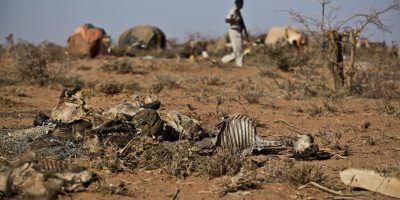
Assessing Drought Displacement Risk for Kenyan, Ethiopian and Somali Pastoralists
This study represents an initial attempt to assess patterns of displacement related to droughts in selected countries of the Horn of Africa, specifically the border regions of Kenya, Ethiopia and Somalia. The study explores several scenarios to identify potential impacts…
Evidence Reviews
The Aftermath of Aid: Medical Insecurity in the Northern Somali Region of Ethiopia
This dissertation explores the lasting effects of recurrent temporary medical humanitarian operations through ethnographic research in communities, clinical facilities, nongovernmental aid organizations, and governmental bureaucracies in the northern Somali Region of Ethiopia.
Evidence Reviews
Somali Health Care System and Post-Conflict Hybridity
The aim of this article is to contribute to this understanding of the wider health care system in a post-conflict Somali context, in particular in Somaliland. The fieldwork included participant observation and interviews of several local healers and their patients…
