Although the H1N1 ‘swine flu’ pandemic of 2009-10 was less severe than anticipated, the event revealed weaknesses in the world’s current configuration of planning for and responding to pandemic influenza, according to new research outlined in this briefing.
Science, public health policy makers and people worldwide were confounded by the uncertainty, complexity and politics inherent in influenza – as well as the high emotions that come with pandemics.Amid this confusion, the global and national institutions responsible for protecting public health were shown to be over-reliant on a reductive, science-led approach that prioritised a one-size-fits-all response, and failed to address the needs and priorities of the world’s poorest and most vulnerable people.
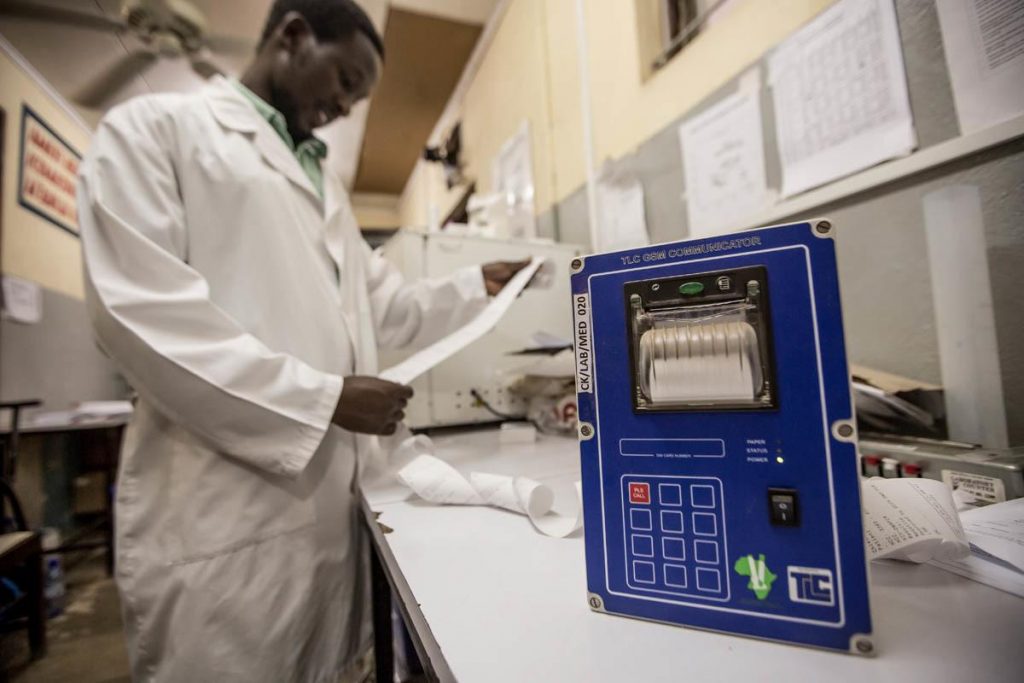
![Valence Jiwaga, Lab Technician at the Chikwawa District Hospital operates the SMS printer to speed up delivery of results for HIV testing.
In Malawi, computers can be scarce, but mobile pAones are plentiful. So, as a way to monitor the growth and health of babies, the government of Malawi, with the support of UNICEF, has been piloting the use of mobile phones to collect and analyze data and follow up on babies and moms within moments or days, as opposed to previous wait times of weeks or months.
Known as RapidSMS, the system has three parts: Results 160, RemindMi and Anthrowatch.
Results 160: This is an application to improve the delivery of early infant diagnosis test results from the testing PCR laboratory to the health facility. The results are sent either through phones via secure SMS or through SMS printers.
RemindMi: This application enables the registration of expectant mothers and newborn children so that they can be followed up for care. This application also strengthens communication and allows for better coordination and helps to address challenges between HASs.
Anthrowatch: This application is used to strengthen and improve reporting on growth monitoring of children. The information that is gathered allows for faster decision making by health care workers.
In the past [receiving and analyzing test results] was a very slow process, but now if you weigh a child, youll get the assessment then and there and you are able to communicate with the mother immediately if the child has a problem. It also speeds up the detection of malnutrition, and enables health workers to admit the child to hospital if necessary, said John Mugawa, Nutrition Coordinator.
Important HIV tests and results are now much more reliable too.
After we have taken the blood sample, it used to take up to three months to get the results, and they would keep coming to the clinic and the results would not be there. Mothers would get frustrated and not come back. But UNICEF/UNI173455/Schermbrucker](https://www.socialscienceinaction.org/wp-content/uploads/2017/01/UNI173455_Med-Res-1024x683.jpg)