This Key Considerations brief concerns cross-border dynamics between Rwanda and DRC, including cross-border relations and political and economic dynamics.
The third in a series of reviews of outbreaks seeking to identify social science ‘entry points’ for emergency interventions and preparedness activities. In French and Chinese as well as English.
This report is the first instalment of the ‘Social Science in Epidemics’ series, commissioned by the USAID Office of U.S. Foreign Direct Assistance (OFDA). In this series, past outbreaks are reviewed in order to identify social science ‘entry points’ for…
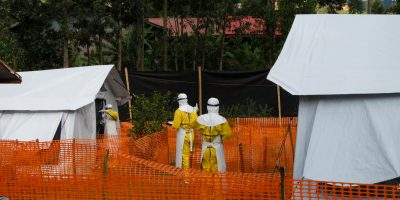
This paper describes knowledge and attitude towards Ebola and Marburg virus outbreaks in two affected communities in Uganda to inform future outbreak responses and help in the design of health education and communication messages.
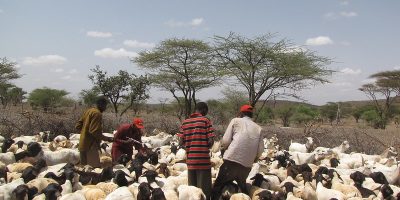
“Rift valley fever (RVF) is a re-emerging viral vector-borne disease with rapid global socio-economic impact. A large RVF outbreak occurred in Tanzania in 2007 and affected more than half of the regions with high (47 %) case fatality rate. Little…
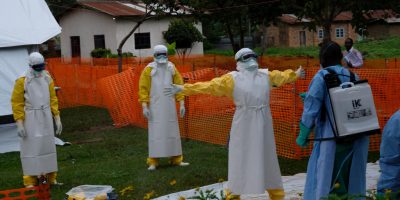
This paper seeks to understand the fear many Guineans feel towards Ebola response initiatives and why the educators, doctors and burial teams have sometimes encountered resistance, occasionally violent.
Communication for Change (C-Change) set out to develop support tools that would foster interactive communication among low-literacy adults and prompt engagement on HIV prevention issues, including encouraging individual and group-oriented problem solving. The Community Conversation Toolkit (CCT) was developed using…
The main objective of this document is to provide evidence-based guidance on conducting practical social mobilization and communication for a yellow fever vaccination campaign, either preventive or reactive. Information is also given on the monitoring and evaluation of communication and…
This document provides an approach and a toolkit to help those designing and conducting an assessment of mental health and psychosocial needs and resources in major humanitarian crises. These could include major natural and human-made disasters and complex emergencies (for…
This toolkit for integrated vector management (IVM) is designed to help national and regional programme managers coordinate across sectors to design and run large IVM programmes. It is an extension of earlier guidance and teaching material published by the World…
This working paper reports on a study to identify the pace of Ebola-related social learning in urban and peri-urban areas around Monrovia, Liberia during August 2014, at the onset of the emergency phase of the epidemic. The research demonstrates how…
This working paper reports on a study to identify epidemic control priorities among 15 communities in Monrovia and Montserrado County, Liberia. Data were collected in September 2014 on the following topics: prevention, surveillance, care-giving, community-based treatment and support, networking/hotlines/calling response…
‘Stigma’ is an umbrella term for the direct and indirect consequences of a number of processes that brand someone as different in ways that result in discrimination, loss of status and social exclusion. It can be short-term or evolve into…
This paper by Anoko J. N., reports on the success of a communication programme among 26 rebellious villages in Forest Guinea during fieldwork in June-July 2014.
The present document is the eighth and final report in a series presenting descriptive results of a survey of responses to Ebola and Ebola control in 26 villages in all three provinces of rural Sierra Leone, fieldwork for which was…
This study aimed to support Oxfam’s Public Health Promotion (PHP) strategy through a rapid qualitative assessment of the remaining social barriers to compliance with Ebola prevention and treatment messages. At the time of the study, most Liberians had a high…
This briefing explores how rumours about Ebola in Sierra Leone influences people’s perception and response to Ebola, from the political, historical and social perspectives. Despite the efforts of the World Health Organisation to control the Ebola outbreak, achieving zero cases…