

An Analysis of Migration Health in Kenya was commissioned by theMinistry of Public Health and Sanitation (MoPHS) and the InternationalOrganization for Migration (IOM) to provide an overview of the issue of migration health in Kenya. Information was derived from an extensive literature review and interviews with key informants, including the Government, United Nations agencies and non-governmental organizations.The twin goals of Kenya’s Second National Health Sector Strategic Plan are to reduce inequalities in health care and reverse the downward trend in health related impact and outcome indicators (Republic of Kenya,2005a).
By providing an analysis of migration health in Kenya, this report aims to stimulate discussion which will lead to decisive action from theGovernment and partners to ensure migrants may begin to enjoy more equitable access to health services. As migrants do not live in isolation,but rather in diverse communities, their health status has an impact on the community at-large. It is therefore the responsibility of – and in the best interest of – Kenya to cater for their basic health needs.
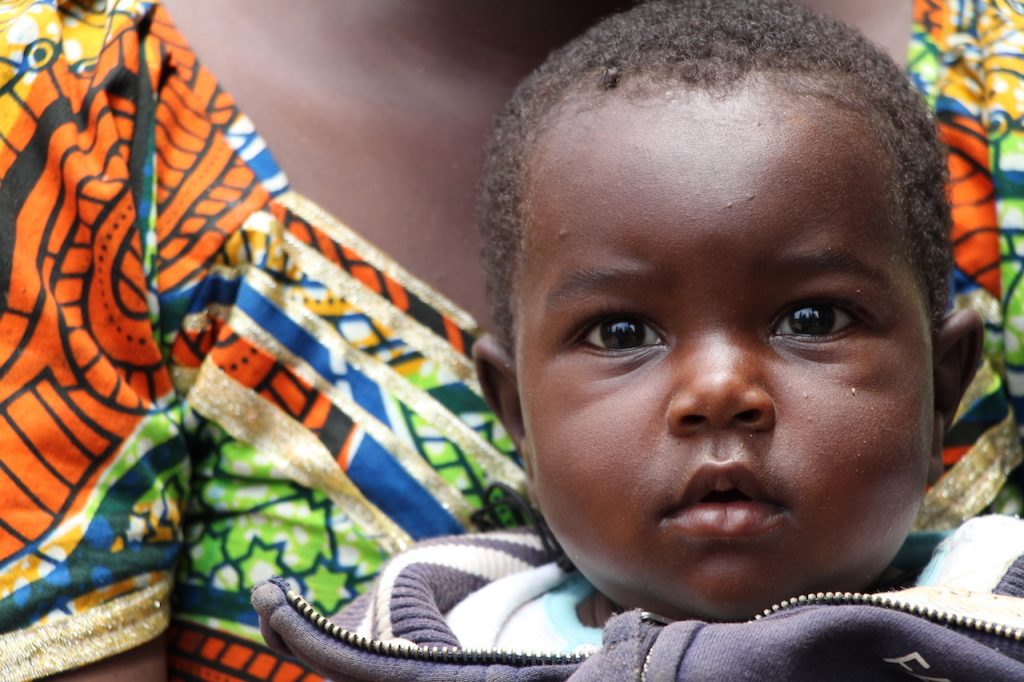
![Low resolution. On July 14th 2016. Zamaï, Far North Region in Cameroon. Portrait of Dzam-Dzam's son Hapso [NAME CHANGED], 3. Hapso is receiving treatment for malnutrition from a UNICEF supported nutrition center and is now putting on weight and becoming a healthy baby again.
From Nigeria to Cameroon: a journey through hunger
By Alexandre Brecher, UNICEF Cameroon
When death is chasing you and your family, you got to run to stay alive. Dzam-Dzam escaped Boko Haram but new dangers were waiting around the corner.
The attack from Boko Haram was brutal and unexpected. I saw shadows in my backyard. And then everything collapsed.
It happened in 2014 in the village of Boza, in the Northern part of Nigeria where Dzam-Dzam, her husband and their four young boys were living since they migrated from neighbouring Cameroon a few years before, seeking a better life in a region with more work opportunities. Life was good there, she recalls. Until that day when war found us.
It was in the hours between light turn into darkness. Dzam-Dzams husband was taking a shower behind the house. She was in her kitchen, with two of her boys, while her other children were staying at a relatives home, outside the village.
Suddenly, she heard gunshots. She looked through the window, and saw her husband shot dead. For minutes which felt like hours, she hid with her two children under a table. The insurgents left the compound and like a miracle they did not storm the house.
We immediately escaped, said Dzam-Dzam. We started running, running, without turning back.
It was only a week later that Dzam-Dzam learnt from other displaced people she met on the road that her two children who stayed back had been killed. But there was no time for mourning: her three- year- old was losing weight rapidly and her seven-year- old, was showing alarming signs of sickness.
He died before we reached the border, said Dzam-Dzam, her eyes filled with deep sadness UNICEF/UN029293/Brecher](https://www.socialscienceinaction.org/wp-content/uploads/2017/01/UN029293_Med-Res-1024x682.jpg)