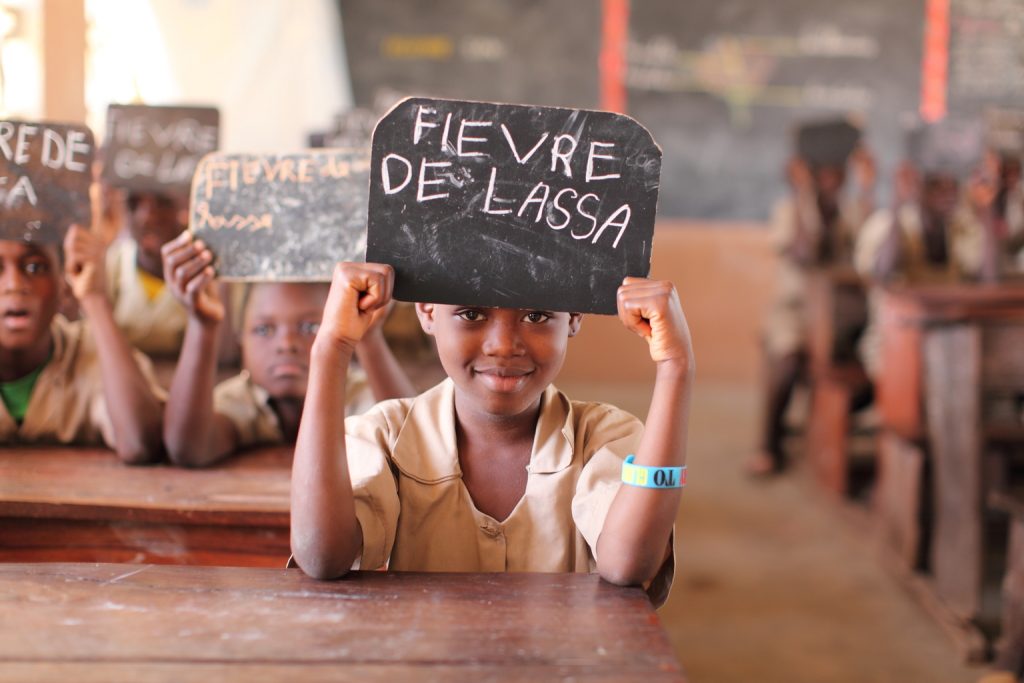
It has become routine to attribute the tragedy of the West African Ebola epidemic to inexperience and lack of knowledge. The states and citizens of Guinea, Liberia, and Sierra Leone were portrayed as entirely unfamiliar with Ebola and therefore without relevant knowledge. The simplicity of this narrative is disturbed by the experience of Lassa Fever, an infectious and deadly viral hemorrhagic fever (VHF), which is endemic in the three countries most affected by Ebola. This article looks beyond Ebola in 2014 to the history of efforts to control VHFs in the Mano River and challenges the idea that there was a vacuum of knowledge. Highlighted instead are politics of knowledge which have run through global health and which have prioritized particular forms of knowledge and ways of dealing with disease.
Ethnographic research on the emergence of Lassa and the subsequent emergence of Ebola in West Africa is presented, focusing on the development of technologies and institutions to detect and manage both viruses. This provides a lens for exploring what was known and not known, how and by whom; as well as what was counted and what was not, and why. The anthropological literature on emerging diseases has so far focused on the social, economic, and cultural dynamics which produce disease burdens but less on the socio-technical processes which calibrate these burdens. This article contributes to the anthropology of emerging infectious disease by more fully accounting for the intricacies, uncertainties, and implications of diagnostic and surveillance practices for new diseases. The piece will add to post-Ebola debates around preparedness by connecting intricate sociotechnical perspectives on disease emergence with the politics of science and global health and questioning the way priorities, risks, and problems have been conceptualized within this.