
Social science in action
SSHAP’s approach to mobilising social science for humanitarian action goes beyond biomedical and technical knowledge. It is centred on the value and importance of evidence of social, cultural and political-economic contexts and drivers of different vulnerabilities and of local knowledge and institutions.
In implementing this approach, SSHAP recognises the need to address and strengthen the capacity, knowledge and interactions between practitioners, policymakers and researchers to inform operational needs and navigate challenges.
This collection brings together resources from SSHAP and partners. It includes tools and trainings to aid the application of social science perspectives and approaches in humanitarian action, as well as insights and learnings from experiences of practice and capacity building at local, national and regional levels.
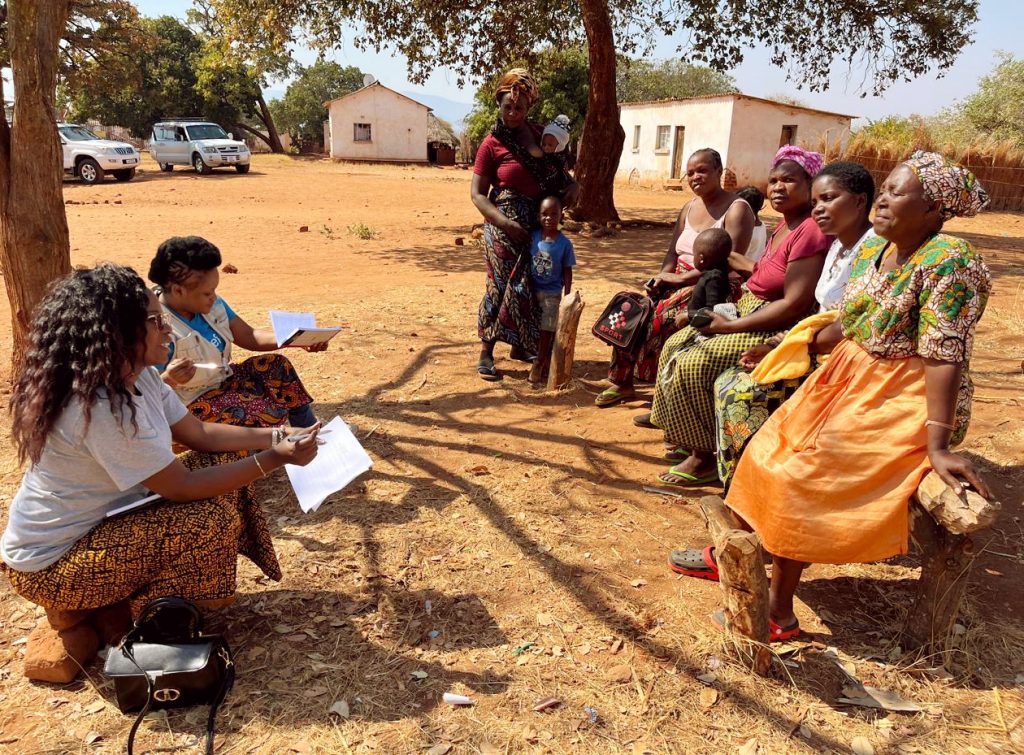
SSHAP learning note: Building a localised approach
Questions bank for healthcare workers during infectious disease outbreaks
Climate change question bank part 1
Climate change question bank part 2
Viral haemorrhagic fevers question bank

Rapid qualitative assessment training – 10 modules in English, French, Spanish and Portuguese
Mpox question bank: Qualitative questions for community-level data collection
Cholera question bank
Why social science matters for humanitarian action?
Using social science in response to the 2022 Ebola outbreak in Uganda
Whose voices matter? Using participatory, feminist and anthropological approaches to centre power and positionality in research on gender-based violence in emergencies
Sexual violence against men in conflict and post-conflict settings: A qualitative research methodology
Citizen ethnography in outbreak response: Guidance for establishing networks of researchers
Clinical and vaccine trials for COVID-19: Key Considerations from social science
Social science research for vaccine deployment in epidemic outbreaks
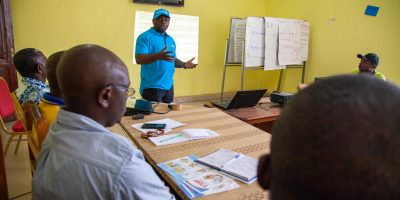
Guidance for health care worker (HCW) surveys in humanitarian contexts in LMICs
What social sciences researchers working in humanitarian contexts (sub-Saharan Africa) should be asking in COVID-19 and why

6 ways to incorporate social context and trust in infodemic management
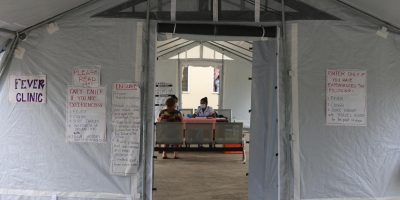
Novelty and uncertainty: Social science contributions to a response to COVID-19

Taking a psychosocial approach to epidemic response
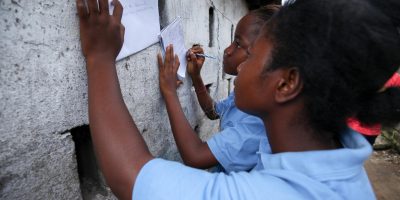
Rapid remote context analysis tool (RR-CAT) in epidemics
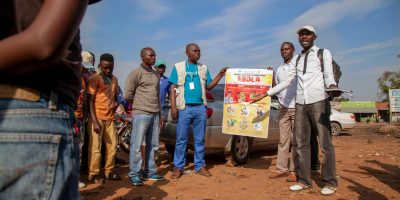
Social science in epidemics: Ebola virus disease lessons learned
Social science in epidemics: Influenza and SARS lessons learned