




This brief was developed for actors working “on the ground” in outbreak response in humanitarian programmes and contexts. It focuses on the importance, reasons and recommendations for how to ensure gender inclusivity in outbreak response, based on evidence and lessons learned from CASS studies undertaken during the Ebola outbreak in the DRC (2018-present).
The Cellule d’Analyse en Sciences Sociales (CASS) has drafted a set of briefing documents outlining key lessons learned from social sciences analyses during the DRC Ebola outbreak response, aiming to connect findings from the research conducted by the CASS with recommendations for supporting and improving the approach to tackling COVID-19 and its secondary impacts in Sub-Saharan Africa. The CASS Briefs do not imply comparatives between the diseases, however, despite differences, the social and behavioural sciences studies and recommendations, and resulting documented lessons learned can provide key guidance and important considerations for COVID-19 response and research teams operating in similar contexts across the continent.
Humanitarian Programme Recommendations for COVID-19 Based on Social Sciences Evidence from the DRC Ebola Outbreak Response
This brief was developed for actors working “on the ground” in outbreak response in humanitarian programmes and contexts. It addresses recurrent programme recommendations, including strategies, interventions and activities, which resulted from social sciences analyses conducted by the CASS during the Ebola outbreak in the DRC (2018-2020), and how these could be considered in COVID-19 programme development (interventions and strategies).
The Cellule d’Analyse en Sciences Sociales (CASS) has drafted a set of briefing documents outlining key lessons learned from social sciences analyses during the DRC Ebola outbreak response, aiming to connect findings from the research conducted by the CASS with recommendations for supporting and improving the approach to tackling COVID-19 and its secondary impacts in Sub-Saharan Africa. The CASS Briefs do not imply comparatives between the diseases, however, despite differences, the social and behavioural sciences studies and recommendations, and resulting documented lessons learned can provide key guidance and important considerations for COVID-19 response and research teams operating in similar contexts across the continent.
Social Sciences Evidence on Barriers to Healthcare Seeking During the DRC Ebola Outbreak
This brief was developed for actors working “on the ground” in humanitarian response programmes. It focuses on the importance, reasons and recommendations for minimising barriers to healthcare seeking in outbreak settings based on social sciences evidence from CASS studies undertaken during the Ebola outbreak response in the DRC.
The Cellule d’Analyse en Sciences Sociales (CASS) has drafted a set of briefing documents outlining key lessons learned from social sciences analyses during the DRC Ebola outbreak response, aiming to connect findings from the research conducted by the CASS with recommendations for supporting and improving the approach to tackling COVID-19 and its secondary impacts in Sub-Saharan Africa. The CASS Briefs do not imply comparatives between the diseases, however, despite differences, the social and behavioural sciences studies and recommendations, and resulting documented lessons learned can provide key guidance and important considerations for COVID-19 response and research teams operating in similar contexts across the continent.
COVID-19 Management in Marginalised Populations in Southeast Asia
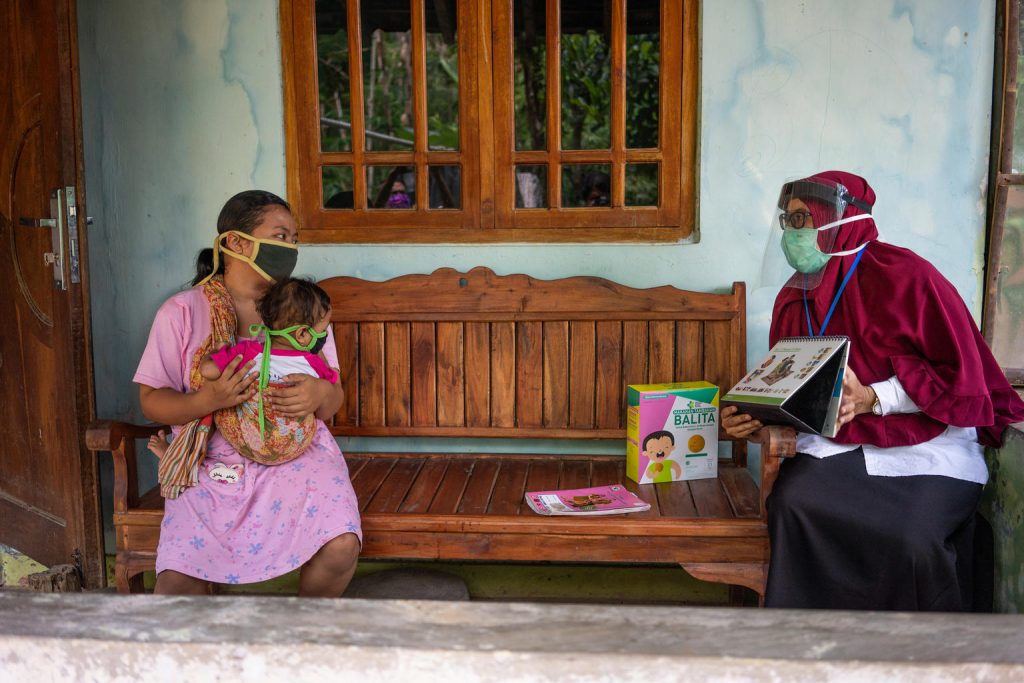
Key considerations focusing on transnational migrants, informal workers, and people living in informal settlements.
COVID-19 in the Context of Conflict and Displacement – Myanmar
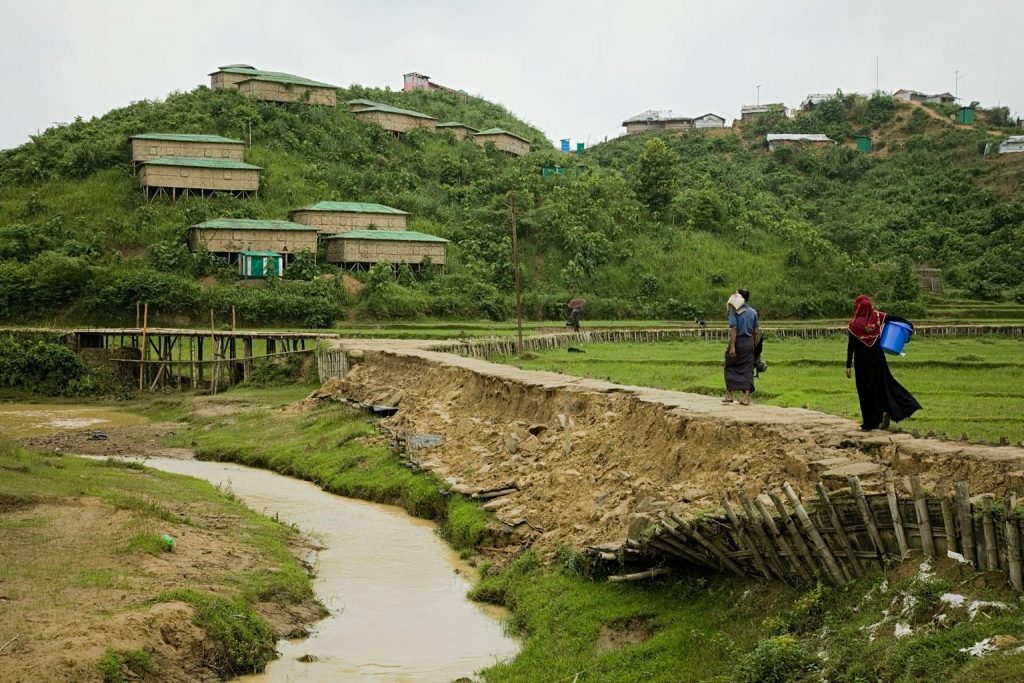
Key considerations focusing on how conflict, displacement and inter-communal tensions may influence disease control in Myanmar.
Considerations and Principles for Shielding People at High Risk of Severe Outcomes from COVID-19
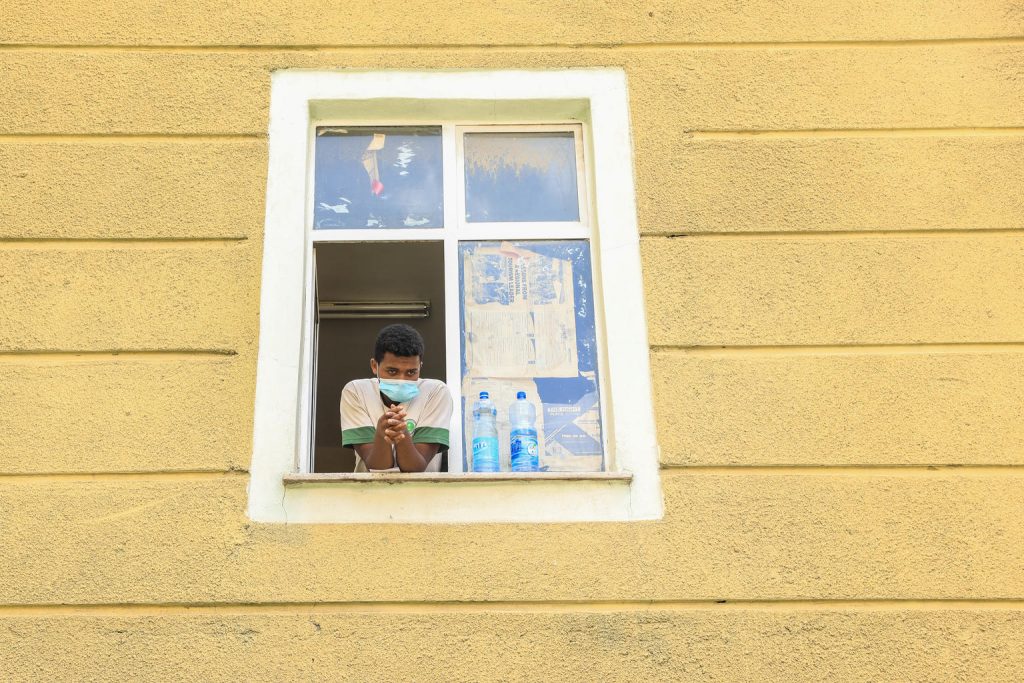
Including proposed approaches to shielding, who may be included in shielding groups, as well as the likely difficulties of these measures, and ways to mitigate them.
Risks Related to Population Movement and Gatherings During Ramadan
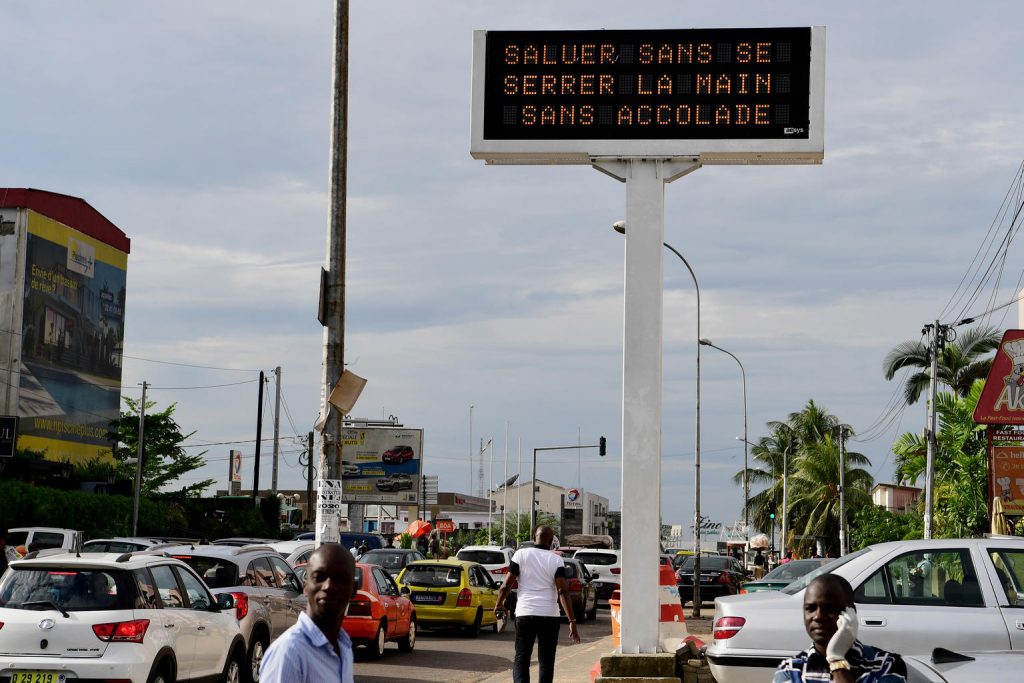
Key considerations in relation to COVID-19 during the holy month of Ramadan on the continent of Africa.
COVID-19: Why Are Prisons at Particular Risk, and What Can Be Done to Mitigate This?
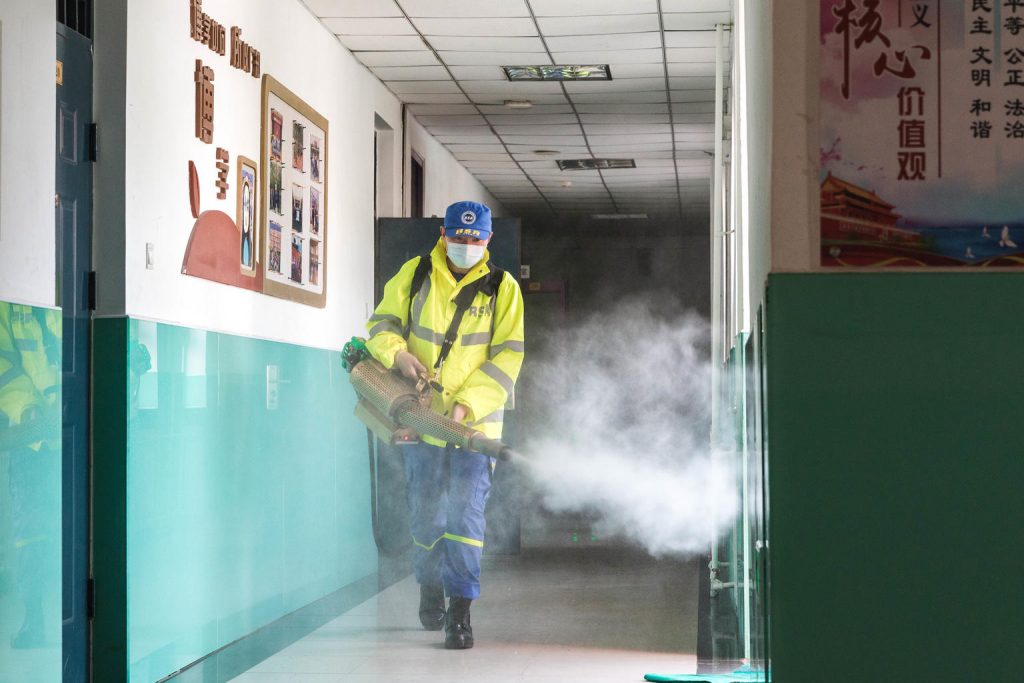
Particular risks associated with an outbreak in prisons in low-and middle-income countries and suggestions of some approaches that may be used to mitigate risks.
Local response in health emergencies: key considerations for addressing the COVID-19 pandemic in informal urban settlements
This paper highlights the major challenges and considerations for addressing COVID-19 in informal settlements.
“Hunger will kill us before the coronavirus does!”
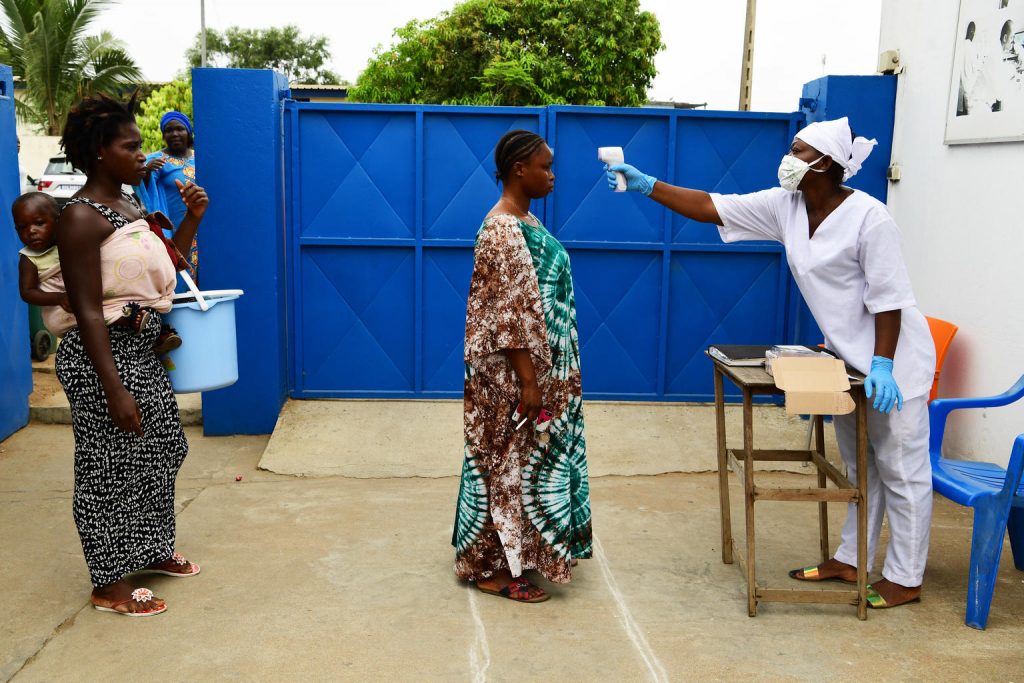
Africa is particularly vulnerable to the coronavirus and the effects of restrictions.
COVID-19 Forum
A collection bringing together seventeen anthropologists and historians in an effort to share ideas, analytical frameworks and concerns about the ongoing epidemic from interdisciplinary perspectives.
Dying, Bereavement and Mortuary and Funerary Practices in the Context of COVID-19
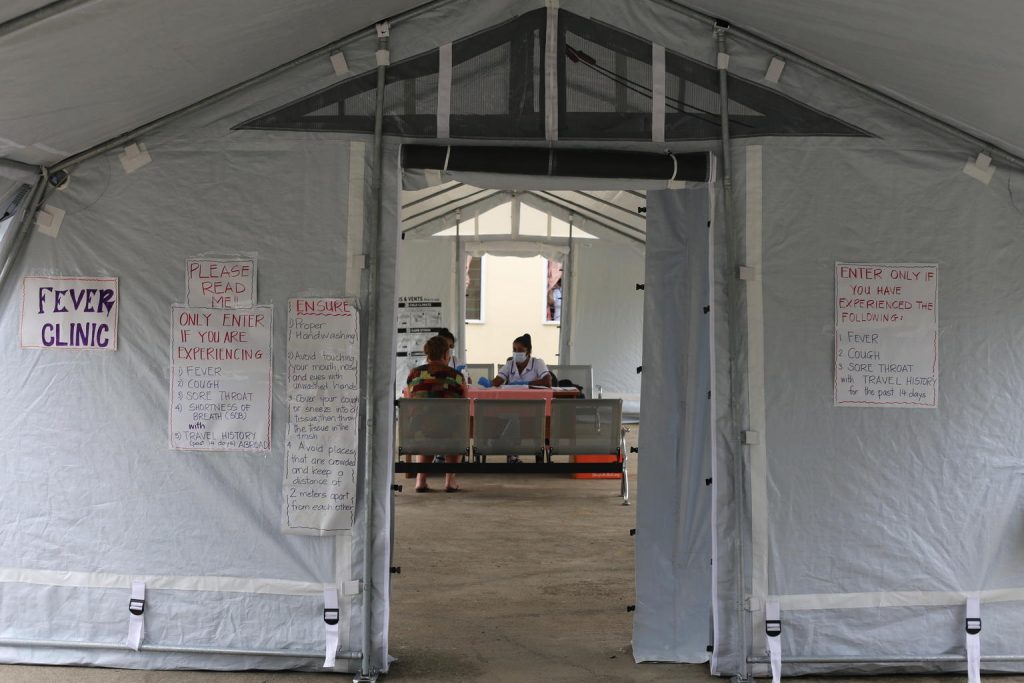
Key considerations for events related to death, burial, funerals (rites, ceremonies and practices) and mourning.
Incorporating Non-Expert Evidence into Surveillance and Early Detection of Public Health Emergencies
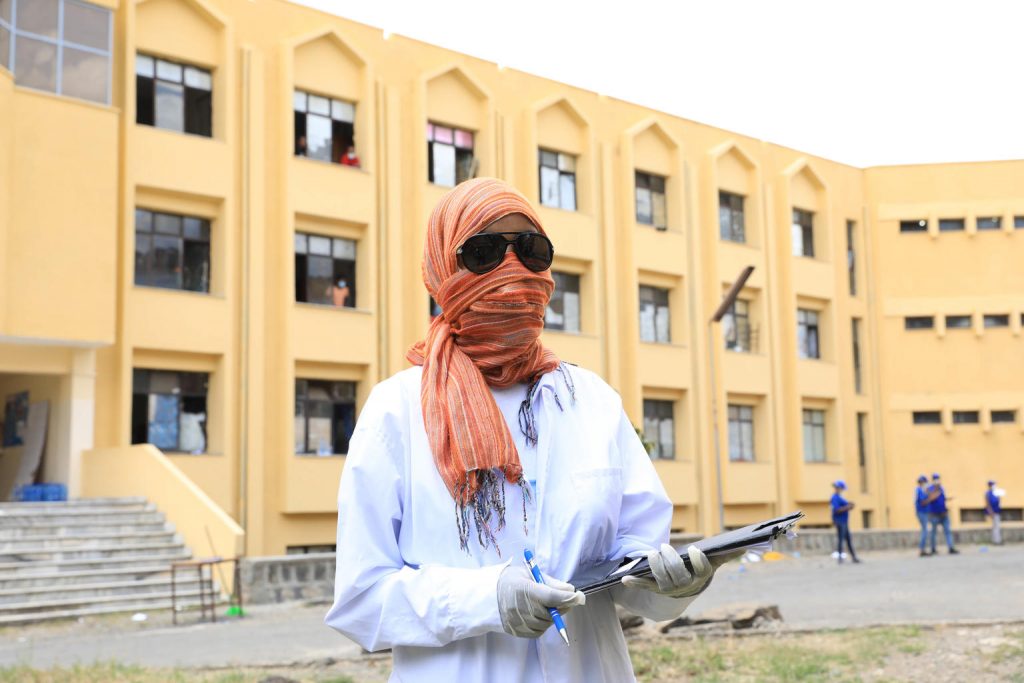
‘Big data’ has promised significant improvements for the global surveillance of infectious disease. This SSHAP Case Study highlights how, over the past two decades, new disease surveillance practices built on amassing and processing large data sets – analysed computationally to reveal patterns, trends, and associations, relating to human behaviour and interactions – have been successful in the advanced forecasting of deadly disease outbreaks including severe acute respiratory syndrome (SARS), Middle East respiratory syndrome coronavirus (MERS-CoV), human influenza, the Ebola virus and novel coronavirus (COVID-19).
The increasing incorporation of non-expert evidence – that is, data that is collected and analysed from sources outside of traditional clinical/healthcare sectors into infectious disease and public health surveillance practices – must be continually monitored and verified as technological capacities and innovation towards the rapid identification of public health threats advance.
People, Poultry and Pandemics: Risk Communication and Community Engagement in Indonesia
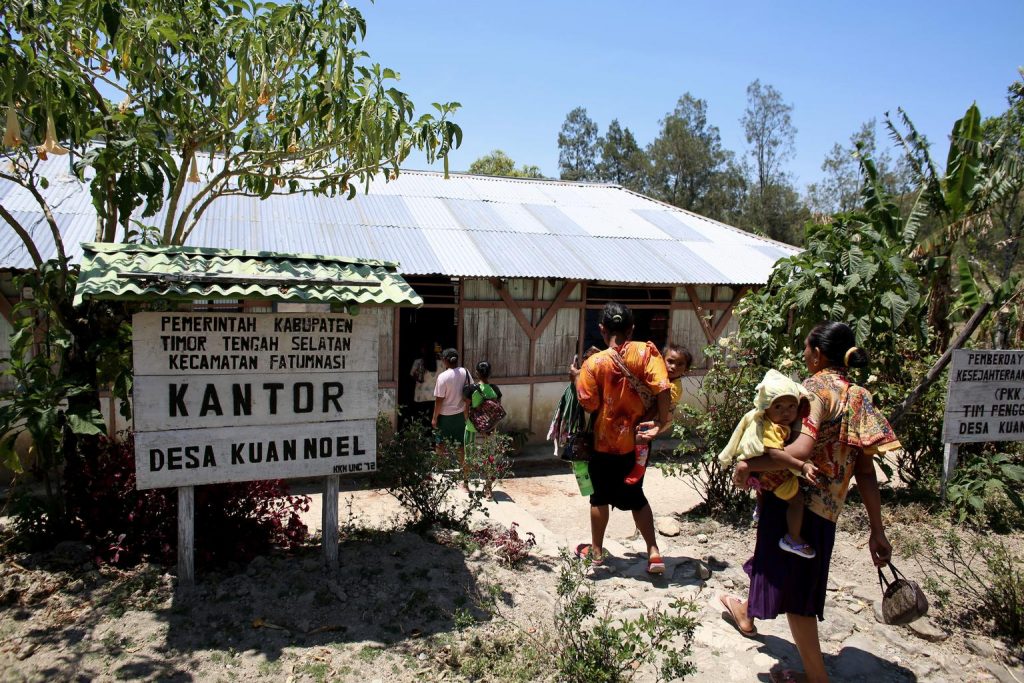
This SSHAP Case Study illustrates how the United Nations Children’s Fund (UNICEF) worked in 2006-07 to support the Indonesian government in response to avian influenza outbreaks.
The agency provided social mobilisation and education programmes to schools and villages in affected communities and provided media relations support and training for Indonesian journalists. Learning from this case study can be used by public health officials and response workers to further their understanding on how to coordinate interactions with affected communities during similar events.
Compliance with Physical Distancing Measures for COVID-19 and Implications for RCCE in Eastern and Southern Africa
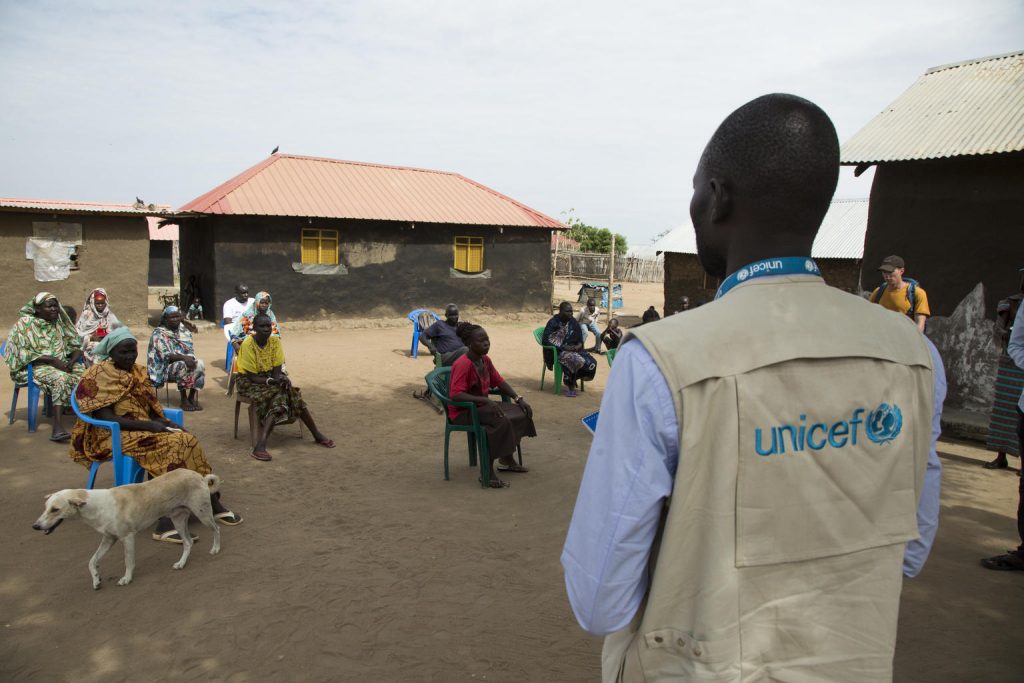
Practical considerations for communication strategies and messaging on physical distancing.
Assessing key considerations for burial practices, death and mourning in epidemics
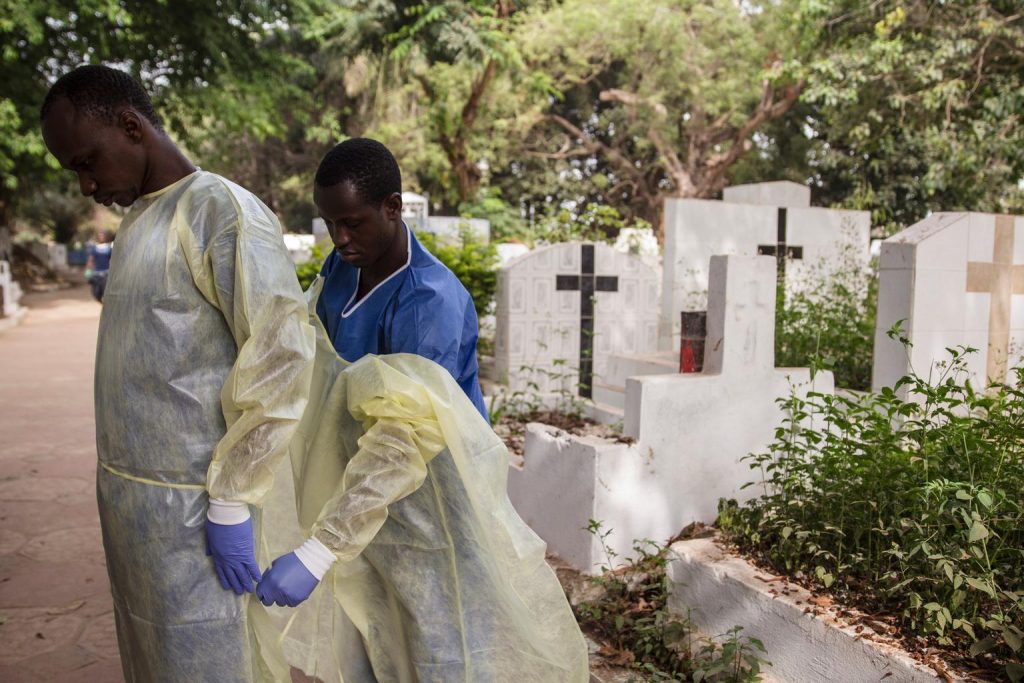
This Practical Approaches brief looks the considerations for rapidly appraising burial/funerary practices and beliefs around death/dying during an epidemic.
Taking a psychosocial approach to epidemic response
This Practical Approaches brief highlights key considerations for taking a psychosocial approach to working in the context of an epidemic.
Do You Speak COVID-19?
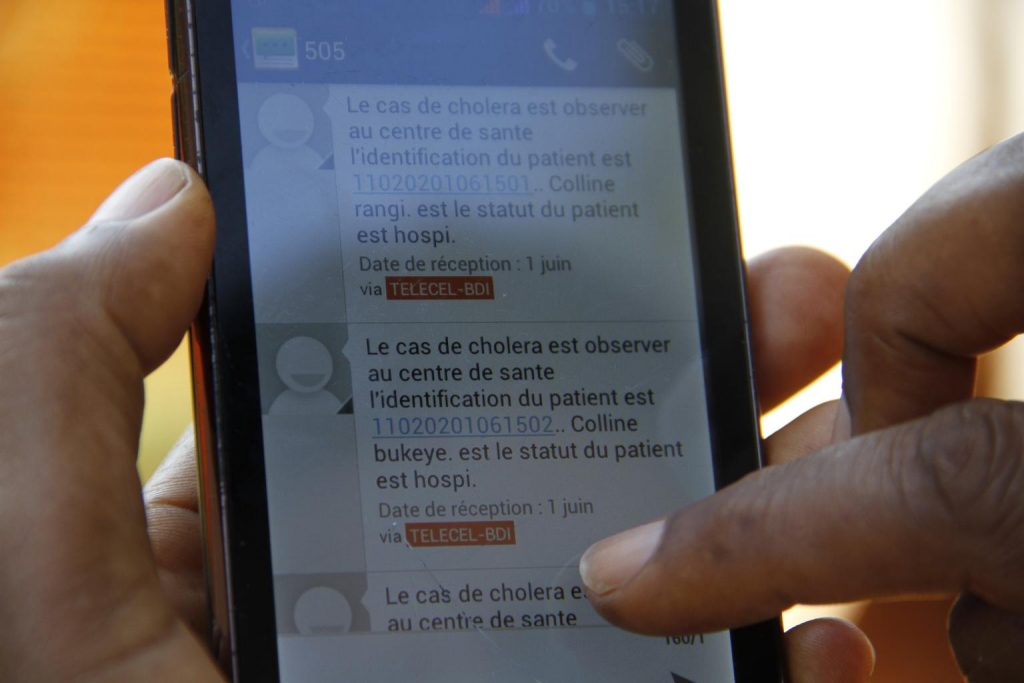
Millions of marginalised people lack basic information about how to keep themselves and their communities safe and well.
Podcast: The Social Dynamics of Pandemics
The global pandemic Covid-19 is impacting people in many and varied ways. The effects on all our lives are immense and diverse, from rural and urban communities, young and old, from different geographic and economic groups, we are each living with different realities of a global crisis.
In this month’s episode of Between the Lines, IDS’ Melissa Leach, Hayley MacGregor, Annie Wilkinson and Ian Scoones discuss how we should learn from past epidemics and outbreaks and the need to understand social dynamics in order to respond to Covid-19.
Listen and subscribe
Links
Book – ‘Avian Influenza: Science, Policy and Politics’, Ian Scoones
Book – ‘Epidemics: Science, Governance and Social Justice’, Melissa Leach, Sarah Dry and Hayley MacGregor
Blog – Covid-19 – a social phenomenon requiring diverse expertise
Blog – Science, uncertainty and the Covid-19 response
Pandemic Preparedness Programme
The Psychological Needs of Healthcare Staff as a Result of the Coronavirus Pandemic
Considerations for the wellbeing needs of all healthcare staff (clinical and non-clinical)
A rapid qualitative study on preparedness and community perceptions, Yei River State, South Sudan
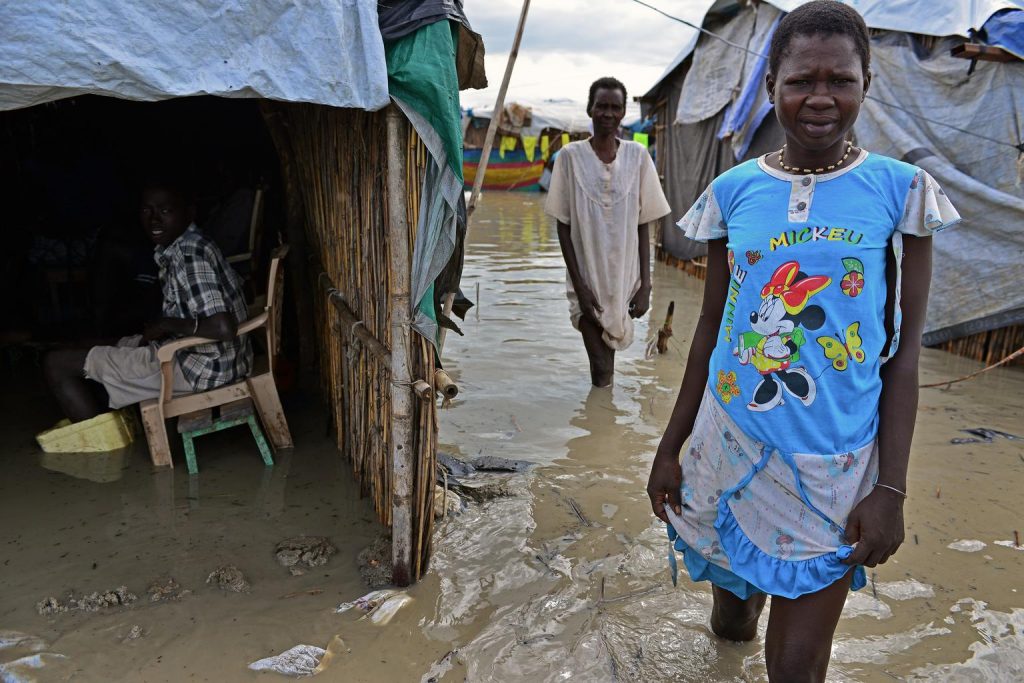
This research was commissioned by the EVD Preparedness Consortium comprising Save the Children, Concern Worldwide and Internews in South Sudan. It provides information on community perceptions about the Ebola outbreak and preparedness activities in Yei River State. The study was commissioned based on the recognition of the importance of integrating social sciences into Ebola outbreak and preparedness activities from the West Africa Ebola outbreak (2013-2016) and subsequent outbreaks in the Democratic Republic of Congo (DRC) in 2018 and 2019.
It provides granular information about community’s perceptions of activities, particularly disease surveillance, infection prevention and control (IPC), risk communication and community engagement. These details will help the EVD Preparedness Consortium to ensure a localised and agile response to the risk of Ebola in South Sudan. The formative qualitative study was conducted between August and September 2019 in Yei River State.
Key Considerations: COVID-19 in Informal Urban Settlements

Key considerations for protecting informal urban settlements from the spread and impacts of COVID-19.
Online Information, Mis- and Disinformation in the Context of COVID-19
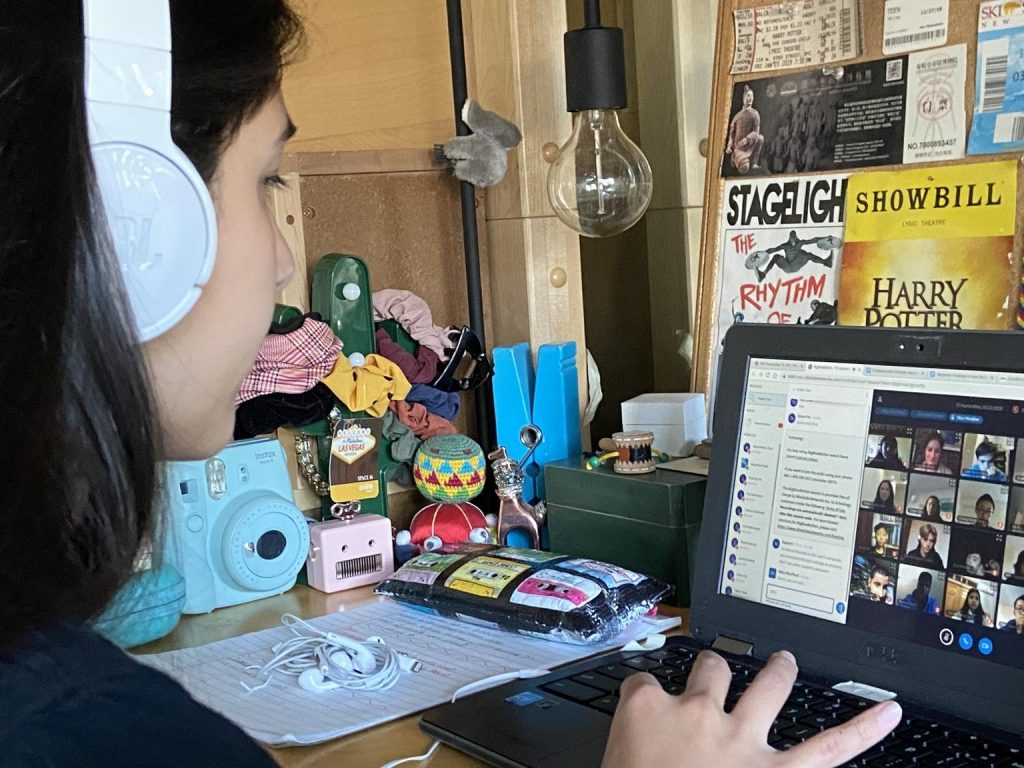
Practical considerations relating to flows of information, misinformation and disinformation though online media, particularly social media networks.
Quarantine in the Context of COVID-19
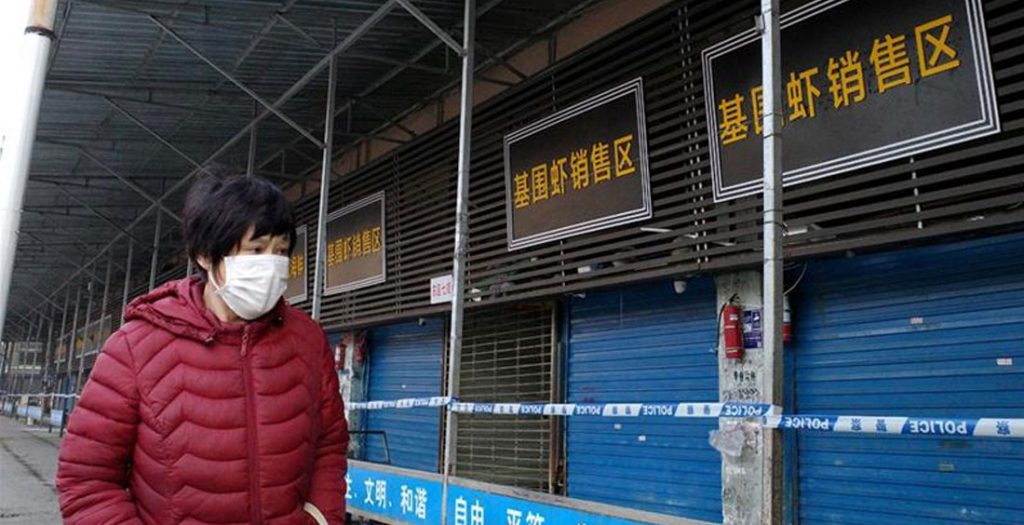
Key considerations relating to the design and impact of measures that restrict human movement patterns.
Shame and Complicity in the Reactions to the Coronavirus
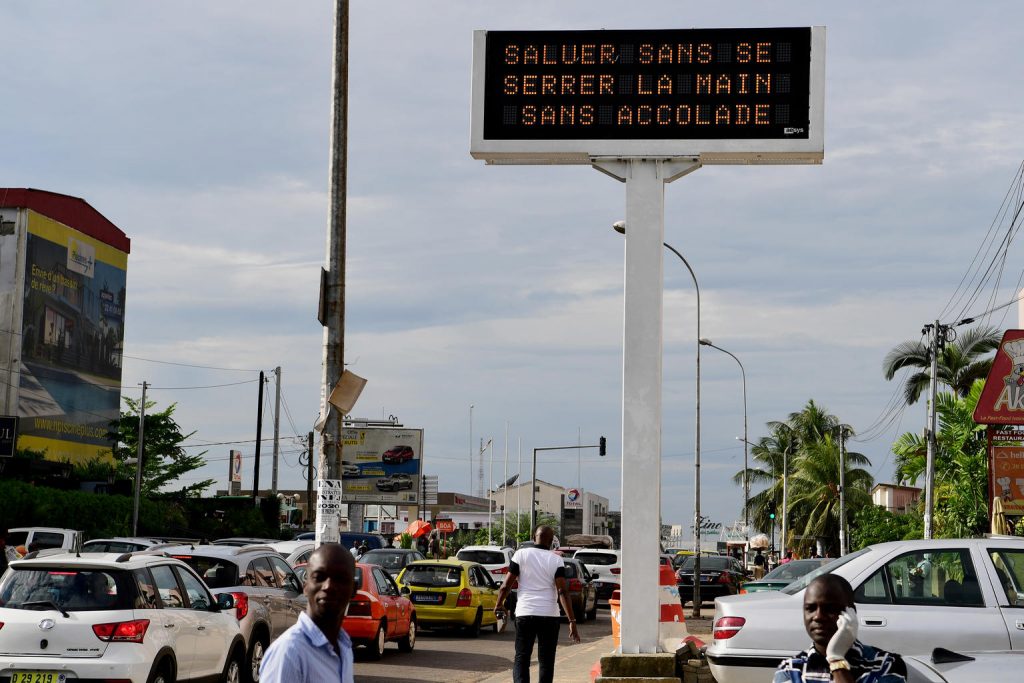
The death of Wuhan doctor Li Wenliang on 7 February 2020 was a turning point in public reactions to the government’s handling of the coronavirus outbreak. The doctor had warned about the new virus, but was silenced and punished, because of the strict prohibition to spread any news about the virus.
He got infected himself and this made him a martyr. The days after his death, many people shared emotions of anger and shame on social media. One posting was widely forwarded: screenshots of CCTV news anchors announcing the punishment of eight doctors for spreading rumours about the various in Wuhan, with a caption from Mencius: “The shame of being shameless. That is shameless indeed.”
This is part of the Somatosphere’s Special Collection
Sentinels and Whistleblowers: Lessons from Wuhan
When the media asked me how the Chinese government was handling the crisis of COVID-19, I offered them a distinction which comes from the social sciences: the Wuhan authorities acted well as sentinels but failed to act as whistleblowers.
Indeed, the death of 34-year-old ophthalmologist Li Wenliang from COVID-19 on February 7, after warning on the emergence of a coronavirus similar to SARS as early as December 2019 and being blamed by the Wuhan authorities for doing so, raised a waive of compassion and anger all over China. Compassion for Li Wenliang reminds Chinese citizens of the “barefoot doctor,” a figure who mixes with the people and is ready to die in the fight against a common enemy (Lynteris 2012). Chinese propaganda enforces this discourse of sacrifice: physicians sacrifice themselves for the rest of society, Wuhan sacrifices itself for China, and China sacrifices itself for the world to avoid a pandemic.
Echoes of Ebola: Social and Political Warnings for the COVID-19 Response in African Settings
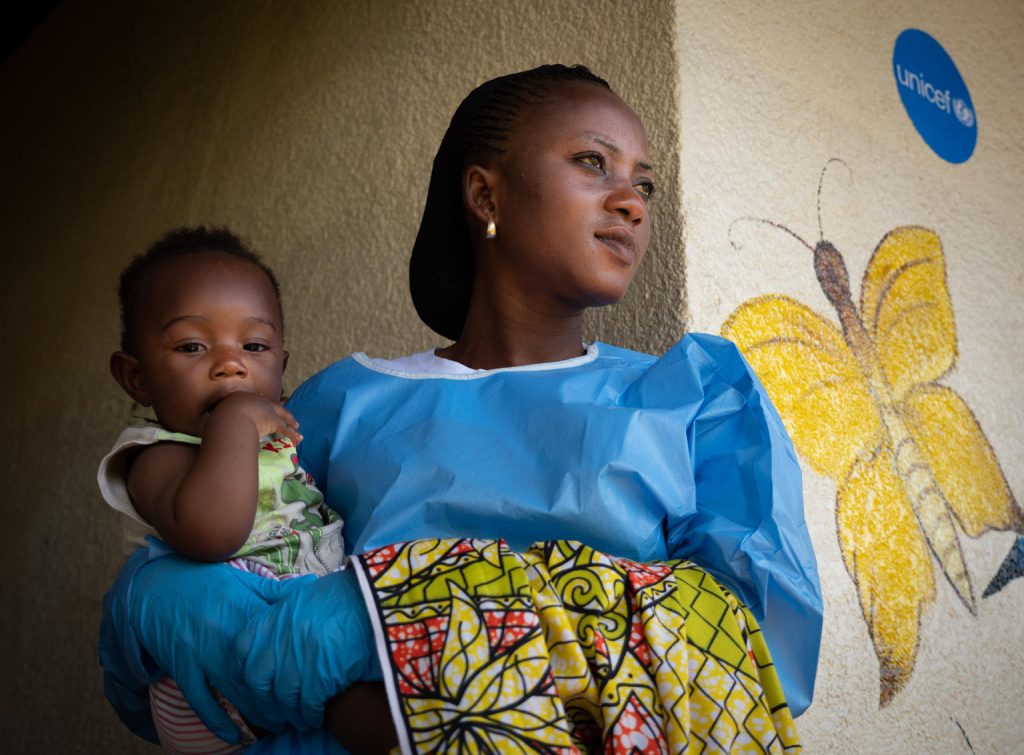
Recent years have seen major global investment in epidemic preparedness and response. The World Health Organization’s new guidelines for health emergency preparedness (WHO 2017), extending the ambit of the 2005 International Health Regulations, have accompanied growing commitments to centralised planning, surveillance, modelling and prediction capacities, funding and insurance instruments, drug and vaccine research and development, rapid response teams and more.
This refreshed global model for techno-managerial epidemic control emerged in the aftermath of the major 2014-2016 West African Ebola outbreak – in a spirit of ‘never again’. The COVID-19 epidemic, likely to spread to African settings amidst intense China-African interactions, invites this global model to be put to the test – now invigorated further by China’s forceful state-supported outbreak control measures. But how applicable is this emergent global/Chinese model to African settings? What insights emerge from African experiences with Ebola virus disease and response,
Novelty and uncertainty: Social science contributions to a response to COVID-19
This comment argues that political questions around discourses of preparedness and response need to enter the debate about current and future responses to uncertain and alarming scenarios of novel emergence.
Social Dimensions of the novel Coronavirus (nCoV) Outbreak and Response: Meeting Report
Report from a roundtable meeting at the Wellcome Trust, London, 3rd February 2020.
Behavioural Data Compilation #5
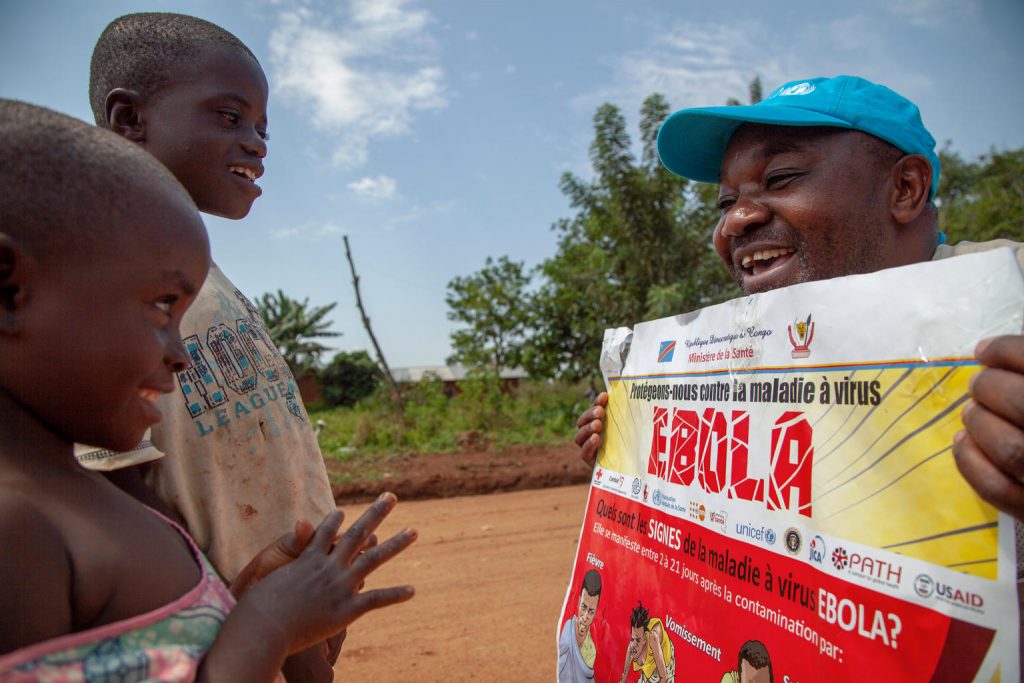
A rapid compilation of data analyses for September-November 2019 in the context of the Ebola outbreak in North Kivu and Ituri provinces.
Cross-Border Dynamics Between South Sudan and DRC
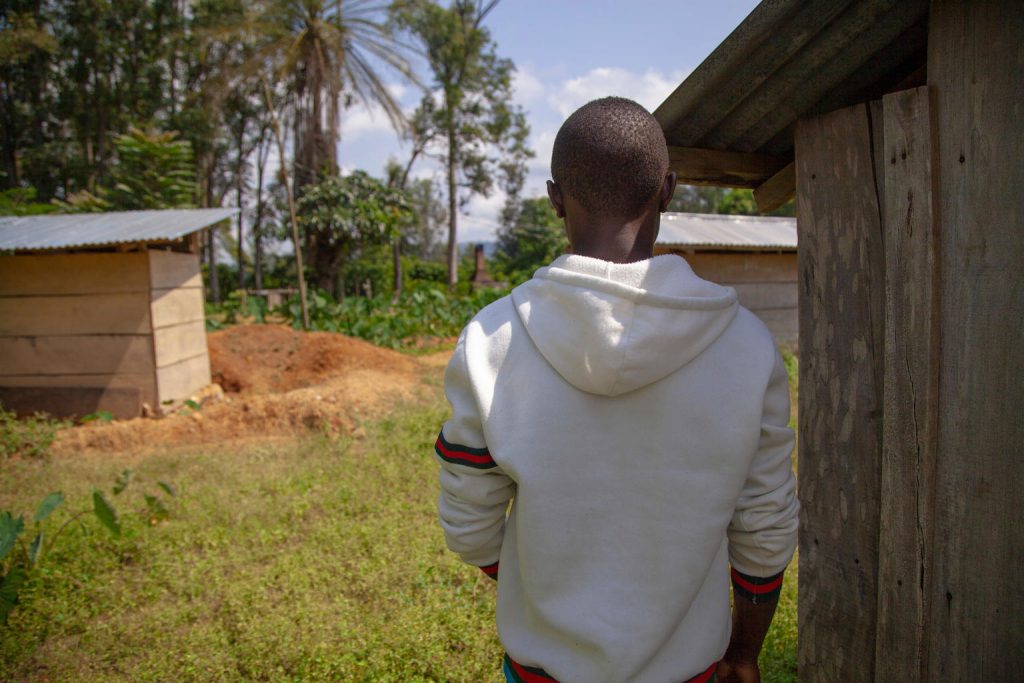
Key considerations concerning cross-border dynamics between South Sudan and DRC including borderlands and trade dynamics.
Behavioural Data Compilation #4
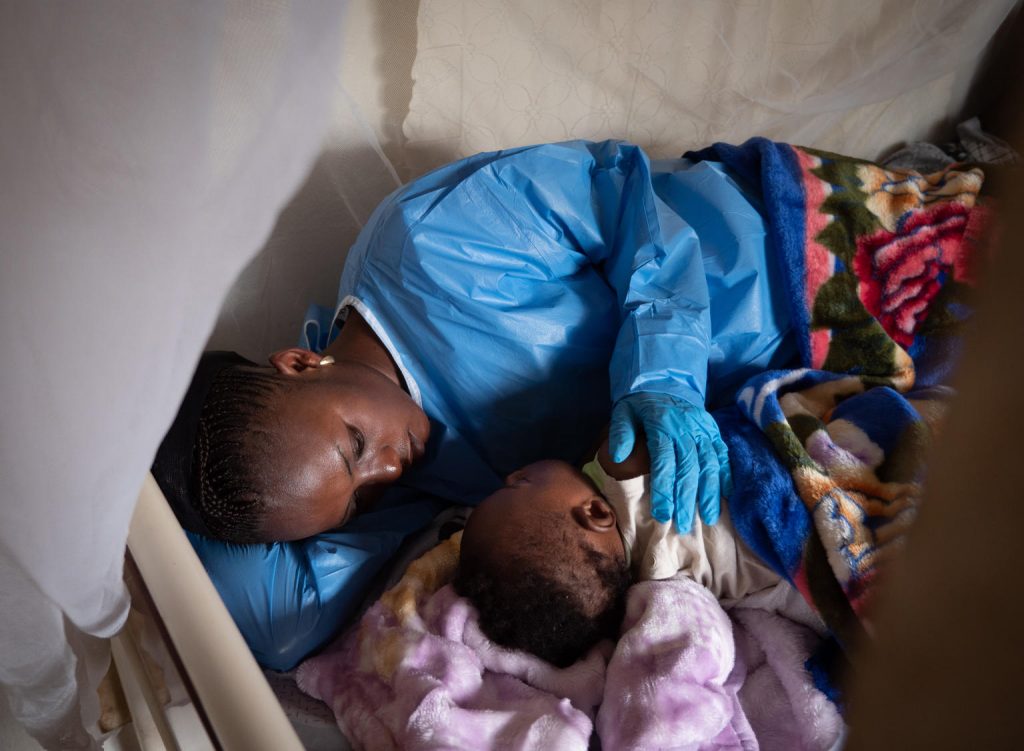
A rapid compilation of data analyses for June-August 2019 in the context of the Ebola outbreak in North Kivu and Ituri provinces.
A World at Risk: Annual Report on Global Preparedness for Health Emergencies
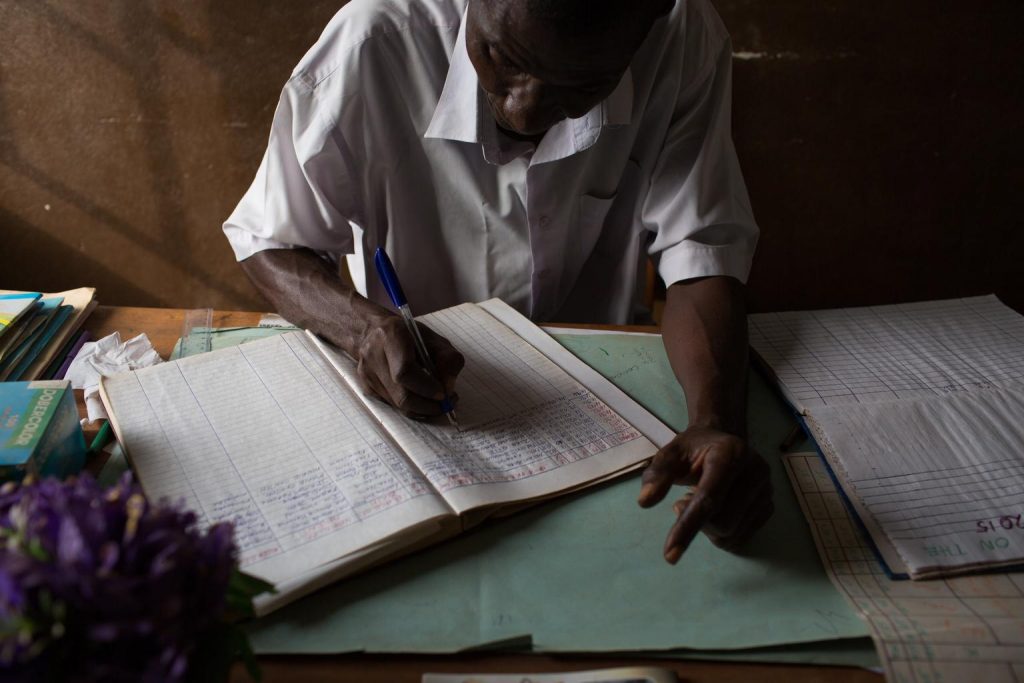
From the foreword by Co-Chairs H.E. Dr Gro Harlem Brundtland and Mr Elhadj As Sy: “For its first report, the Global Preparedness Monitoring Board reviewed recommendations from previous high-level panels and commissions following the 2009 H1N1 influenza pandemic and the 2014-2016 Ebola outbreak, along with its own commissioned reports and other data. The result is a snapshot of where the world stands in its ability to prevent and contain a global health threat. Many of the recommendations reviewed were poorly implemented, or not implemented at all, and serious gaps persist. For too long, we have allowed a cycle of panic and neglect when it comes to pandemics: we ramp up efforts when there is a serious threat, then quickly forget about them when the threat subsides. It is well past time to act.”
Cross Border Dynamics: Burundi-DRC
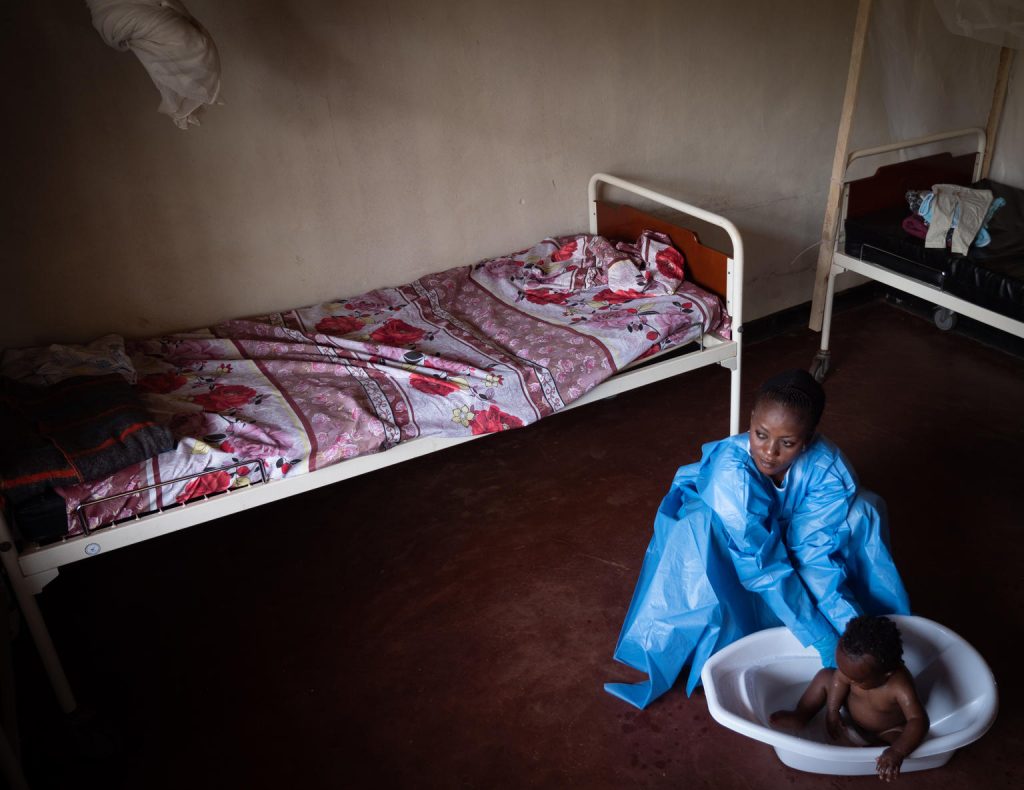
Key considerations concerning cross-border dynamics between Burundi and DRC including politicisation and armed groups.
The Context of Sofala and Manica in Relation to Cyclone Idai Response in Mozambique
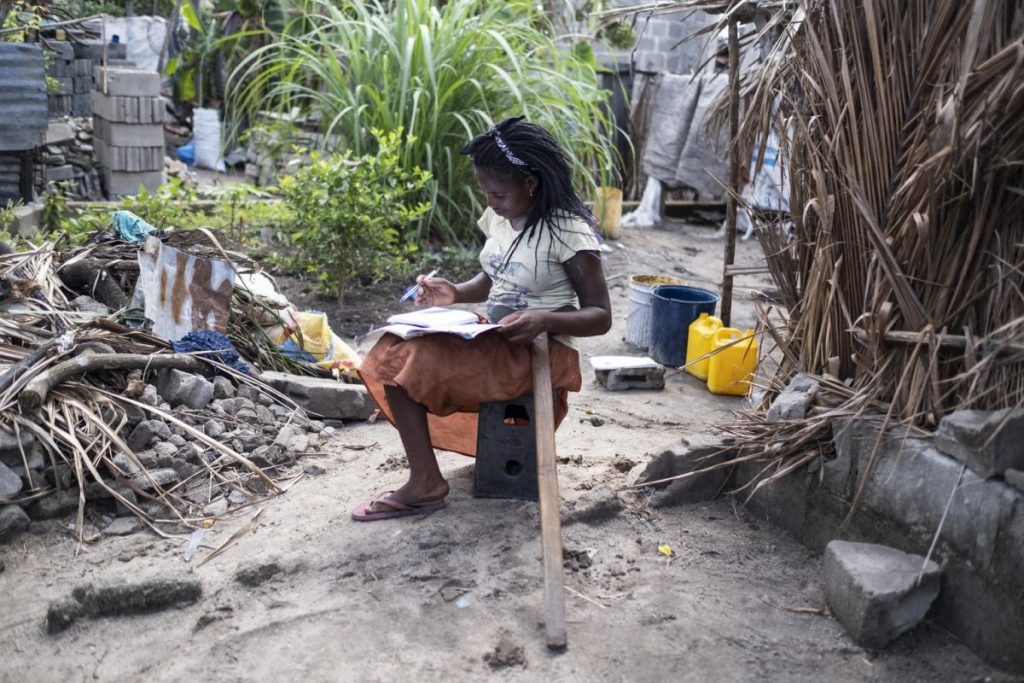
Rapid review question: What contextual factors (e.g. community structures and dynamics) are relevant in the urban and rural areas affected by cyclone Idai (Sofala and Manica provinces)? How do social and cultural factors shape communication and community engagement strategies across social sectors? This report is based on a review of literature and consultation with experts that was undertaken in April-May 2019.
You can also download the evidence summary by clicking here.
Read this information with an awareness that much of the literature was produced before the current crisis in which social organisation may have undergone significant change. Rapid ethnographic assessments and other social science surveys in the field should run in parallel to the response.
For the full evidence synthesis, click the download button.
Health-Seeking Behaviours in Sofala and Manica in Relation to Cyclone Idai Response
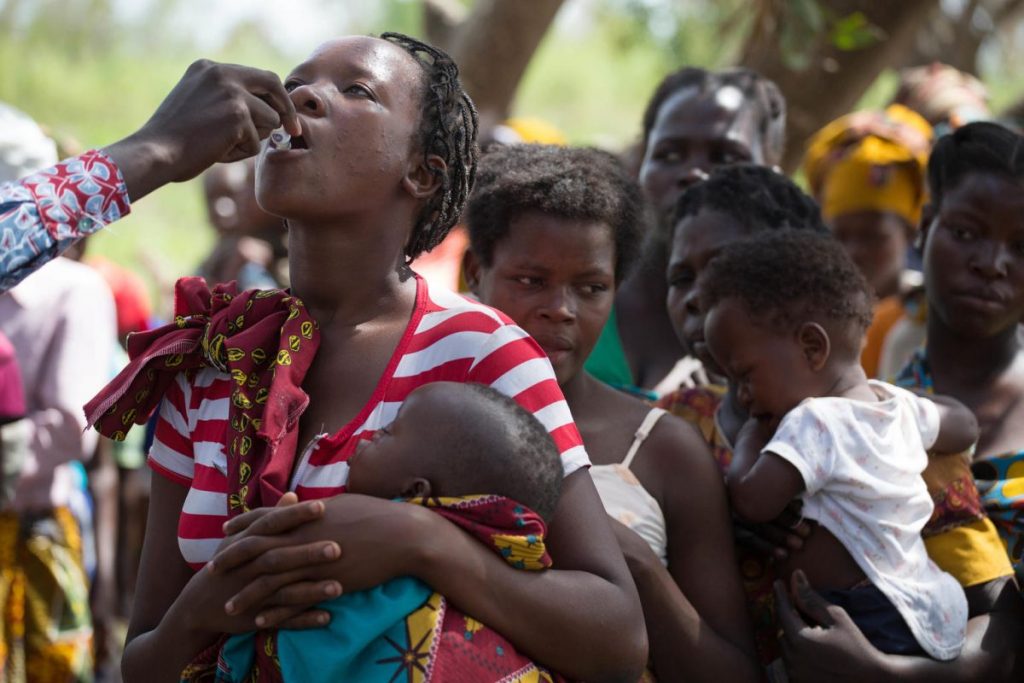
Rapid review question: What are the health-seeking and nutritional practices of the affected populations? How do they frame, understand and engage in prevention of cholera/AWD, malaria, measles/rubella (or vaccine preventable diseases); infant and child feeding and other relevant diseases? What do these entail in terms of behaviour change communication and community engagement? This review is based on a review of literature and consultation with experts that was undertaken in April-May 2019.
You can also download an executive summary here.
It is important to take this information with caution, as much of the literature was produced before the current crisis, in which social organisation may have undergone significant change due to the impact of the cyclone. Rapid ethnographic assessments and other social science surveys in the field should run in parallel to the response.
For the full evidence synthesis, click the download button.
