




Key considerations concerning cross-border dynamics and health structures and behaviours in the West Nile sub-region of north-west Uganda.
Cross-Border Dynamics and Healthcare in West Nile, Uganda
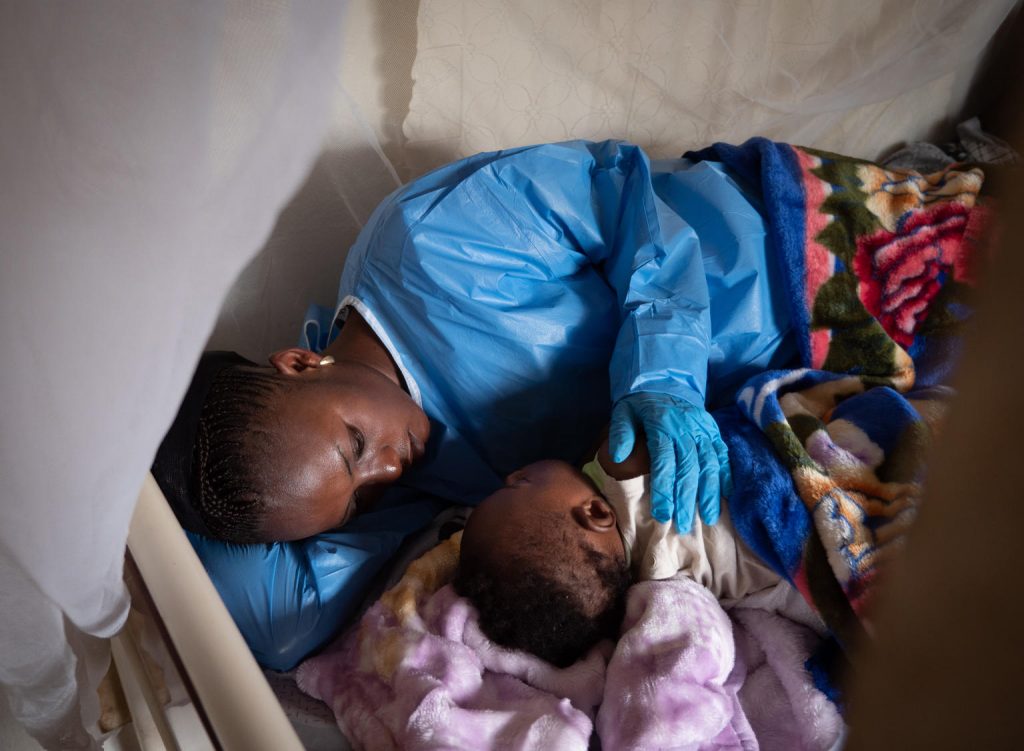
Key considerations concerning cross-border dynamics and health structures and behaviours in the West Nile sub-region of north-west Uganda.
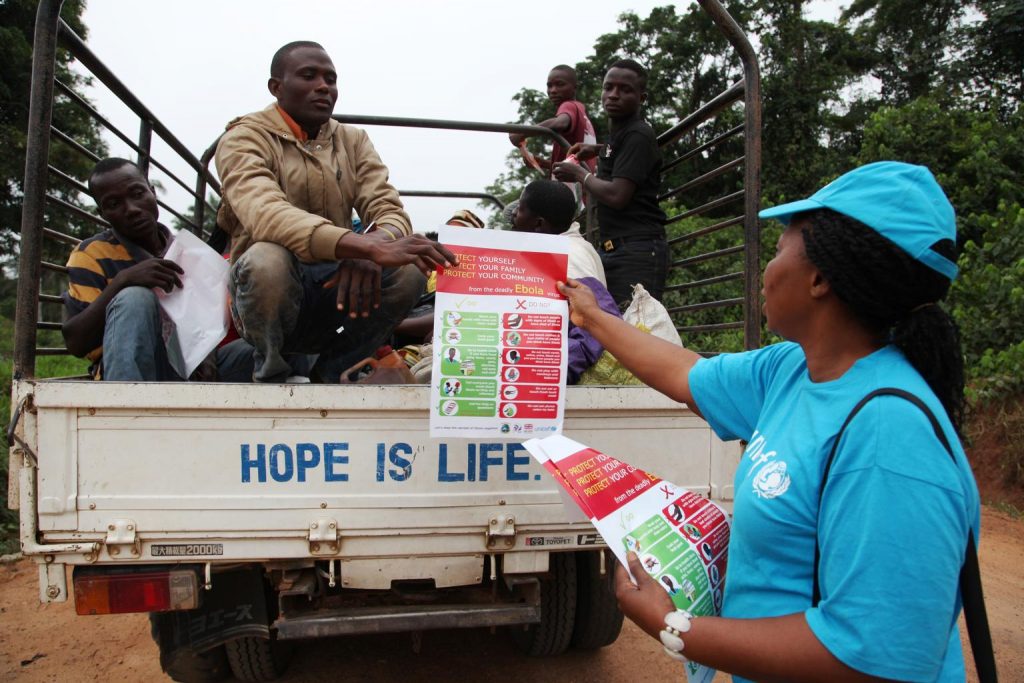
A rapid compilation of data analyses for February-May 2019 in the context of the Ebola outbreak in North Kivu and Ituri provinces.
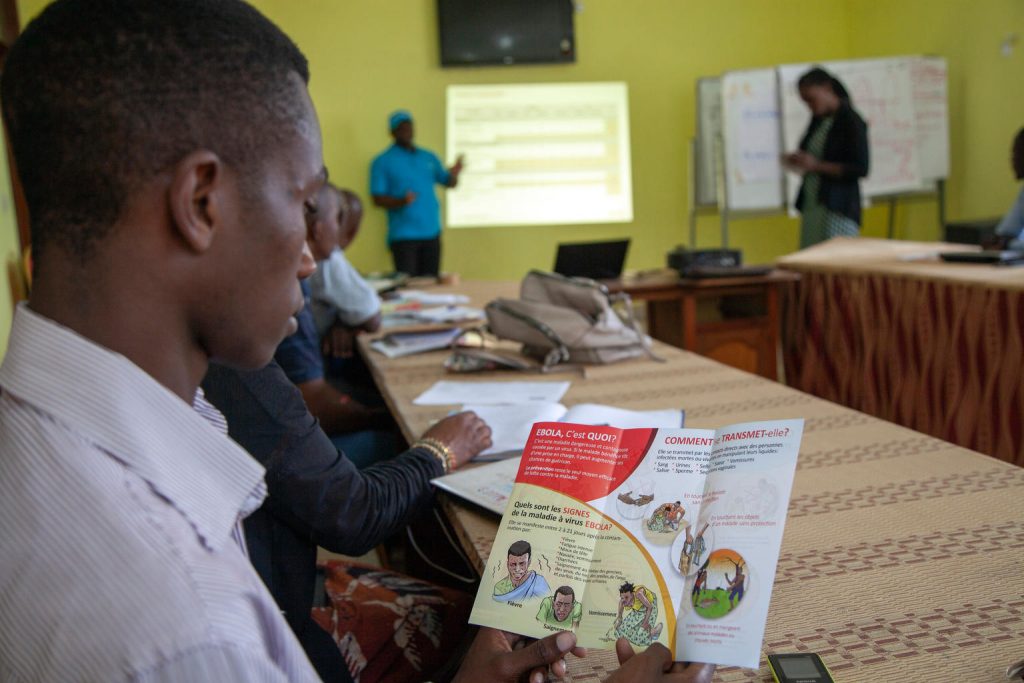
An overview of key messages circulating on WhatsApp and in the local media in the Grand Nord in November-December 2018

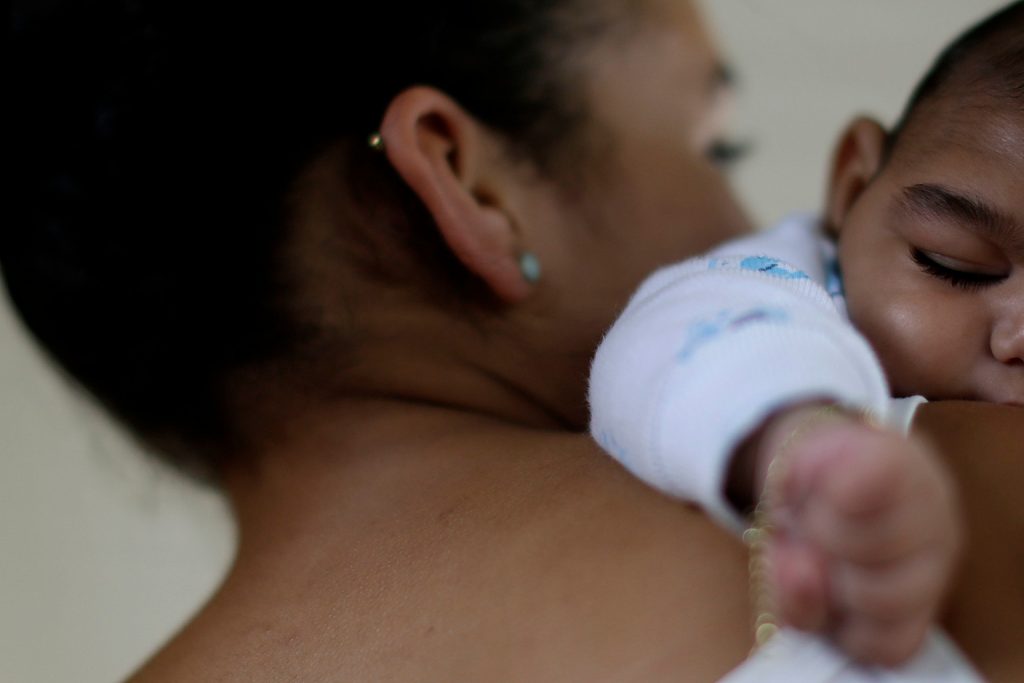
In Brazil, the Zika epidemic, a national and public health emergency declared in 2015, and in effect until early 2016, caused severe neurological damage to over three thousand newborn children (3.179 confirmed cases up to the fifteenth week of 2018), of which, by the same date, 451 were from the state of Pernambuco.
The newborn evidenced microcephaly at birth based originally on observations from Pernambuco and Paraíba, were discovered to be part of a still uncharted conjuncture of symptoms which came to be known as the Congenital Syndrome of Zika Virus (CSZV) mobilizing mothers and their networks, health and social service professionals and workers, and researchers from diverse disciplines to find ways to understand, treat, alleviate and prevent the Syndrome. Since March of 2017 we have continued our CNPq research (begun in October of 2016), reinforced and made more widely applicable with the Newton Instituional Links grant.
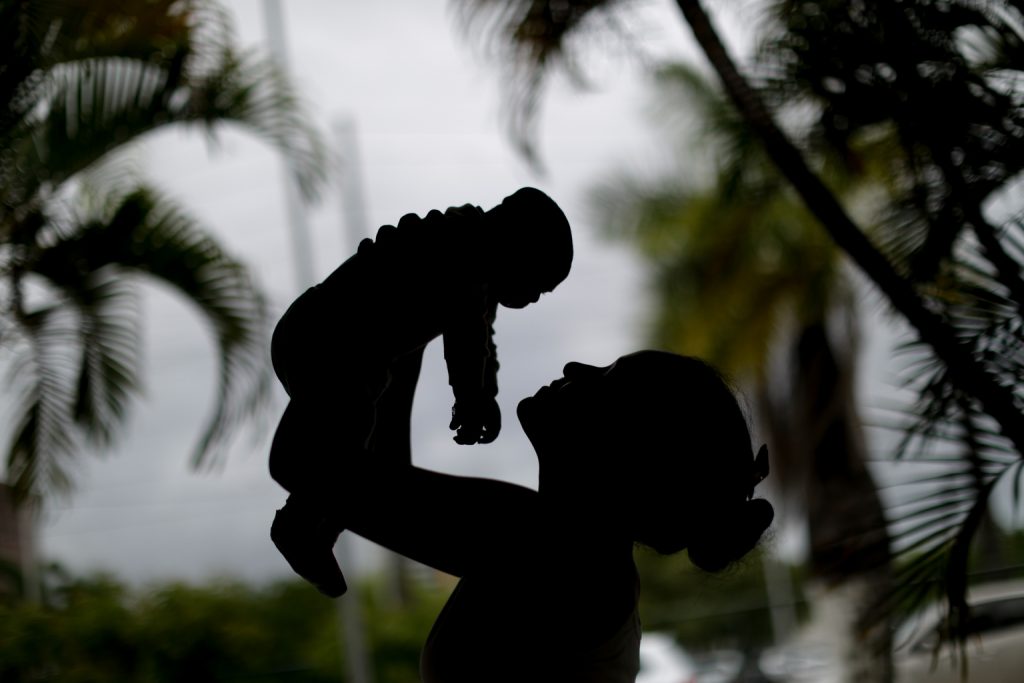
The complex and unprecedented characteristics of the Zika epidemic in Brazil demanded national and local coordination, the intersection of public policies (e.g., health, social assistance, education) and the creation of norms, procedures and protocols to attend the affected families.
The epidemic highlighted the difficult living conditions of many marginalised families and emphasised the complex and longstanding challenges involving public health, social development, infrastructure, access to water and sanitation, gender relations and reproductive rights. Besides, since its treatment requires costly treatment and daily care, it has increased vulnerabilities and social inequalities that affect the mothers and children infected by the virus.
This study is part of the set of projects supported by the ZIKAlliance Social Sciences Research Group, the Oswaldo Cruz Foundation, which was established to investigate various historical, social and political realms of the Zika epidemic in Brazil.
The study was conducted by researchers from the Public Policy area, the National School of Public Health, and the Fluminense Federal University to investigate the response of health and social assistance policies to the impacts of the epidemic, taking the case of the State of Rio de Janeiro.
Field report of three funded research projects: a) FINATEC, the University of Brasília Research Foundation (2016-2017); b) Pro-IC, the University of Brasília’s scientific initiation fund (2016-2019); and c) CNPq (2016- 2019).
The goals, activities and outcomes slightly changed and advanced.
A key aspect of saving lives during a disruptive infectious disease epidemic is the effective generation and use of contextual information and knowledge that can guide adaptive planning, decision-making and intervention. This report articulates how global health funders, as well as multilateral agencies, governments, public health institutes and universities, can improve global, regional and national level epidemic preparedness and response systems through a concerted strategy of investment in social science capacity, infrastructure, tools and durable systems.
Social science capacity has made some advance from where it was just a few years ago, when efforts were more ad hoc and fragmented; however, new projects are either short-term investments with limited reach or small initial investments, and they are not sufficiently integrated with existing epidemic preparedness and response systems. These need to be urgently leveraged and expanded upon, and supported with a similar level of investment to allied disciplines such as epidemiology,
Key considerations about bushmeat (meat derived from wild animals for human consumption) in the context of preparedness activities in South Sudan.
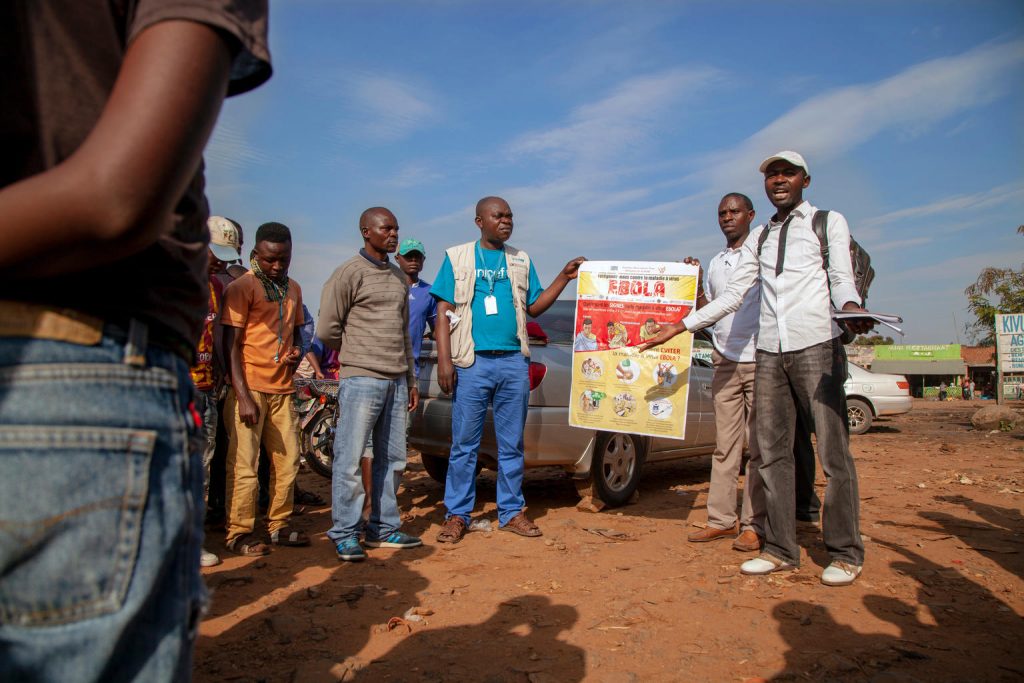
Summarising local media and messages circulating via social media outlets in February-April 2019 in the Beni and Butembo areas of North Kivu.
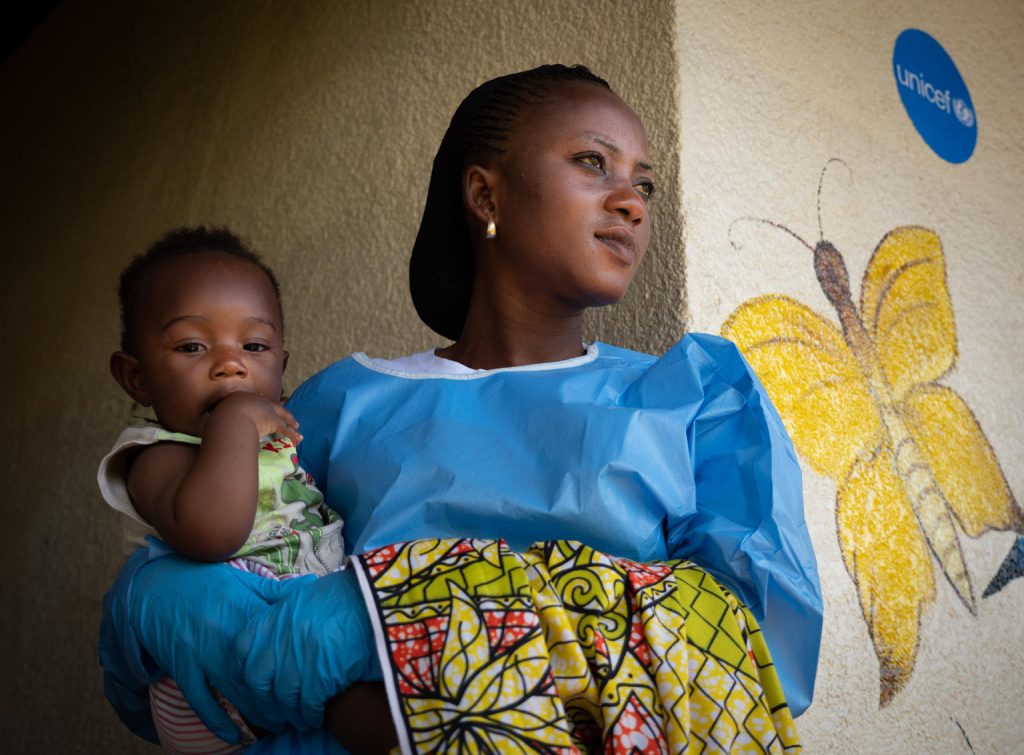
This report is for supervisors managing ongoing Ebola outbreaks, or working on preparedness and recovery activities in regions at risk of, or affected by, Ebola epidemics. It is based on rapid and intensive ethnographic field research in Equateur Province, Democratic Republic of Congo, undertaken less than a month after the epidemic was declared over in July 2018. The research comprised 60 separate open-ended, semi-structured interviews with local health workers, government officials and administrators, Ebola survivors and their families, community leaders, and national and international responders.
The overall finding of the report is that an Ebola epidemic, along with the way the response itself is conducted, can have significant social, psychological, economic, and health impacts for the communities involved. By providing a close, qualitative reportage on perceptions of the epidemic and the response in Equateur Province, the report aims to render tangible the social,
This report is for supervisors managing ongoing Ebola outbreaks, or working on preparedness and recovery activities in regions at risk of, or affected by, Ebola epidemics. It is based on rapid and intensive ethnographic field research in Equateur Province, Democratic Republic of Congo, undertaken less than a month after the epidemic was declared over in July 2018. The research comprised 60 separate open-ended, semi-structured interviews with local health workers, government officials and administrators, Ebola survivors and their families, community leaders, and national and international responders.
The overall finding of the report is that an Ebola epidemic, along with the way the response itself is conducted, can have significant social, psychological, economic, and health impacts for the communities involved. By providing a close, qualitative reportage on perceptions of the epidemic and the response in Equateur Province, the report aims to render tangible the social,
This report is for supervisors managing ongoing Ebola outbreaks, or working on preparedness and recovery activities in regions at risk of, or affected by, Ebola epidemics. It is based on rapid and intensive ethnographic field research in Equateur Province, Democratic Republic of Congo, undertaken less than a month after the epidemic was declared over in July 2018. The research comprised 60 separate open-ended, semi-structured interviews with local health workers, government officials and administrators, Ebola survivors and their families, community leaders, and national and international responders.
The overall finding of the report is that an Ebola epidemic, along with the way the response itself is conducted, can have significant social, psychological, economic, and health impacts for the communities involved. By providing a close, qualitative reportage on perceptions of the epidemic and the response in Equateur Province, the report aims to render tangible the social,
This report is for supervisors managing ongoing Ebola outbreaks, or working on preparedness and recovery activities in regions at risk of, or affected by, Ebola epidemics. It is based on rapid and intensive ethnographic field research in Equateur Province, Democratic Republic of Congo, undertaken less than a month after the epidemic was declared over in July 2018. The research comprised 60 separate open-ended, semi-structured interviews with local health workers, government officials and administrators, Ebola survivors and their families, community leaders, and national and international responders. The overall finding of the report is that an Ebola epidemic, along with the way the response itself is conducted, can have significant social, psychological, economic, and health impacts for the communities involved. By providing a close, qualitative reportage on perceptions of the epidemic and the response in Equateur Province, the report aims to render tangible the social,
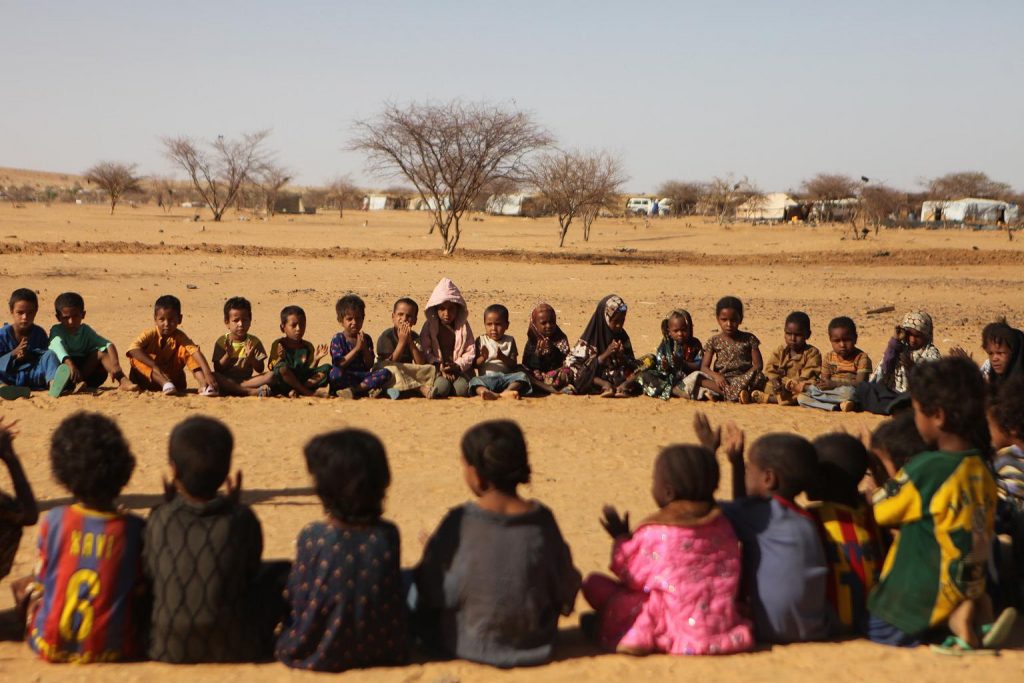
This Key Considerations brief concerns cross-border dynamics between Rwanda and DRC, including cross-border relations and political and economic dynamics.
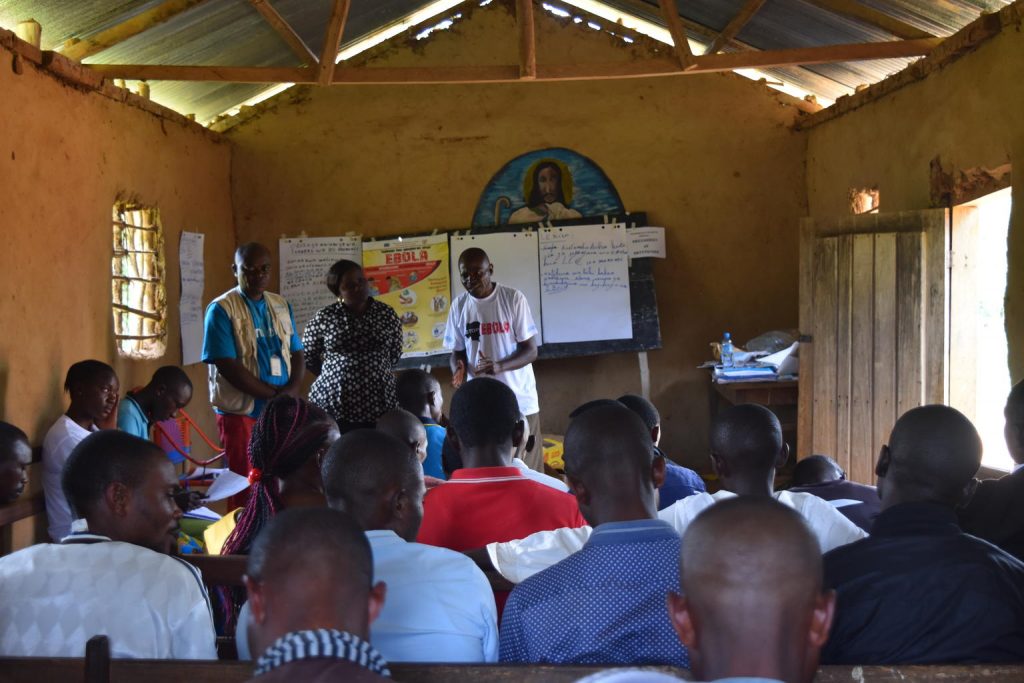
The current outbreak of Ebola in eastern DR Congo, beginning in 2018, emerged in a complex and violent political and security environment. Community-level prevention and outbreak control measures appear to be dependent on public trust in relevant authorities and information, but little scholarship has explored these issues. The authors aimed to investigate the role of trust and misinformation on individual preventive behaviours during an outbreak of Ebola virus disease (EVD).
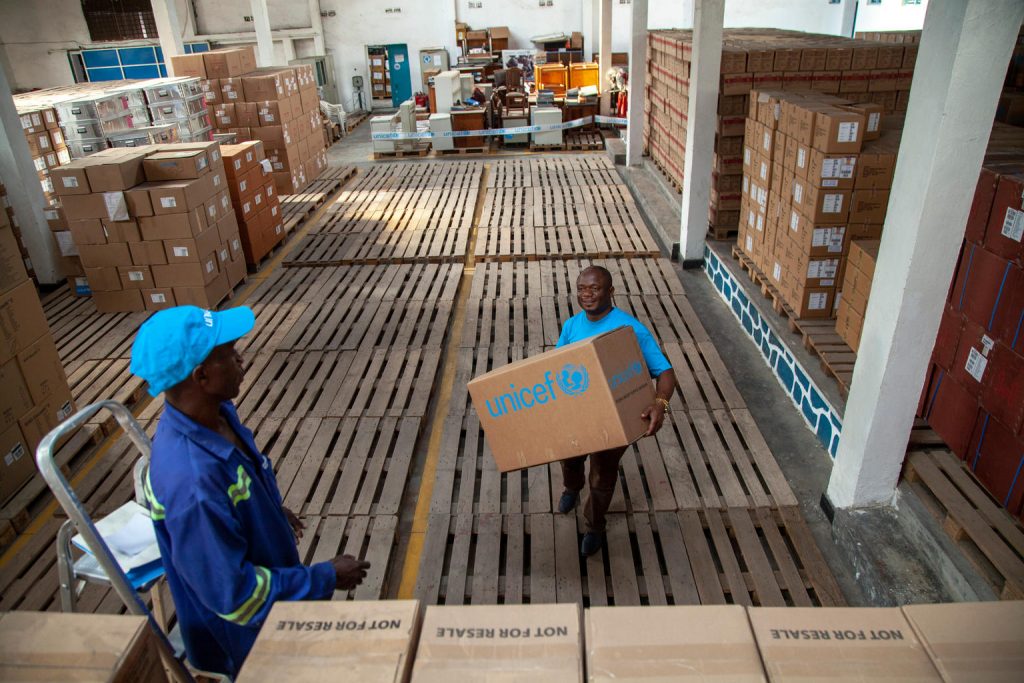
Key considerations for Goma’s local social and political structures.
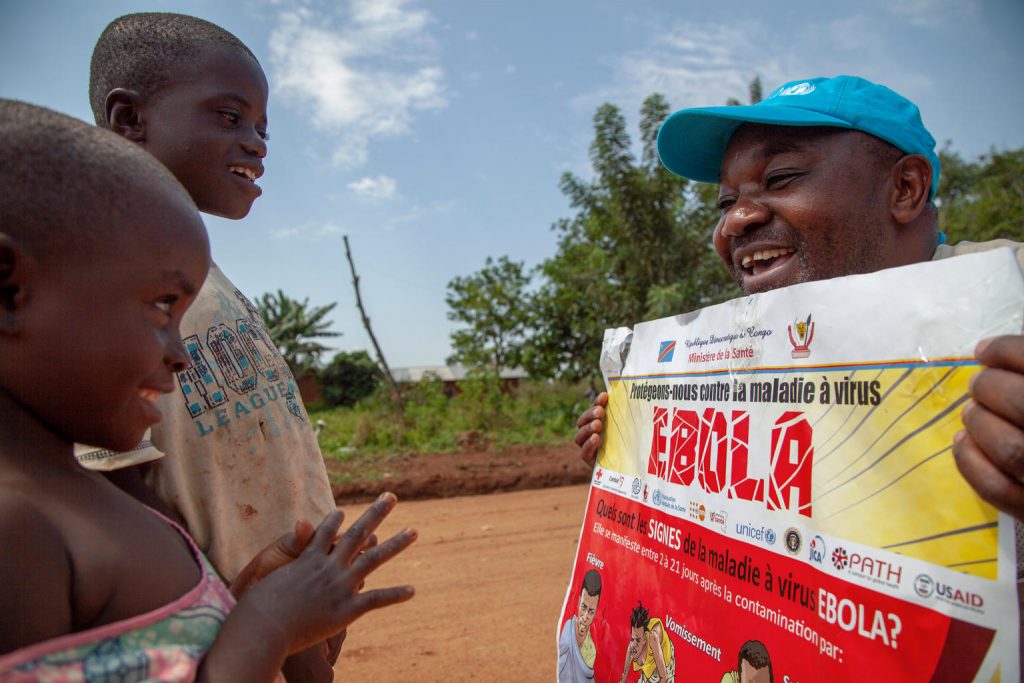
Until the 2014 Ebola epidemic in West Africa, Ebola outbreaks had been sporadic, small, and largely confined to isolated rural villages in Central Africa. But the 2014 epidemic broke all the rules and killed more than 15,000 people; since then, more outbreaks have been reaching larger urban centers, sometimes resulting in uncontrolled spread. The current epidemic in the Democratic Republic of Congo (DRC) has triggered a massive international response, which has been met by violence, culminating in attacks at the end of February that partially destroyed Ebola treatment units in the regional hub of Butembo and its township, Katwa. This area is the epicenter of the epidemic, which is likely to be fueled by any breakdown of isolation and treatment efforts.
Are these urban flares the new norm? What might the ebb and flow of intervention and violence bode for future epidemics?
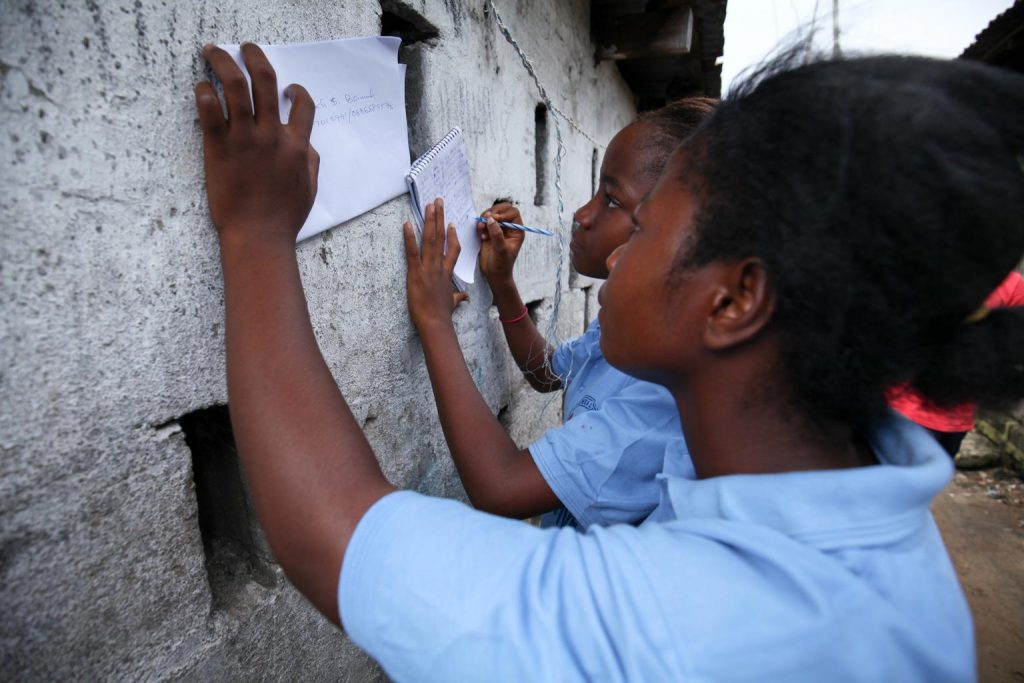
A rapid compilation of data analyses for November 2018-February 2019 in the context of the Ebola outbreak in North Kivu and Ituri provinces.
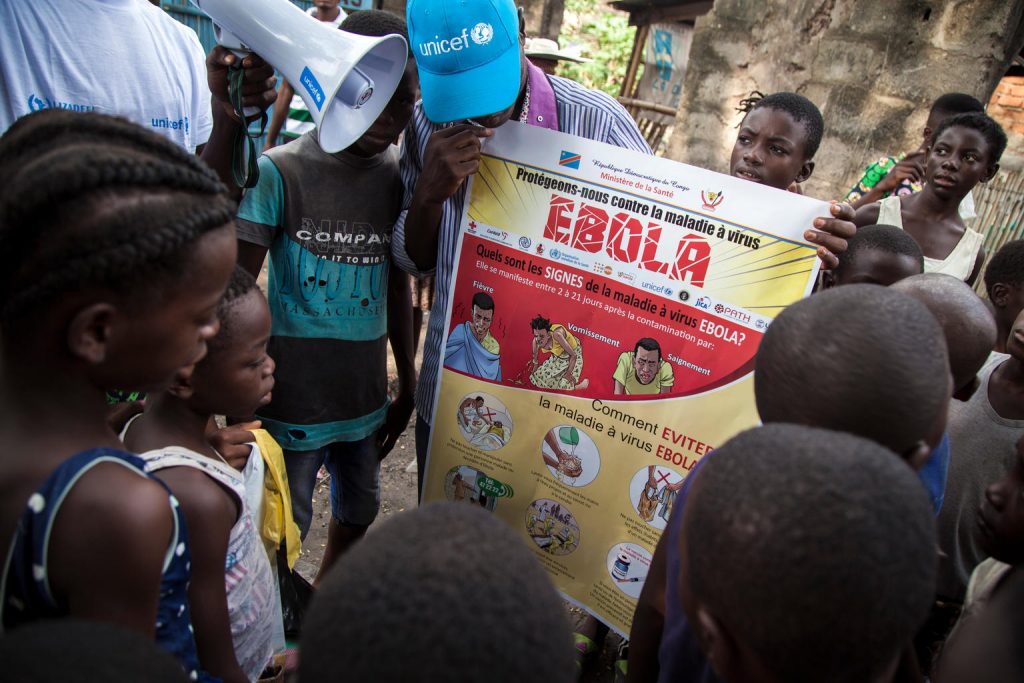
Since July 2013, a series of massacres have occurred in the Beni territory of North Kivu province, Democratic Republic of Congo, an area heavily affected by the current Ebola outbreak. More than 1,000 civilians have been killed and tens of thousands have been displaced (Congo Research Network, 2016, 2017). The kidnappings and mass killings transformed Beni from an area of relative calm to a violent hotspot. What has been historically troubling about these armed attacks is the lack of knowledge surrounding them.
With the constant shifting of political alliances, the emergence of new armed groups and political scapegoating, the identity and motives of perpetrators remain highly ambiguous and contested. In the face of this complexity, civilians are left with the constant fear of being killed, kidnapped, or conscripted. In addition, tensions between the government and ethnic groups in the region have further intensified people’s mistrust in state institutions and activities.
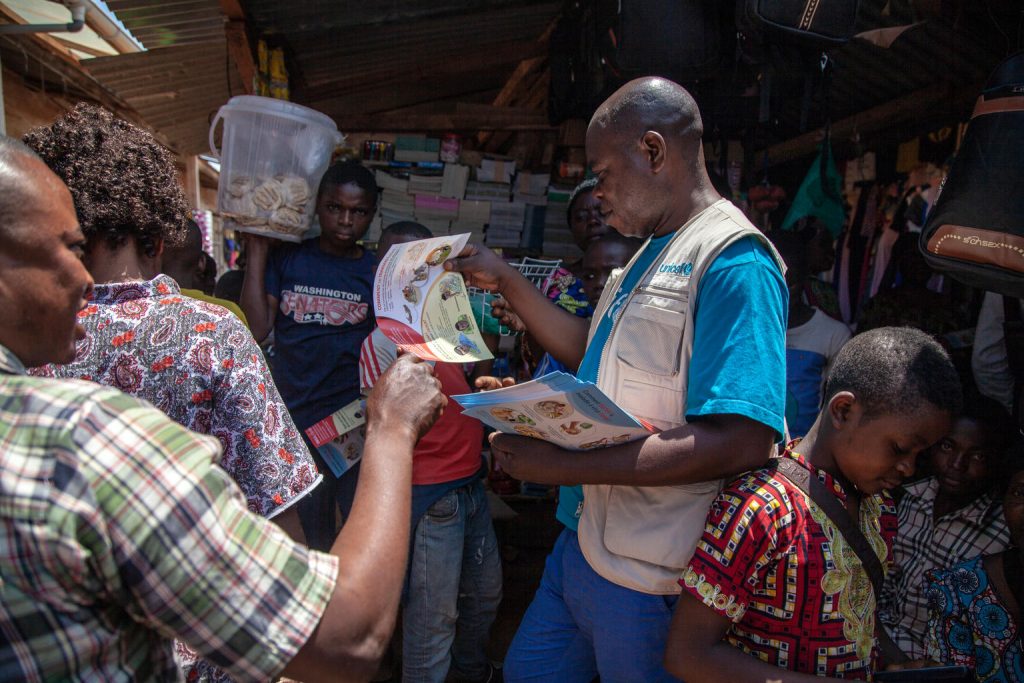
In this ‘Social Science in Epidemics’ series, different aspects of past disease outbreaks are reviewed in order to identify social science ‘entry points’ for preparedness and response activities. This brief draws out some recommendations for Ebola response actors in North Kivu.
It includes lessons learned primarily from (i) historical outbreaks in Congo; (ii) outbreaks in Uganda in 2000-01 and 2012; (iii) the 2014-2016 West African epidemic; (iv) the outbreak in Equateur Province in DRC (May- July 2018), and (v) the ongoing outbreak in North Kivu and Ituri Provinces in DRC (August 2018 – ongoing).
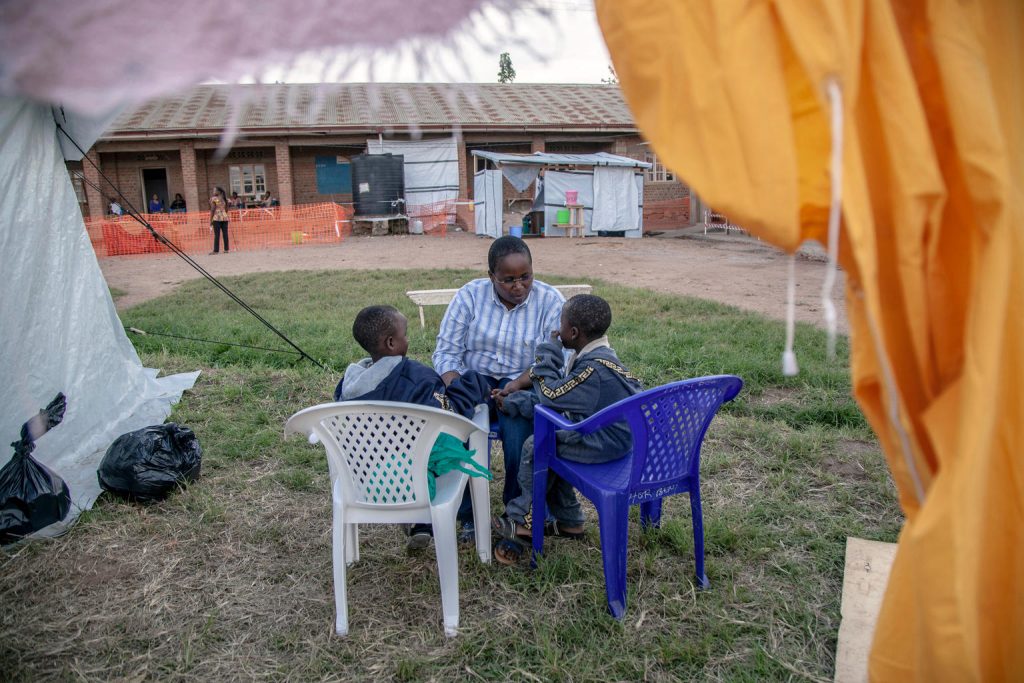
Trust is an essential component of successful cooperative endeavours. The global health response to the 2014–2016 West Africa Ebola outbreak confronted historically tenuous regional relationships of trust. Challenging sociopolitical contexts and initially inappropriate communication strategies impeded trustworthy relationships between communities and responders during the epidemic. Social scientists affiliated with the Ebola 100-Institut Pasteur project interviewed approximately 160 local, national and international responders holding a wide variety of roles during the epidemic. Focusing on responder’s experiences of communities’ trust during the epidemic, this qualitative study identifies and explores social techniques for effective emergency response. The response required individuals with diverse knowledges and experiences.
Responders’ included on-the-ground social mobilisers, health workers and clinicians, government officials, ambulance drivers, contact tracers and many more. We find that trust was fostered through open, transparent and reflexive communication that was adaptive and accountable to community-led response efforts and to real-time priorities.
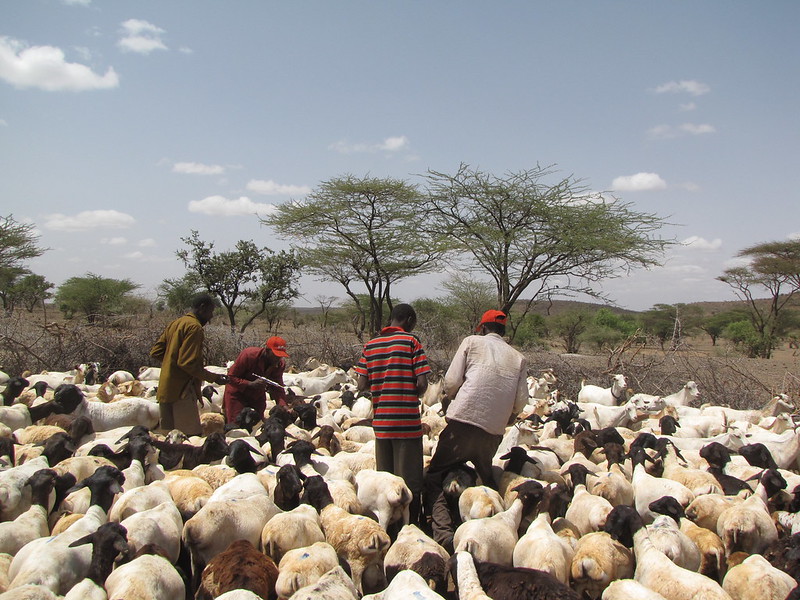
Summary and background reports offering recommendations on risk communication and local frameworks among other topics.
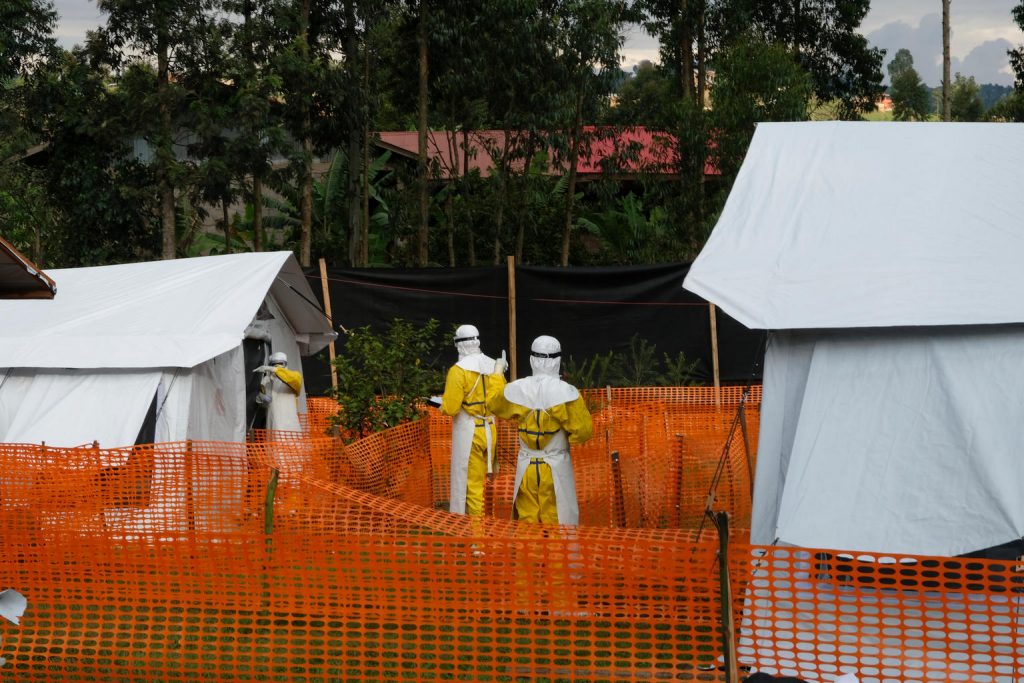
Summary and background reports exploring transmission, surveillance and other aspects of outbreaks.
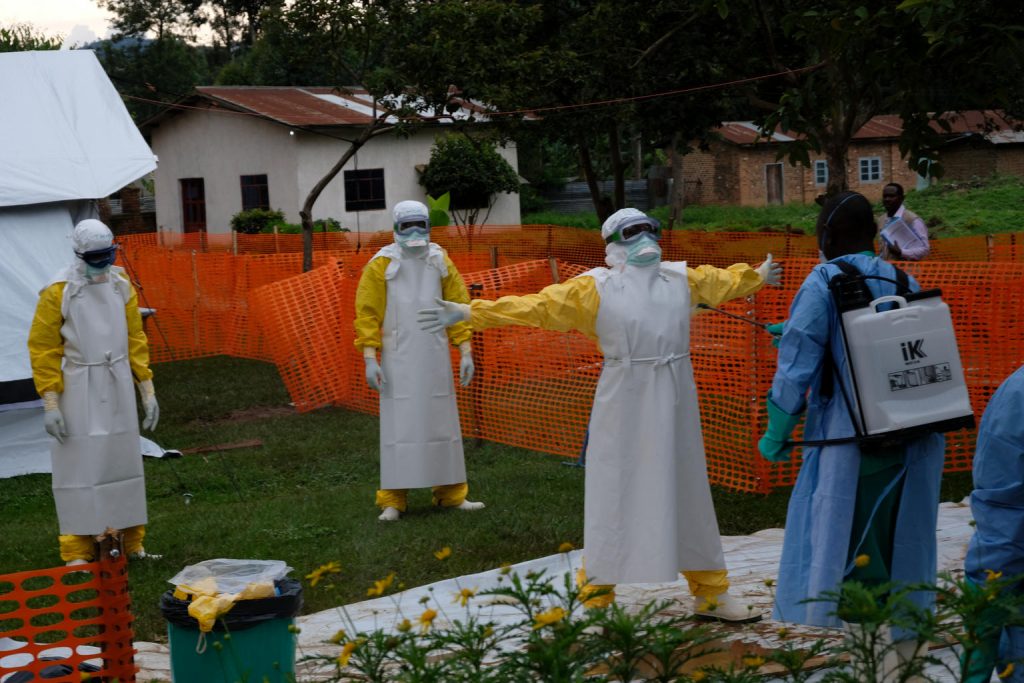
The third in a series of reviews of outbreaks seeking to identify social science ‘entry points’ for emergency interventions and preparedness activities. In French and Chinese as well as English.
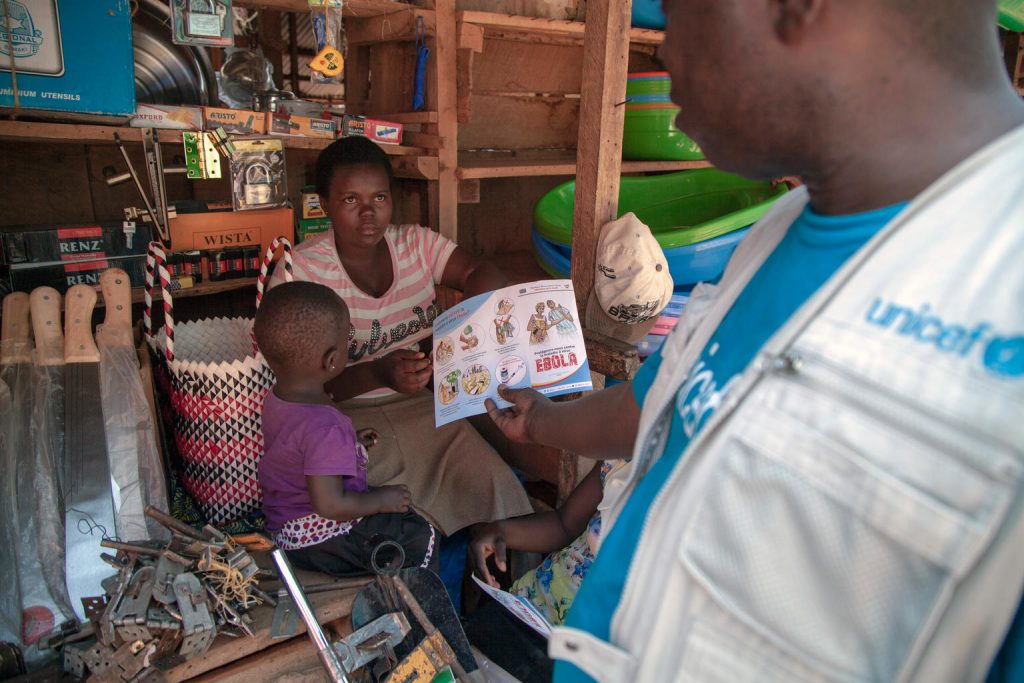
Ebola provokes fear in communities due to the severity of the symptoms, misunderstanding of the causes, the high number of deaths and control measures that are often perceived as intrusive and interfering with local social, cultural and religious practices.
Misinformation, mistrust of outsiders and conspiracy theories have spread quickly across North Kivu and Ituri. Communities have expressed a rational distrust born of decades of violence and displacement, along with unfamiliarity with the disease and with response activities.
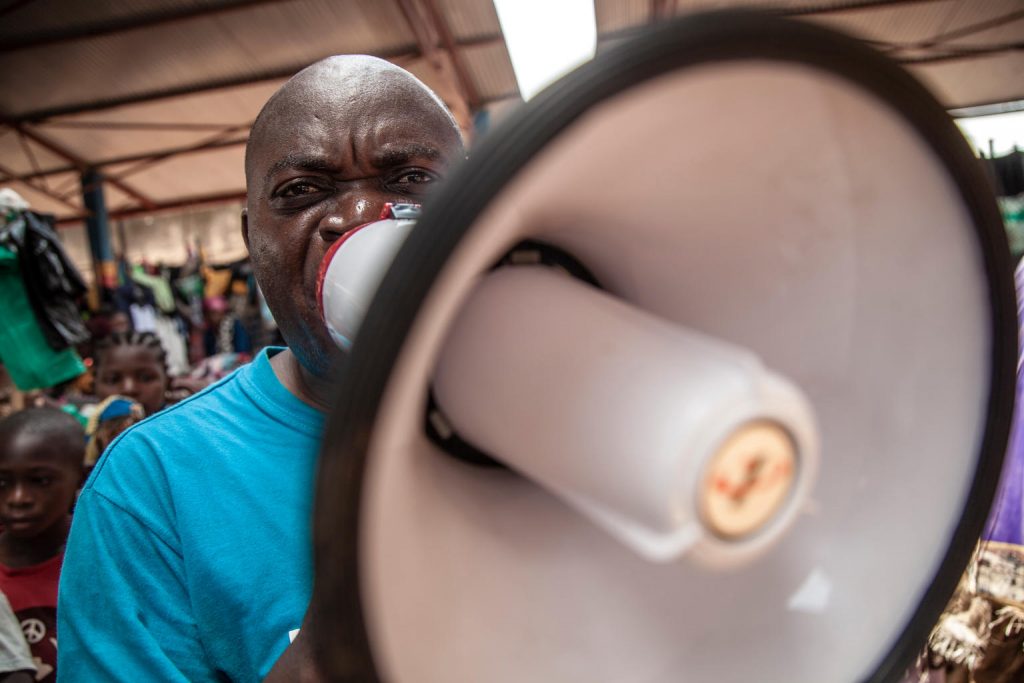
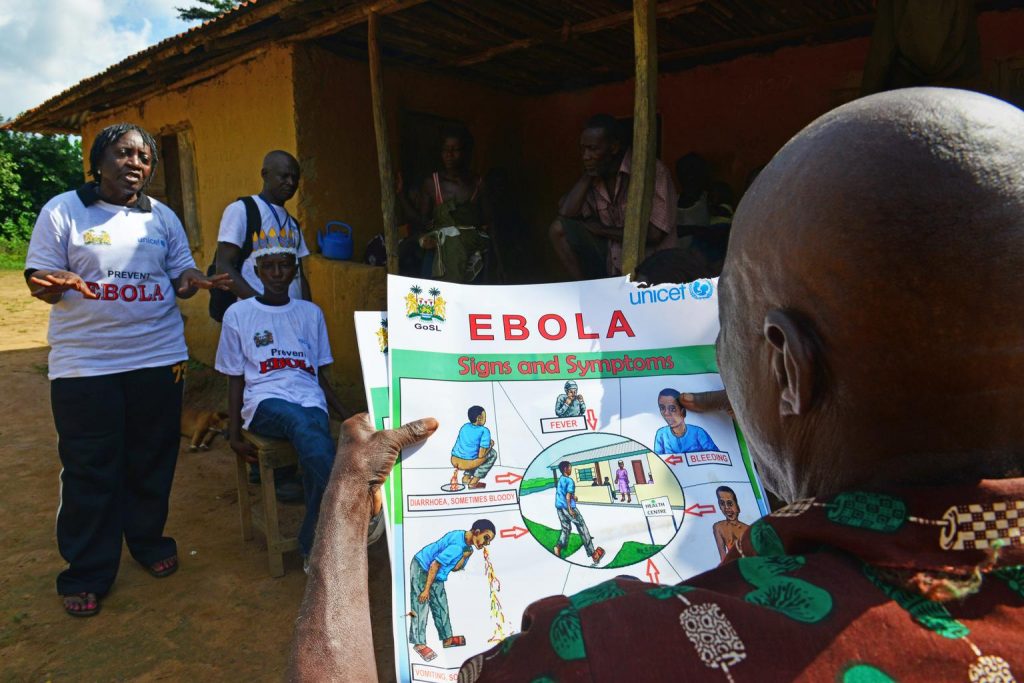
Circulating around the globe during the 2014-15 Ebola outbreak in West Africa were bold and sensationalistic headlines such as “Killer Virus”, “Ebola Here!” and “Burn dead bodies.” Along with such stark and shocking headlines were images of health providers sealed (concealed) within personal protective equipment (PPE), people following in the footsteps of every suspected case sparying disinfectant, and sick, suffering or dead bodies splayed out in public or whisked off in the most degrading manner as a sense of panic and hysteria overrode social conventions.
Sensationalistic statements and visual provocations coming from TV and other media filled people with dread and played on people’s anxieties of a disease with dramatic symptoms, with high death rates, and certainly no cure. Given these impressions—ones that linger in the mind long after the crisis has passed and ones that conjure up everything else dreadful and horrific—it is hard to consider Ebola Virus Disease (EVD) as anything other than exotic,
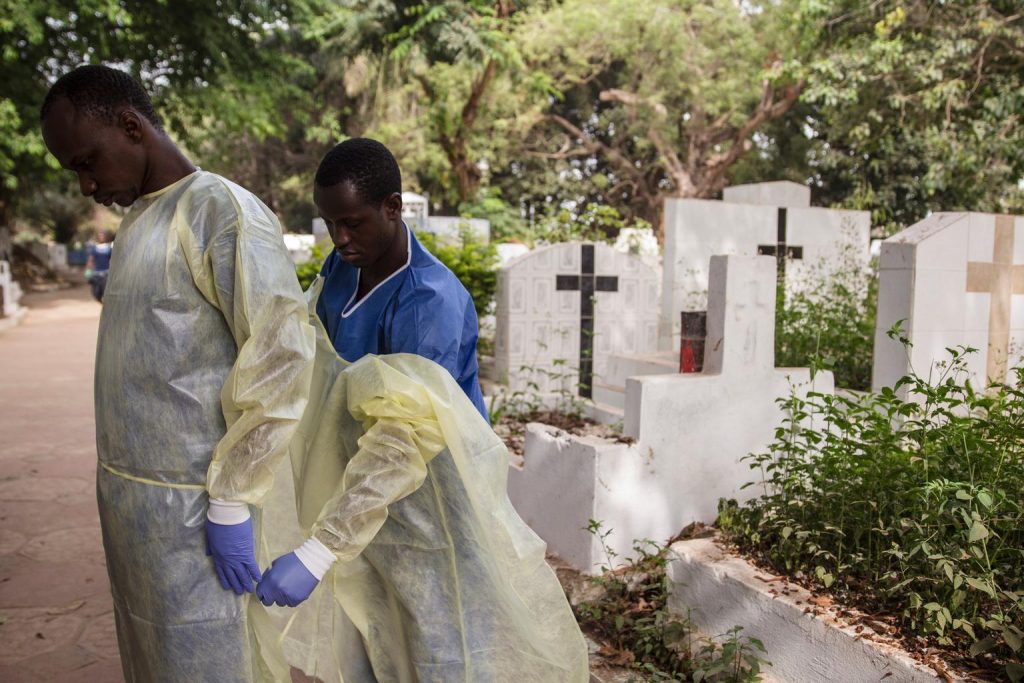
Although social scientists have long worked in public health emergencies, the value of including social science intelligence in response strategies became highly visible during the epidemic of Ebola virus disease (EVD) in West Africa in 2014–2016. The key application of social science is to contextualise the response, which should be done in 2 ways.
First, by understanding important features of the local context and how they directly influence the strategy and overall response.
Second, by adapting “standard” components of the response to the local context (e.g. safe and dignified burials, community engagement) to ensure that they are acceptable and appropriate for the affected population. Such work supports timely uptake of response interventions, reduces fear and potential resistance and ultimately contributes to stopping transmission of the virus.
At the time of the 2014–2015 Ebola Virus Disease (EVD) outbreak, Liberia was still recovering from years of civil war and unrest. The country’s infrastructure was very poor, especially in rural regions, where people could not easily travel because of the lack of adequate roads. Liberia’s health system was also weakened by the civil war, leaving health facilities struggling to respond to the EVD outbreak effectively.
There was a lack of basic drugs and medical supplies, as well as the disenchantment of low-paid health workers. In fact, health workers had planned a strike right when the Ebola virus hit. Another challenge was that health workers often lived very long distances away from the health facilities.
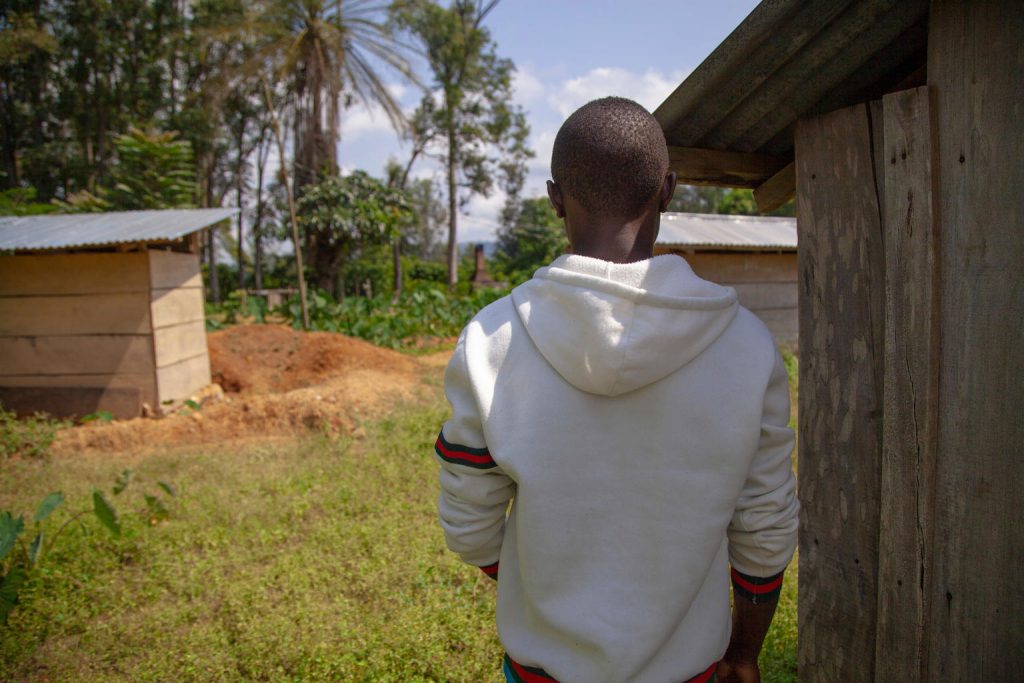
This brief summarises key considerations concerning cross-border dynamics between Uganda and DRC, including surveillance and community engagement.
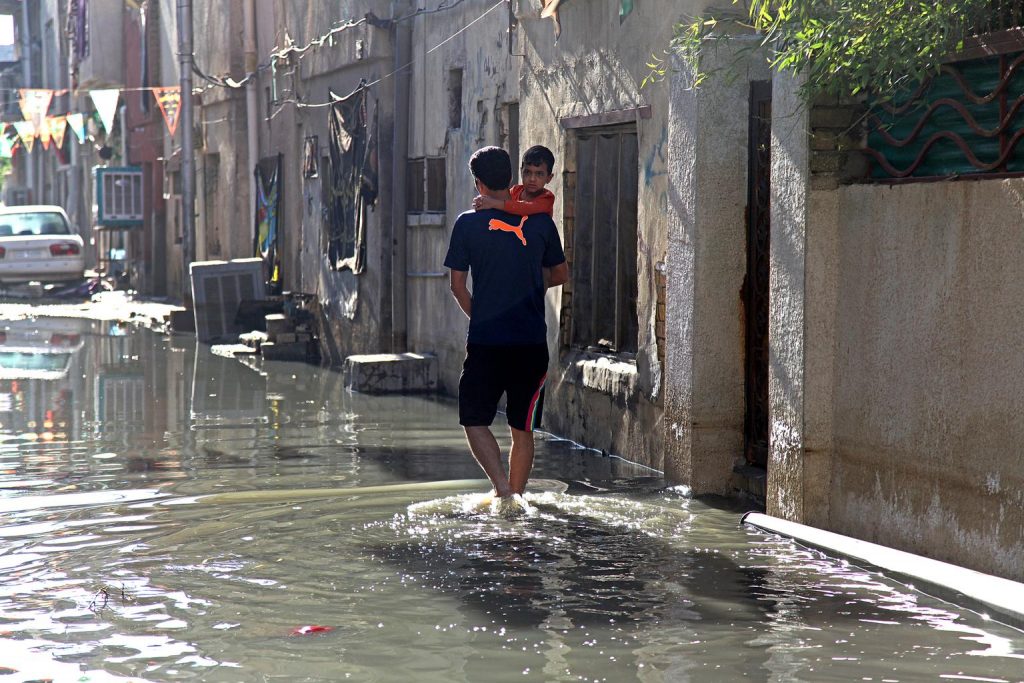
This report is the first instalment of the ‘Social Science in Epidemics’ series, commissioned by the USAID Office of U.S. Foreign Direct Assistance (OFDA). In this series, past outbreaks are reviewed in order to identify social science ‘entry points’ for emergency interventions and preparedness activities.
The aim is to determine tangible ways to address the social, political and economic dynamics of epidemics and to ensure that interventions build on the social and cultural resources of the communities they aim to support. This report explores lessons about the social dimensions of past and recent Cholera epidemics.
La crisis política y económica en Venezuela ha transformado al país desde 2010 de un país receptor de inmigrantes a un país emisor de emigrantes. Más de 4,000 venezolanos ingresan a Ecuador cada día, y actualmente la población de venezolanos en el Ecuador es de medio millón. Muchos de estos refugiados o migrantes están en situación de vulnerabilidad, siendo un 40% de la población en situación de movilidad niños o niñas (Espana, 2018). UNICEF calcula que unos 438,000 menores venezolanos están en necesidad de asistencia (UNICEF, 2018).
A pesar de que el estado Ecuatoriano está facilitando la movilidad y acogida de estos refugiados y migrantes, ha habido múltiples casos de xenofobia y discriminación hacia venezolanos en el país. UNICEF Ecuador, en conjunto con el programa “niños desarraigados” de UNICEF, está construyendo una estrategia de comunicación y de participación pública para complementar las acciones de apoyo a migrantes en terreno.
Summary and background reports offering recommendations on local customs, health care systems and other topics.
A rapid compilation of data analyses for November 2018 in the context of the Ebola outbreak in North Kivu and Ituri provinces.
Literature on cultural practices for burial and care for the sick among individual ethnic groups in South Sudan was very limited. However, it clearly points to the importance of proper burials among all ethnic groups: these typically entail washing the body of the deceased; it can take several days before burial takes place; and graves are often located within or close to family homesteads. South Sudan is incredibly diverse with over 60 different ethnic groups, within each of which there are further subdivisions. The largest ethnic group, the Dinka, for example, are divided into at least 25 ethnic sub-groups that each have their own distinct cultural practices, dialects and traditions (Cultural Atlas, n.d.). Given the exceptional diversity of the social landscape of South Sudan, it is perhaps not surprising that there is a dearth of literature on the cultural practices of individual ethnic groups.
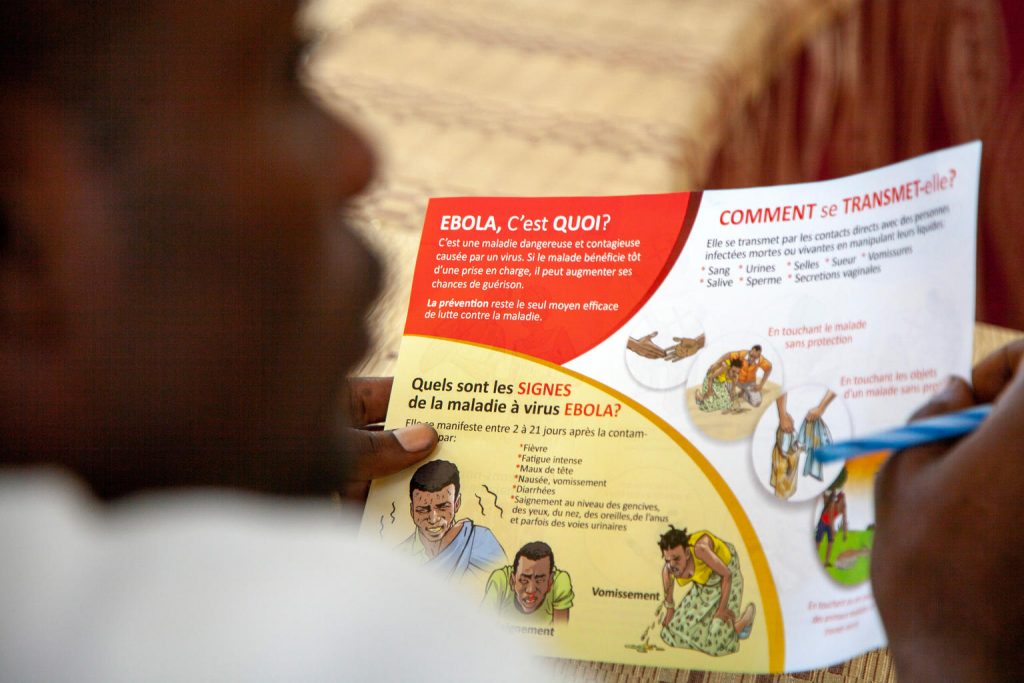
This review focuses on the evidence on Ebola preparedness in South Sudan through an anthropological lens, looking at informal and traditional health care systems.
It presents the evidence on how these can be utilised for surveillance, behaviour change communication, and vaccinations in the case of an Ebola outbreak, including: establishing surveillance of these services and how healers would be able to provide alerts about possible cases in the event of an Ebola outbreak in South Sudan; evidence on how to provide information to traditional healers on how they can protect themselves from infection using simple methods, and to stop them becoming ‘superspreaders’ of the virus, and how to potentially vaccinate or provide information on vaccines to these healers alongside other health workers.
The main linguistic groupings and ethnic groups that are predominant in areas considered to be at highest risk of Ebola outbreak in South Sudan are: Zande,
