




Résultats des études dans la province de l’Equateur auprès des communautés et du personnel de santé sur les perceptions et les comportements liés à Ebola.
Perceptions et Comportements Liés À Ebola
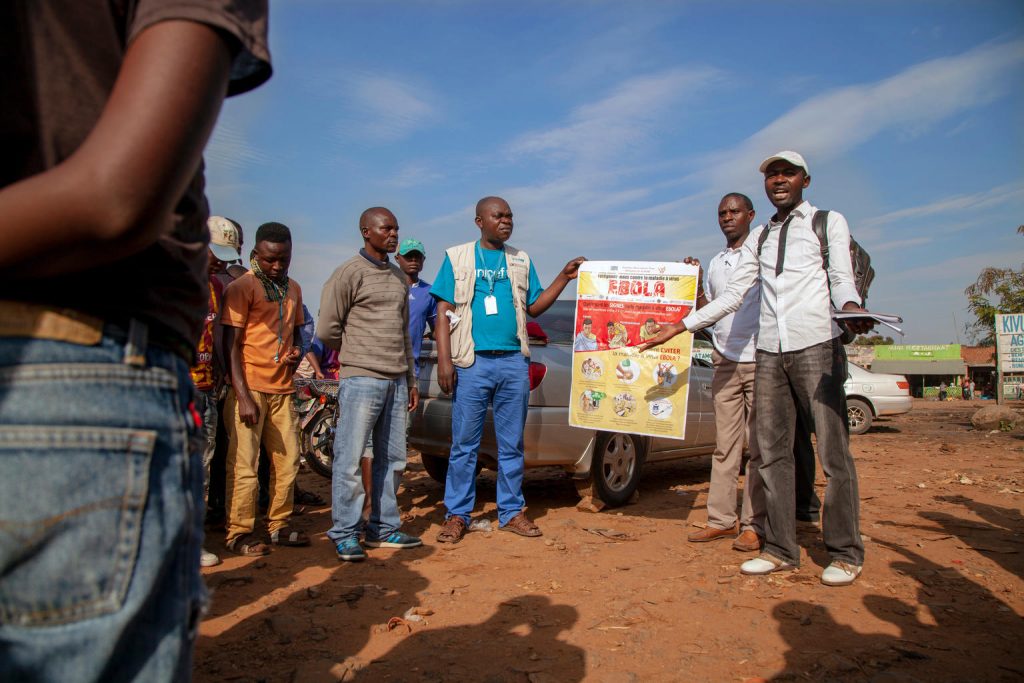
Résultats des études dans la province de l’Equateur auprès des communautés et du personnel de santé sur les perceptions et les comportements liés à Ebola.
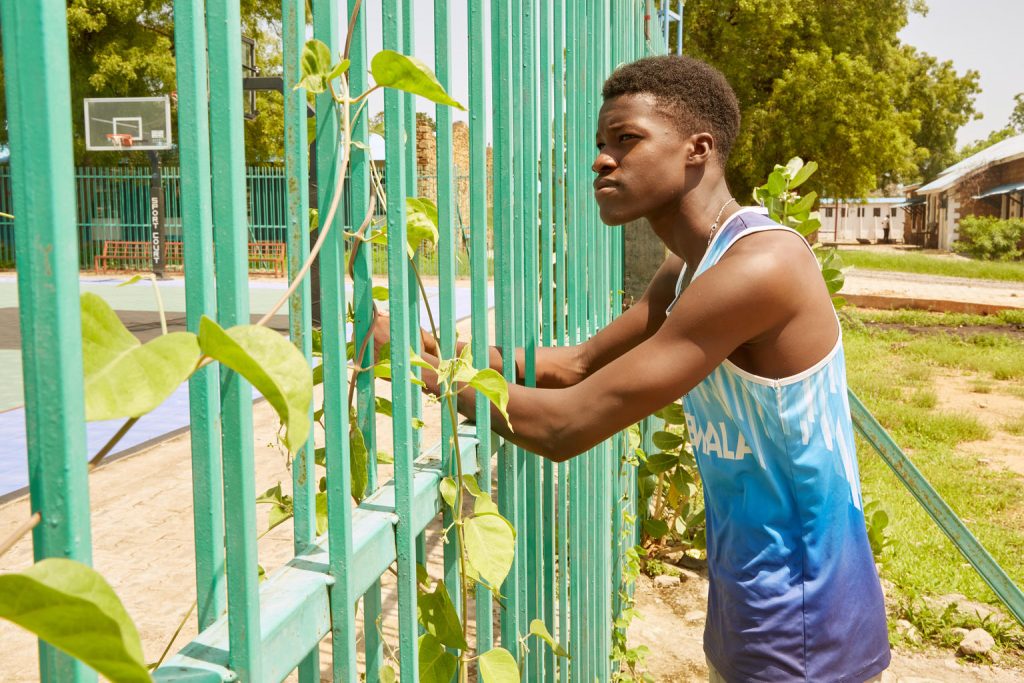
Key considerations for risk communication and community engagement strategies
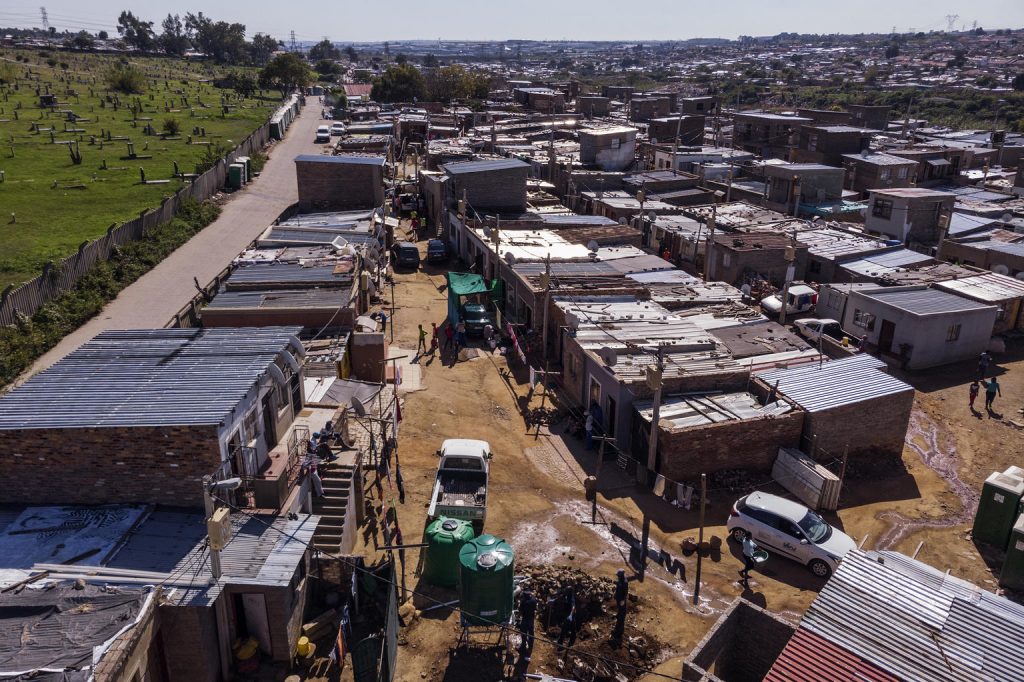
Reflections on the socioeconomic impacts of COVID-19 in LMICs
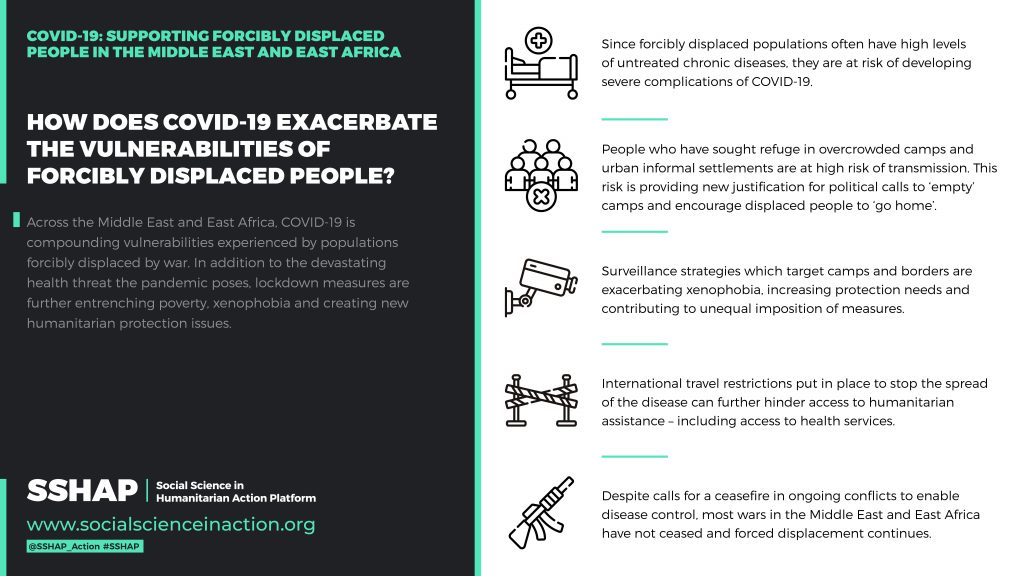
COVID-19 is compounding vulnerabilities experienced by populations forcibly displaced by war
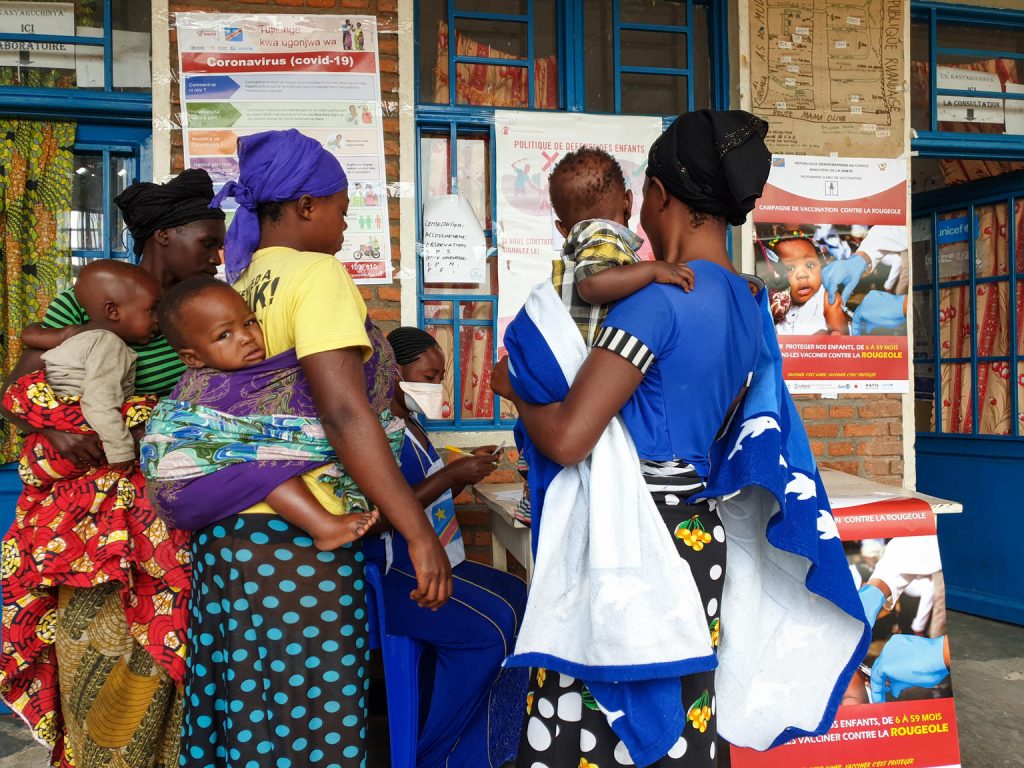
Une étude sur les options de protection des personnes vulnérables à domicile
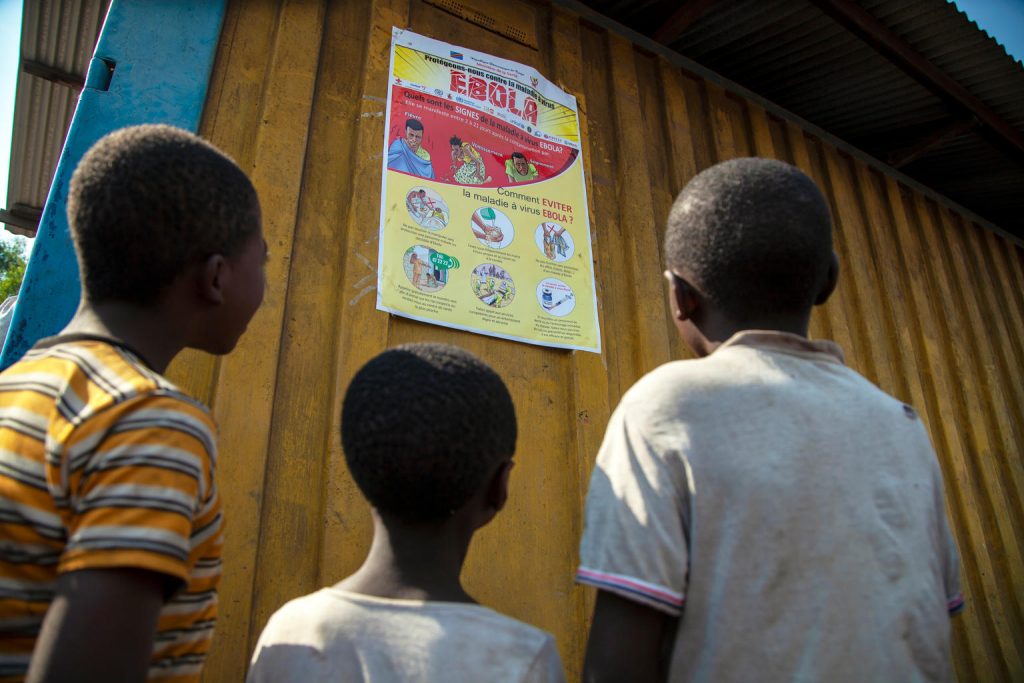
Évidences pour soutenir le MSP et les acteurs qui répondent à la 11ème épidémie d’Ebola en RDC
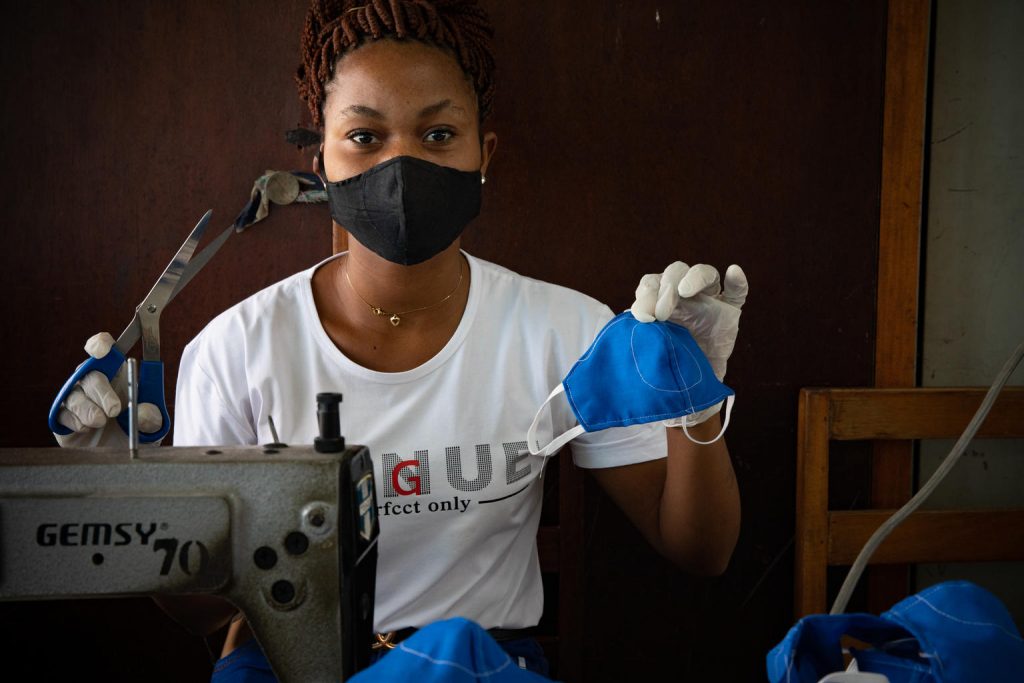
Une étude longitudinale sur les impacts secondaires des mesures COVID en Kinshasa
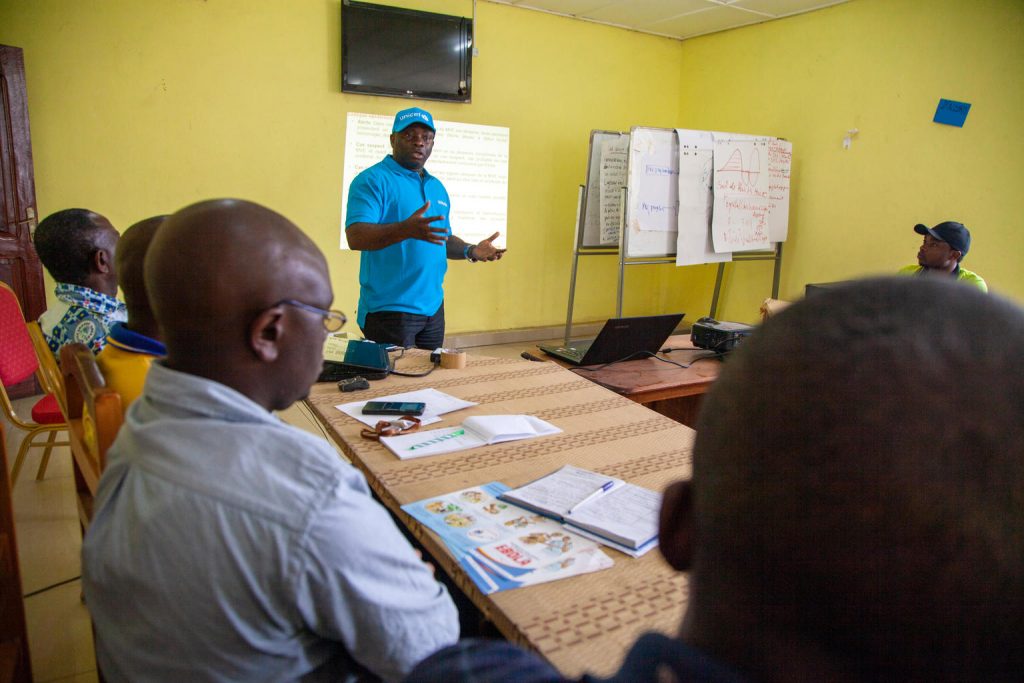
This brief supports easy-to-access tools, best practice and practical examples for the use of HCW surveys in humanitarian contexts.
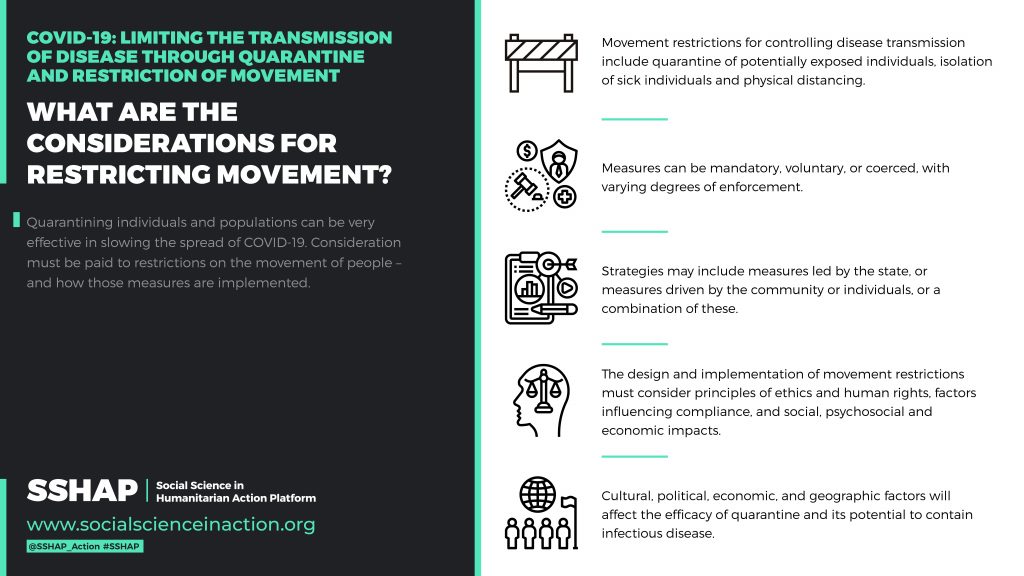
Quarantining individuals and populations can be very effective in slowing the spread of COVID-19.
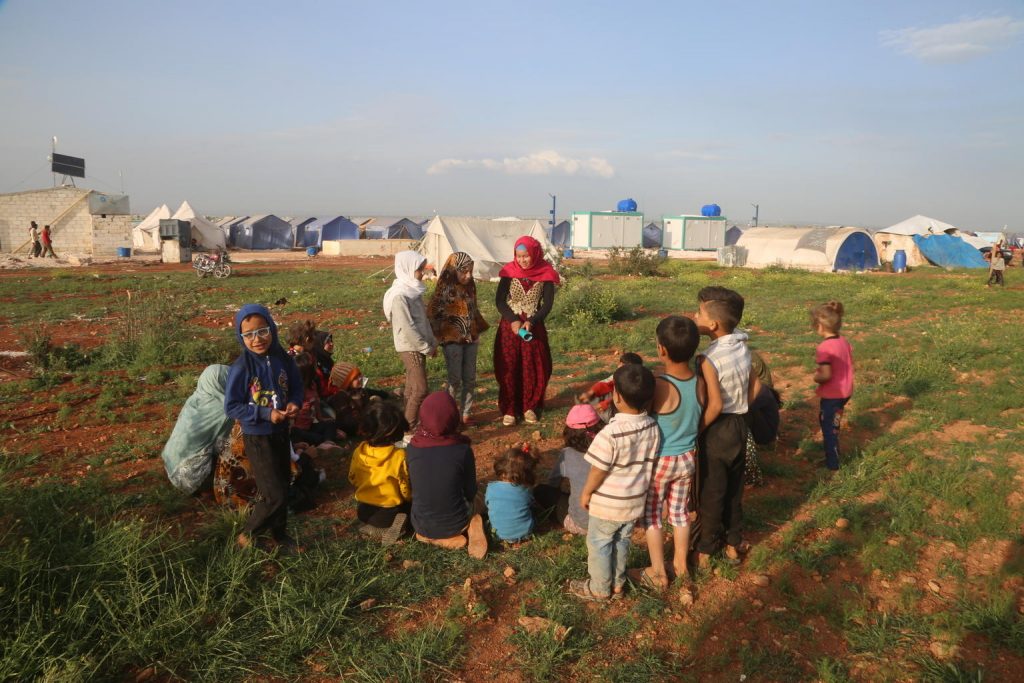
How is the pandemic accentuating existing vulnerabilities of populations forcibly displaced by war?
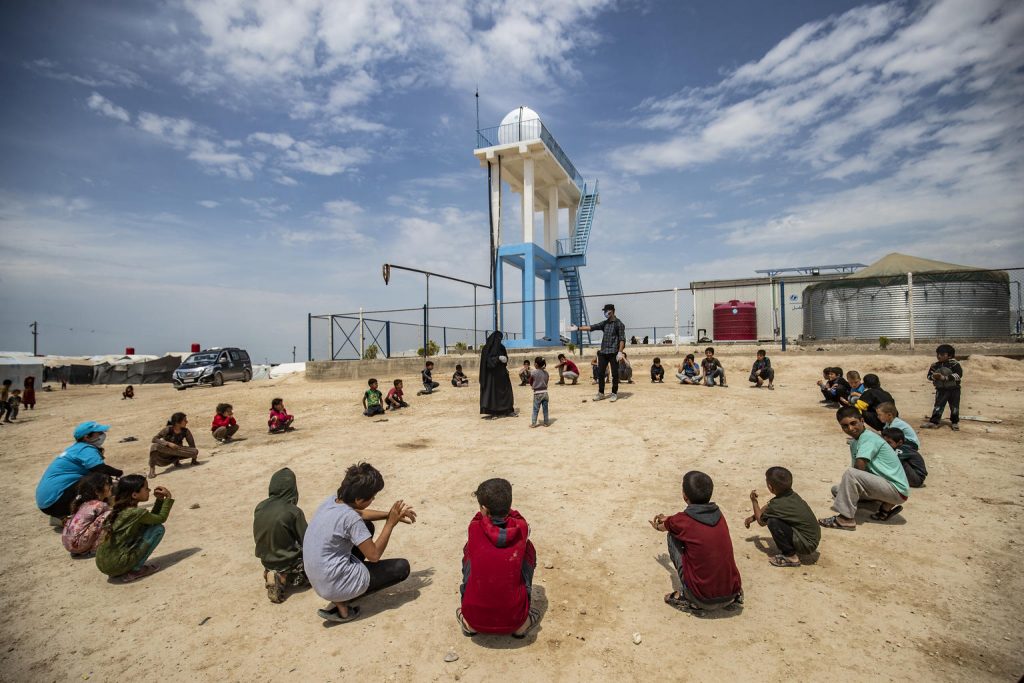
Summary including collaborating with local groups and adopting holistic approaches.
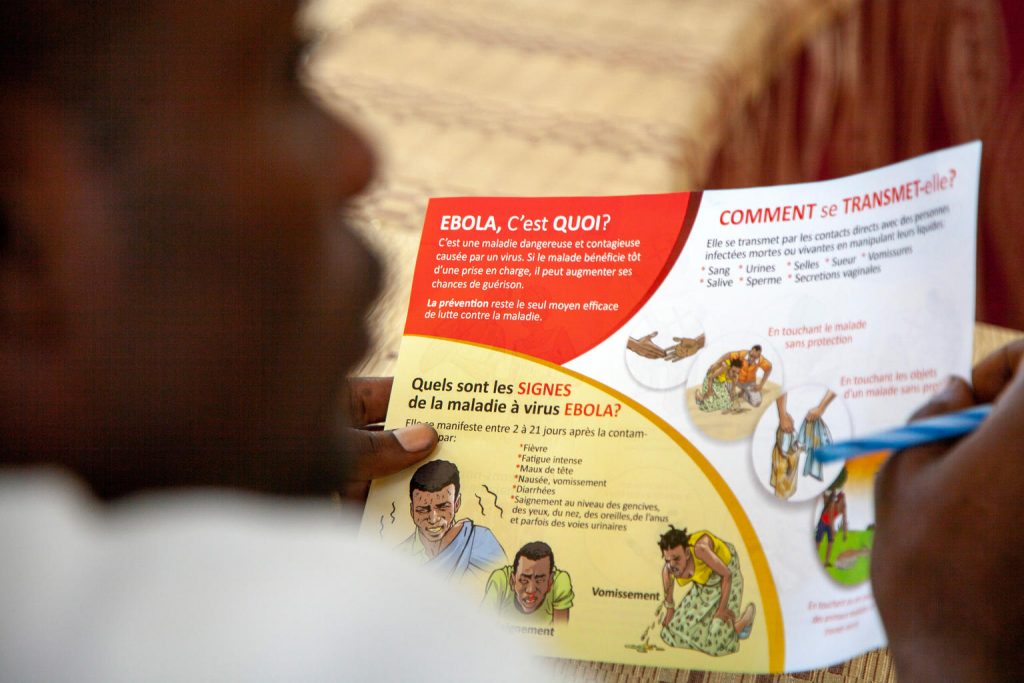
A report exploring the nature of the response, including areas of excellence and suggestions for improvement.
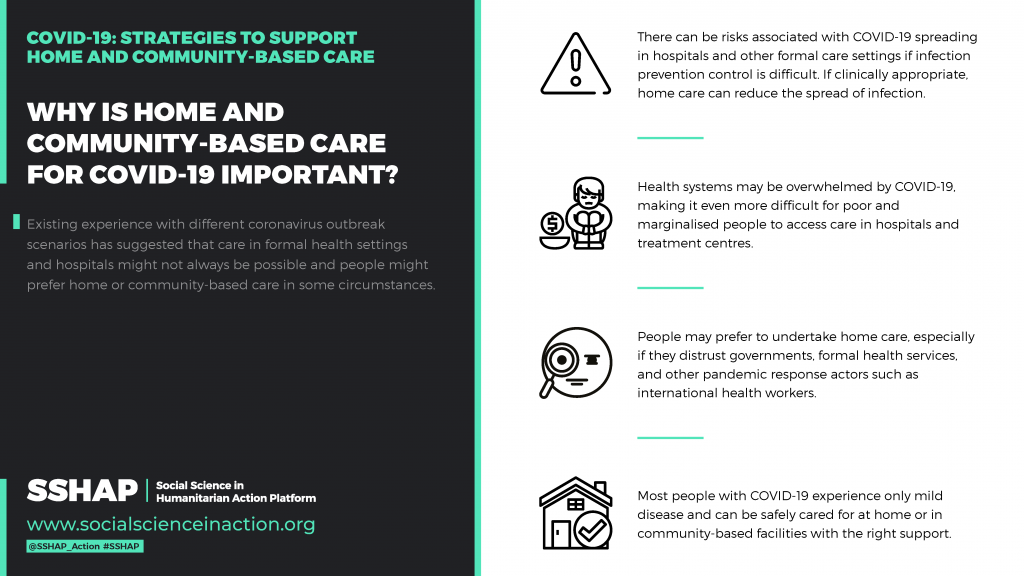
Why is home and community-based care important?
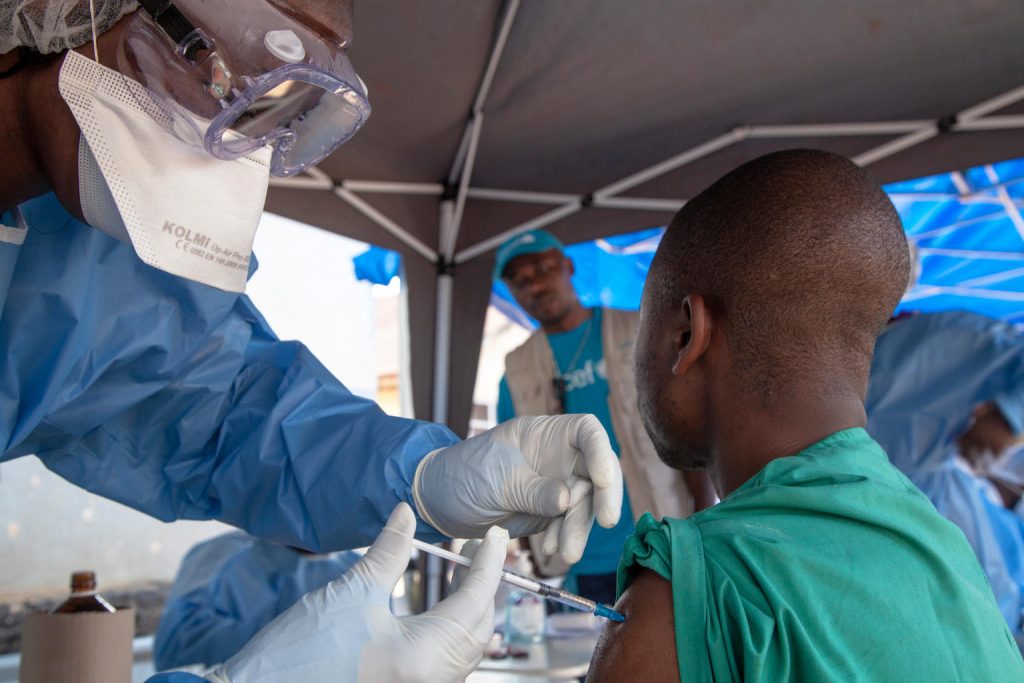
This Practical Approaches brief can be used to gain social science inputs in vaccine deployment efforts to provide practical solutions to recurring challenges, including vaccine refusal.
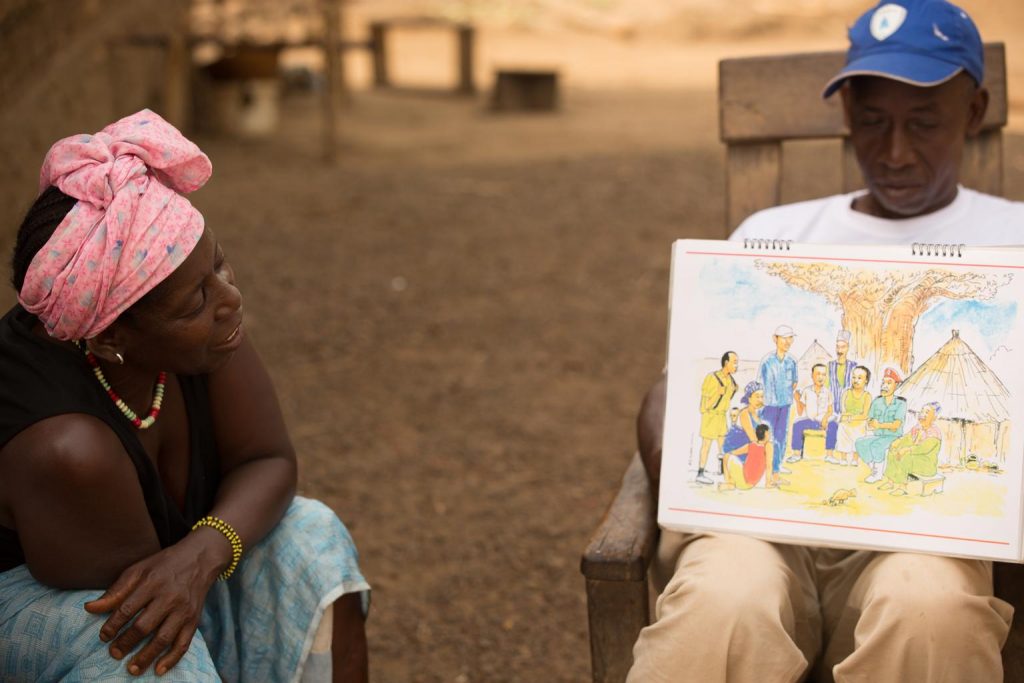
This Practical Approaches brief looks at how to identify health-seeking behaviours
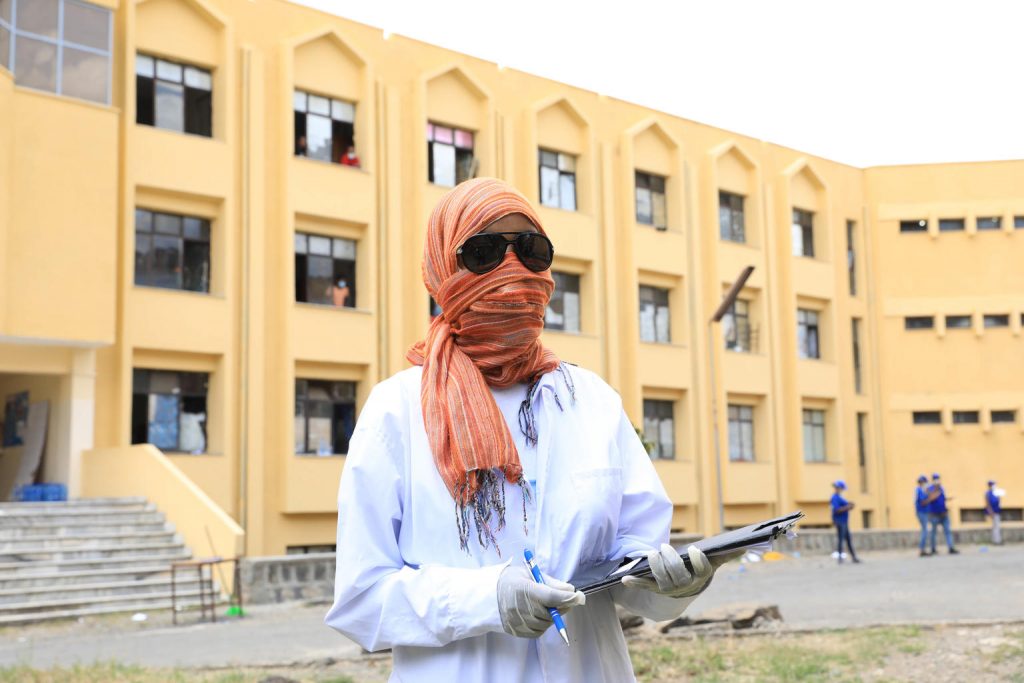
This Practical Approaches brief explores data collection methods and question modules
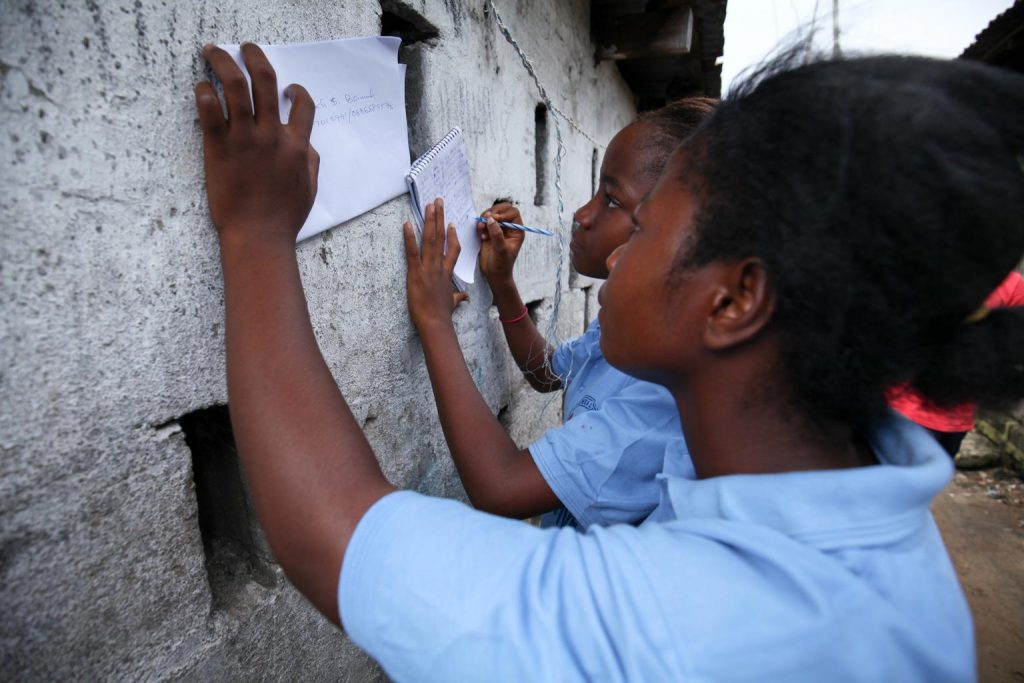
This SSHAP Practical Approaches brief underlines key considerations when appraising the context in which an outbreak occurs.
Case study examining misinformation and mistrust in the Ebola epidemic
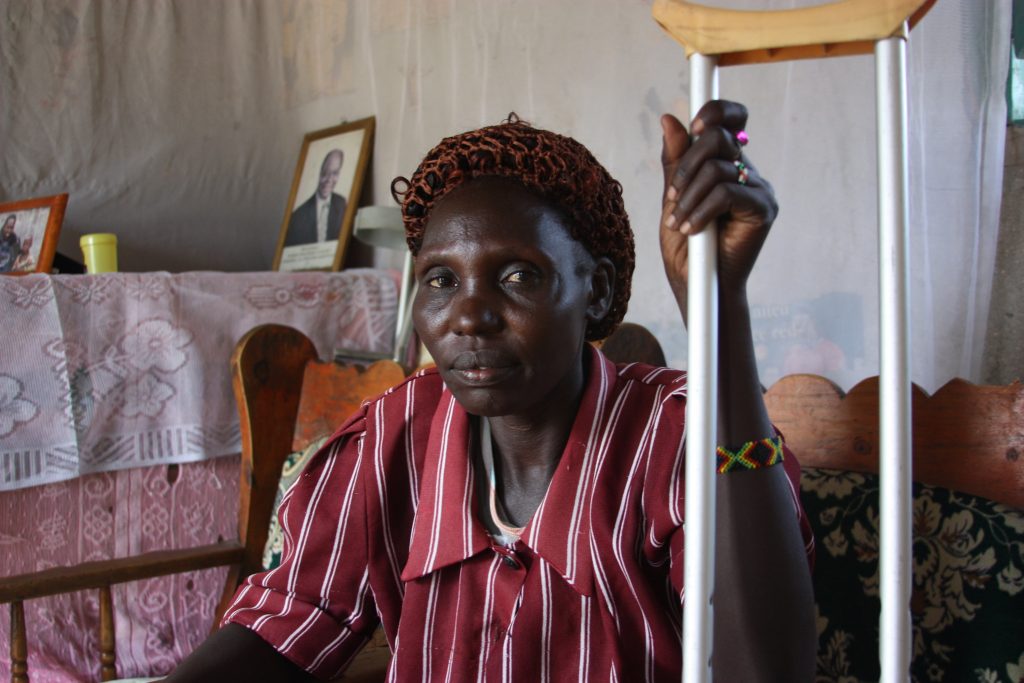
Case study addressing the issue of food shortage and economic losses
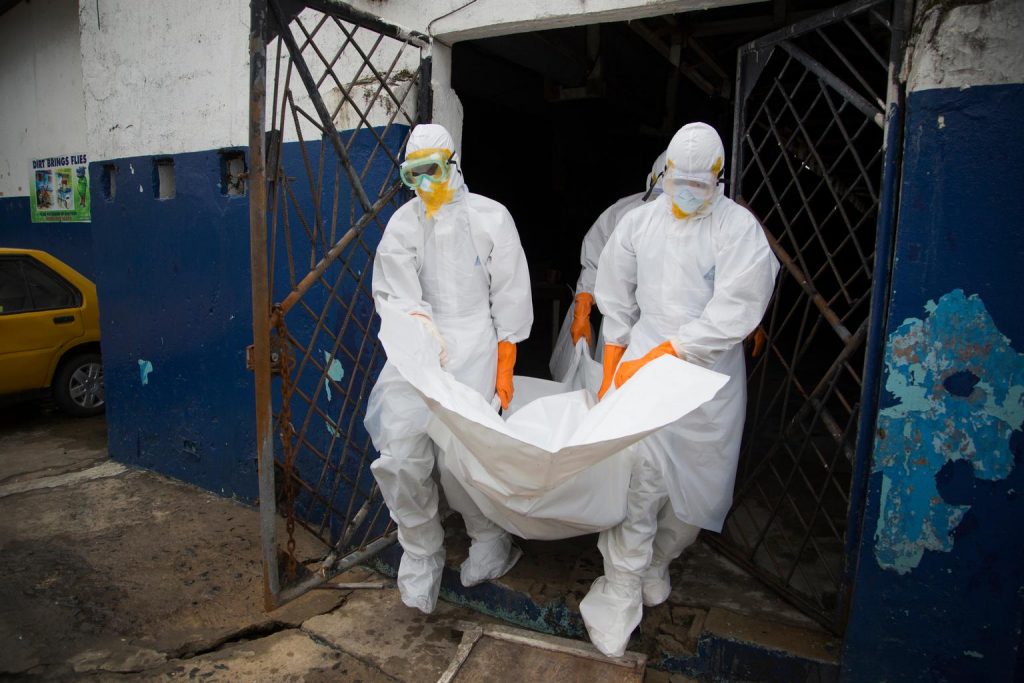
Case study addressing resistance to Ebola response measures
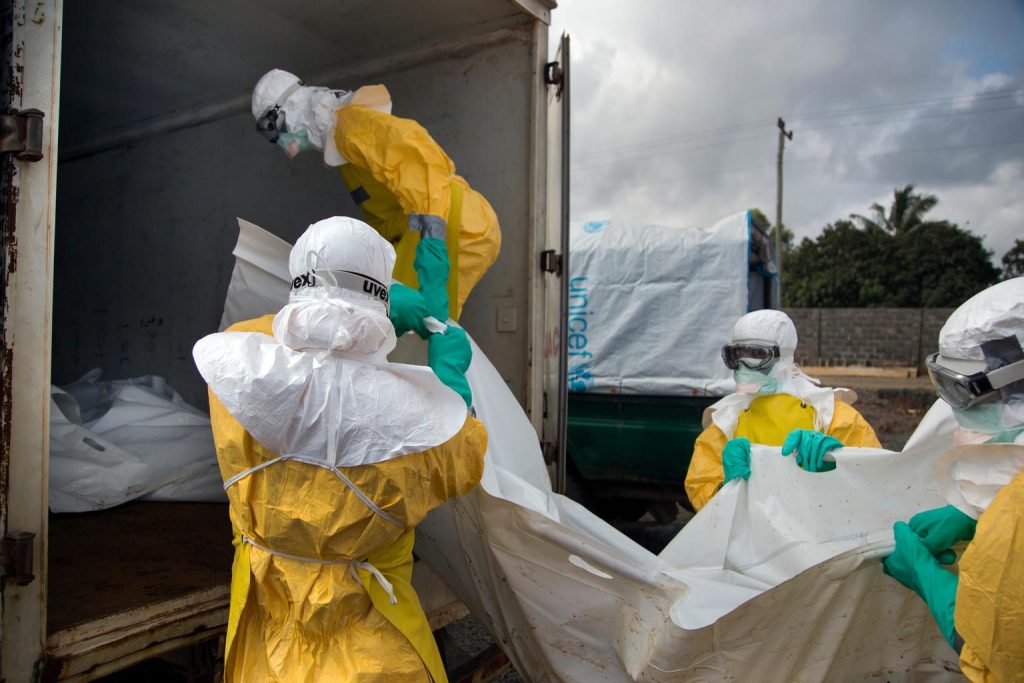
Case study addressing issues around knowledge sharing, focusing on the example of Ebola
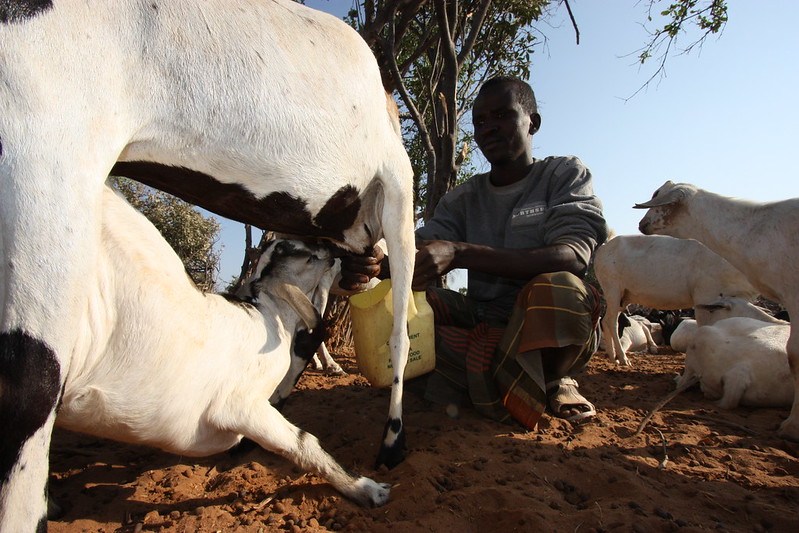
Case study addressing the challenge of vaccine uptake and regulating the unknown
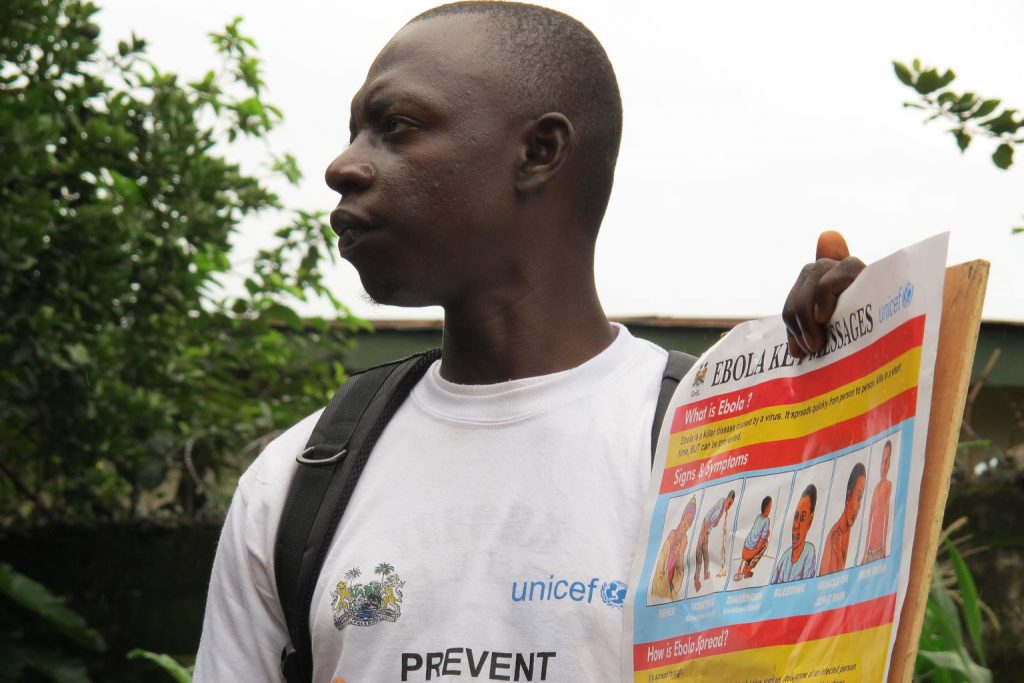
Case study looking into the challenge of a lack of trust and referrals to biomedical health care
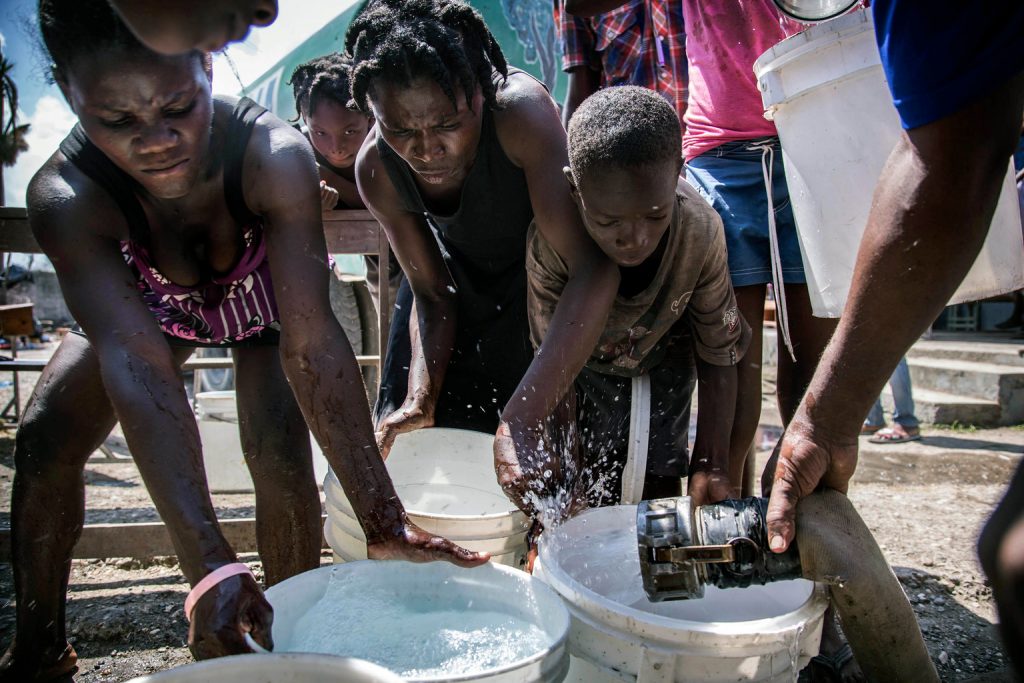
Case study looking at the challenge of cholera in Haiti
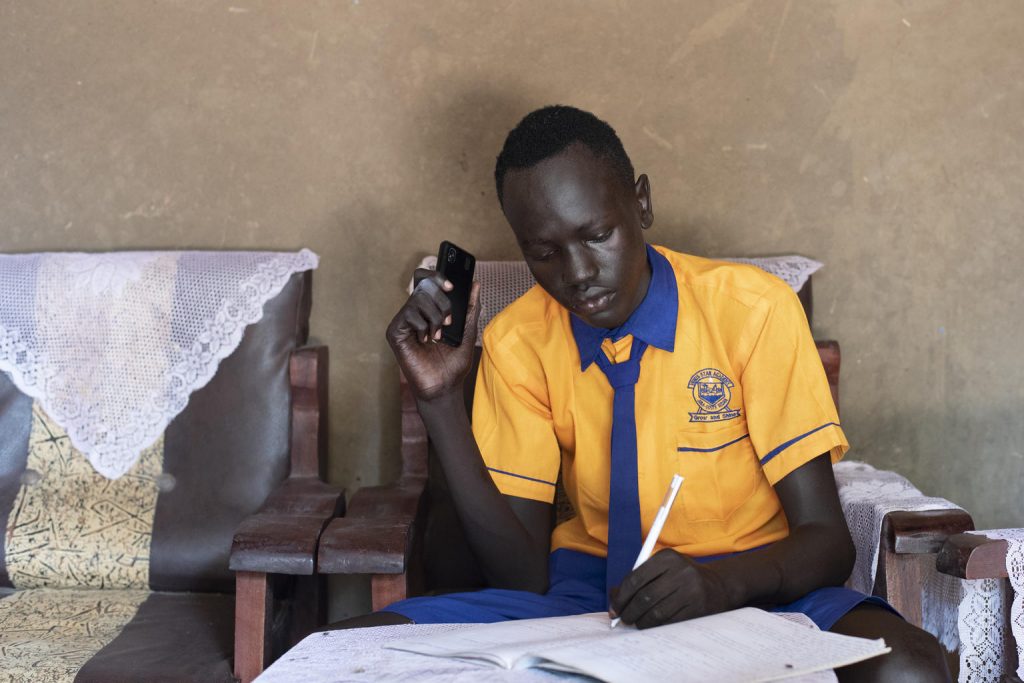
Report summarising a roundtable meeting on African responses to COVID-19
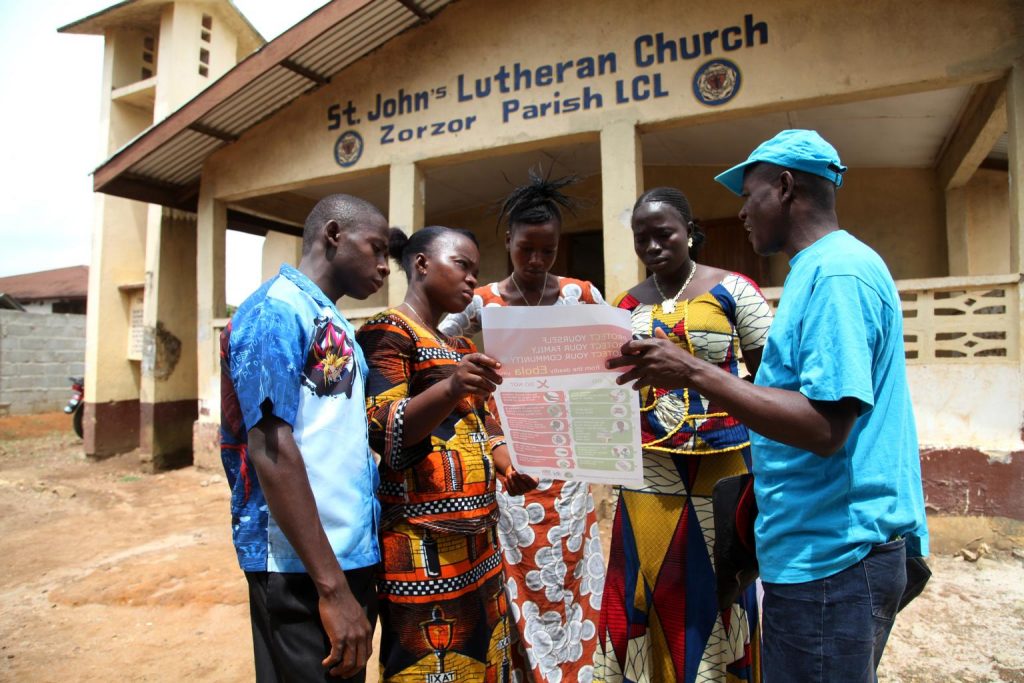
Humanitarian responders must look beyond the biomedical lens to ensure successful interventions across global health programmes
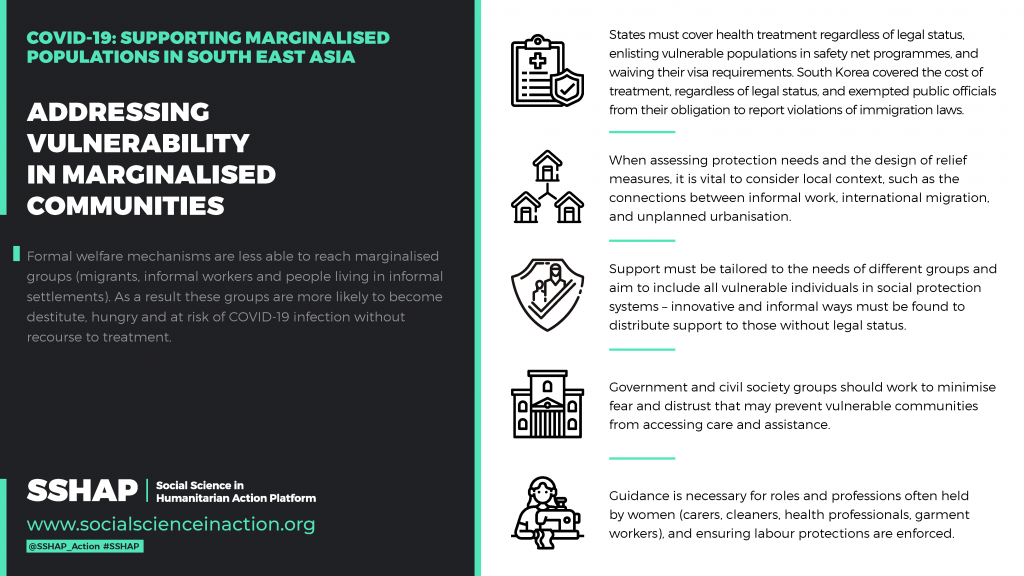
Formal welfare mechanisms are less able to reach these vulnerable groups.
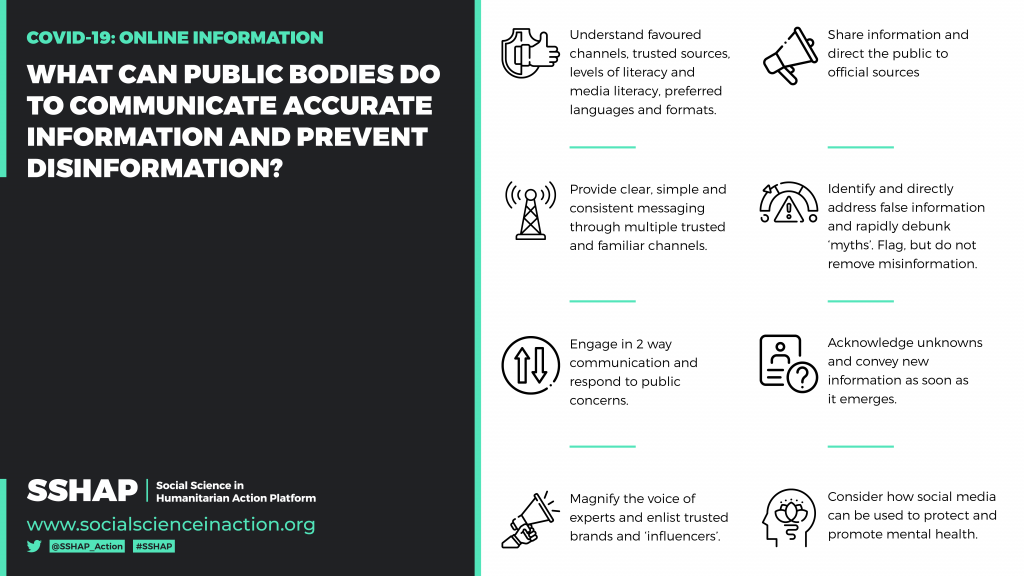
What can public bodies do to communicate accurate information and prevent disinformation?
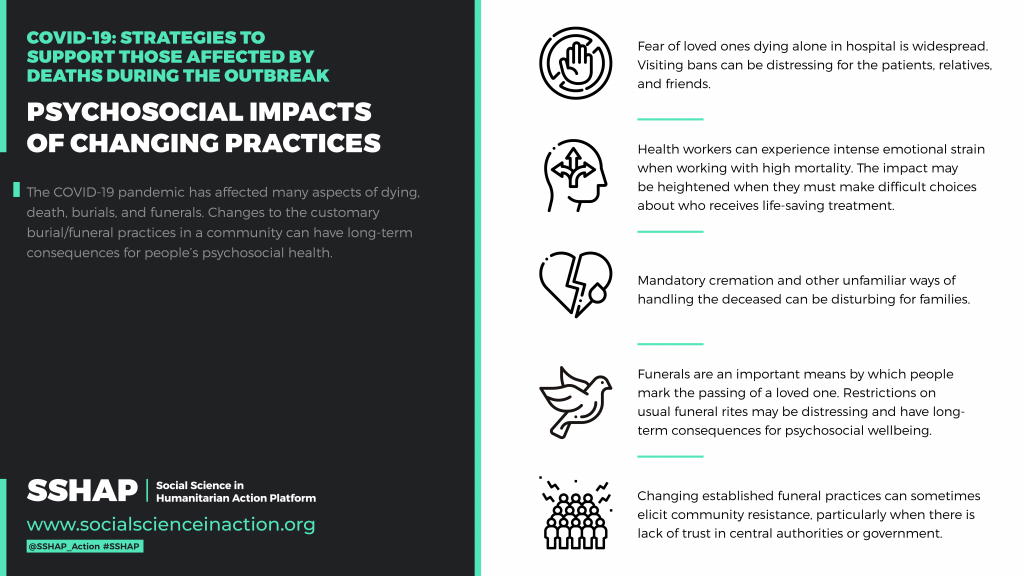
Changes to customary burial and funeral practices can have long-term consequences for people’s psychosocial health.
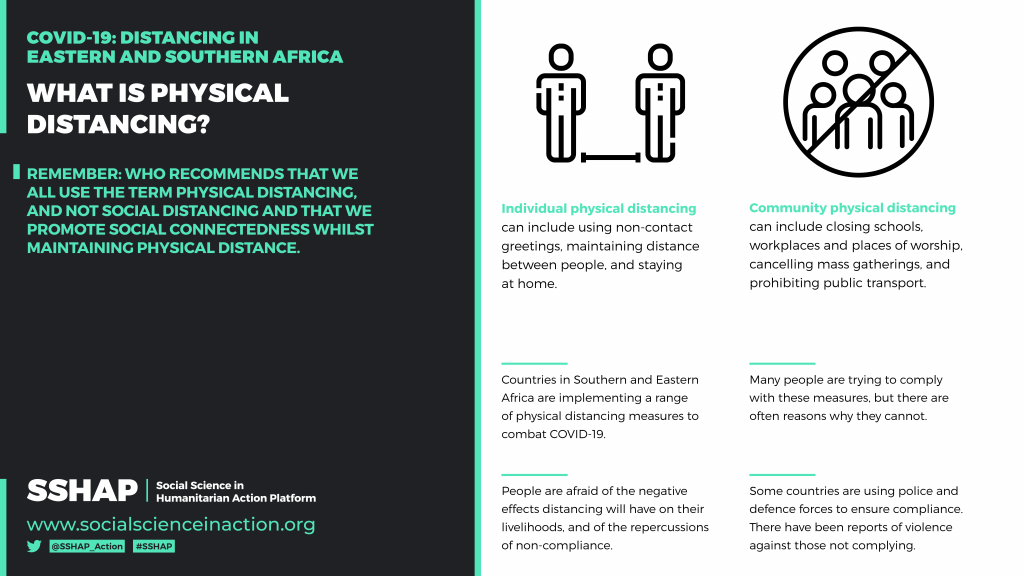
Why is physical distancing a challenge in Eastern and Southern Africa in the context of COVID-19?

Protecting people at high risk by limiting their contact with others during the COVID-19 outbreak.

The potential burdens of COVID-19 in low- and middle-income cities are concerning.
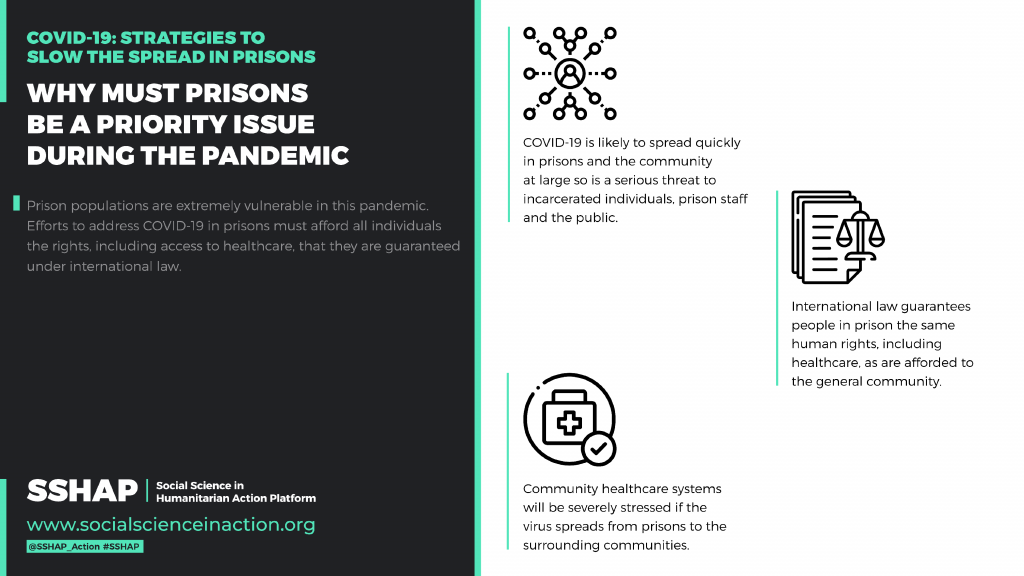
Prison populations are extremely vulnerable in this pandemic.
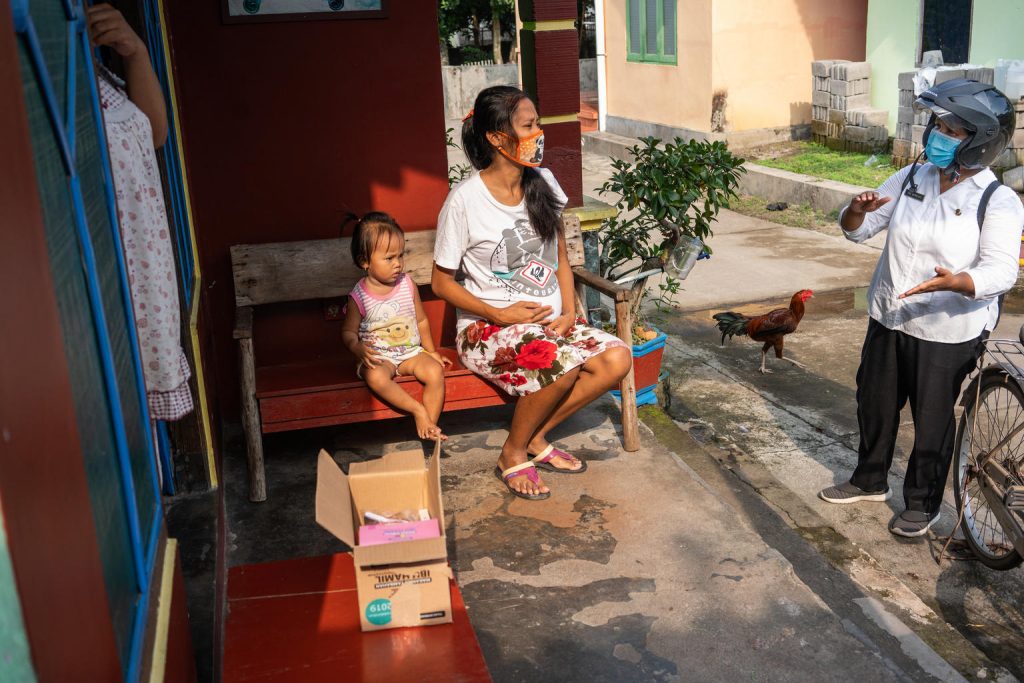
Why home care is important, and an overview of existing guidance and models, with an emphasis on low-and-middle-income countries (LMICs).
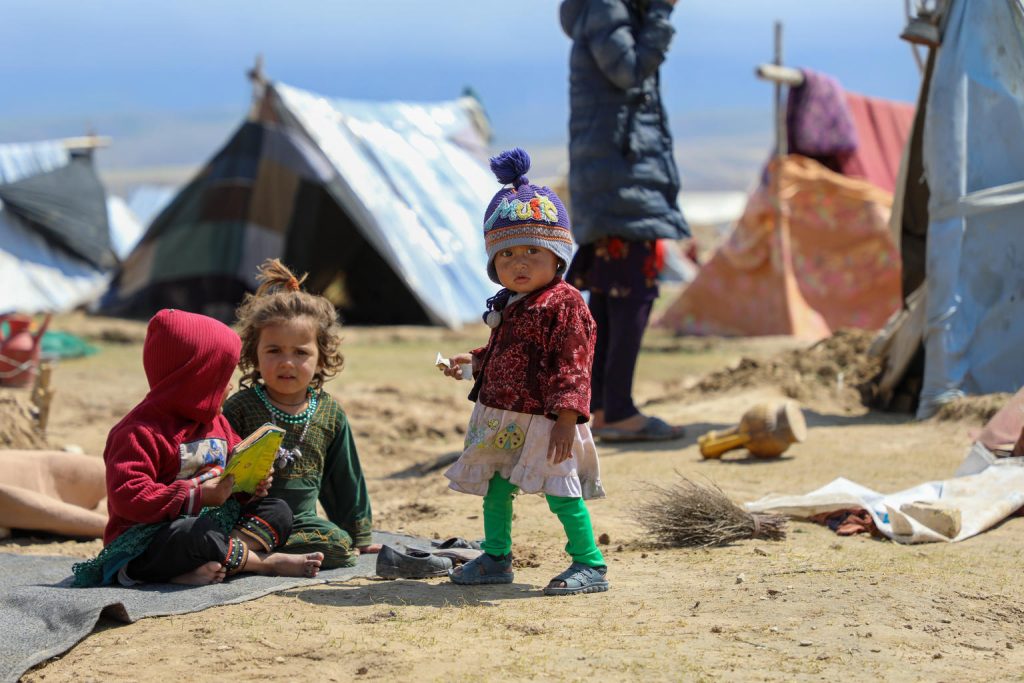
This Interim Guidance outlines how key public health and social measures needed to reduce the risk of COVID-19 spread and the impact of the disease can be adapted for use in low capacity and humanitarian settings. The recommendations outlined here need to be adjusted to the scale of transmission, context and resources, in order to achieve the objective of managing COVID-19, namely to reduce transmission and facilitate the detection and management of infected and exposed individuals within the population.
The Guidance is intended for humanitarian and development actors of all operational levels working with communities, as well as local authorities involved in COVID-19 preparedness and response operations in these settings, in support of national and local governments and plans. Additional considerations for support to residents of urban informal settlements and slums are available in Annex 1.
A summary of suggested key social science research questions and their rationale to support and inform operational field research and response programming in sub-Saharan Africa.
