This technical brief was prepared by IDS in July 2021 to support the embedding of social science and anthropological perspectives in UK AID-supported Tackling Deadly Diseases in Africa (TDDA) technical assistance and its Early Response Mechanism.
It draws on a review of both academic and grey literature, as well as inputs from social scientists and other public health experts in Mali. It presents key considerations regarding:
the background and overview of the country’s health system;
issues related to infectious disease outbreaks, response, and preparedness;
health governance and key actors;
community experiences and responses;
implications for outbreak preparedness and response.
This briefing was produced with support from the UK Foreign, Commonwealth & Development Office (FCDO) funded Tackling Deadly Diseases in Africa (TDDA) programme managed by DAI Global Health.
This technical brief was prepared by IDS in December 2020 to support the embedding of social science and anthropological perspectives in UK AID-supported Tackling Deadly Diseases in Africa (TDDA) technical assistance and its Early Response Mechanism.
It draws on a review of both academic and grey literature, as well as inputs from social scientists and other public health experts in xxx. It presents key considerations regarding:
the background and overview of the country’s health system;
issues related to infectious disease outbreaks, response, and preparedness;
health governance and key actors;
community experiences and responses;
implications for outbreak preparedness and response.
This briefing was produced with support from the UK Foreign, Commonwealth & Development Office (FCDO) funded Tackling Deadly Diseases in Africa (TDDA) programme managed by DAI Global Health.
This technical brief was prepared by IDS in July 2021 to support the embedding of social science and anthropological perspectives in UK AID-supported Tackling Deadly Diseases in Africa (TDDA) technical assistance and its Early Response Mechanism.
It draws on a review of both academic and grey literature, as well as inputs from social scientists and other public health experts in Cameroon. It presents key considerations regarding:
the background and overview of the country’s health system;
issues related to infectious disease outbreaks, response, and preparedness;
health governance and key actors;
community experiences and responses;
implications for outbreak preparedness and response.
This briefing was produced with support from the UK Foreign, Commonwealth & Development Office (FCDO) funded Tackling Deadly Diseases in Africa (TDDA) programme managed by DAI Global Health.
This brief draws on the technical paper for the Tackling Deadly Diseases in Africa (TDDA) programme (July 2021), to present key social science considerations for epidemic response and preparedness in Côte d’Ivoire, with relevance to the first Ebola case in Côte d’Ivoire since 1994.
In April 2021, the Social Sciences Analytics Cell (CASS), in collaboration with UNICEF and the Provincial Health Division (DPS) in Bunia conducted exploratory research applying the Integrated Outbreak Analytics (IOA) approach in three health zones affected by a suspected plague outbreak in Ituri Province, eastern Democratic Republic of the Congo (DRC). The objective was to complement existing entomological and epidemiological data through a better understanding of transmission risk factors and community socio-behavioural dynamics and provide evidence to inform operational decision making for plague response actors. This brief outlines the key results of the research.
The emerging field of outbreak analytics calls attention to the need for data from multiple sources to inform evidence-based decision making in managing infectious diseases outbreaks. To date, these approaches have not systematically integrated evidence from social and behavioural sciences.
During the 2018–2020 Ebola outbreak in Eastern Democratic Republic of the Congo, an innovative solution to systematic and timely generation of integrated and actionable social science evidence emerged in the form of the Cellulle d’Analyse en Sciences Sociales (Social Sciences Analytics Cell) (CASS), a social science analytical cell.
CASS worked closely with data scientists and epidemiologists operating under the Epidemiological Cell to produce integrated outbreak analytics (IOA), where quantitative epidemiological analyses were complemented by behavioural field studies and social science analyses to help better explain and understand drivers and barriers to outbreak dynamics.
The primary activity of the CASS was to conduct operational social science analyses that were useful to decision makers.
This technical brief was prepared by IDS in July 2021 to support the embedding of social science and anthropological perspectives in UK AID-supported Tackling Deadly Diseases in Africa (TDDA) technical assistance and its Early Response Mechanism.
It draws on a review of both academic and grey literature, as well as inputs from social scientists and other public health experts in Côte d’Ivoire. It presents key considerations regarding:
the background and overview of the country’s health system;
issues related to infectious disease outbreaks, response, and preparedness;
health governance and key actors;
community experiences and responses;
implications for outbreak preparedness and response.
SSHAP is preparing an accompanying document in response to the Ebola outbreak in Côte d’Ivoire that summarises the material presented in this technical brief.
This briefing was produced with support from the UK Foreign, Commonwealth & Development Office (FCDO) funded Tackling Deadly Diseases in Africa (TDDA) programme managed by DAI Global Health.
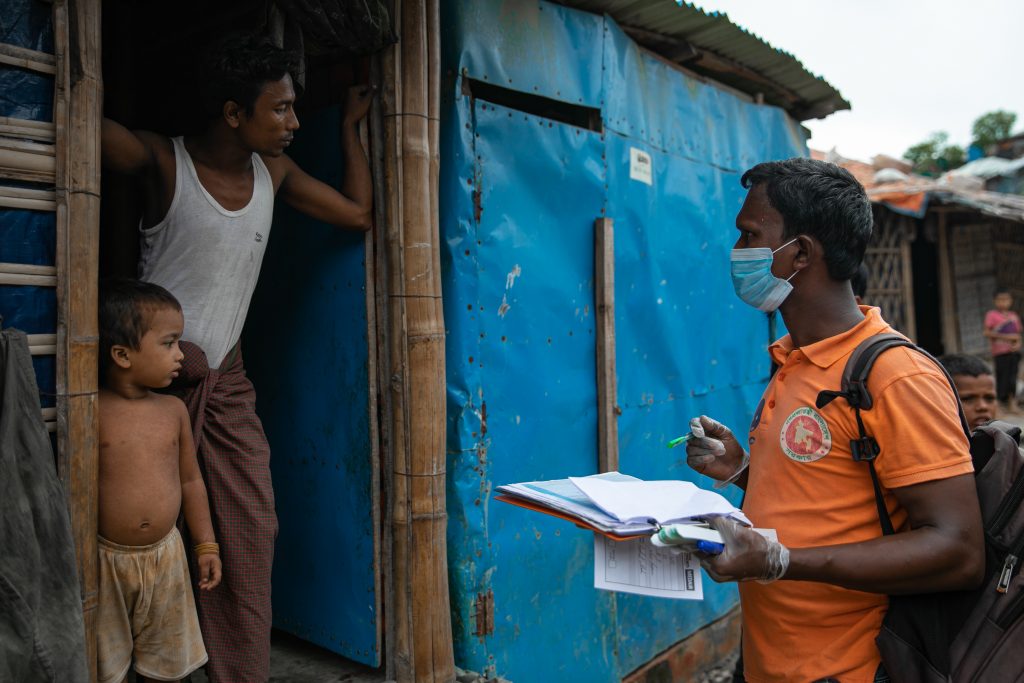
This review paper synthesises and assesses the quality of the evidence landscape available and how the Rohingya seek and access healthcare services in Cox’s Bazar
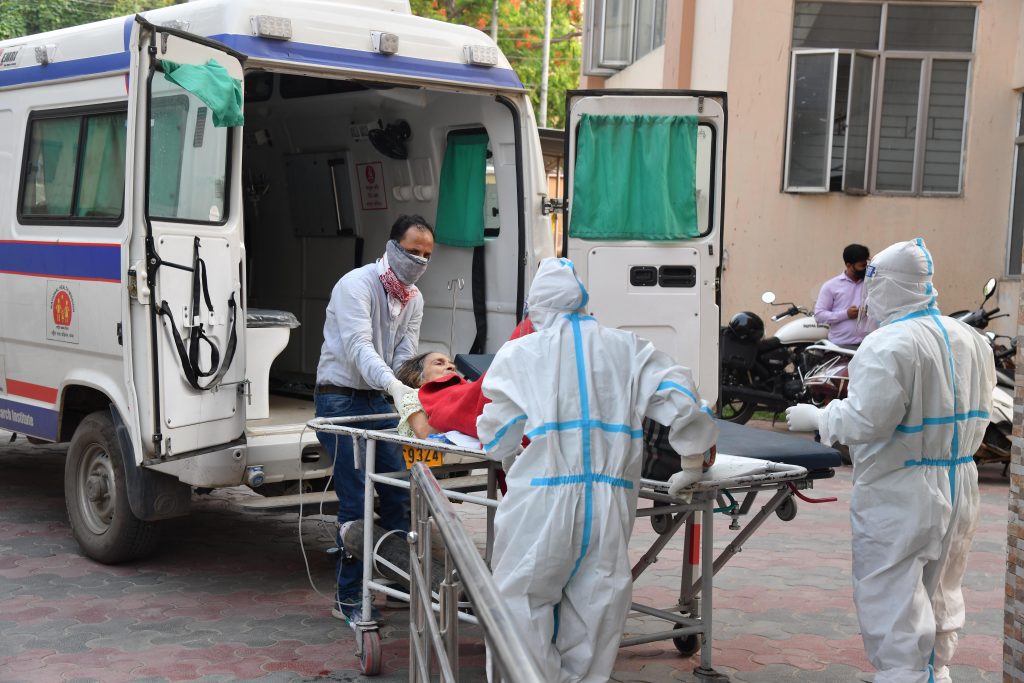
This Key Consideratins briefing examines the second wave of COVID-19 in India and recommends measures to further arrest the spread of infection and to prevent and prepare against future waves.
This study explores the forms and outcomes of coronavirus and COVID-19-related social stigma and the experiences of people who were home quarantined or isolated in Finland during the spring 2020
This report distills key insights from The Partnership for Evidence-Based Response to COVID-19 (PERC)’s third survey conducted in February 2021
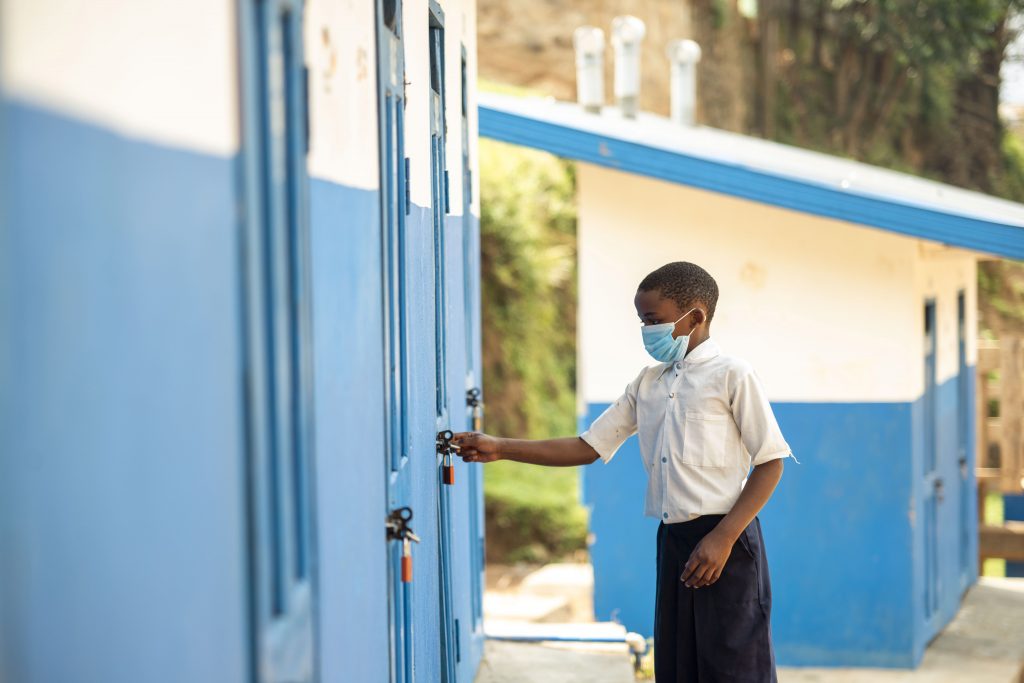
This report presents an analysis of the impact of school closures as a COVID-19 response measure in the DRC, and is intended to inform evidence-based programming to mitigate the short- and long-term consequences to health, protection, and education of children and adolescents in the DRC. It demonstrates that the impact of school closures does not end with the reopening of schools; the evidence shared in this report highlight the long-term impacts that will continue to be felt following two extended periods of school closures in the DRC, and calls for an urgent response.
In the absence of a specific nationwide study to this effect, the CASS conducted this meta-synthesis to examine existing data from different sources and different parts of the country to highlight the impacts of COVID-19 school closures on children and adolescents.
It was developed by the Cellule d’Analyse en Sciences Sociales (CASS).
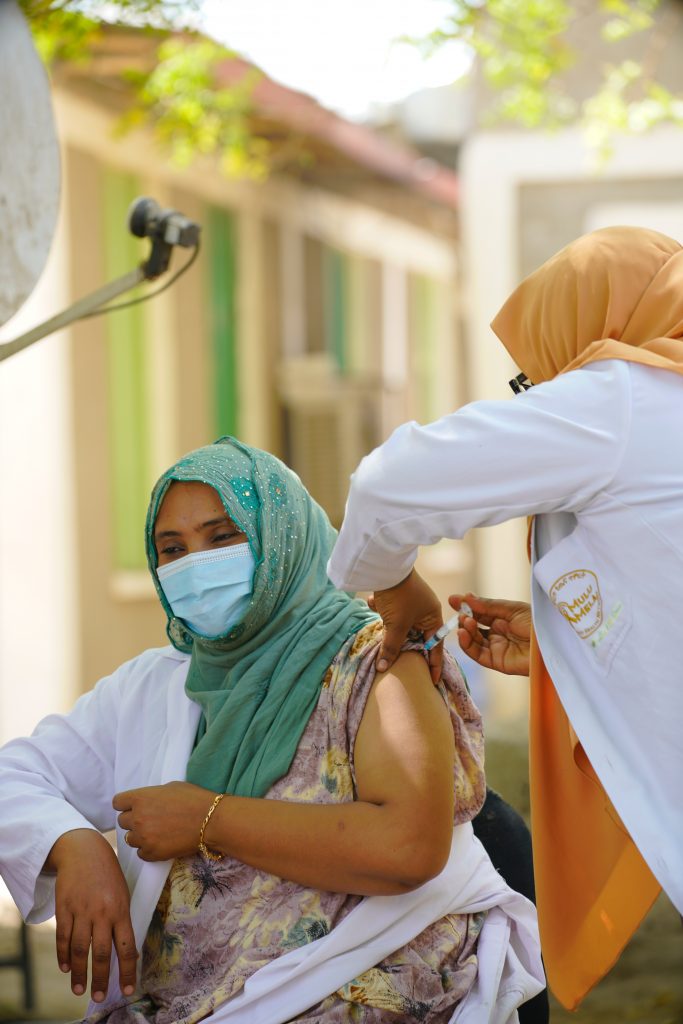
This synthesis brings together data related to public perceptions about COVID-19 vaccines collected in 22 countries in Africa
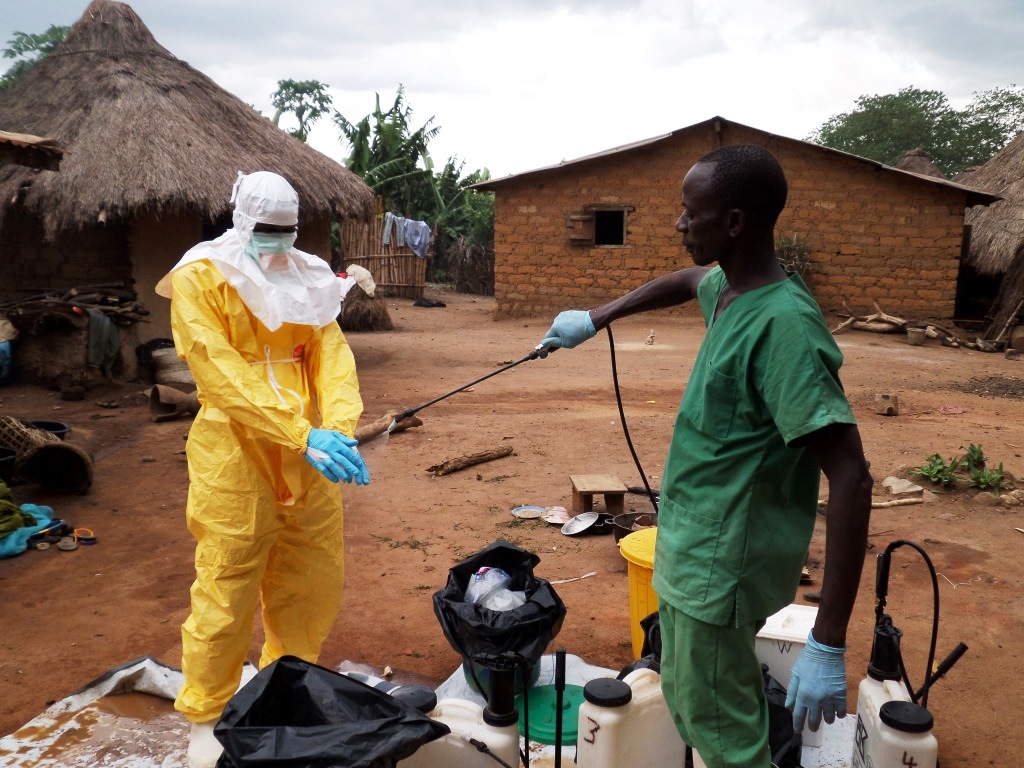
New research has found that the 2021 outbreak of EVD in Guinea originated in viral resurgence of a persistently infected survivor of the 2013–2016 epidemic
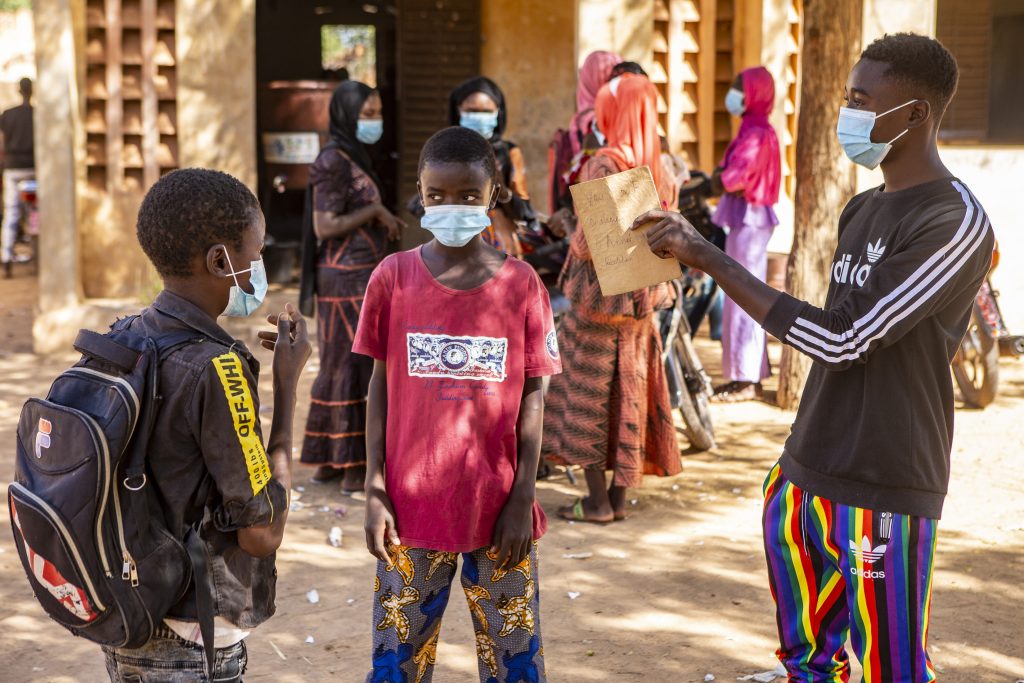
A critical part of adaptation and proportionality is a localisation of response that builds on people’s own inventiveness and the knowledge and experience of local organisations.
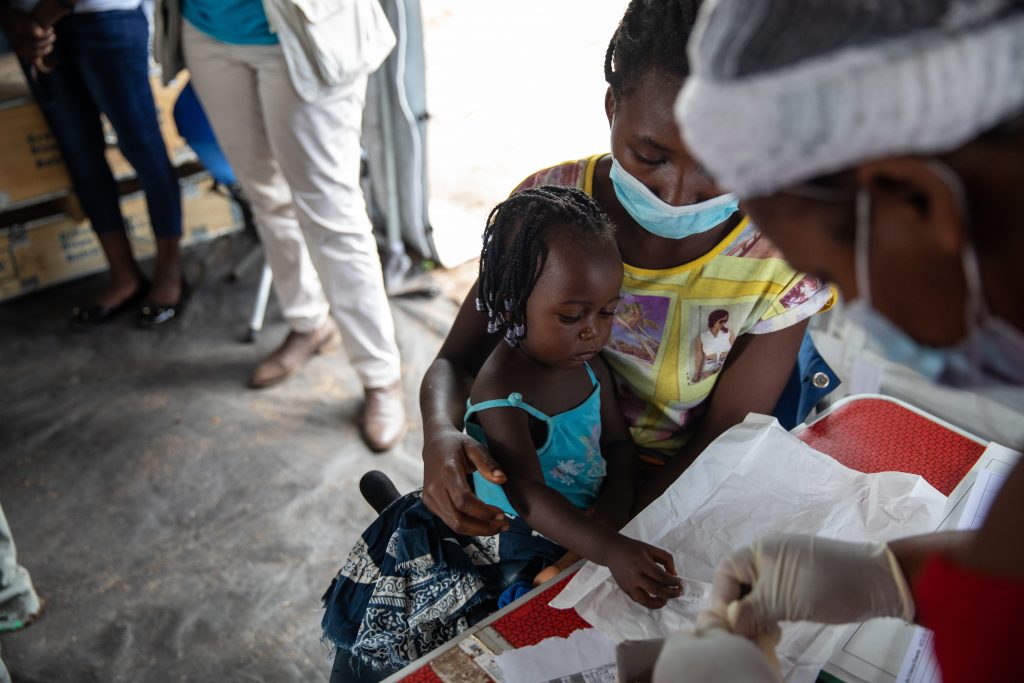
This analysis highlights the drivers and evidence of the negative impact of ‘vertical’ responses focused primarily on preventing and containing COVID-19
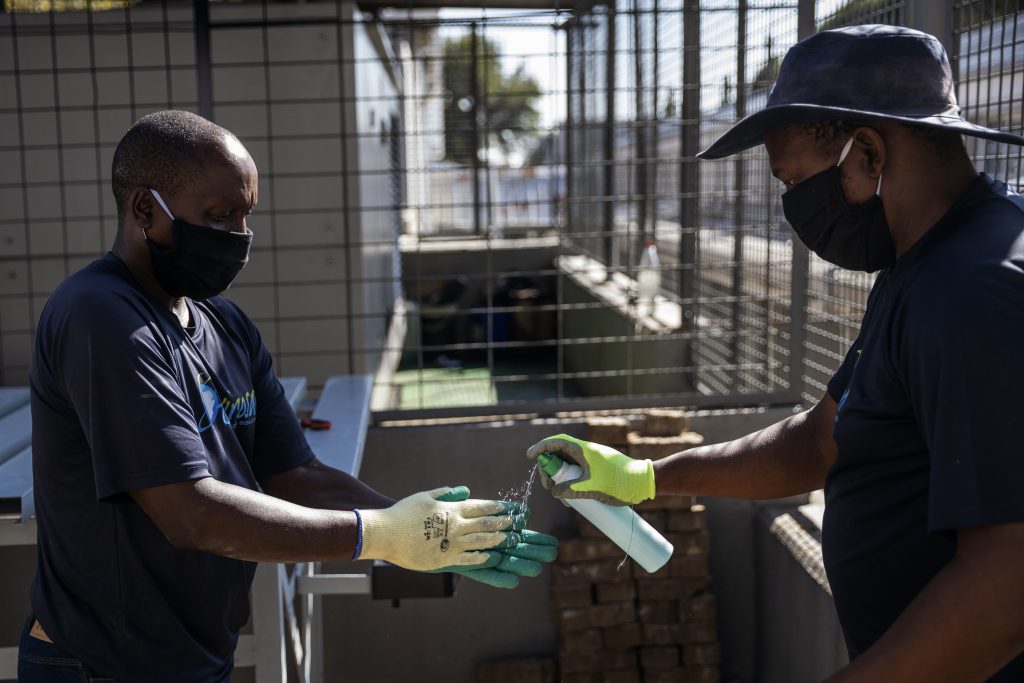
This review draws on multiple secondary data sources to inform RCCE strategies and policies and provides examples of successful practice
A review of 46 published reports of Ebola-related activities undertaken during the 2013–2016 outbreak in Guinea
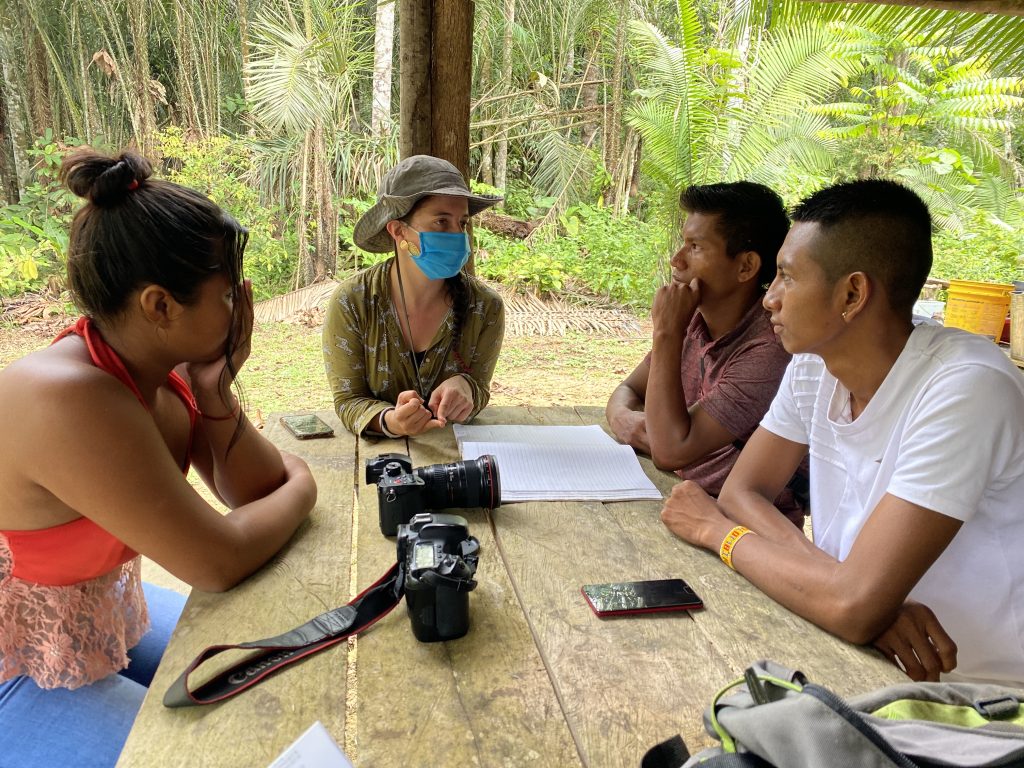
Key considerations for COVID-19 response and recovery in indigenous populations, with a particular focus on the Amazon region of South America
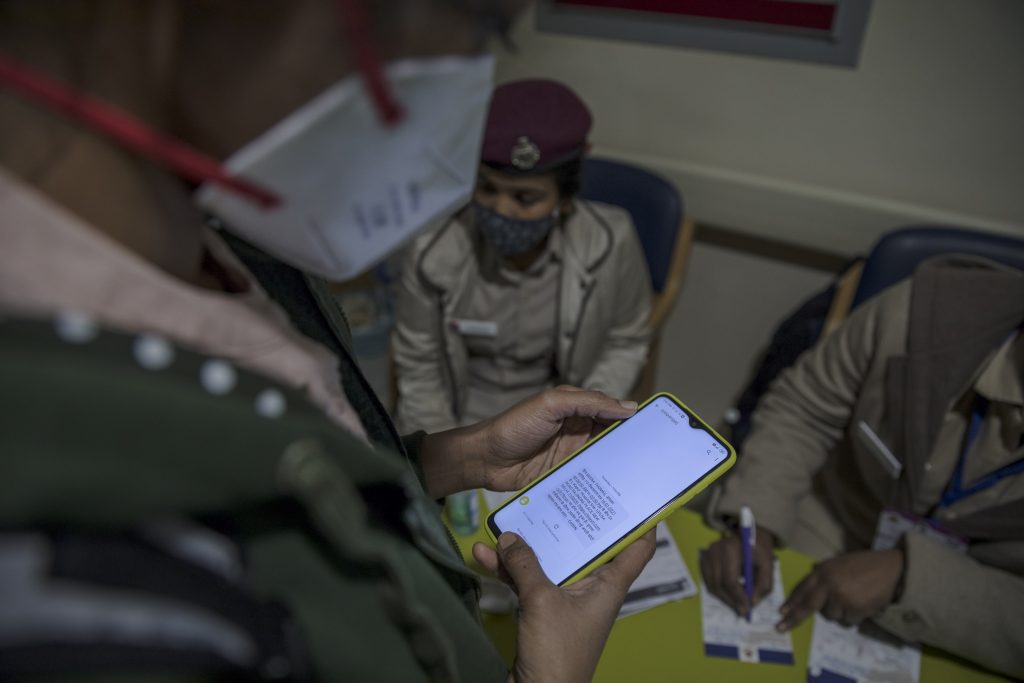
Best data practice recommendations for the use of technology for surveillance, fact-checking and coordinated control during crisis or emergency response.
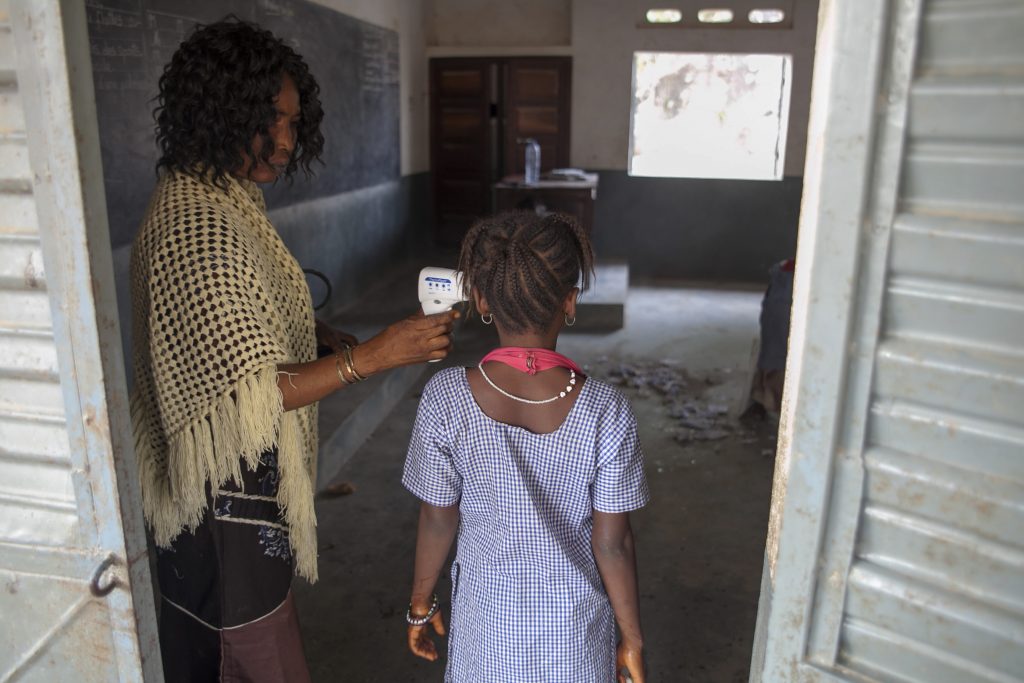
Key considerations about the social, political and economic context shaping the outbreak of Ebola in the N’Zérékoré prefecture, Guinea.
At the time of writing there have been 18 cases, 9 deaths and 6 recoveries.
The current Ebola outbreak in West Africa is by far the largest ever recorded, and already numbers more cases than all past Ebola epidemics combined. This Briefing outlines the overall impact on health.
The lack of a prompt, robust, and efficient response to Ebola from the international community contributes to lack of trust in governments and exacerbates social tensions, increasing the possibility of profound unrest in these fragile countries.
A multidimensional and multi-sector approach is required to contain the outbreak of Ebola while safeguarding against a long-term food security crisis.
Fear of contracting EVD and mistrust of the health system has made people reluctant to seek treatment from health facilities, further impacting the health sector and increasing the risk of mortality and morbidity from otherwise treatable diseases.
This report aims to analyse the resistance to the Ebola response in Guinea, by outlining the current situation and the evolution over the course of the outbreak, and exploring underlying and aggravating factors.
This document summarises the baseline data on WASH available for Guinea, Liberia, and Sierra Leone
While surveillance and treatment efforts to stop the transmission and re-emergence of Ebola continue, the response is moving away from its emergency phase towards longer-term recovery and building a more resilient health system.
This report outlines the key challenges that Ebola survivors and their households, grieving families, orphans, quarantined people and frontline workers face as they reintegrate into their communities
This report documents the secondary humanitarian problems and impacts of largescale Ebola outbreak on the different humanitarian sectors
This advisory brief aims to provide anthropologically informed guidance to governmental and humanitarian actors involved in the Ebola response at local, national and international levels, about clinical trials for Ebola treatments, therapies and vaccines.
This is a chapter on Kissi Funerals in the region of Guekedou and Kissidougou. Whilst this is based on fieldwork conducted in 1945-6, many of the ritual practices and meanings were current and observed in Kissi villages in 1991-3.
While this briefing note identifies arenas of particular significance with regard to burial practices, such practices are not standardised, are likely to change as social responses to Ebola evolve, and therefore need to be discussed on a locality by locality basis.
This brief summarises some key considerations about the flow and control of money in relation to the Ebola response.
This brief summarises some key considerations about food insecurity, the migration of men and youth for work and the implication these movements may have for the Ebola response.