While impressive medical and technological developments have improved health care around the world, improvements in health have been moderate and inconsistent across countries and communities. In response to this challenge, the World Health Organization outlined the concept of comprehensive primary health care, which involves not only providing a range of medical care from prevention to treatment, but also working to improve equity in health care access, community empowerment, the participation of marginalized groups, and collaboration across sectors beyond health.
Revitalizing Health for All examines 13 cases of efforts to implement comprehensive primary health care reforms in communities around the globe, including in Australia, Brazil, Democratic Republic of Congo, South Africa, and Iran. The case studies originated from an international research-to-action initiative that brought researchers and research-users from national public health systems together to design, implement, and assess local projects. This volume reveals the similarities among comprehensive primary health care projects in diverse national contexts and offers a rich evidence base from which future reform initiatives can draw.
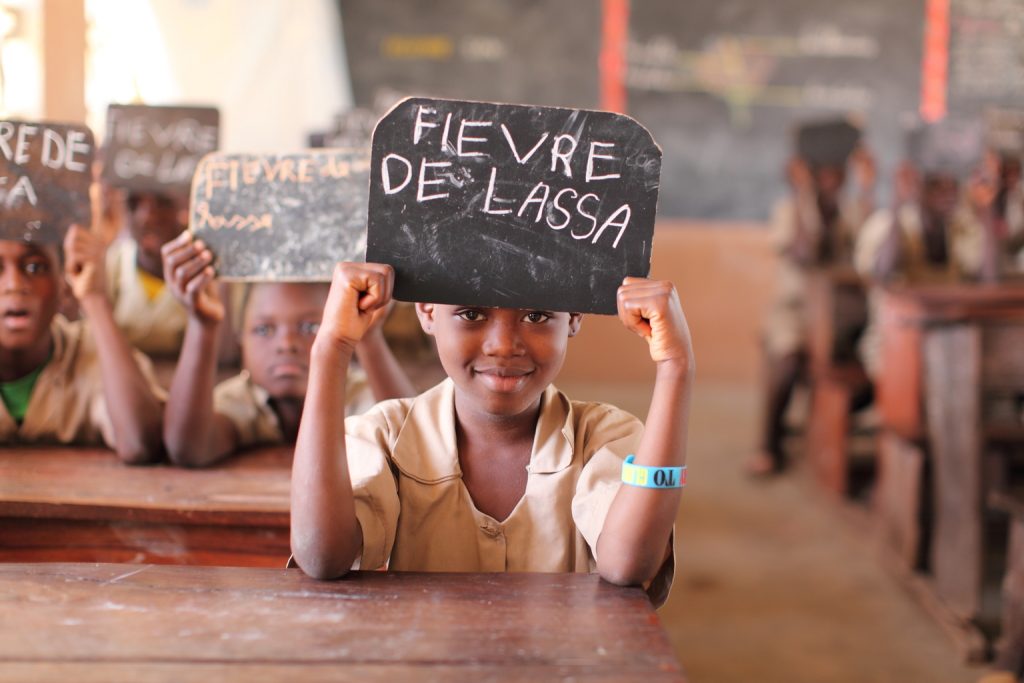
Lassa Fever is a zoonotic hemorrhagic illness predominant in areas across Nigeria, Sierra Leone, Guinea, Liberia, and southern Mali. The reservoir of Lassa virus is the multimammate mouse (Mastomys natalensis), a highly commensal species in West Africa. Primary transmission to humans occurs through direct or indirect contact with rodent body fluids such as urine, feces, saliva, or blood. Our research draws together qualitative and quantitative methods to provide a fuller and more nuanced perspective on these varied points of human-animal contact. in this article, we focus on the hunting, preparation, and consumption of rodents as possible routes of exposure in Bo, Sierra Leone.
We found that the consumption of rodents, including the reservoir species, is widespread and does not neatly tally against generational or gender lines. Further, we found that the reasons for rodent consumption are multifactorial, including taste preferences, food security,
An effective fight against Cholera requires an in-depth consideration of the knowledge, attitudes and social representations of Cholera within a population. Cholera outbreaks persist in the Extreme North of Cameroon because of the inadequate integration of representations of Cholera, water and hygiene in the fight against this disease. Through a constructivist intercultural approach not conflicting with the western ethnocentric model, socio-cultural/religious and historical ideologies can be reconciled to provide optimal and sustainable healthcare solutions to the repeated and long lasting Cholera epidemics using participative research, intercultural mediation and dialogue in Cameroon. Through a cross-sectional, ethnographic and participative study, data was generated using semi-directed in-depth interviews of key informants, collection of videos, pictures and the completion of 2 pre-tested questionnaire types in 3 communities (Maroua I, Maroua II and Mokolo).
Quantitative data was entered using Ms Excel and Epi Info 7, and analysed using Epi Info 7.
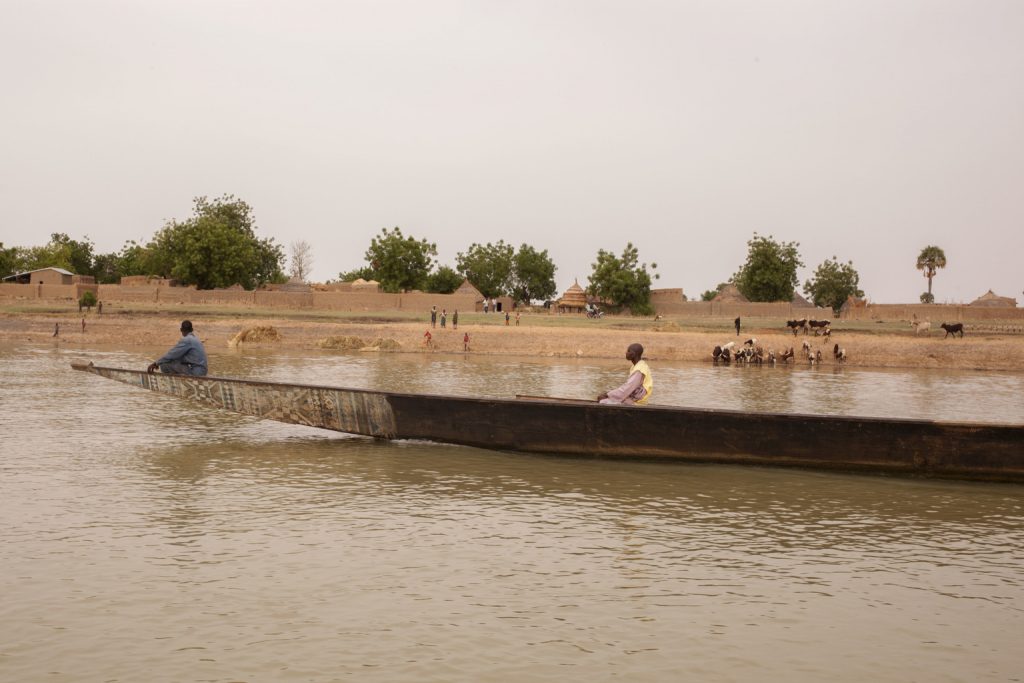
In May 2007, a WorldFish team traveled to the Lake Télé-Lake Ntomba Landscape in the Democratic Republic of Congo to conduct a preliminary assessment of the Lake Ntomba fishery. Primary data were collected through rapid rural assessment techniques in seven villages. Three questionnaires were delivered simultaneously in each village, focusing on (a) the fishing activities and fish resources, (b) the farming and other non-farming activities, and (c) the overall socio-economic and institutional context of the villages. In addition, five markets were visited, four in Mbandaka and one in Kinshasa.
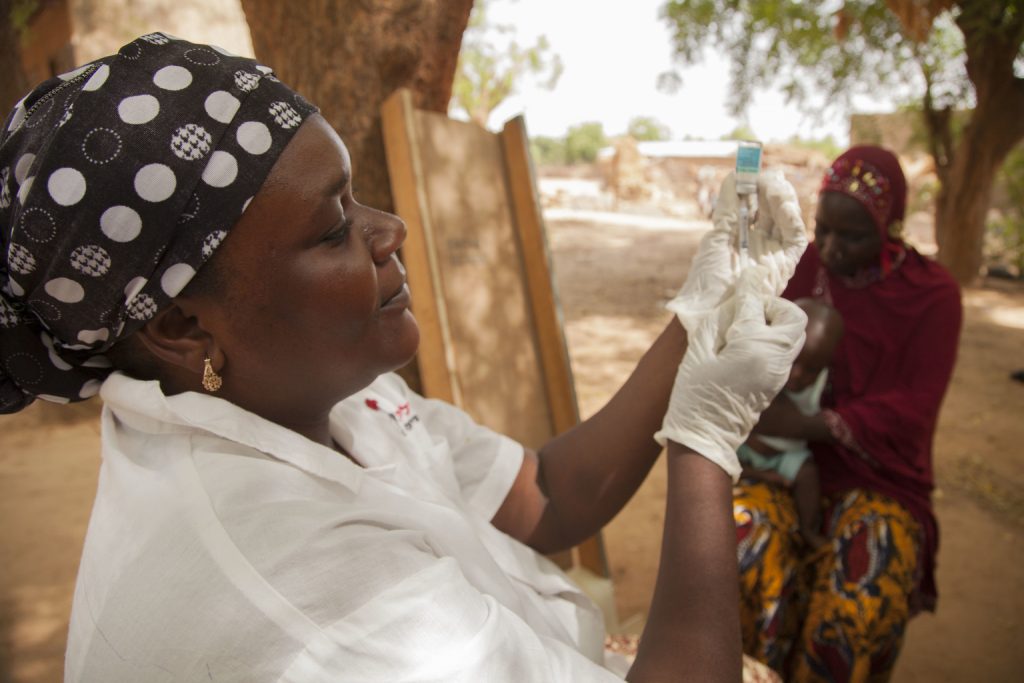
This paper discusses the establishment of a clinical trial of an Ebola vaccine candidate in Kambia District, Northern Sierra Leone during the epidemic, and analyses the role of social science research in ensuring that lessons from the socio-political context, the recent experience of the Ebola outbreak, and learning from previous clinical trials were incorporated in the development of community engagement strategies.
The paper aims to provide a case study of an integrated social science and communications system in the start-up phase of the clinical trial.
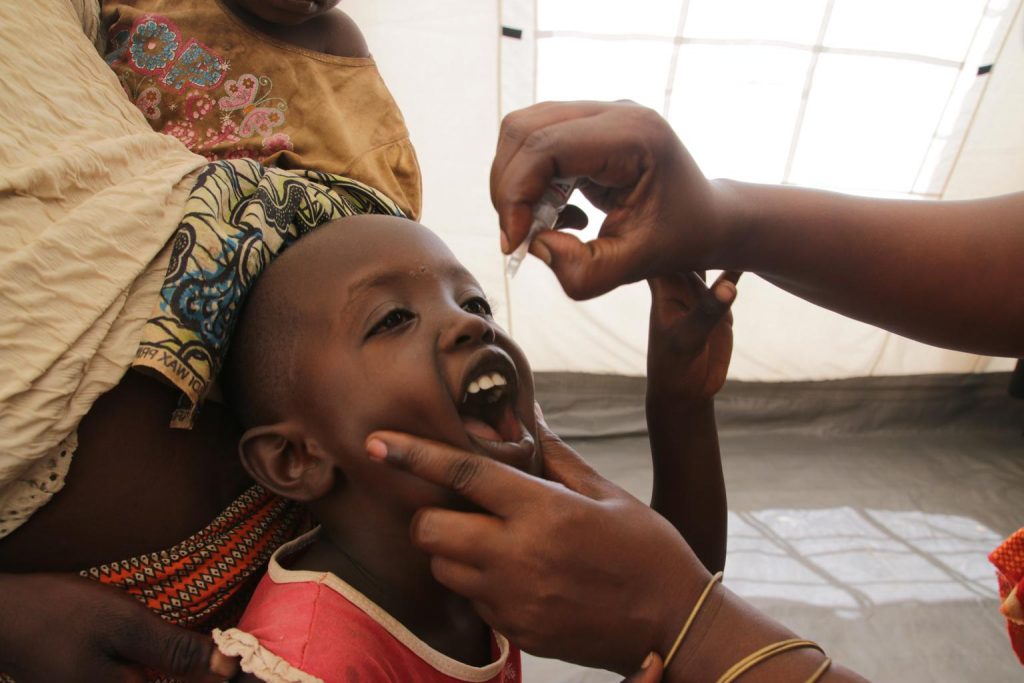
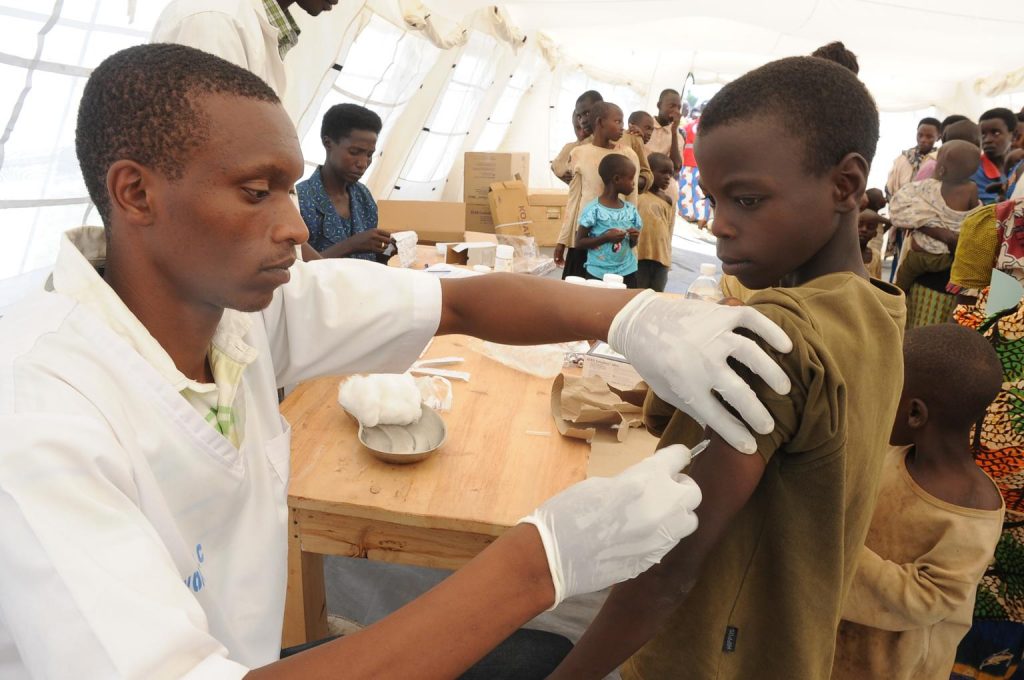
Oral Cholera vaccination (OCV) campaigns were conducted from February to April 2014 among internally displaced persons (IDPs) in the midst of a humanitarian crisis in Juba, South Sudan. IDPs were predominantly members of the Nuer ethnic group who had taken refuge in United Nations bases following the eruption of violence in December 2013. The OCV campaigns, which were conducted by United Nations and non-governmental organizations (NGOs) at the request of the Ministry of Health, reached an estimated 85-96% of the target population. As no previous studies on OCV acceptance have been conducted in the context of an on-going humanitarian crisis, semi-structured interviews were completed with 49 IDPs in the months after the campaigns to better understand perceptions of Cholera and reasons for full, partial or non-acceptance of the OCV.
Heightened fears of disease and political danger contributed to camp residents’ perception of Cholera as a serious illness and increased trust in United Nations and NGOs providing the vaccine to IDPs.
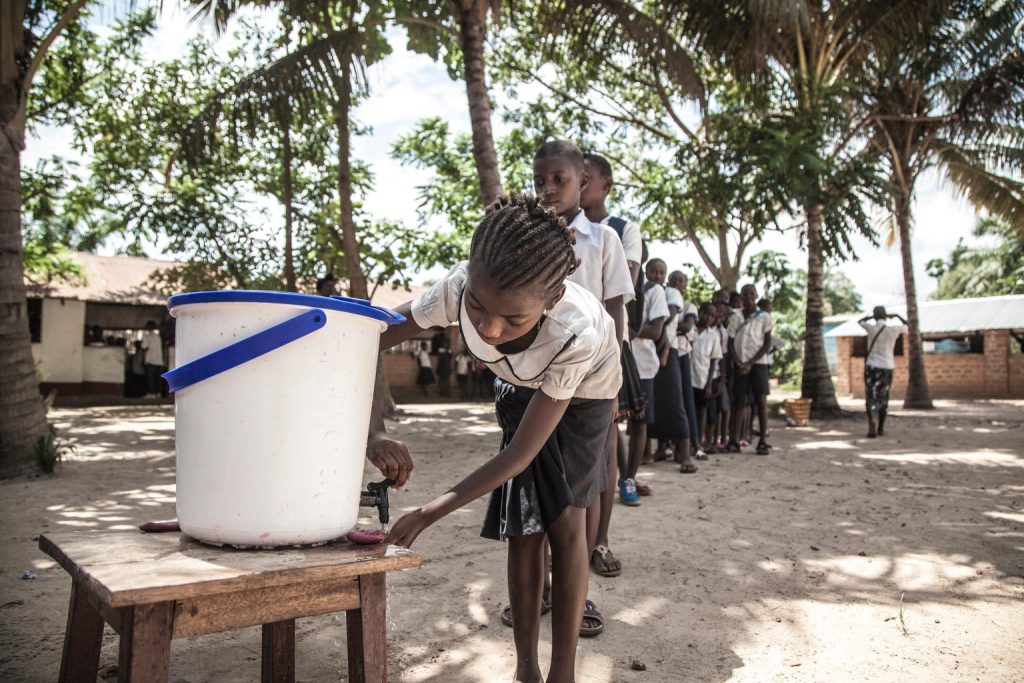
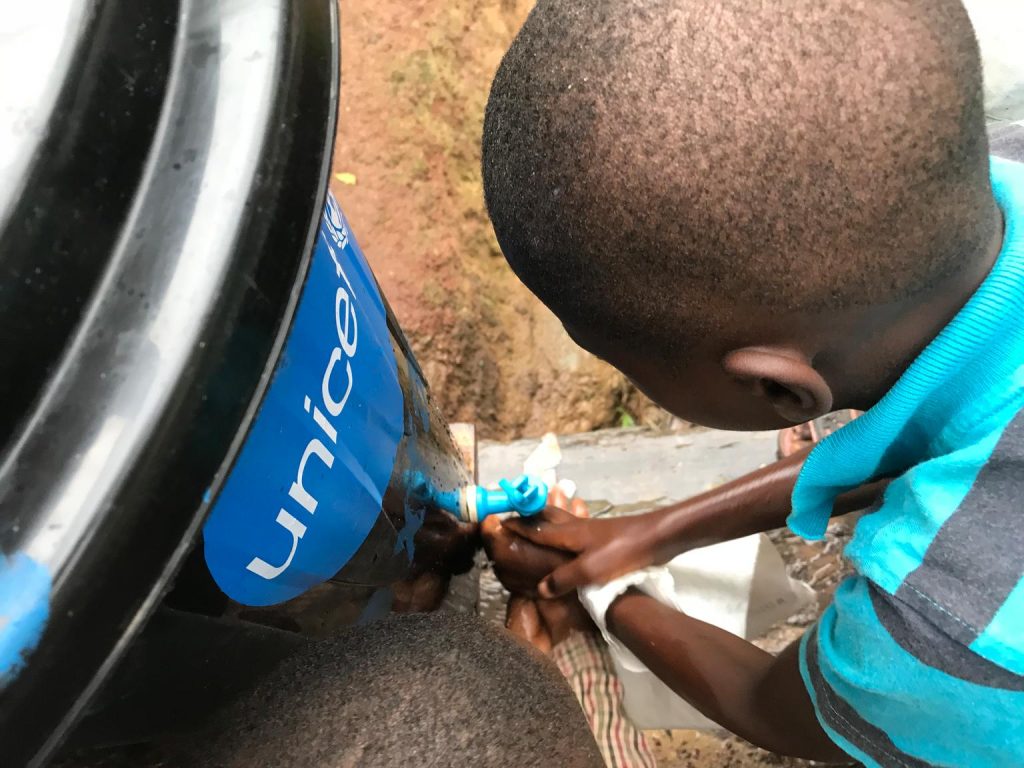
The international response to Haiti’s ongoing cholera outbreak has been multifaceted, including health education efforts by community health workers and the distribution of free water treatment products. Artibonite Department was the first region affected by the outbreak. Numerous organizations have been involved in cholera response efforts in Haiti with many focusing on efforts to improve water, sanitation, and hygiene (WASH). Multiple types of water treatment products have been distributed, creating the potential for confusion over correct dosage and water treatment methods. The authors utilized qualitative methods in Artibonite to determine the population’s response to WASH messages, use and acceptability of water treatment products, and water treatment and sanitation knowledge, attitudes and practices at the household level.
They conducted eighteen focus group discussions (FGDs): 17 FGDs were held with community members (nine among females, eight among males); one FGD was held with community health workers.
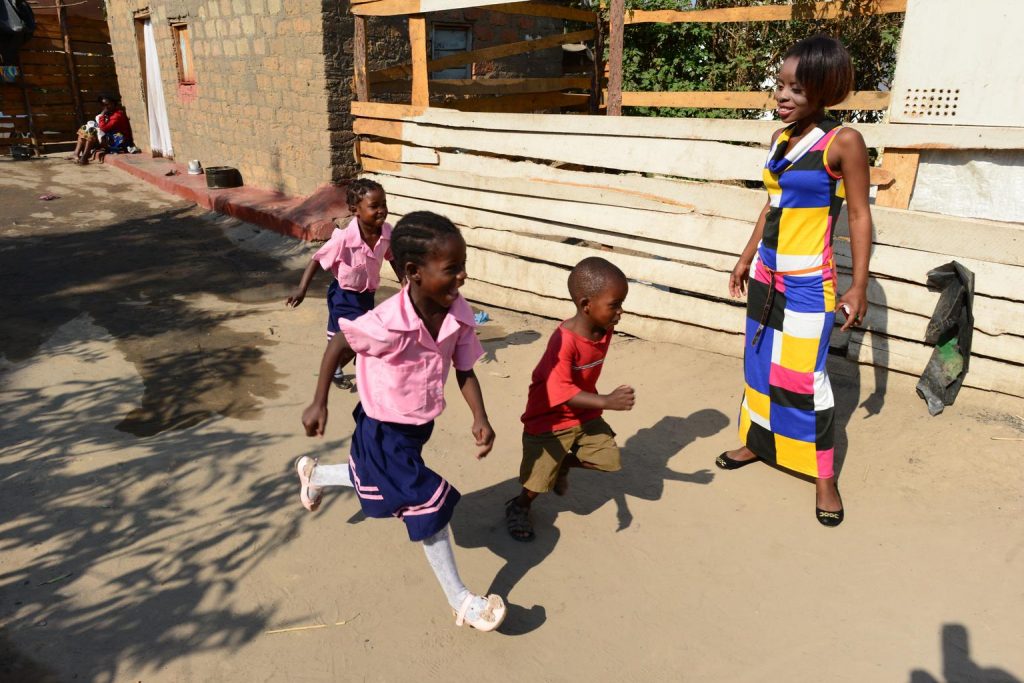
The emergence of infectious diseases of zoonotic origin highlights the need to understand social practices at the animal-human interface. This study provides a qualitative account of interactions between humans and wild animals in predominantly Mende villages of southern Sierra Leone. The authors conducted fieldwork over 4 months including participant and direct observations, semi-structured interviews (n = 47), spontaneously occurring focus group discussions (n = 12), school essays and informal interviews to describe behaviours that may serve as pathways for zoonotic infection. In this region, hunting is the primary form of contact with wild animals.
The study describes how these interactions are shaped by socio-cultural contexts, including opportunities to access economic resources and by social obligations and constraints. This research suggests that the potential for exposure to zoonotic pathogens is more widely distributed across different age, gender and social groups than previously appreciated.
This alternative report has been prepared by non-governmental organisations of indigenous Pygmy peoples and their supporters: 15 non-governmental organisations that work with indigenous peoples of the Democratic Republic of Congo (DRC). Its aim is to present a picture of the situation of indigenous Pygmies. The organisations that have authored this report regret the lack of information on the rights of indigenous Pygmy peoples, and the absence of any commitment to promote and protect them. This is despite the fact that these peoples face numerous forms of discrimination and live in conditions of extreme vulnerability and poverty.
As this report shows, indigenous Pygmy peoples of the DRC are victims of discrimination that is largely due to their gender. However, their ethnicity, and often their poverty, are also factors. In the DRC, indigenous Pygmy peoples continue to suffer discrimination and marginalization. To date,
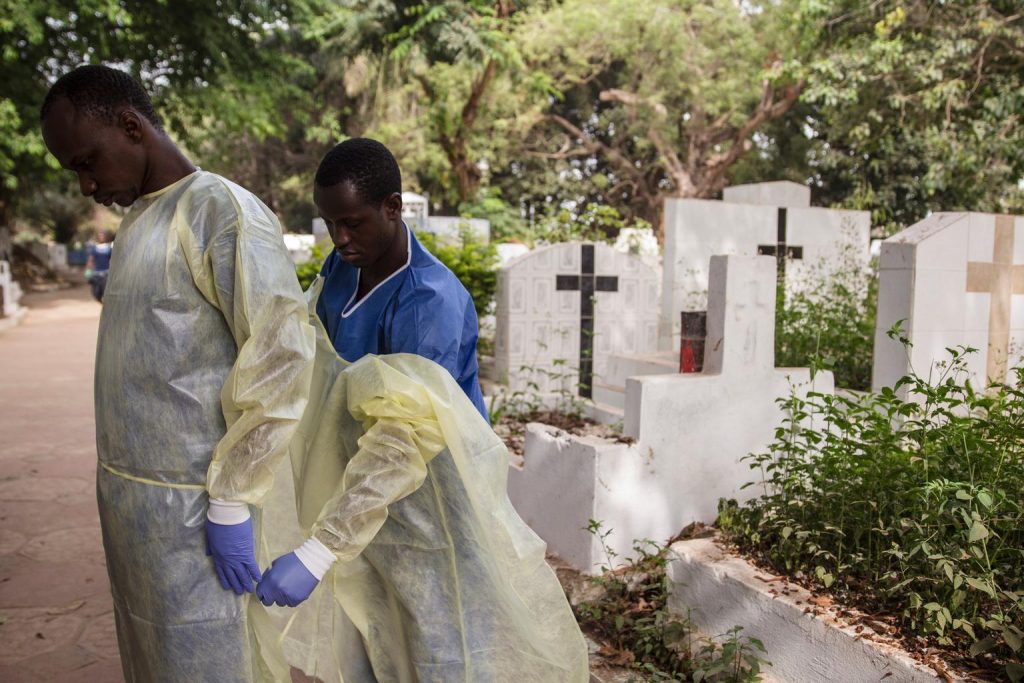
During the height of the Ebola crisis in West Africa, public health responders and the international media focused on dead bodies as sites of disease transmission when early contact tracing discovered the relationship between attendance at funerals and emerging clusters of new cases. Anthropologists were central to the emergence of new protocols for “safe and dignified” disposal of the dead, emphasizing alternative rituals and the flexibility of local practice.
In the process, the author suggest that the emotional impact of loss and bereavement was subordinated to the focus on ritual. The new knowledge produced about safe and dignified burials in West Africa reveals the absence of knowledge about the handling of dead bodies and the emotional impact of bereavement among journalists, anthropologists, and biomedical professionals alike.
The 2015 Middle East respiratory syndrome (MERS) outbreak in South Korea was a serious threat to public health, and was exacerbated by the inappropriate responses of major institutions and the public. This study examined the sources of confusion during the MERS outbreak and identifed the factors that can affect people’s behaviour. An online survey of the risk perception of university students in South Korea was performed after the epidemic had peaked. The questionnaire addressed the major social determinants in South Korea during the MERS epidemic.
The analysis included data from 1,470 subjects who provided complete answers. The students had 53.5% of the essential knowledge about MERS. Women showed higher risk perception than men, and trust in the media was positively associated with risk perception (P < .001). Additionally, risk perception was positively associated with overreaction by the public (odds ratio, 2.80;
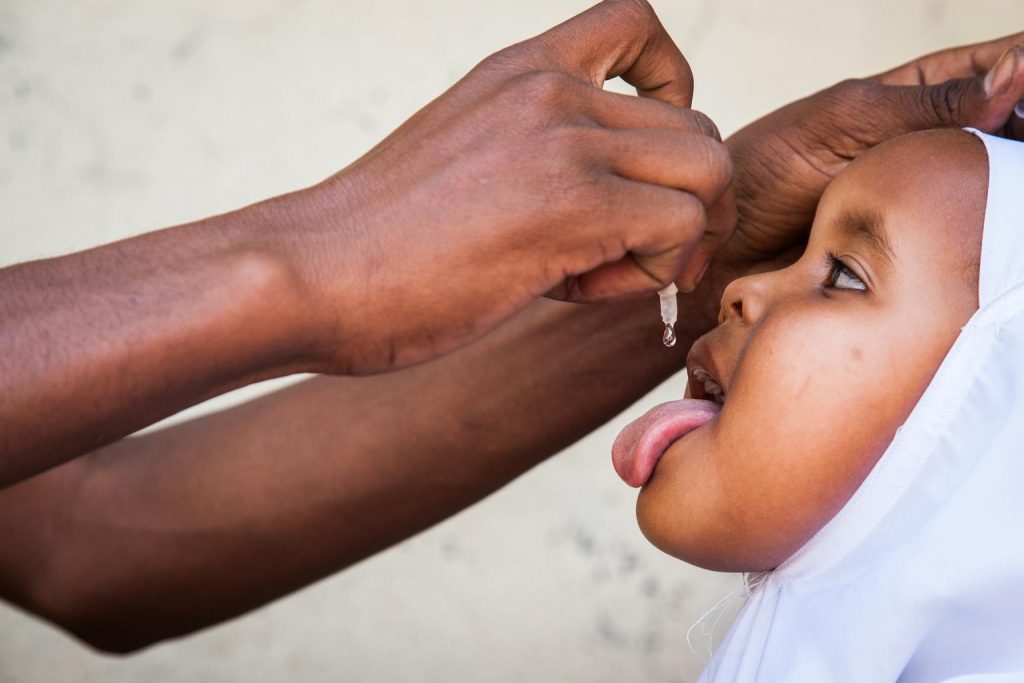
In regions where access to clean water and the provision of a sanitary infrastructure has not been sustainable, Cholera continues to pose an important public health burden. Although oral Cholera vaccines (OCV) are effective means to complement classical Cholera control efforts, still relatively little is known about their acceptability in targeted communities. Clarification of vaccine acceptability prior to the introduction of a new vaccine provides important information for future policy and planning.
In a cross-sectional study in Katanga province, Democratic Republic of Congo (DRC), local perceptions of Cholera and anticipated acceptance of an OCV were investigated. A random sample of 360 unaffected adults from a rural town and a remote fishing island was interviewed in 2010. In-depth interviews with a purposive sample of key informants and focus-group discussions provided contextual information. Socio-cultural determinants of anticipated OCV acceptance were assessed with logistic regression.
This article explores the implications for human health of local interactions between disease, ecosystems and livelihoods. Five interdisciplinary case studies addressed zoonotic diseases in African settings: Rift Valley fever (RVF) in Kenya, human African trypanosomiasis in Zambia and Zimbabwe, Lassa Fever in Sierra Leone and henipaviruses in Ghana. Each explored how ecological changes and human-ecosystem interactions affect pathogen dynamics and hence the likelihood of zoonotic spillover and transmission, and how socially differentiated peoples’ interactions with ecosystems and animals affect their exposure to disease.
Cross-case analysis highlights how these dynamics vary by ecosystem type, across a range from humid forest to semi-arid savannah; the significance of interacting temporal and spatial scales; and the importance of mosaic and patch dynamics. Ecosystem interactions and services central to different people’s livelihoods and well-being include pastoralism and agro-pastoralism, commercial and subsistence crop farming, hunting, collecting food,
Transmission of zoonotic pathogens from bats to humans through direct and indirect contact with bats raises public apprehension about living close to bats. In the township of Ve Golokuati in Ghana, several “camps” of Epomophorus gambianus roost in fruit trees that provide ecosystems services for residents. This study explored human-bat interaction in the township and the potential risks of disease transmission from bats to humans. Data were derived through questionnaire administration and participatory appraisal approach involving focus group discussions, participatory landscape mapping, and transect walk.
The study found that most human activities within the township, such as petty-trading, domestic chores, and children’s outdoor recreation, exposed people to bats. Though there have been no reported cases of disease spillover from bats to humans from the perspective of residents and from medical records, respondents whose activities brought them closer to bats within the township were found to be more likely to experience fevers than those who do not interact with bats frequently.

Meningitis has a significant impact in the Sahel, but the mechanisms for transmission and factors determining a person’s vulnerability are not well understood. Our survey examined the knowledge, attitudes, and practices of people in a meningitis-endemic area in the Upper East region of northern Ghana to identify social, economic, and behavioral factors that may contribute to disease transmission and possible interventions that might improve health outcomes.
Key results suggest potential interventions in response to the risk posed by migration, especially seasonal migration, a lack of knowledge about early symptoms causing delayed treatment, and a need for further education about the protective benefits of vaccination.
This descriptive cross-sectional study assessed the knowledge, attitudes and practices of Lassa Fever in and around Lafia, Central Nigeria. Structured questionnaires were administered to 200 consenting respondents from urban and sub-urban areas in Lafia. Of the 200 respondents, 87% heard of Lassa Fever with 89% and 80% from urban and sub-urban areas. There was no significant difference on the awareness of Lassa Fever among respondents from urban and sub-urban areas (P>0.05). There was misperception about species affected and modes of transmission of the disease, nevertheless bleeding was mentioned by 39% of the respondents as the major clinical manifestation.
Also, 83% of the respondents had rats/rodents in and around their residence, of which 28% come into contact with urine/feaces of the rodents and 24% consume foods contaminated by the rodents. However, 85% of the respondents do not believe in the existence of Lassa Fever.
It is important to understand a population’s health behaviours and their underlying determinants such as knowledge, attitudes and beliefs related to health, when we seek to deliver appropriate health care services that may increase health service utilization and ultimately population health. Access and utilization of health services is difficult to define, being a multi-dimensional process that in addition to the quality of care, involves geographical and financial accessibility, availability of the right type of care for those who need it and acceptability of services. The potential contribution of knowledge, attitudes and practices (KAP) studies to increasing health access, utilisation and population health has not received much attention in African countries, including the Republic of Congo.
Lack of community involvement and lack of medical materials were other major issues that may hamper the use of the CSIs by the population. Despite cultural acceptability and overall approval of public health services in Ignié Ngabé,
Outbreaks of Rift Valley fever (RVF), a mosquito-borne viral zoonosis, have previously been associated with unusually heavy rainfall and extensive flooding. The disease is a serious public health problem in Africa and the Middle East, and is a potential global health threat. In Kenya, outbreaks of the disease have disproportionately affected impoverished pastoralist communities.
This study sought to assess the knowledge, attitudes and practices (KAP) regarding RVF among the pastoralists of North Eastern Kenya, and to establish the determinants of KAP on RVF. A cross-sectional study involving 392 pastoralists living in Ijara district (Masalani and Ijara wards) was carried out using an interview questionnaire. All respondents interviewed (100%) had heard about RVF disease. They recognized that the disease is dangerous (99%), and had a positive attitude towards vaccination of animals (77%). However, few respondents knew that abortion (11%) and high mortality of young animals (10%) were key signs of RVF in animals.
In endemic countries such as Bangladesh, consequences of cholera place an enormous financial and social burden on patients and their families. Cholera vaccines not only provide health benefits to susceptible populations but also have effects on the earning capabilities and financial stability of the family. Community-based research and evaluations are necessary to understand perceptions about and practices of the community relating to cholera and oral cholera vaccines. This may help identify the ways in which such vaccines may be successfully introduced, and other preventive measures can be implemented. The present study assessed the knowledge of, attitudes toward, and preventive practices relating to cholera and oral cholera vaccine among an urban population residing in a high cholera-prone setting in Dhaka, Bangladesh.
This cross-sectional study was conducted in an area of high cholera prevalence in 15 randomly-selected clusters in Mirpur, Dhaka city. A study team collected data through a survey and in-depth interviews during December 2010-February 2011.
Plague is a virulent zoonosis reported most commonly from Sub-Saharan Africa. Early treatment with antibiotics is important to prevent mortality. Understanding knowledge gaps and common behaviors informs the development of educational efforts to reduce plague mortality. Methods A multi-stage cluster-sampled survey of 420 households was conducted in the plague-endemic West Nile region of Uganda to assess knowledge of symptoms and causes of plague and health care-seeking practices.
Most (84%) respondents were able to correctly describe plague symptoms; approximately 75% linked plague with fleas and dead rats. Most respondents indicated that they would seek health care at a clinic for possible plague; however plague-like symptoms were reportedly common, and in practice, persons sought care for those symptoms at a health clinic infrequently. Persons in the plague-endemic region of Uganda have a high level of understanding of plague, yet topics for targeted educational messages are apparent.
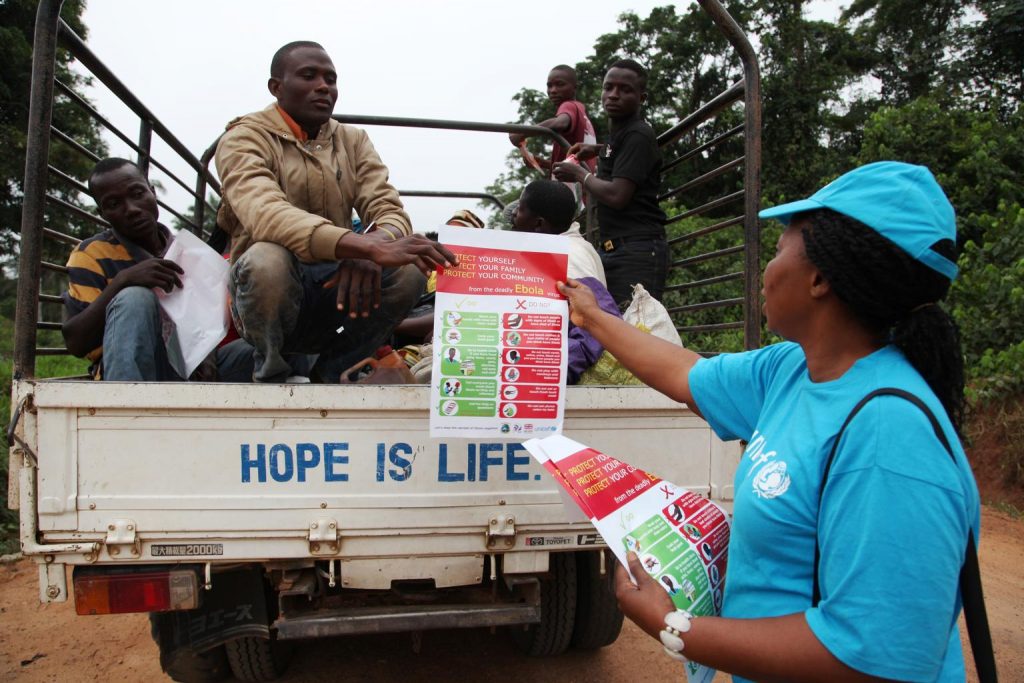
This paper describes knowledge and attitude towards Ebola and Marburg virus outbreaks in two affected communities in Uganda to inform future outbreak responses and help in the design of health education and communication messages.
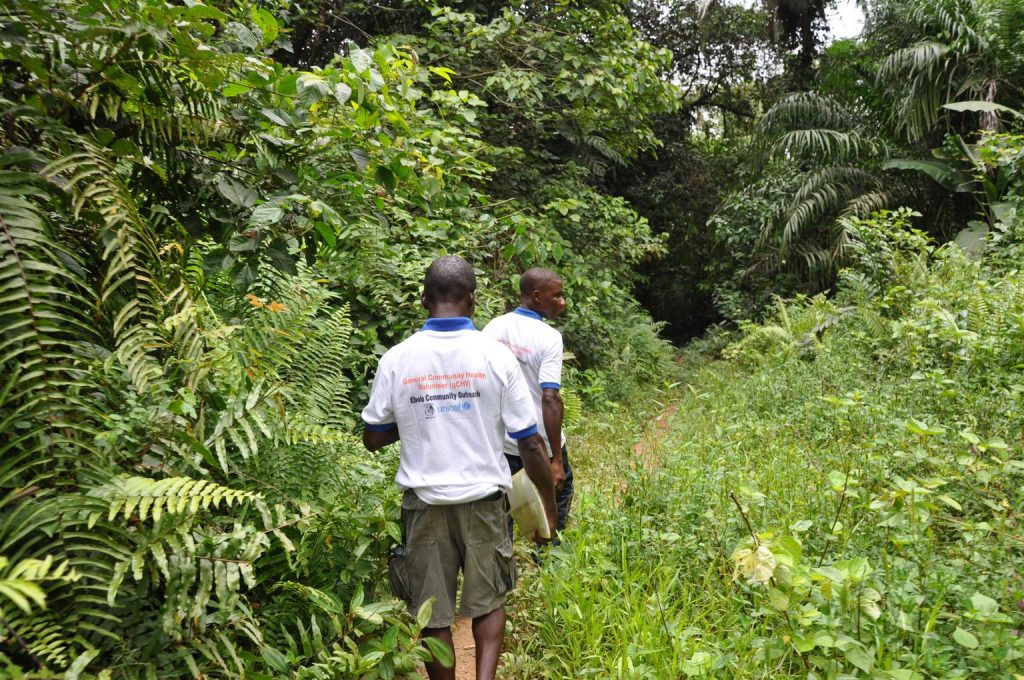
Substantive citizenship is the ability of an individual to influence those who govern. In order to assess this ‘ability’, this study examined the powers of sanction possessed by individuals or groups and the accountability mechanisms at their disposal in three villages in the Bikoro Territory of Democratic Republic of Congo (DRC). More specifically, the article examined power relations and the accountability of local authorities involved in forestry and development interventions, in order to understand the effects of these interventions on substantive citizenship. The study found that forestry and development agencies chose to partner with identity-based customary authorities and interest-based non-governmental organizations in lieu of local state authorities and the absence of elected local government.
These chosen institutions are not directly accountable to the local people, but their partnership with higher level forestry and development agencies gave them public powers over resources.
A reactive campaign using two doses of Shanchol Oral Cholera Vaccine (OCV) was implemented in 2016 in the Lake Chilwa Region (Malawi) targeting fish dependent communities. Three strategies for the second vaccine dose delivery (including delivery by a community leader and self-administration) were used to facilitate vaccine access.
This assessment collected vaccine perceptions and opinions about the OCV campaign of 313 study participants, including: fishermen, fish traders, farmers, community leaders, and one health and one NGO officer. Socio-demographic surveys were conducted, in Depth Interviews and Focus Group Discussions were conducted before and during the campaign. Some fishermen perceived the traditional delivery strategy as reliable but less practical. Delivery by traditional leaders was acceptable for some participants while others worried about traditional leaders not being trained to deliver vaccines or beneficiaries taking doses on their own. A slight majority of beneficiaries considered the self-administration strategy practical while some beneficiaries worried about storing vials outside of the cold chain or losing vials.
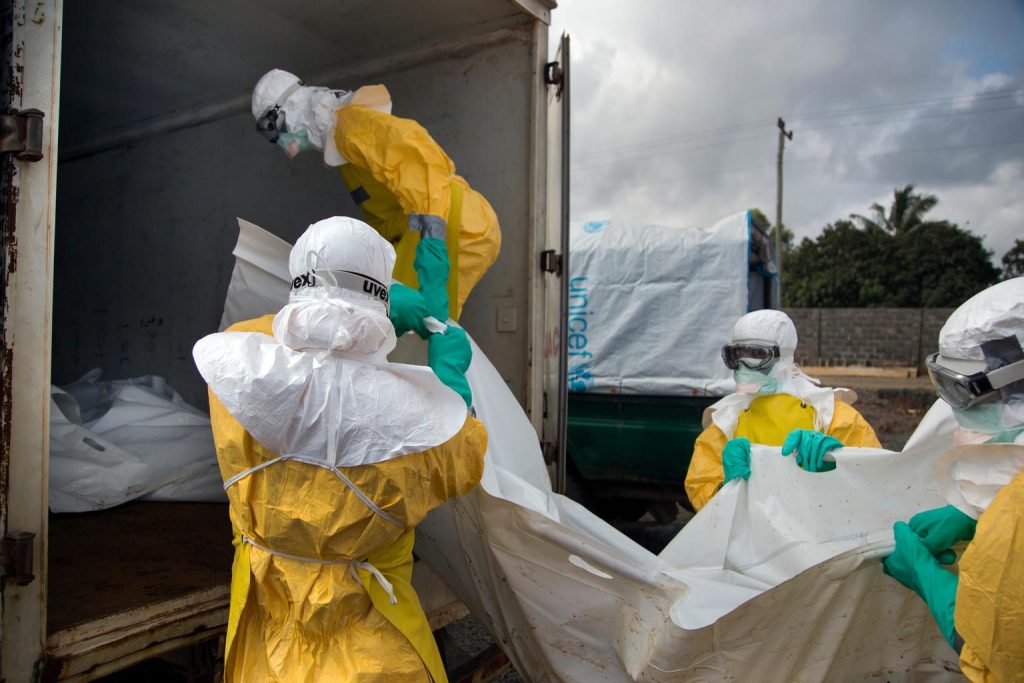
Interviews were conducted with health workers and community members in Masindi, Uganda on improving the acceptability of infection control measures used during an Ebola outbreak. Measures that promote cultural sensitivity and transparency of control activities were preferred and should be employed in future control efforts. We suggest assessing the practicality of body bags with viewing windows, and face shields with or without chin protectors, in future outbreaks.
Recent research in two Cholera-endemic communities of Zanzibar has shown that a majority (94%) of the adult population was willing to receive free oral Cholera vaccines (OCVs). Since OCV uptake in the 2009 campaign reached only 50% in these communities, an evaluation of social and cultural factors and of barriers was conducted to understand this difference for future Cholera control planning.
A random sample of 367 adult peri-urban and rural community residents (46.6% immunized vs. 53.4% unimmunized) was studied with a semi-structured interview that inquired about social and cultural features of Cholera depicted in a vignette and barriers to OCV uptake. Symptoms (rectal pain, loose skin only in rural community) and perceived causes (uncovered food, contact with contaminated water) specific for severe diarrhea were associated with uptake. Purchasing drugs from pharmacies to stop diarrhea and vomiting was negatively associated with uptake.
The index case of the Ebola virus disease epidemic in West Africa is believed to have originated in Guinea. By June 2014, Guinea, Liberia, and Sierra Leone were in the midst of a full-blown and complex global health emergency. The devastating effects of this Ebola epidemic in West Africa put the global health response in acute focus for urgent international interventions. Accordingly, in October 2014, a World Health Organization high-level meeting endorsed the concept of a phase 2/3 clinical trial in Liberia to study Ebola vaccines.
As a follow-up to the global response, in November 2014, the Government of Liberia and the US Government signed an agreement to form a research partnership to investigate Ebola and to assess intervention strategies for treating, controlling, and preventing the disease in Liberia. This agreement led to the establishment of the Joint Liberia-US Partnership for Research on Ebola Virus in Liberia as the beginning of a long-term collaborative partnership in clinical research between the two countries.
Cholera outbreaks are recurrent in Cameroon and despite the efforts put together during epidemics, they are always associated with a high case fatality. Inadequate demand for health care is one of the major factors that might be responsible for the high case fatality. This study was conducted to describe the health seeking behaviour of suspected cases of Cholera in four health districts of the Far North Cameroon.
The authors conducted a health facility based descriptive study involving suspected cases of Cholera received in health facilities. Data was collected from August 2013 to October 2015 with the help of a questionnaire and analysis done by running frequency and calculating confidence interval at 95% with Epi Info version 3.5.4.
A total of 1849 cases were enrolled, with 997 (53.9%) being males. 534 (28.9%) were children under the age of 5 and 942 (50.9%) were above the age of 14.
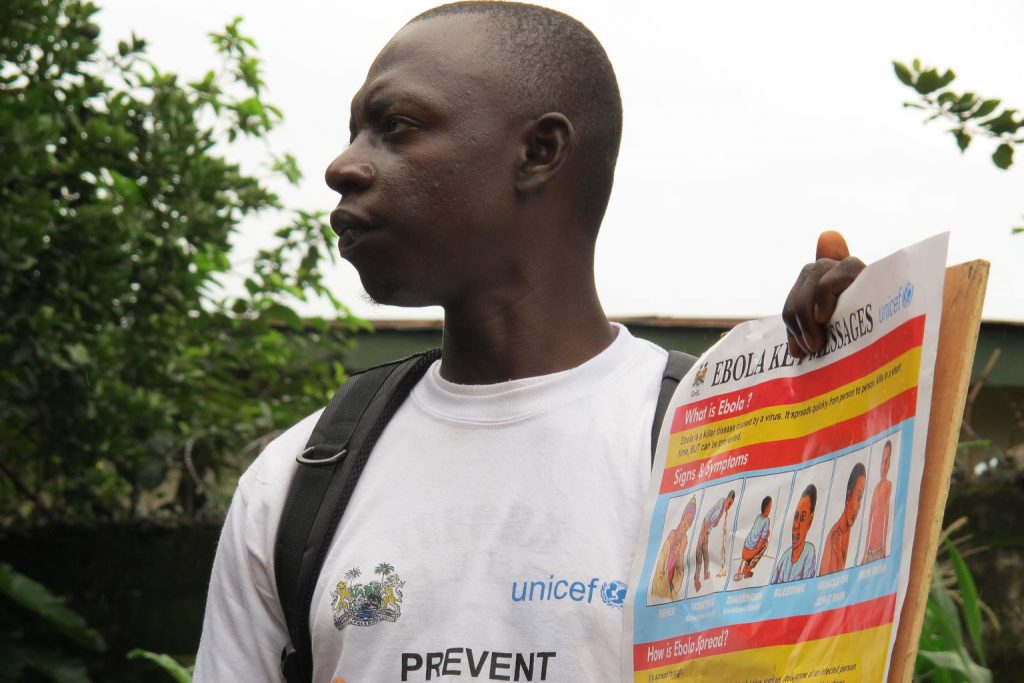
This paper elaborates a ‘pathways approach’ to addressing the governance challenges posed by the dynamics of complex, coupled, multi-scale systems, while incorporating explicit concern for equity, social justice and the wellbeing of poor and marginalised groups. It illustrates the approach in relation to current policy challenges of dealing with epidemics and so-called ’emerging infectious diseases’ such as avian influenza and haemorrhagic fevers, which involve highly dynamic, cross-scale, often-surprising viral-social-political-ecological interactions. Amidst complexity, we show how different actors in the epidemics field produce particular narratives which frame systems and their dynamics in different ways, promote particular goals and values, and justify particular pathways of disease response.
These range from ‘outbreak narratives’ emphasising threat to global populations, to alternative but often marginalised narratives variously emphasising long-term structural, land use and environmental change, local knowledge and livelihood goals. The study highlights tendencies – supported by cognitive,
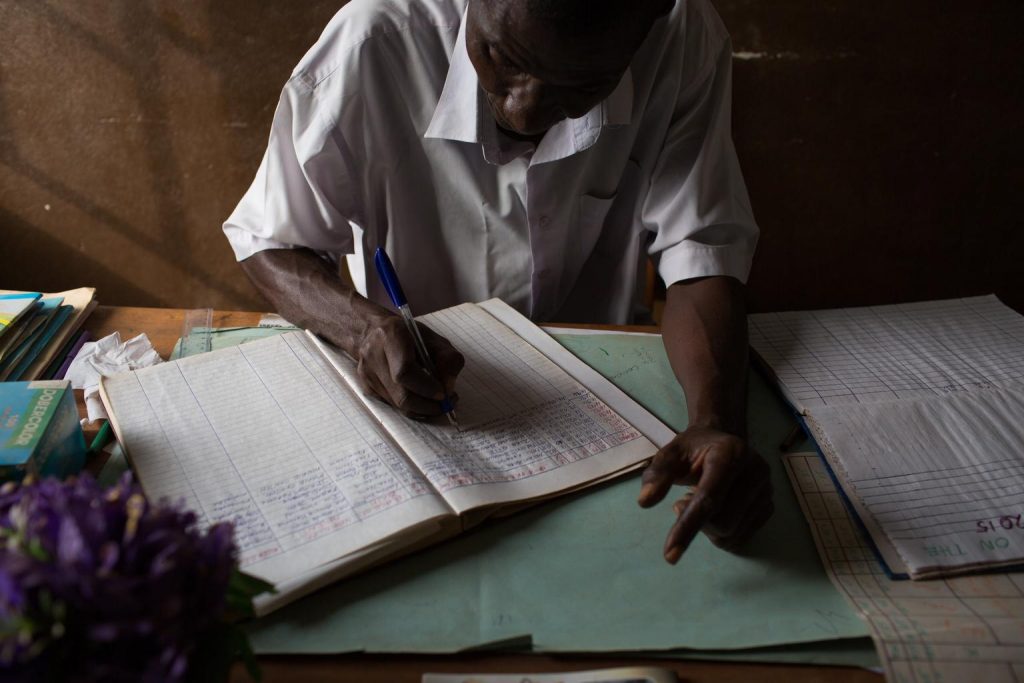
The Ebola outbreak in West Africa has exposed the limits of the current approach to the global governance of infectious diseases, which mixes public health and security interests. International efforts to strengthen ‘health security’ quickly faltered when confronted with weak national health systems. Costly attempts by Western governments to strengthen global health security by developing new medical countermeasures, though important, did not yield a single, effective, widely available treatment or vaccine before the outbreak occurred.
The World Health Organization (WHO), which had made strengthening global health security a strategic objective, was unable to marshal a rapid international response to the epidemic due to its institutional structure and recent cutbacks in its outbreak and emergency response department. In the end, governments could only try to get ‘ahead’ of the disease via a heavily militarised response that came too late for the thousands who have already died,
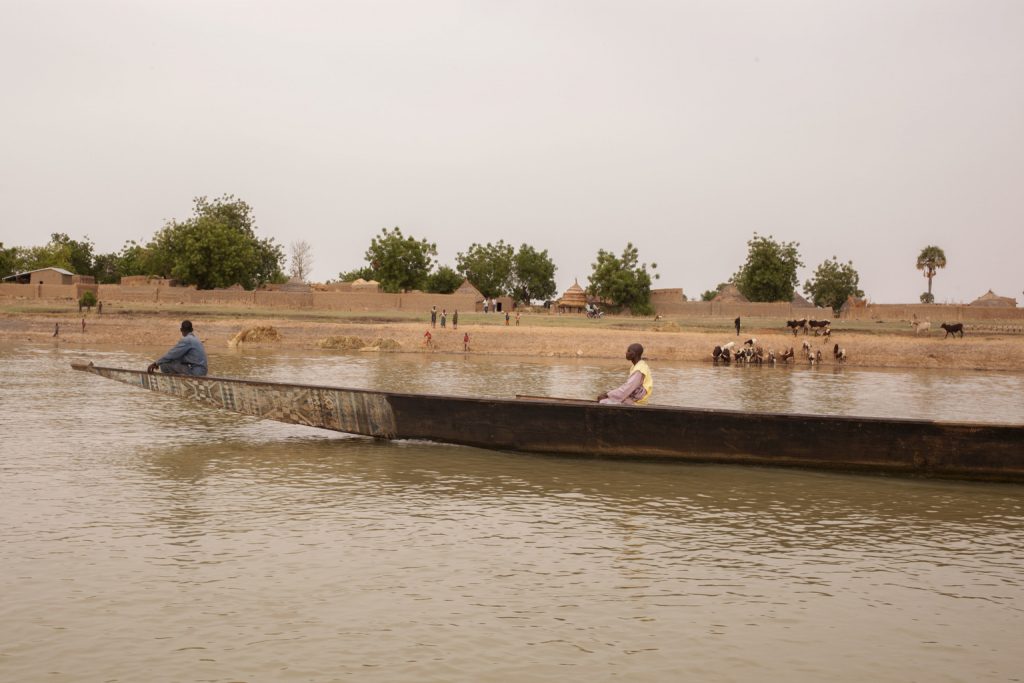
The Pygmies are knowledgeable of the virtues of the biodiversity of their environment, including the food value ofthese species. This study report on food strategy developed by the Batwa and is based on a rich biodiversity. The authors conducted a household survey of 260 Batwa in five villages in Bikoro territory, Democratic Republic of Congo.
The results of this survey show that 105 edible wild plants are recognized by the Batwa even if only 65 are actually used in the diet of the Batwa. Animal Genetic Resources and Other Non-timber Forest Products are also very diverse. However, there is currently in the region to a scarcity of natural resources, particularly due to the uncontrolled harvesting, expansion of agriculture due to strong population growth and logging.
Emerging Viral Haemorrhagic Fevers (VHFs) offer a frontier for a “One-Health” research agenda; the joined-up, or collaborative, effort of multiple disciplines to attain optimal health for people, animals, and the environment (e.g. http://www.onehealthinitiative.com/).
Multidisciplinary work on Lassa Fever and Ebola Virus Disease in Guinea and Sierra Leone explores the connections between humans, rodents such as the Mastomys natalensis (Natal multimammate mouse), and the broader environmental conditions that facilitate virus transmission. In this viewpoint, the authors outline their vision for an anthropological contribution to the study of VHFs.
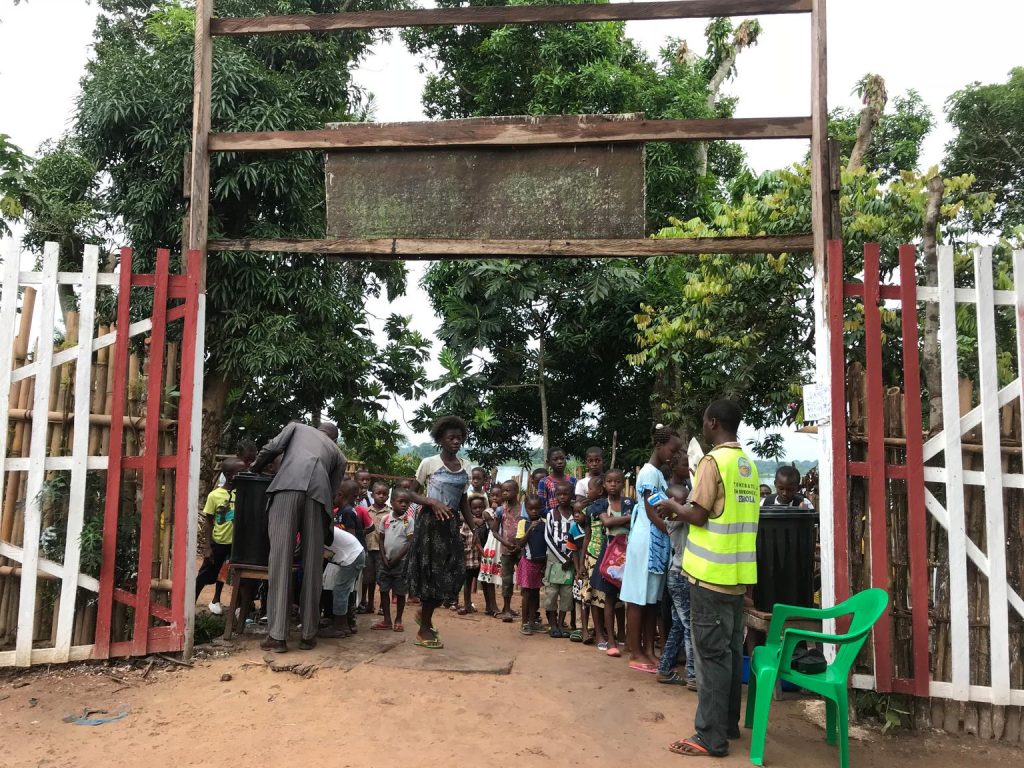
Building on the experience of the 2013-2014 wild poliovirus outbreak in the Horn of Africa, this study examines applied strategies that helped to engage pastoralists of the Somali cluster (Somalia, Somali Region of Ethiopia, and North-East Kenya) in supplementary immunization activities. Aimed at being applicable to other public health interventions, the study synthesizes knowledge about Somali pastoralism in the Horn of Africa and explains the approaches used for tracking nomadic groups and creating dialogue, as well as building trust to enable better vaccination opportunities for pastoralist children. Interventions across the three countries included creating a network of informants and influencers, engagement with clan leaders, mapping of water points and livestock markets, forming a partnership with an animal vaccination program, cross-border coordination, and establishment of permanent transit vaccination points.
The proportion of children who had never been vaccinated against polio in the overall incidence of children reported with nonpolio acute flaccid paralysis in Somalia was used as an outcome measure before and after the interventions.
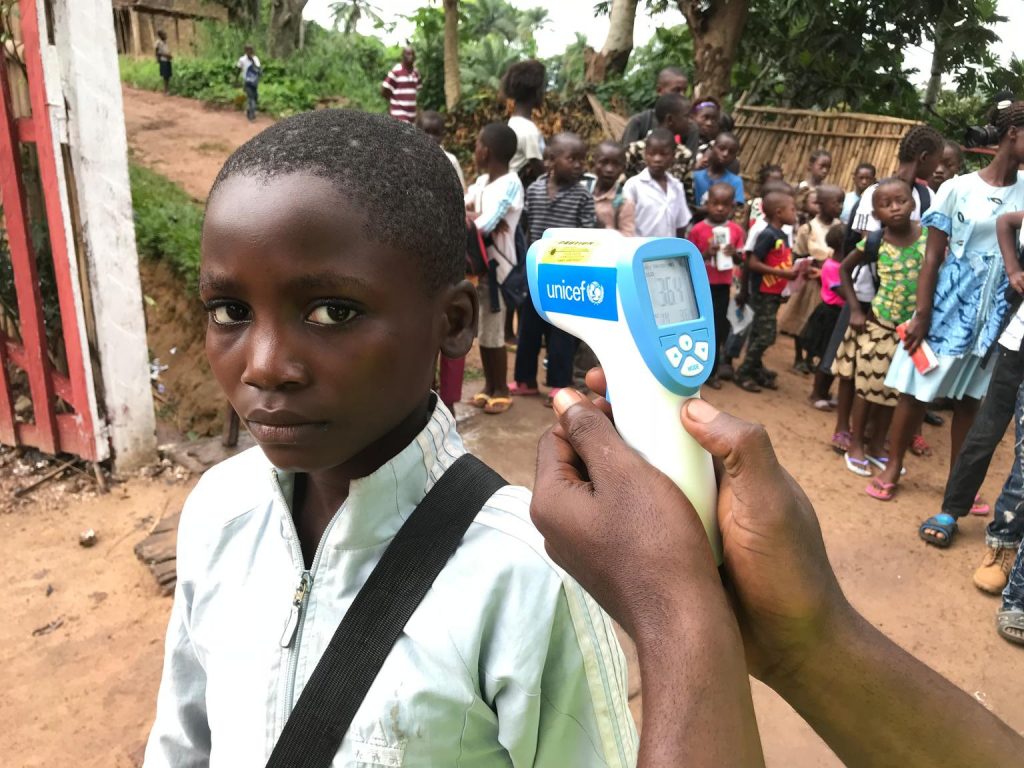
The devastating toll of the Ebola epidemic in West Africa necessitates considerations of new approaches to research into new prevention technologies and treatments for Ebola Virus Disease (EVD). Research must be planned and delivered in consultation with civil society from the epicentre to prevent mistrust and misunderstanding.
Ethical considerations include development of local research and regulatory capacity; negotiating the standard of prevention packages for research participants, including healthcare workers; and strengthening health systems in developing countries to ensure effective response to future EVD outbreaks in the region. Also, strategic consultation with local communities is an ethical imperative for EVD research, particularly where there is potential for differential access to prevention and care packages between trial staff and local hospital staff.

The establishment of international collaborative research partnerships in times of infectious disease outbreaks of international importance has been considered an ethical imperative. Frail health research systems in low- and middle-income countries can be an obstacle to achieve the goal of knowledge generation and the search for health equity before, during and after infectious disease outbreaks.
The Dominican government and research stakeholders can contribute to the international response to the Zika virus through active participation in international collaborative research partnerships; however, public recognition of the need to embrace health research as part of public policy efforts is warranted. A working group led by the government and formed by national and international research stakeholders will be key to identify ways in which the country could respond to the ethical demand of generating new knowledge in times of outbreaks.
This article explores the politics of knowledge involved in understanding and responding to epidemics in an era of global health governance and biosecurity. It develops and applies an approach focused on how multiple, competing narratives about epidemics are constructed, mobilized and interact, and selectively justify pathways of intervention and response.
A detailed ethnographic case study of national and local responses to H1N1 influenza, so-called swine flu, in Egypt reveals how global narratives were reworked by powerful actors in a particular political context, suppressing and delegitimizing the alternative narratives of the Zabaleen (Coptic Christian) people whose lives and livelihoods centered on raising pigs and working with them to control urban waste. The case study illustrates important ways in which geographies and politics of blame around epidemics emerge and are justified, their political contexts and consequences, and how they may feed back to shape the dynamics of disease itself.
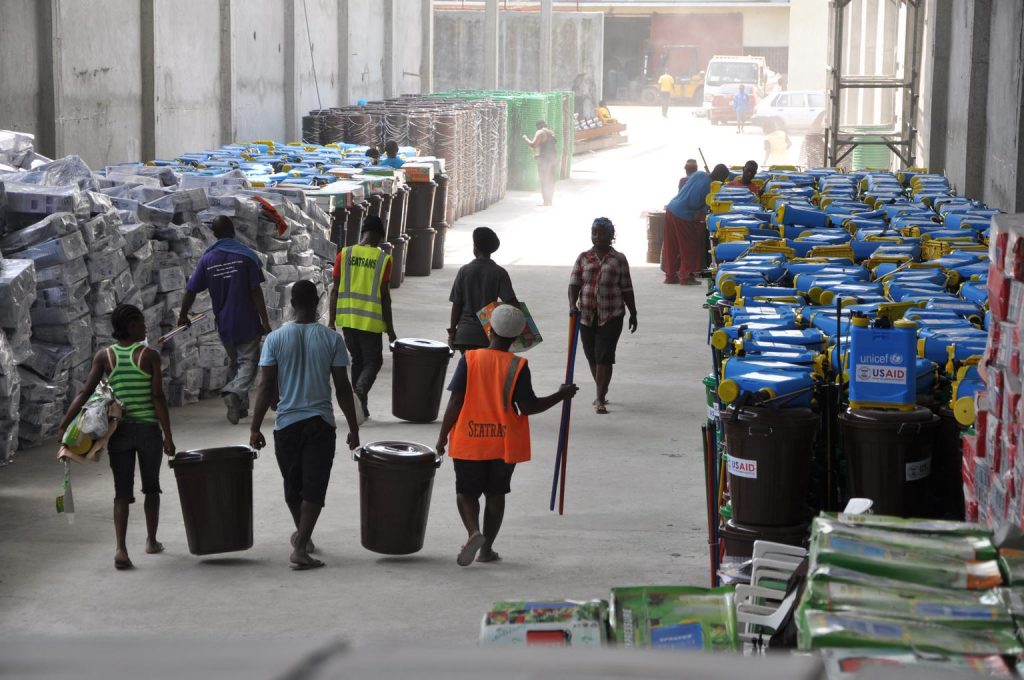
Regional and global disease epidemics, which followed in the wake of the First World War, became the crucial tipping point in the balance between resistance and accommodation that had been established between the British colonial administration and newly colonized people of the Sierra Leone Protectorate. From 1915 to 1919, a smallpox epidemic and the global influenza epidemic overwhelmed the inhabitants of the northern region of Sierra Leone, severely disrupting the movement of people, agricultural production, and trade. In the wake of these epidemics and social disruptions, British colonial demands for revenue, labour, and food from Sierra Leoneans to support their European war effort became more onerous. By 1919, the surreptitious protests of the pre-war period had given way to open and violent confrontation, as anti-Syrian and rice riots swept through the urban areas of the protectorate and colony.