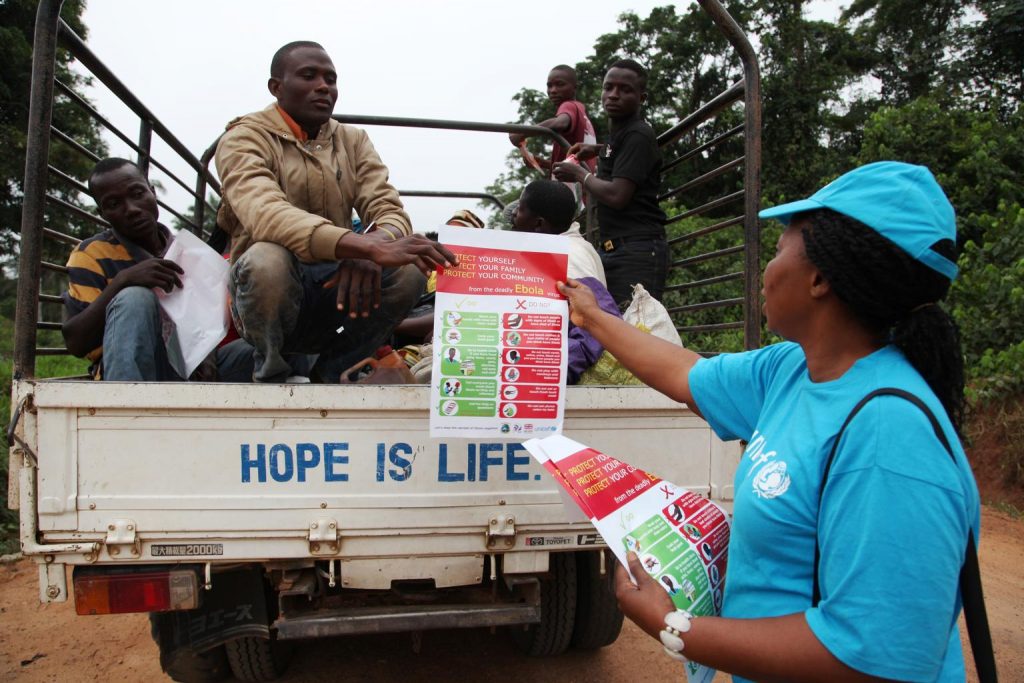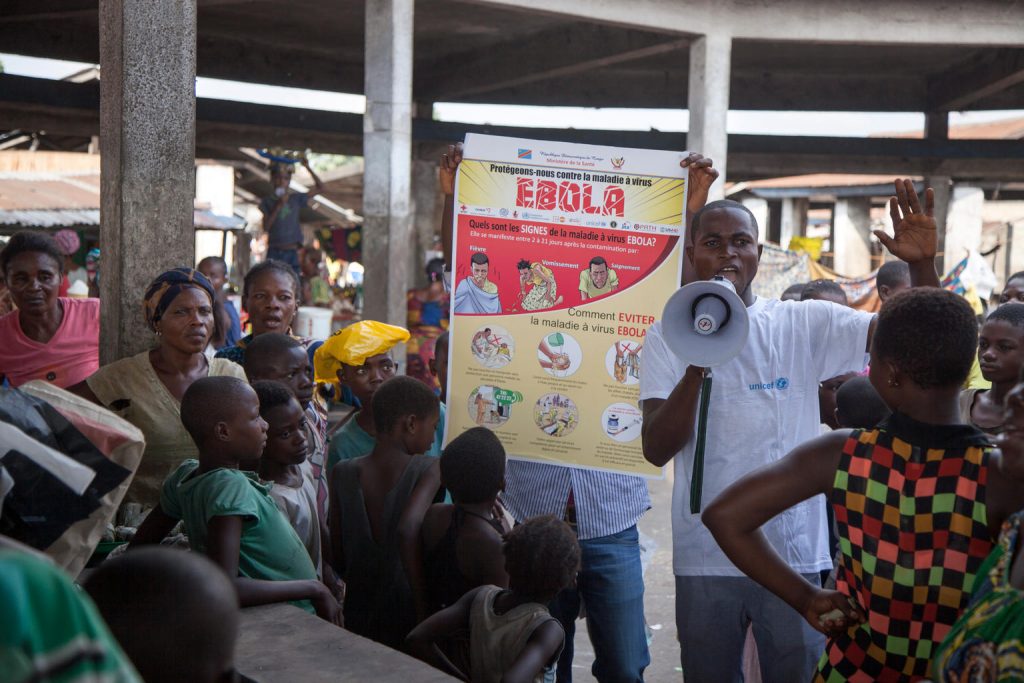
Anthropology’s response to the West African Ebola epidemic was one of the most rapid and expansive anthropological interventions to a global health emergency in the discipline’s history. This article sets forth the size and scale of the anthropological response and describes the protagonists, interventions, and priorities for anthropological engagement. It takes an inclusive approach to anthropological praxis by engaging with the work of nonanthropologist “allies,” including qualitative researchers, social workers, and allied experts.
The article narrates how the concept of “anthropology” came to serve as a semantic marker of solidarity with local populations, respect for customary practices and local sociopolitical realities, and an avowed belief in the capacities of local populations to lead localized epidemic prevention and response efforts. Of particular consideration is the range of complementary and conflicting epistemological, professional, and critical engagements held by anthropologists. The article also discusses how to assess anthropological “impact”
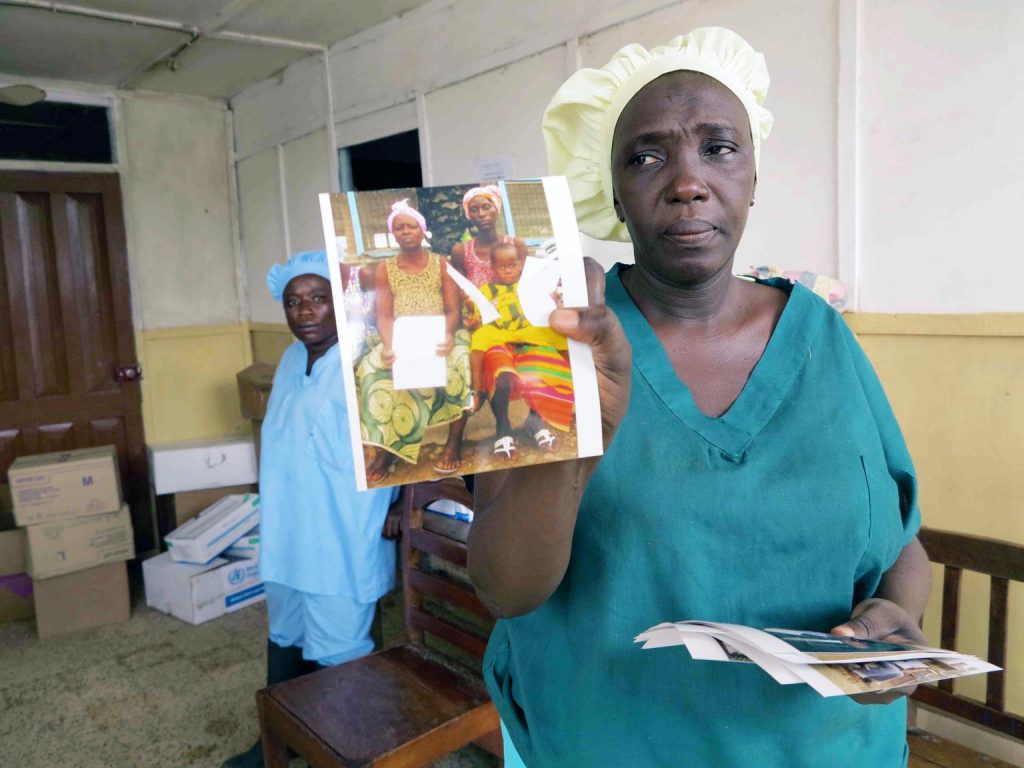
The 2014–2016 Ebola epidemic presented a challenging setting in which to carry out clinical trials. This paper reports findings from social science research carried out in Kambia, Northern Sierra Leone during first year of an Ebola vaccine trial (August 2015–July 2016). The social science team collected data through ethnographic observation, 42 in depth interviews; 4 life narratives; 200 exit interviews; 31 key informant interviews; and 8 focus group discussions with trial participants and community members not enrolled in the trial.
Whilst research often focuses on why people refuse vaccination, we instead explore participant motivations for volunteering for the study, in spite of prevailing anxieties, rumours and mistrust during and after the Ebola outbreak. In so doing the paper contributes to on-going debates about research ethics and community engagement in resource poor contexts, offering reflections from an emergency and post-epidemic setting. We analyse participants’ perceptions of the risks and benefits of participations,
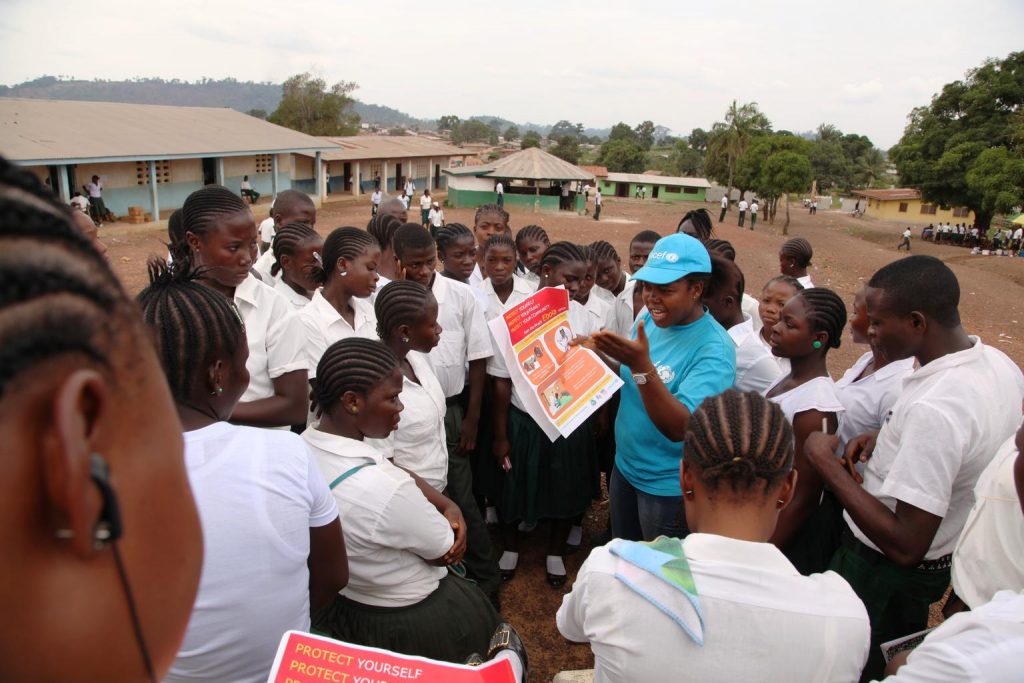
The recent Ebola epidemic in West Africa highlights how engaging with the sociocultural dimensions of epidemics is critical to mounting an effective outbreak response. Community engagement was pivotal to ending the epidemic and will be to post-Ebola recovery, health system strengthening and future epidemic preparedness and response. Extensive literatures in the social sciences have emphasized how simple notions of community, which project solidarity onto complex hierarchies and politics, can lead to ineffective policies and unintended consequences at the local level, including doing harm to vulnerable populations.
This article reflects on the nature of community engagement during the Ebola epidemic and demonstrates a disjuncture between local realities and what is being imagined in post-Ebola reports about the lessons that need to be learned for the future. We argue that to achieve stated aims of building trust and strengthening outbreak response and health systems,
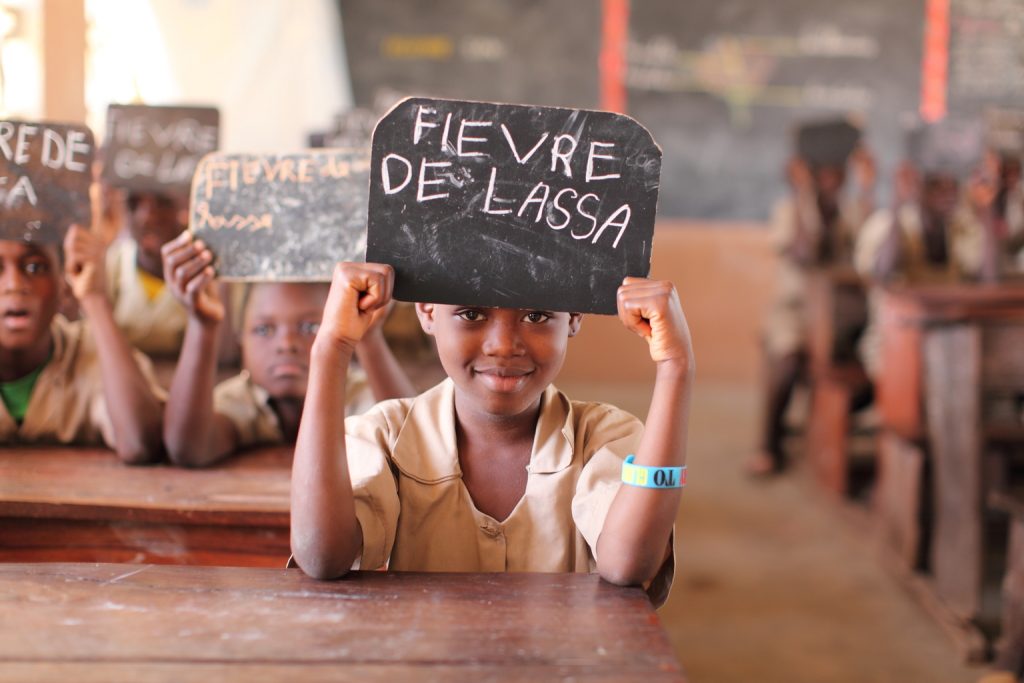
It has become routine to attribute the tragedy of the West African Ebola epidemic to inexperience and lack of knowledge. The states and citizens of Guinea, Liberia, and Sierra Leone were portrayed as entirely unfamiliar with Ebola and therefore without relevant knowledge. The simplicity of this narrative is disturbed by the experience of Lassa Fever, an infectious and deadly viral hemorrhagic fever (VHF), which is endemic in the three countries most affected by Ebola. This article looks beyond Ebola in 2014 to the history of efforts to control VHFs in the Mano River and challenges the idea that there was a vacuum of knowledge. Highlighted instead are politics of knowledge which have run through global health and which have prioritized particular forms of knowledge and ways of dealing with disease.
Ethnographic research on the emergence of Lassa and the subsequent emergence of Ebola in West Africa is presented,
The Ebola epidemic unfolded in radically divergent manners in two neighboring villages in Sierra Leone, with one recording 40 cases and 20 deaths and the other recording zero cases, though they are located only 100 meters apart. Presented with identical information about Ebola’s cause and modes of transmission, one chief reacted by attempting to shield his village from outside knowledge and influence, encouraging his people to continue their normal practices of care and communion, and the other by instituting self-isolation, rapidly enforcing Ebola-specific practices among his residents.
This study argues that these opposing courses of action were the result of the chiefs interpreting health communications with respect to their social, historical, and political relationships with each other and with the state, and not as a result of one embracing medical knowledge and the other rejecting it. To analyze a situation “through a glass,
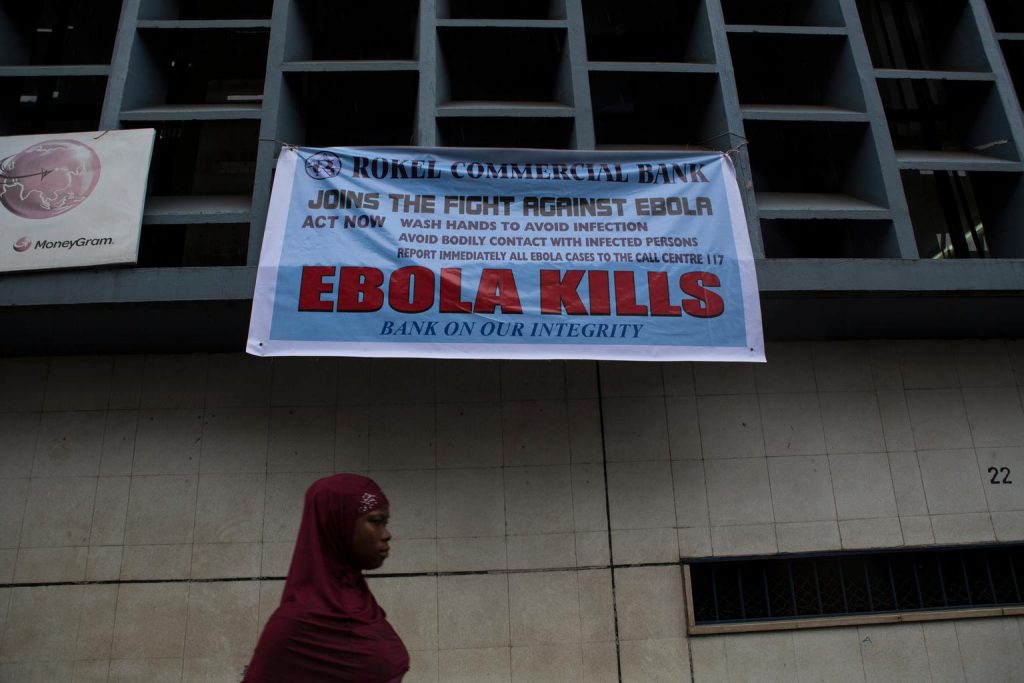
As the Ebola crisis continues to unfold across West Africa and the international community belatedly responds, broader questions arise beyond the immediate challenges on the ground. These fundamentally challenge our understanding of ‘development’ as framed and practised in past decades.
In order to understand the causes and consequences of this particular outbreak, and to foster resilience, our attention must turn to why these outbreaks occur, why they have such devastating impacts in some situations and not others, and what responsibility ‘development’ may bear.
Urban and rural areas have distinctive health problems, which require consideration. To examine sociocultural features of Cholera and its community context, a semi-structured explanatory model interview based on vignettes depicting typical clinical features of Cholera was used to interview 379 urban and rural respondents in Western Kenya. Findings included common and distinctive urban and rural ideas about Cholera, and its prevention and treatment. The three most commonly perceived causes among urban and rural respondents collectively were drinking contaminated water, living in a dirty environment and lacking latrines. However, a dirty environment and flies were more prominently perceived causes among urban respondents.
Rural respondents were less likely to identify additional symptoms and more likely to identify biomedically irrelevant perceived causes of Cholera. Oral rehydration therapy was the most frequently reported home treatment. Health facilities were recommended unanimously at both sites. For prevention,
Planned and unplanned migrations, diverse social practices, and emerging disease vectors transform how health and wellbeing are understood and negotiated. Simultaneously, familiar illnesses-both communicable and non-communicable-continue to affect individual health and household, community, and state economies. Together, these forces shape medical knowledge and how it is understood, how it comes to be valued, and when and how it is adopted and applied.
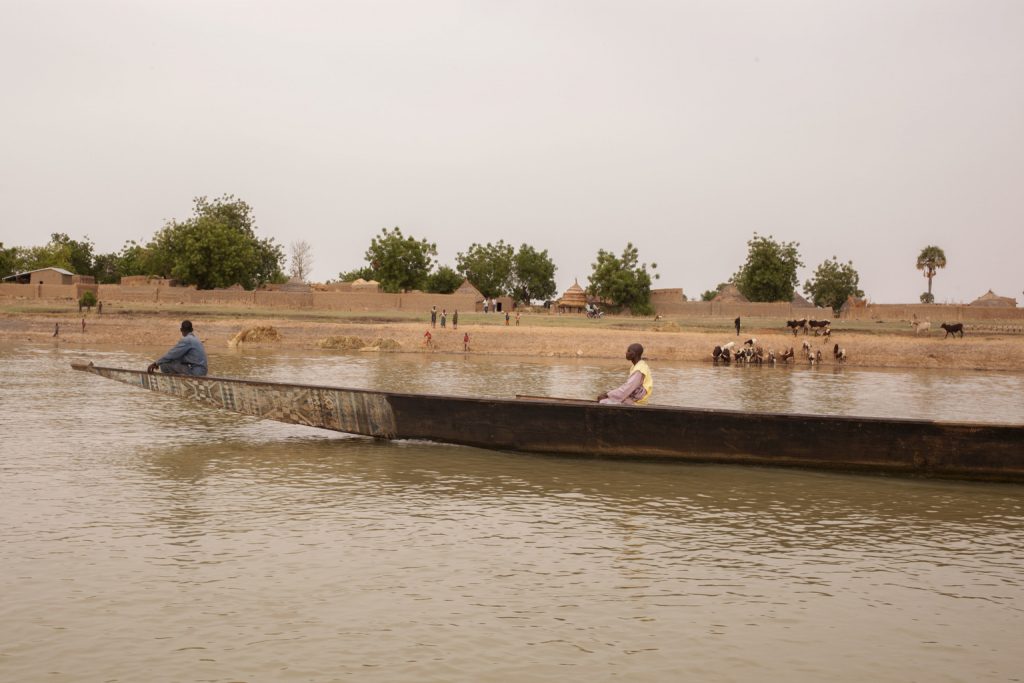
This paper is a case study which aims to examine how today’s techniques related to different livelihood activities, but also in the social field, are acquired and transmitted among Batwa (pygmies) and Ntomba (bantou) communities living in the two villages (Moheli and Wedji in Congolese jungle. The method used is to ask a sample of informants randomly selected if they can do the activity requested, and if so, who showed it to them. Results revealed that Batwa are distinguished Ntomba in activities for which they are recognized as experts and connoisseurs, namely collecting honey, hunting net and spear, collecting wild yams, and the songs of the ceremonies.
The authors notice that the differences, however, explained more by the age and sex of informants by belonging to an ethnic group or residence. The gender differences are similar for the Batwa and Ntomba.
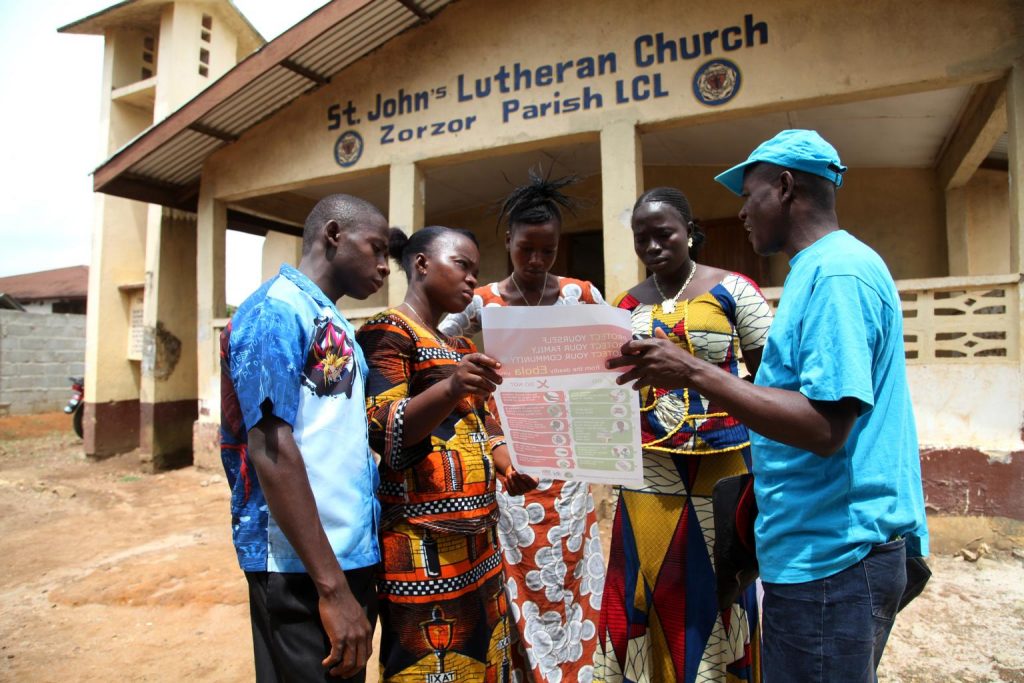
In recent years, the Far North Region of Cameroon has experienced serious and recurrent Cholera outbreaks. Yet, understanding of cultural influences on outbreaks and spread remain poorly understood. This qualitative study explored cultural influences on Cholera exposure in this region. Interviews and group discussions were conducted in two phases. Phase I involved key informants and phase II included focus group and household discussions. Thematic techniques including word repetition, key-indigenous-terms, and key-words-in-context were used for qualitative data analysis. Key informants attributed Cholera etiology to dirt and spread through water (caneri) and food (group eating or faire-un-rond) while group discussions attributed it to a reprimand from god and transmission through the air.
Participants suggested that funerals, weddings, open defecation, and mountaintop burial might influence Cholera exposure and facilitate its spread. Hospital avoidance and non-adherence with Cholera treatment regimens were linked to favourable beliefs about traditional medicine (rural-urban mentality confrontation).
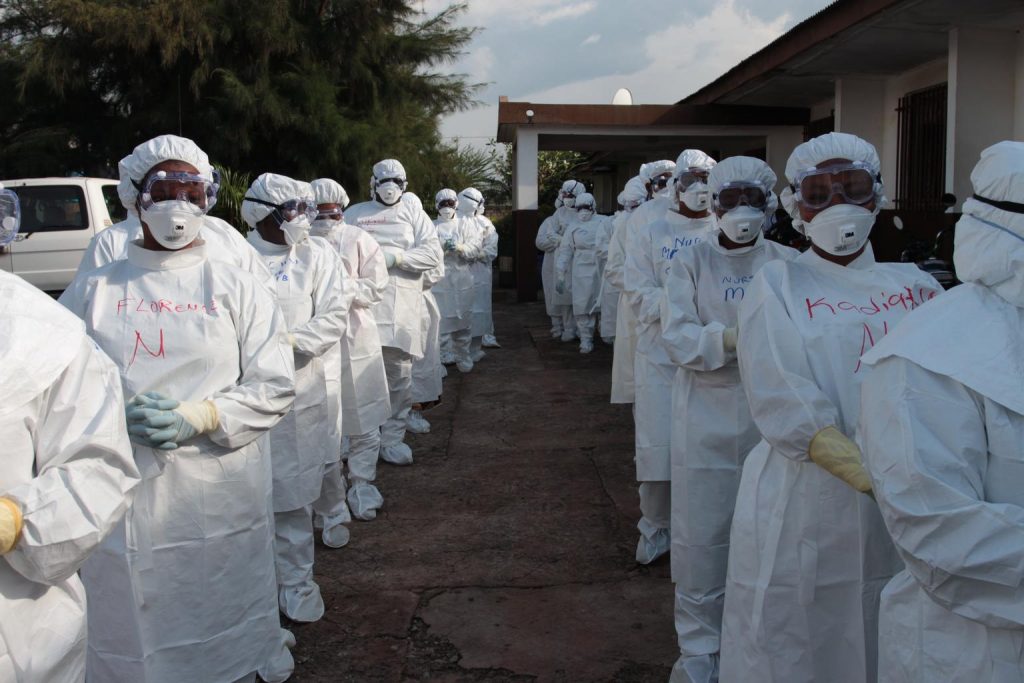
In this article we assess accounts of the H1N1 virus or “swine flu” to draw attention to the ways in which discourse about biosecurity and global health citizenship during times of pandemic alarms supports calls for the creation of global surveillance systems and naturalizes forms of governance. We propose a medical anthropology of epidemics to complement an engaged anthropology aimed at better and more critical forms of epidemic surveillance.
A medical anthropology of epidemics provides insights into factors and actors that shape the ongoing production of knowledge about epidemics, how dominant and competing accounts circulate and interact, how different stakeholders (citizens, politicians, journalists, and policymakers) access and interpret information available from different sources-including through a variety of new digital venues-and what they do with it. These insights together provide a compelling agenda for medical anthropology and anyone working in health-related fields.
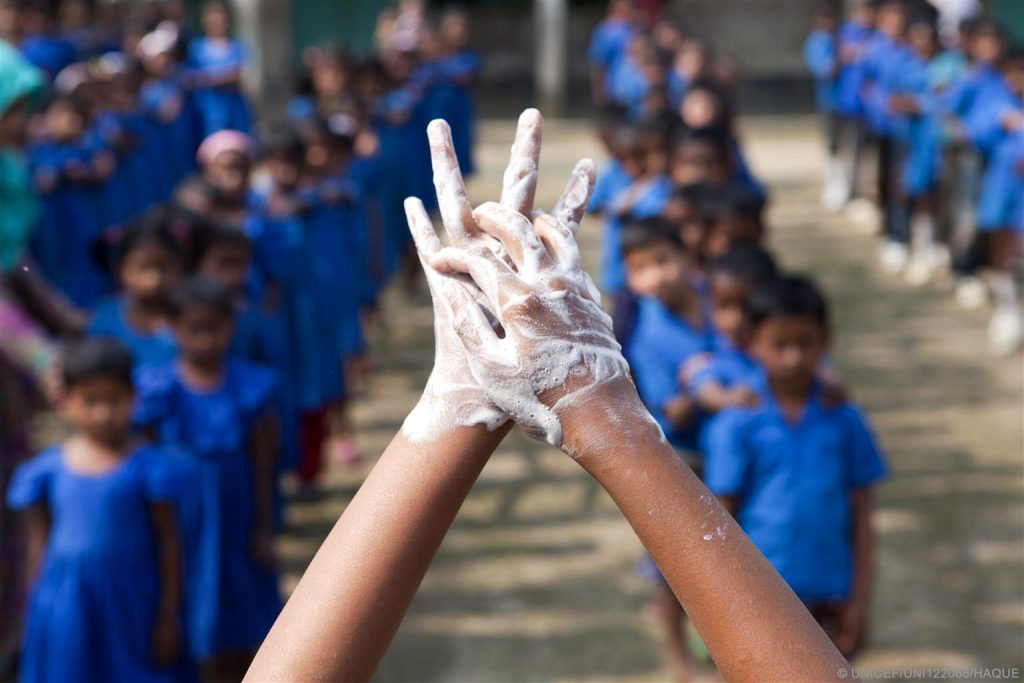
The objective of this study was to identify and compare socio-cultural features of pandemic influenza with reference to illness-related experience, meaning and behaviour in urban and rural areas of India. Cross-sectional, mixed-methods, cultural epidemiological survey with vignette-based interviews. Semi-structured explanatory model interviews were used to study community ideas of the 2009 influenza pandemic. In-depth interviews elaborated respondents’ experience during the pandemic. Setting Urban and rural communities, Pune district, western India. The survey was conducted using participants of urban (n=215) and rural (n=221) residents aged between 18 and 65_years. In-depth interviews of respondents with a history of 2009 pandemic influenza (n=6). More urban (36.7%) than rural respondents (16.3%, p<0.001) identified the illness in the vignette as ‘swine flu’. Over half (56.7%) believed the illness would be fatal without treatment, but with treatment 96% predicted full recovery. Worry (‘tension’) about the illness was reported as more troubling than somatic symptoms.
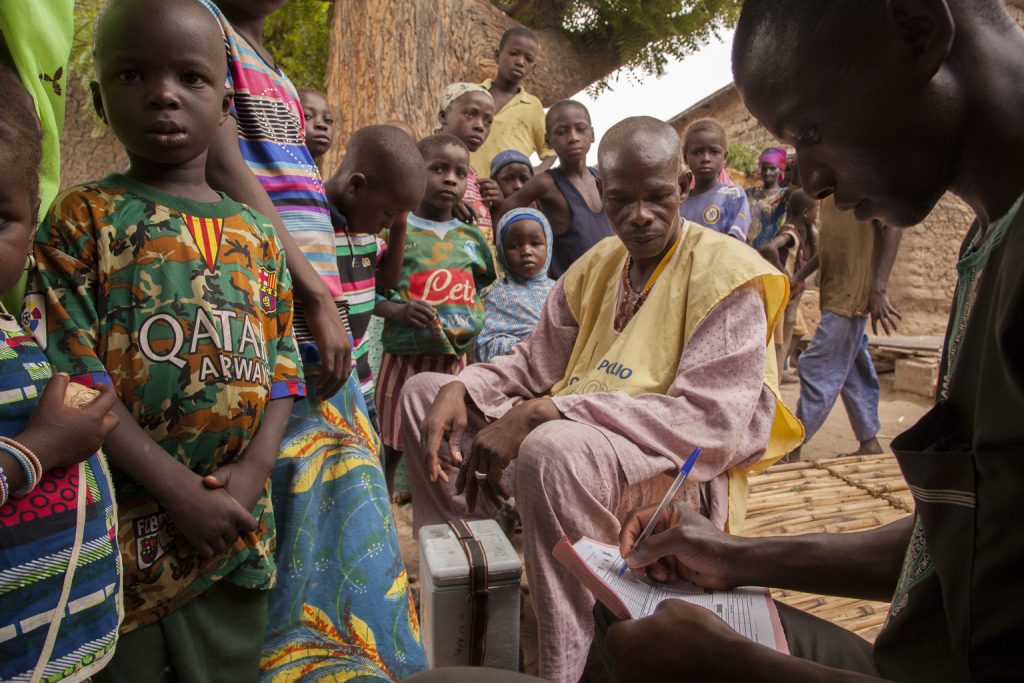
Bacterial meningitis in the African meningitis belt remains 1 of the most serious threats to health. The perceptions regarding meningitis in local populations and the cost of illness for households are not well described. We conducted an anthropologic and economic study in Burkina Faso, in the heart of the meningitis belt. Respondents reported combining traditional and modern beliefs regarding disease etiology, which in turn influenced therapeutic care-seeking behavior.
Households spent US $90 per meningitis case, or 34% of the annual gross domestic product per capita, and up to US $154 more when meningitis sequelae occurred. Much of this cost was attributable to direct medical expenses, which in theory are paid by the government. Preventive immunization against meningitis will overcome limitations imposed by traditional beliefs and contribute to poverty reduction goals.
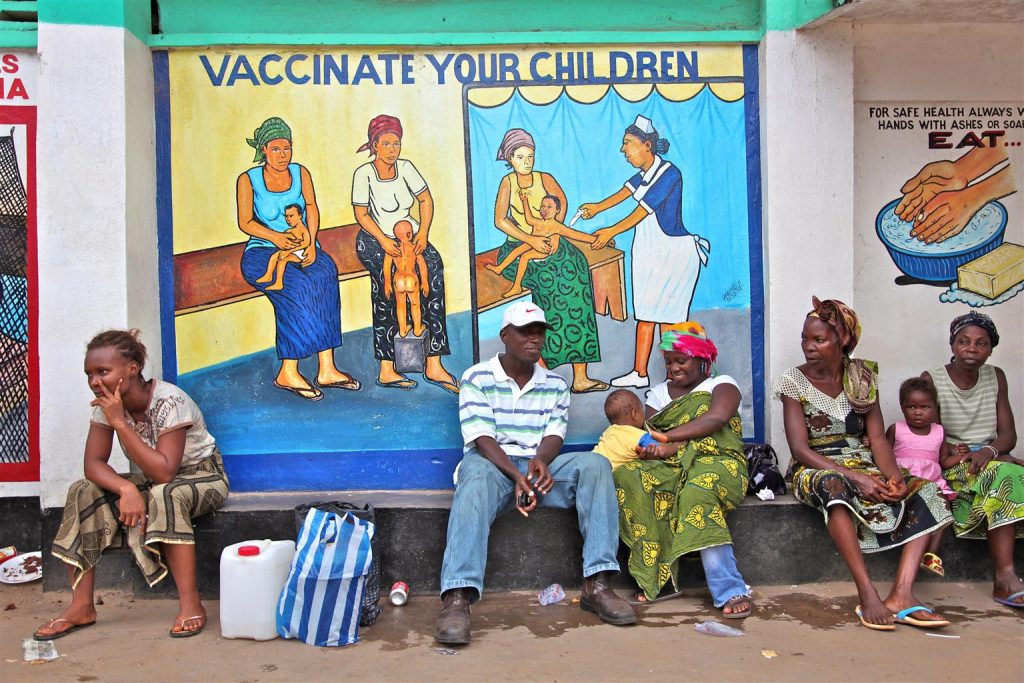
Communication is of paramount importance in responding to health crises. The authors studied the media messages put forth by different stakeholders in two Ebola vaccine trials that became controversial in Ghana. These interactions between health authorities, political actors, and public citizens can offer key lessons for future research.
Through an analysis of online media, the authors analyse stakeholder concerns and incentives, and the phases of the dispute, to understand how the dispute evolved to the point of the trials being suspended, and analyse what steps might have been taken to avert this outcome.
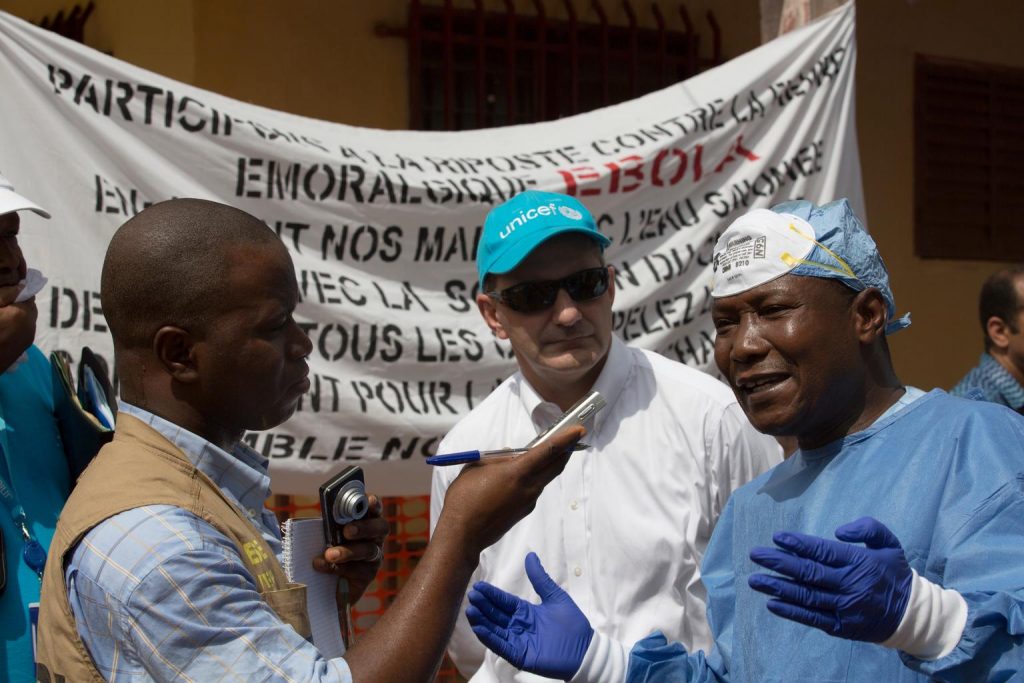
Instead of looking to ‘culture’ to explain patterns of social resistance (as was common in the media and in the discourse of responding public health authorities) a comparison between Sierra Leone and Guinea suggests that explanations lie in divergent political practice and lived experiences of the state.
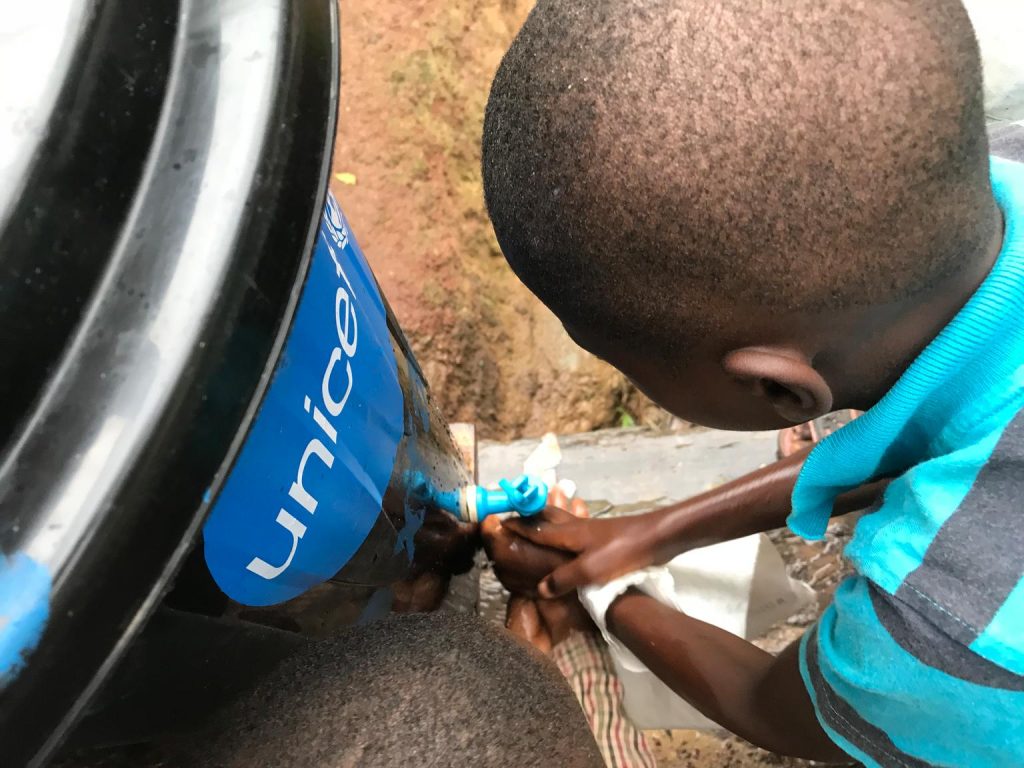
Cholera mainly affects developing countries where safe water supply and sanitation infrastructure are often rudimentary. Sub-Saharan Africa is a Cholera hotspot. Effective Cholera control requires not only a professional assessment, but also consideration of community-based priorities. The present work compares local sociocultural features of endemic Cholera in urban and rural sites from three field studies in southeastern Democratic Republic of Congo (SE-DRC), western Kenya and Zanzibar. A vignette-based semistructured interview was used in 2008 in Zanzibar to study sociocultural features of Cholera-related illness among 356 men and women from urban and rural communities. Similar cross-sectional surveys were performed in western Kenya (n = 379) and in SE-DRC (n = 360) in 2010.
Systematic comparison across all settings considered the following domains: illness identification; perceived seriousness, potential fatality and past household episodes; illness-related experience; meaning; knowledge of prevention; help-seeking behavior; and perceived vulnerability.
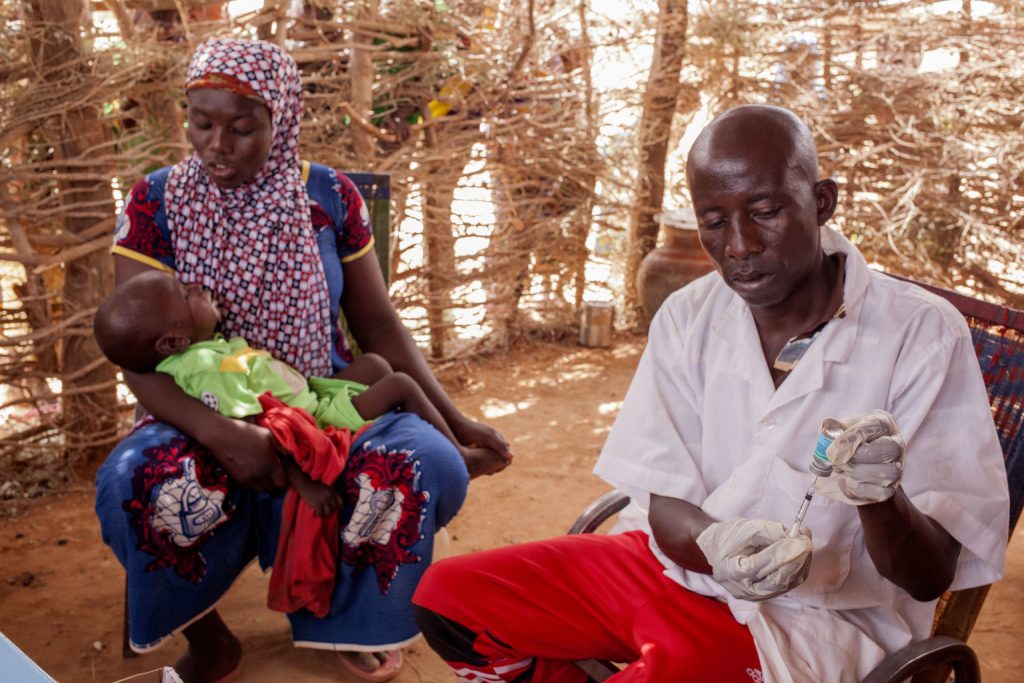
Clinical research participants often express concerns about blood draw because of misconceptions about the uses to which the blood will be put. Their comments can generate rumours in their communities, thereby affecting rates of recruitment to research studies and increasing losses to follow-up. This study sought to identify community perceptions about blood draw for clinical research.
Between September 2010 and March 2011, 12 focus group discussions and eight in-depth interviews were conducted among community members in the Kintampo district of Ghana, to determine what cultural beliefs and traditional practices might affect attitudes to blood draw. Most of the study participants did not mention any cultural beliefs prohibiting blood draw but were of the opinion that collecting blood from children and pregnant women could lead to serious health consequences. They could not understand why blood would be taken from participants who were not sick.
During public health emergencies, people need to know what health risks they face, and what actions they can take to protect their health and lives. Accurate information provided early, often, and in languages and channels that people understand, trust and use, enables individuals to make choices and take actions to protect themselves, their families and communities from threatening health hazards.
Risk communication is an integral part of any emergency response. It is the real-time exchange of information, advice and opinions between experts, community leaders, or officials and the people who are at risk. During epidemics and pandemics, and humanitarian crises and natural disasters, effective risk communication allows people most at risk to understand and adopt protective behaviours.
It allows authorities and experts to listen to and address
Cholera still remains a significant cause of morbidity and mortality in developing countries, although comprehensive surveillance data to inform policy and strategies are scarce. A desk review of the national Cholera database and zonal and districts reports was conducted. Interviews were conducted with district health management teams, health workers, and participants in communities in six districts affected by Cholera in 2011/2012 to obtain data on water, sanitation, and sociocultural issues. From 1998 to 2012, Cholera outbreaks occurred every year in Malawi, with the highest number of cases and deaths reported in 2001/2002 (33,546 cases, 968 deaths; case fatality rate [CFR] 2.3%).
In 2011/2012, Cholera outbreak was widespread in the southern region, affecting 10 out of 13 districts, where 1,806 cases and 38 deaths (CFR 2.1%) were reported. Unsafe water sources, lack of maintenance of broken boreholes, frequent breakdown of piped water supply,
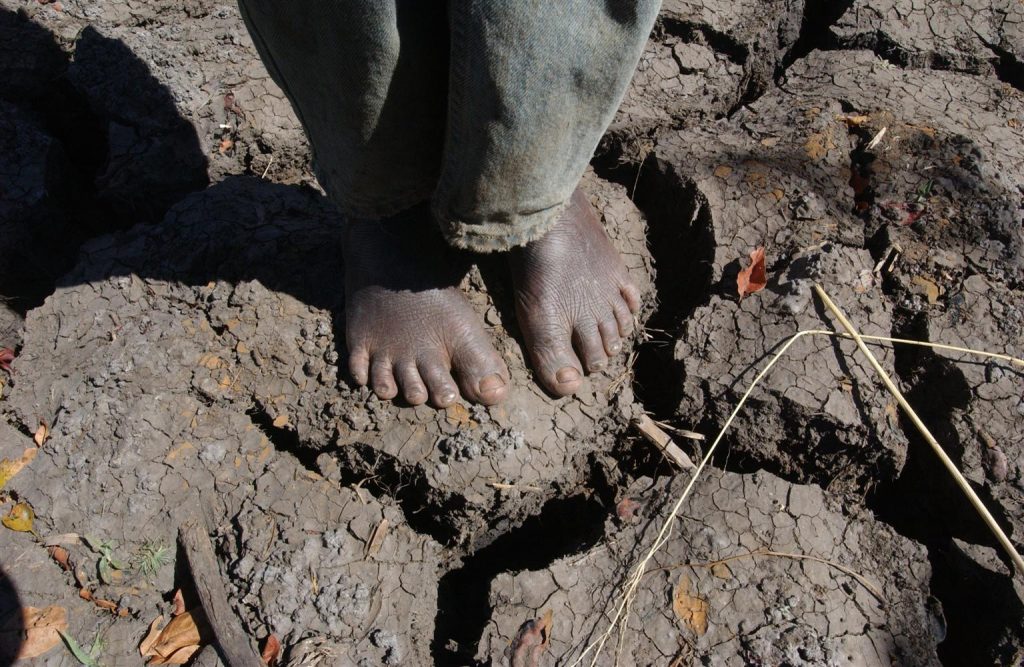
In this article the author illustrates the linguistic diversity of African Pygmy populations in order to better address their anthropological diversity and history. The author also introduces a new method, based on the analysis of specialised vocabulary, to reconstruct the substratum of some languages they speak.
This report shows that Pygmy identity is not based on their languages, which have often been borrowed from neighbouring non-Pygmy farmer communities with whom each Pygmy group is linked. Understanding the nature of this partnership, quite variable in history, is essential to addressing Pygmy languages, identity, and history. Finally, the author show that only a multidisciplinary approach is likely to push forward the understanding of African Pygmy societies as genetic, archeological, anthropological, and ethnological evidence suggest.
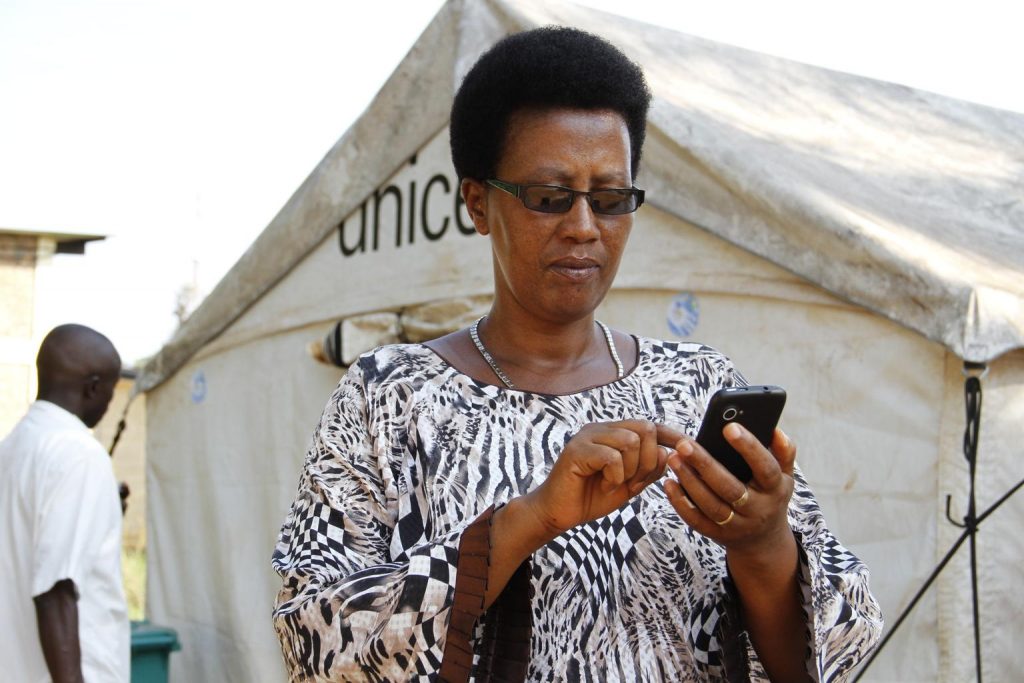
This paper analyzes ethnographic and cartographic evidence from Sierra Leone that show the limitations of big data relative to the containment of Ebola. In this paper, big data is both a technology itself and also a foundation and catalyst for other technologies. Early in 2014, big data’s technologies of data collection as well as its algorithmic functions were heralded by US media for detecting the West African Ebola outbreak. Later in the epidemic, big data – specifically, data from millions of cell phones – was further hyped as able to help stop the infectious and often fatal disease by tracking the mobility and migrations of contagious people.
Big data’s failures in this case are directly linked to what big data epidemiologists did not understand about the social life and thing-self issues of cell phones in Sierra Leone. In addition to identifying ethical concerns about human contagion tracking,
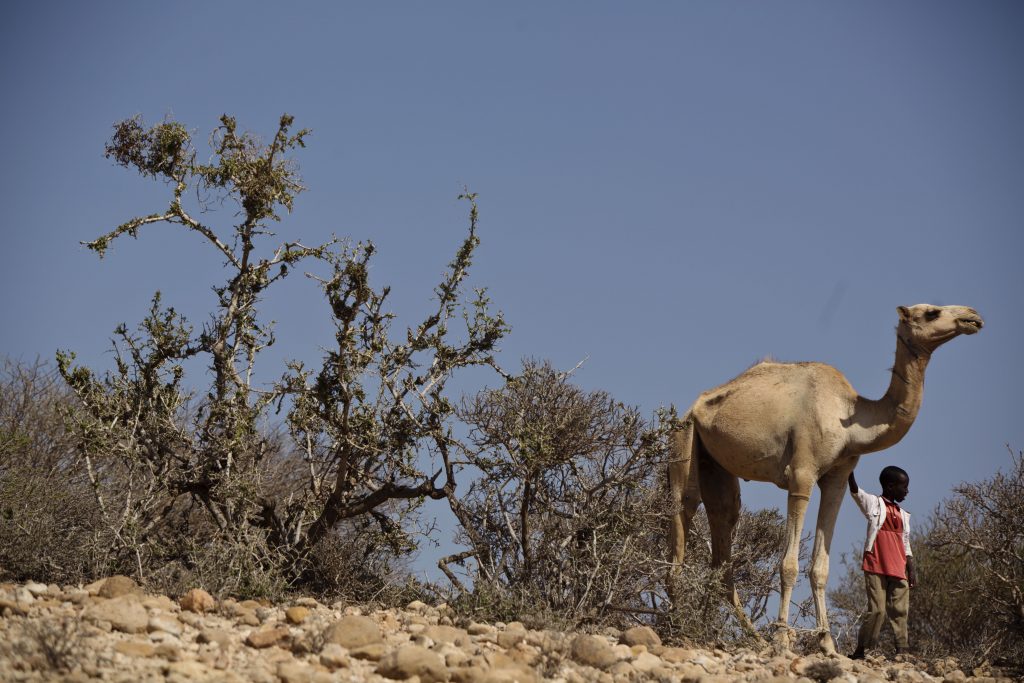
This paper details how exposure to new clinics, diagnostic technologies, and pharmaceuticals during humanitarian relief operations in the Somali Region of Ethiopia shaped local pluralistic health systems and altered the ways in which residents subsequently conceived of and treated illness and disease. Despite rising demand for pharmaceuticals and diagnostic technologies among Somalis in Ethiopia, local ethnophysiologies continued to draw upon popular ideas about humoral flows, divine action, and spirit possession. Demands for therapeutic camel milk, Qur’anic spiritual healing, herbal remedies, and other historically popular therapies persisted, but were shaped by concurrent demands for and understandings of diagnostic biotechnologies and pharmaceutical medications.
The reverse was also true: contemporary understandings and uses of non-biomedical healing modalities among Somalis shaped evaluations of clinical care, including healthcare during humanitarian responses. to illustrate these phenomena, based on ethnographic research in eastern Ethiopia between 2007 and 2009,
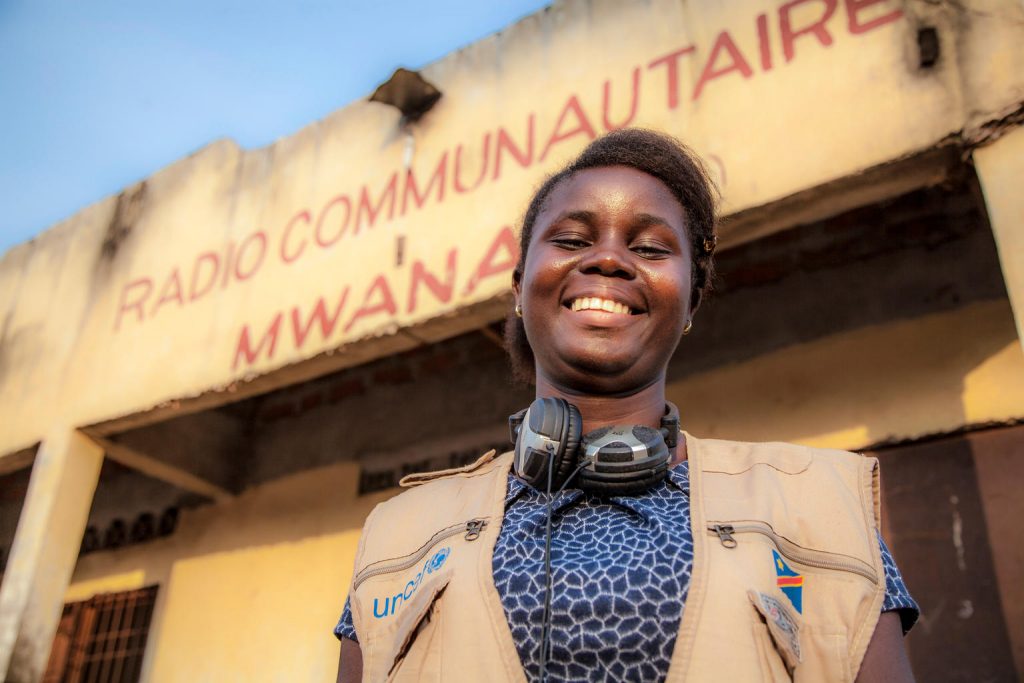
It has been argued that a country such as Liberia, not fully recovered from the devastation of decades of civil unrest, lacked the appropriate ethical and regulatory framework, basic human and health care services, and infrastructure to carry out clinical trials according to international standards of quality during a public health emergency. However, as Liberia, Sierra Leone, and Guinea were being ravaged by the largest and most devastating Ebola Virus Disease (EVD) outbreak ever recorded, the topic of conducting clinical trials of experimental vaccine and treatment candidates in these resource-poor countries generated the keen interest and concern of scientists, researchers, physicians, bioethicists, philanthropists, and even politicians.
Decisive action on behalf of the Liberian government, and a timely positive and supportive response from the United States (U.S.) government, led to the formation of PREVAIL (Partnership for Research on Ebola Vaccines in Liberia) – a clinical research partnership between the two governments.

Zika virus (ZIKV) infection, a public health emergency of international concern, has recently been confirmed in Indonesia. However, to date, there has been no study to assess how prepared healthcare workers in Indonesia are to confront this emerging infectious disease. The aim of this study was to assess the attitudes of medical doctors in Indonesia towards ZIKV infection and its associated explanatory variables. A cross-sectional self-administered online survey was conducted from 3 May to 3 June 2016 in Aceh province, Indonesia. A pre-tested questionnaire was used to collect data on doctors’ attitudes towards ZIKV infection and a range of explanatory variables (basic demographic data, professional characteristics, workplace characteristics and facilities, and medical experience related to ZIKV infection).
Associations between attitude and explanatory variables were assessed using multiple-step logistic regression. The survey received 631 responses, 424 (67.19%) of which were included in the final analysis.
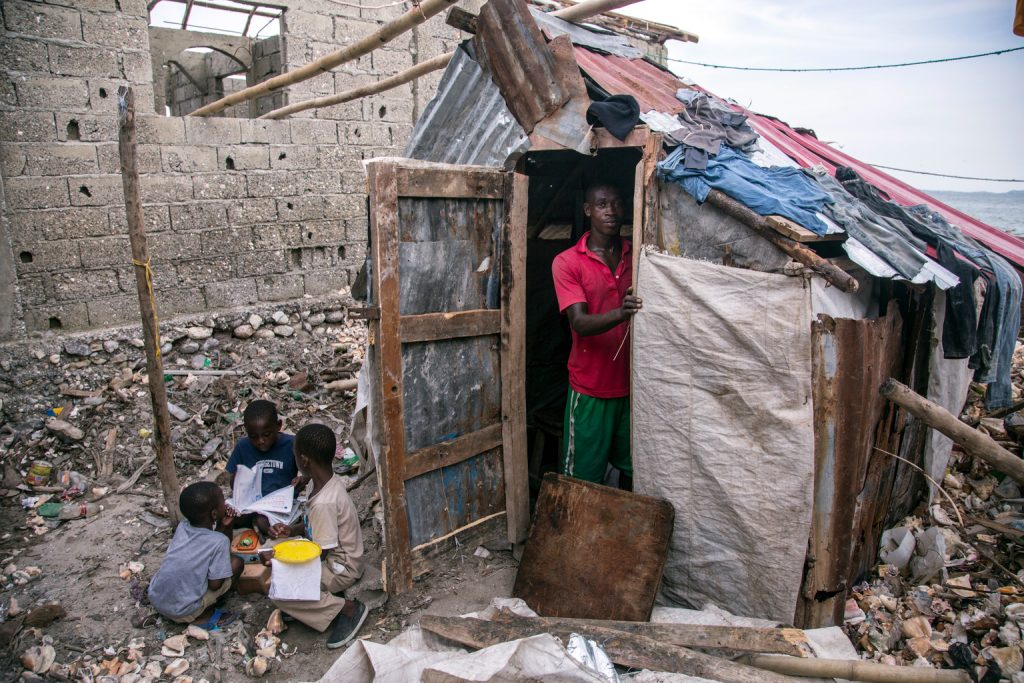
The multimammate mouse (Mastomys natalensis) is the reservoir for Lassa virus (LASV). Zoonotic transmission occurs when humans are directly or indirectly exposed to fluids of the multimammate mouse, such as urine, saliva, and blood. Housing characteristics and domestic organization affect rodent density in and around households and villages, and are likely to be a risk factor for Lassa Fever in humans where the reservoir exists. The study uses semi structured interviews (N= 51), a quantitative survey (N= 429), direct observations, and a rodent ecology study to provide new insights into how the organization of domestic spaces brings together humans and rodents and creates pathways for infection in rural settlements in Bo District, Sierra Leone. Rodents were frequently reported inside houses (92.4% of respondents), in which we predominantly trapped M. natalensis (57% of trapped rodents) and Rattus rattus (38% of trapped rodents).
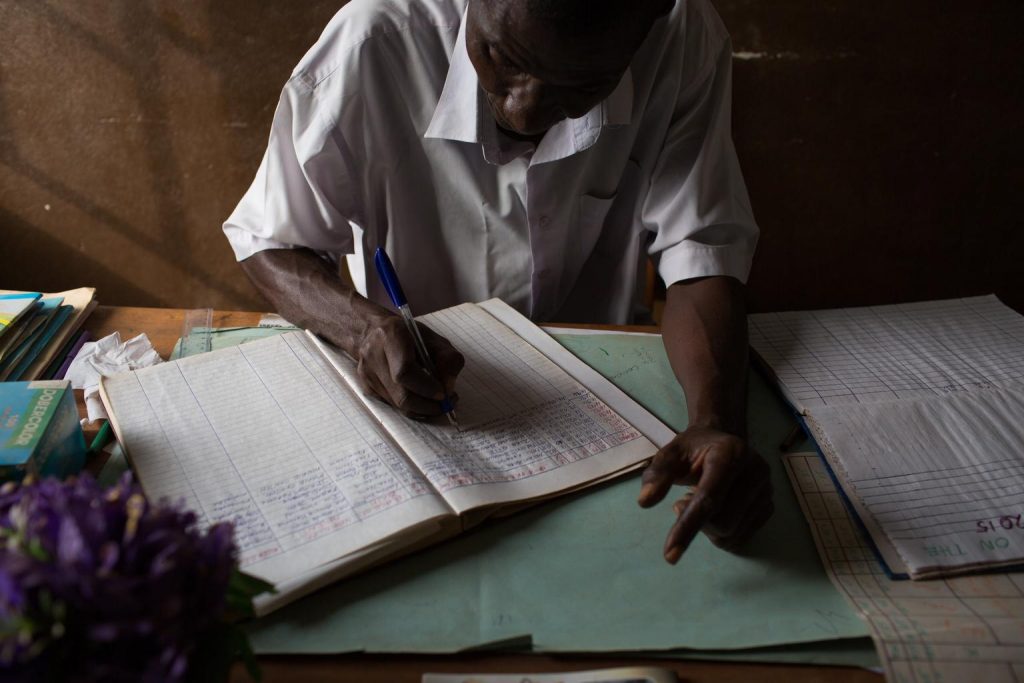
Antibiotic resistance (ABR) particularly hits resource poor countries, and is fuelled by irrational antibiotic (AB) prescribing.
The authors surveyed knowledge, attitudes and practices of AB prescribing among medical students and doctors in Kisangani, DR Congo. This data shows the need for interventions that support rational AB prescribing.
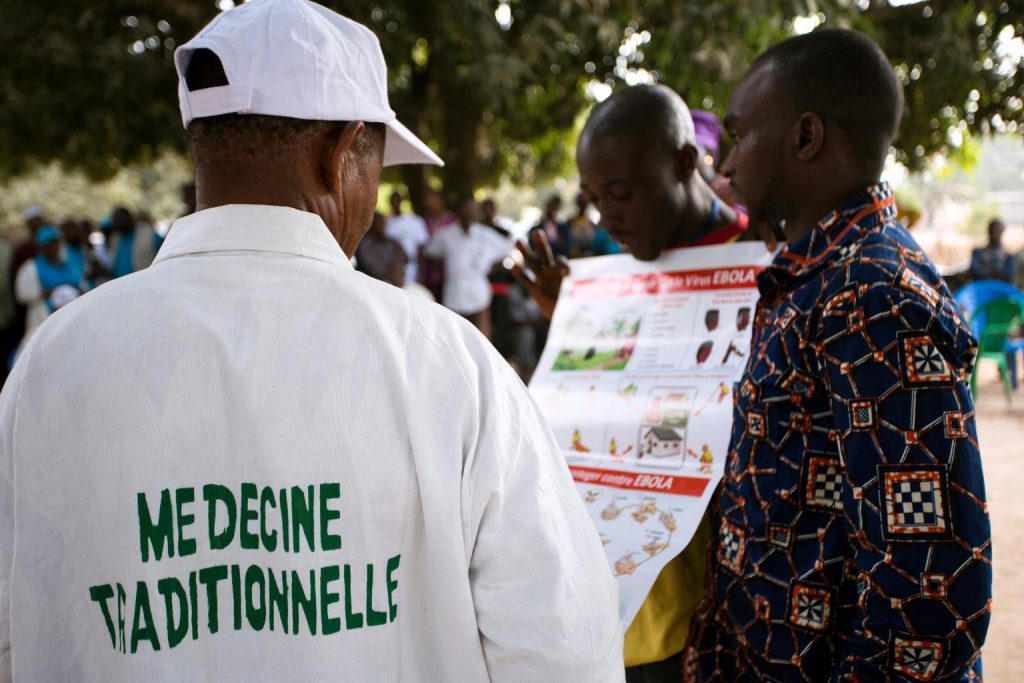
In the Caribbean, mosquito-borne diseases are a public health threat. In Sint Eustatius, dengue, Chikungunya and Zika are now endemic. To control and prevent mosquito-borne diseases, the Sint Eustatius Public Health Department relies on the community to assist with the control of Aedes aegypti mosquito. Unfortunately, community based interventions are not always simple, as community perceptions and responses shape actions and influence behavioural responses.
The aim of this study was to determine how the Sint Eustatius population perceives the Aedes aegypti mosquito, mosquito-borne diseases and prevention and hypothesized that increased knowledge of the virus, vector, control and prevention should result in a lower AQ1 prevalence and incidence of mosquito-borne diseases. As evidenced by the increasing number of mosquito-borne diseases on the island, it appears that knowledge amongst the lay community may not be transferred into action. This may be attributed to the perception of the Sint Eustatius populations that mosquitoes and the viruses they carry are not a high priority in comparison to other health concerns.
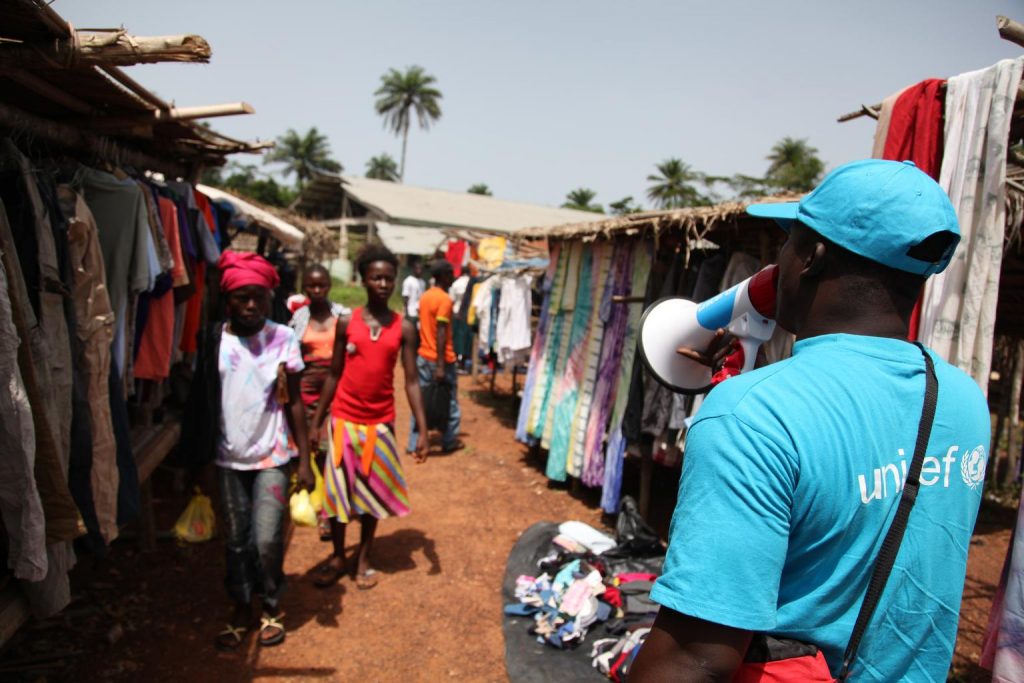
Providing cures for health problems isn’t enough, if people’s personal or cultural beliefs clash with the scientific approach. Policy-makers must recognize and engage with these objections.
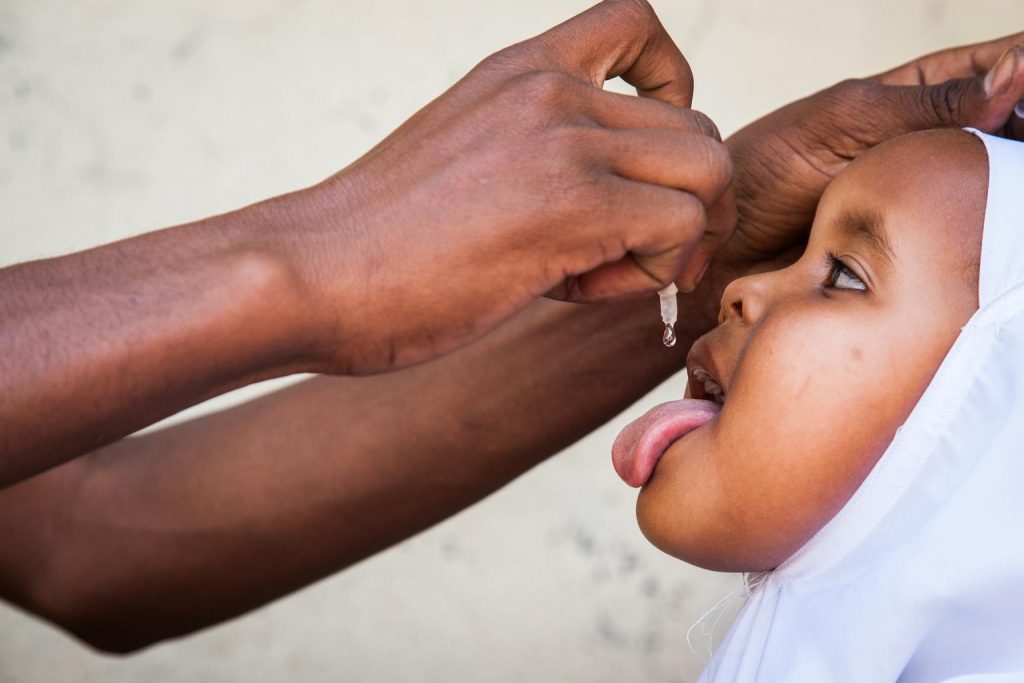
While planning an immunization campaign in settings where public health interventions are subject to politically motivated resistance, designing context-based social mobilization strategies is critical to ensure community acceptability. in preparation for an Oral Cholera Vaccine campaign implemented in Nampula, Mozambique, in November 2016, we assessed potential barriers and levers for vaccine acceptability. Questionnaires, in-depth interviews, and focus group discussions, as well as observations, were conducted before the campaign. The participants included central and district level government informants (national immunization program, logistics officers, public health directors, and others), community leaders and representatives, and community members.
During previous well chlorination interventions, some government representatives and health agents were attacked, because they were believed to be responsible for spreading Cholera instead of purifying the wells. Politically motivated resistance to Cholera interventions resurfaced when an OCV campaign was considered. Respondents also reported vaccine hesitancy related to experiences of problems during school-based vaccine introduction,
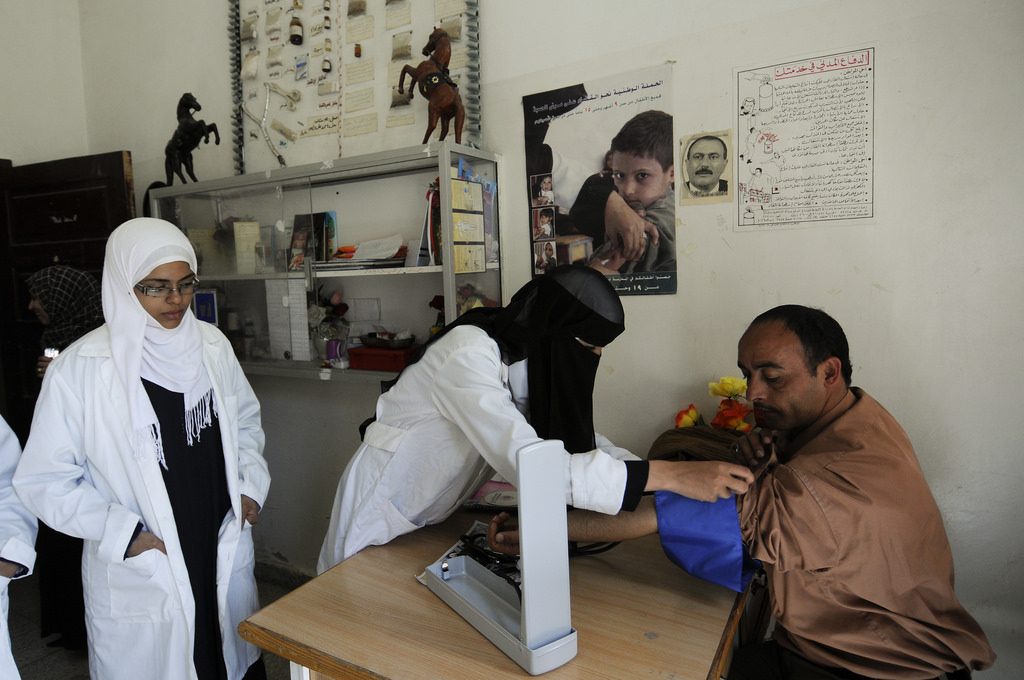
In summer 2015, a Saudi 1000-bed tertiary care hospital experienced a serious outbreak among patients of Middle Eastern Respiratory Syndrome (MERS); during which, some healthcare providers contracted the virus, but none died. The outbreak provoked not only fear and stress; but also professional, emotional, ethical, and social conflicts and tension among healthcare providers and patients alike. Therefore, this study aims to explore what healthcare providers, who survived coronavirus infection, have experienced as a MERS patient and how the infection affected their relationship with their colleagues.
Semi-structured, face-to-face interviews were conducted individually with seven survivors (healthcare providers). Each interview lasted up to 90 min, and the data were analysed using the thematic analysis technique. Within the participants’ rich and illuminating experiences, four themes were identified: caring for others in the defining moments, perceived prejudice behaviours and stigmatisation, lived moments of traumatic fear and despair,
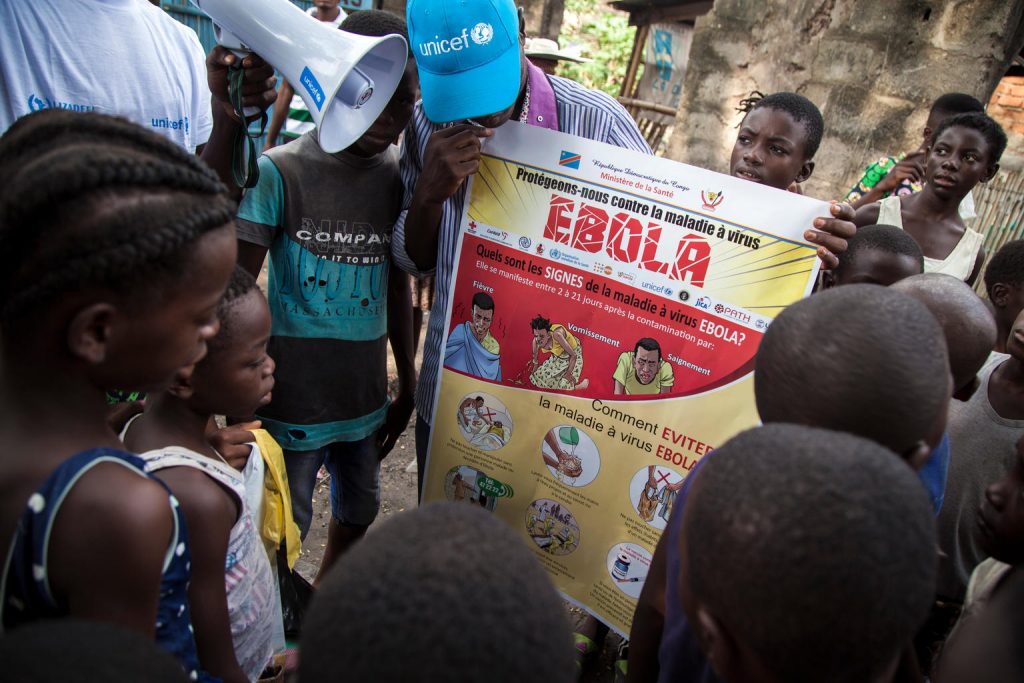
This document was developed by the WHO’s Health Emergencies Programme as a resource for the response to the outbreak in DR Congo in May 2018. It is intended to be used to guide risk communication and community engagement (RCCE) work which is central to stopping the outbreak and preventing its further amplification.
Many stigmatizing attitudes and behaviors directed towards those with EVD are strikingly similar to those with HIV/AIDS but there are significant differences worthy of discussion. Both diseases are life-threatening and there is no medical cure. Additionally misinformation about affected groups and modes of transmission runs rampant. Unlike in persons with EVD, historically criminalized and marginalized populations carry a disproportionately higher risk for HIV infection. Moreover, mortality due to EVD occurs within a shorter time span as compared to HIV/AIDS.
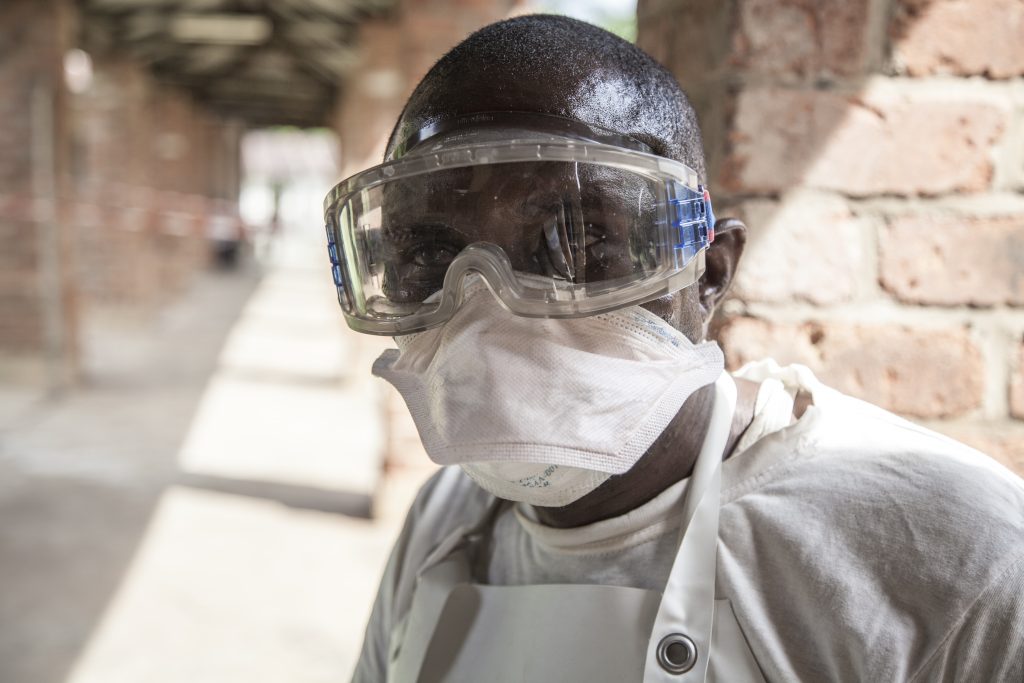
Key considerations and immediate recommendations, particularly for community engagement, in May 2018 for the Ebola outbreak in DRC.
“Rift valley fever (RVF) is a re-emerging viral vector-borne disease with rapid global socio-economic impact. A large RVF outbreak occurred in Tanzania in 2007 and affected more than half of the regions with high (47 %) case fatality rate. Little is known about RVF and its dynamics. A cross sectional study was conducted to assess the knowledge, attitudes and practices regarding RVF in Kongwa and Kilombero districts, Tanzania. The study conducted a cross sectional survey among a randomly selected sample of individuals in 2011. We administered questionnaires to collect data on demographic characteristics, knowledge on symptoms, mode of transmission, prevention, attitudes and health seeking practices.
A total of 463 community members participated in this study. The mean (±SD) age was 39.8_±_14.4 years and 238 (51.4 %) were female. Majority of respondents had heard of RVF. However, only 8.8 % knew that mosquitoes were transmitting vectors.
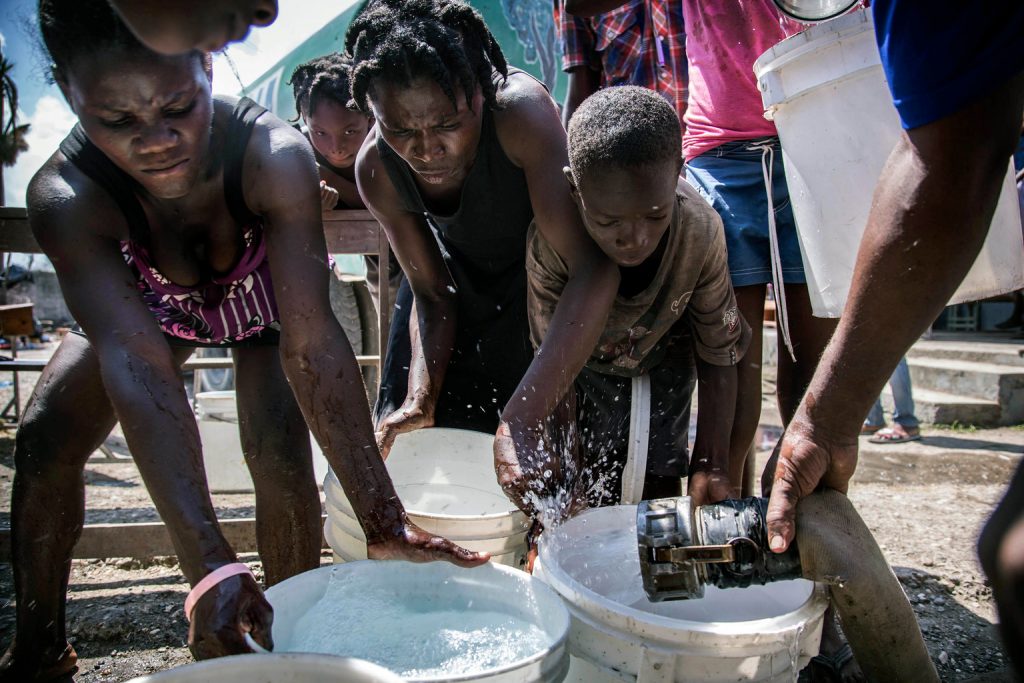
Summary and background reports exploring topics such as infrastructure and stigma.