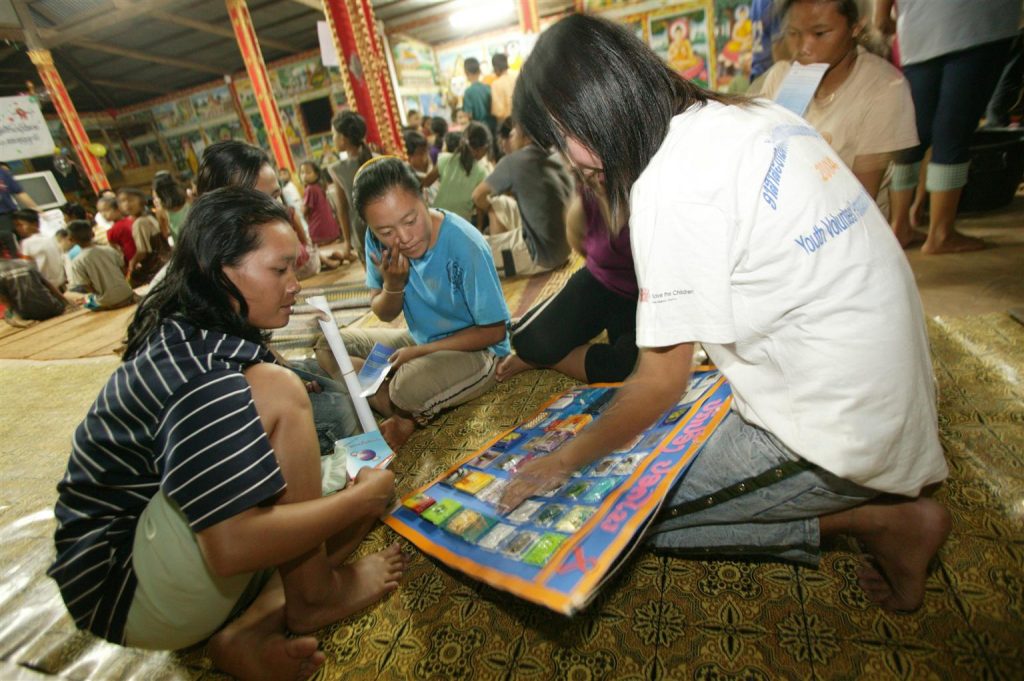
Humanitarian health workers operate in dangerous and uncertain contexts, in which mistakes and failures are
common, often have severe consequences, and are regularly repeated, despite being documented by many reviews. This Series paper aims to discuss the failures of medical humanitarianism. We describe why some of these recurrent failings, which are often not identified until much later, seem intractable: they are so entrenched in humanitarian action that they cannot be addressed by simple technical fixes.
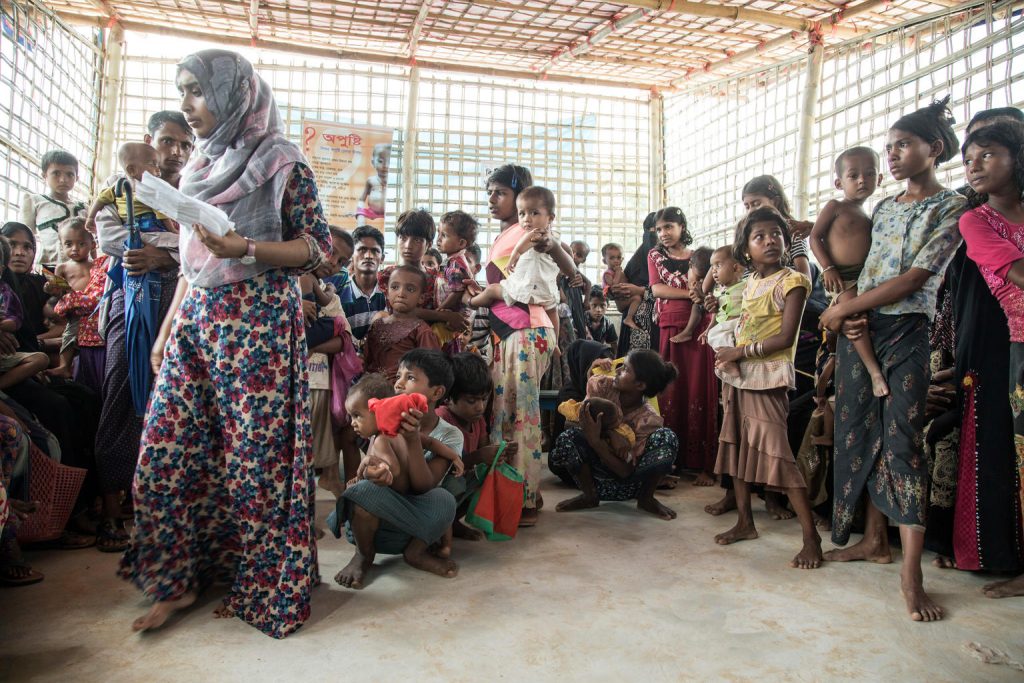
The Rohingya, a Muslim minority group from the northern part of Rakhine State (formerly Arakan) in Myanmar, is among the most vulnerable of the world’s refugee communities. This study aims to shed light on gender-based violence among documented Rohingya refugees living in the Kutupalong camp located in the Cox’s Bazar district of Bangladesh.
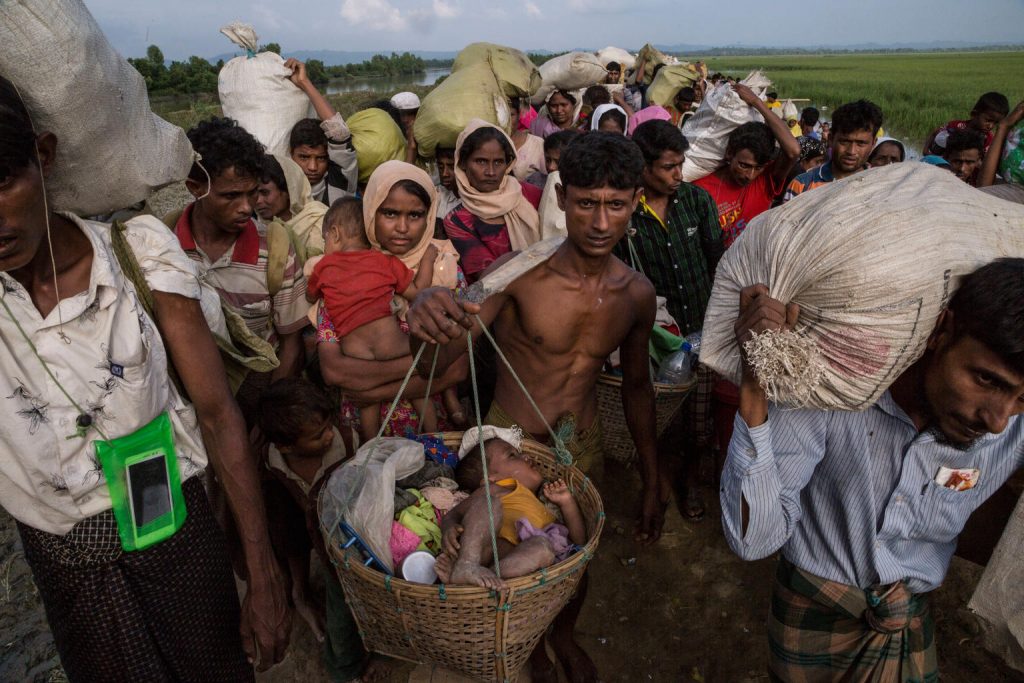
More than half a million Rohingya refugees, 60% of them children (UNICEF 2017), have crossed the border into Bangladesh, joining refugee camps or settling informally, and are in dire need of basic services such as food, health care, and protection. To support their humanitarian intervention in the fields of health, nutrition, wellbeing and protection, UNICEF requested this rapid evidence review.
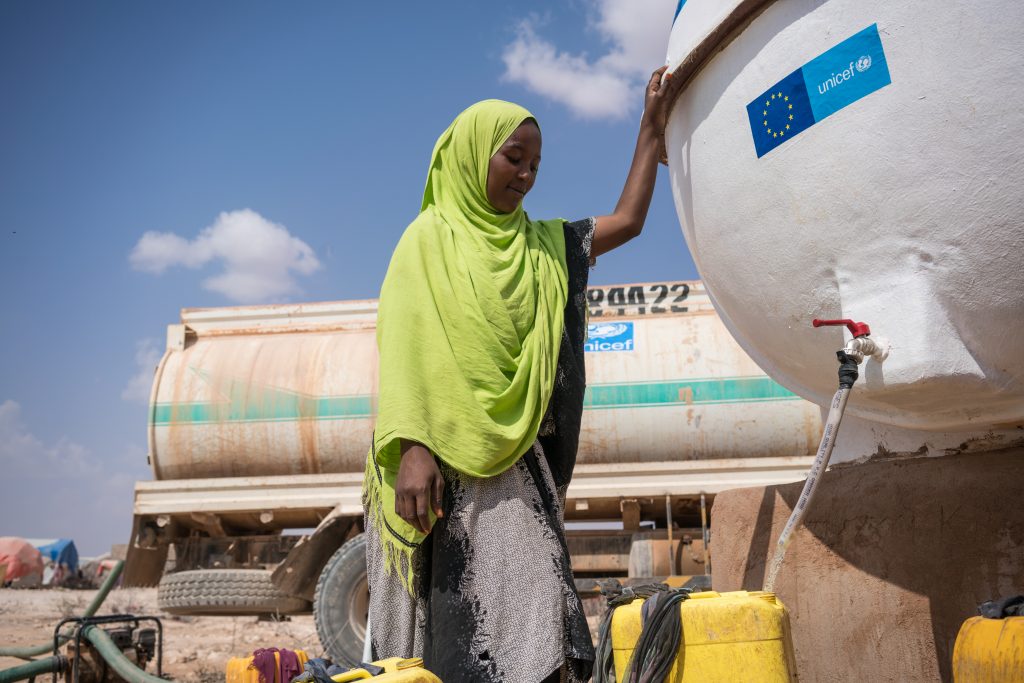
The purpose of this guidance note is to support UNICEF staff in understanding the contextual factors (the practices, behaviours, social norms and wider factors) that shape risks of cholera transmission, being able to separate the social and cultural factors from those that are more structural or systemic.
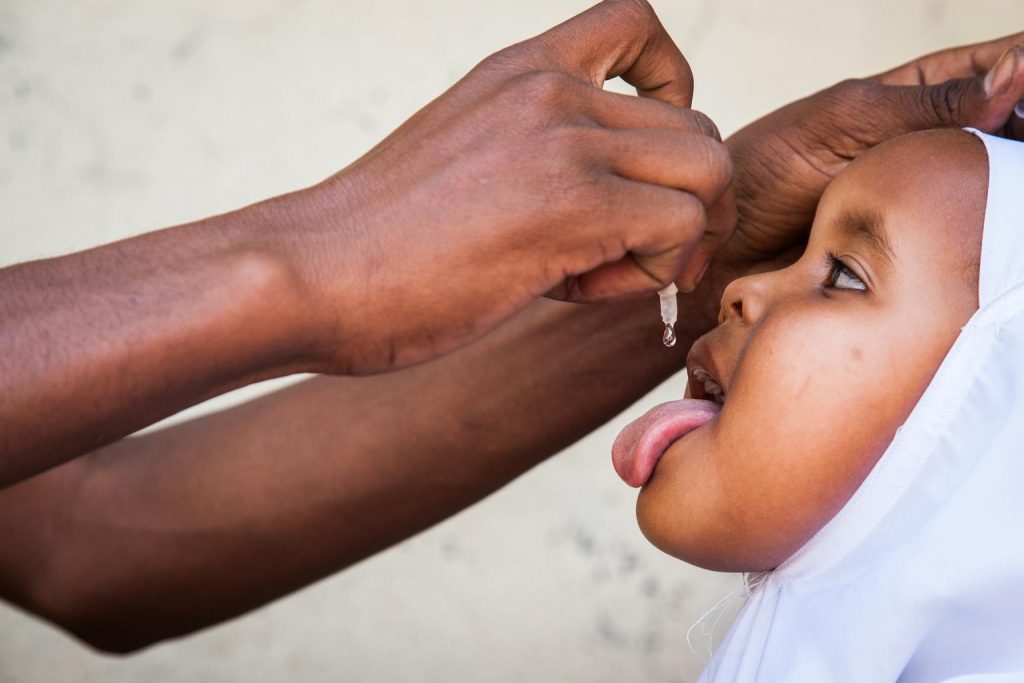
The purpose of this guidance note is to support UNICEF staff in understanding the contextual factors (the practices, behaviours, social norms and wider factors) that shape risks of cholera transmission, being able to separate the social and cultural factors from those that are more structural or systemic. This note explores the Somali health system and Somalis treatment- seeking behaviours in general and specifically in the case of cholera.
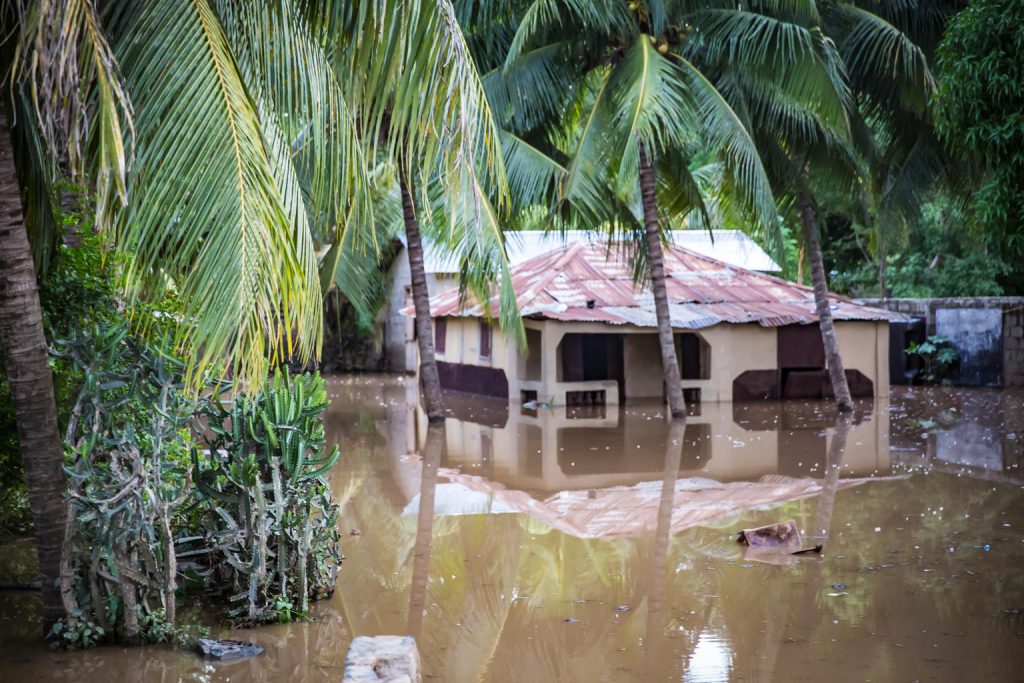
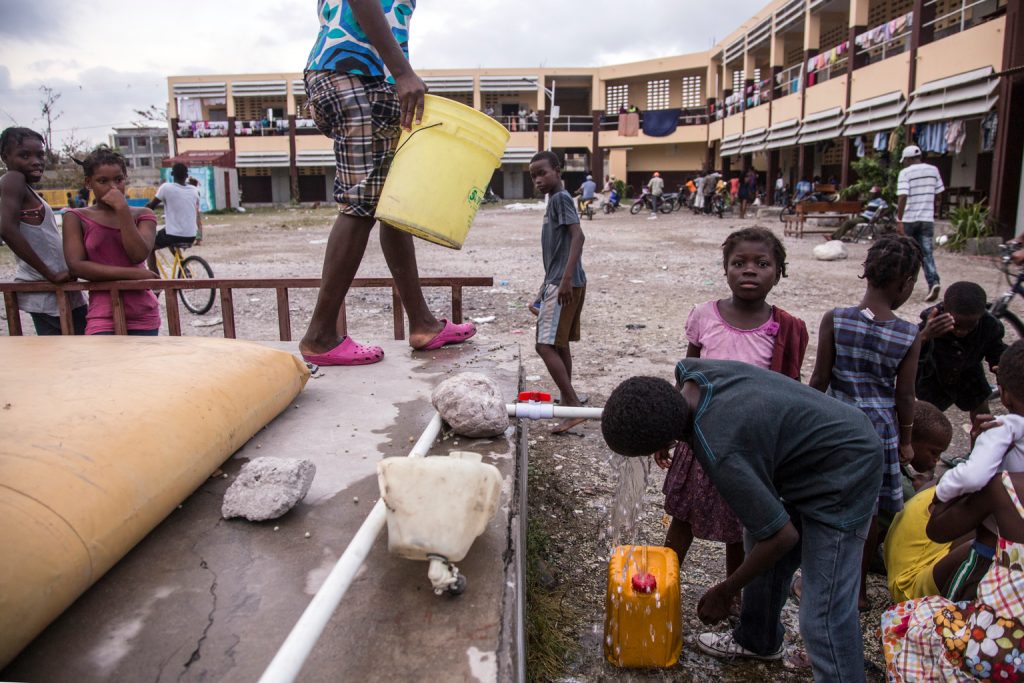
As hurricanes barrel through some of the most impoverished communities in the Western Hemisphere, and as floods ravage Yemen, Sierra Leone, Bangladesh and India, now is the time to rethink and prioritize cholera epidemic prevention and response.
In the aftermath of Hurricane Matthew in 2016, a surge of cholera in Haiti increased the death toll from the disease. Officials in Haiti this week are already urging people to add bleach to their drinking water to prevent the spread of cholera in the aftermath of Irma.
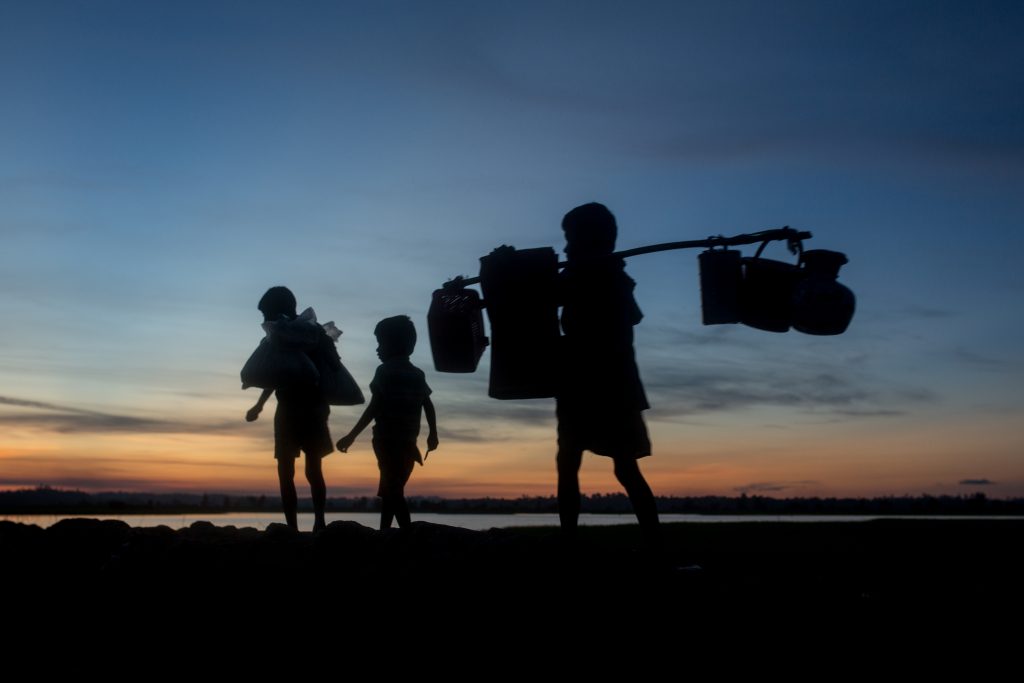
Ethno-demographic grievances define the conflict between Buddhist and Rohingya-Muslim populations in the Rakhine State of Myanmar. Due to the government’s decision to avoid the enumeration of self-identifying Rohingya, this study has relied on several recent local surveys to reconstruct a local demographic description of the Rohingya.
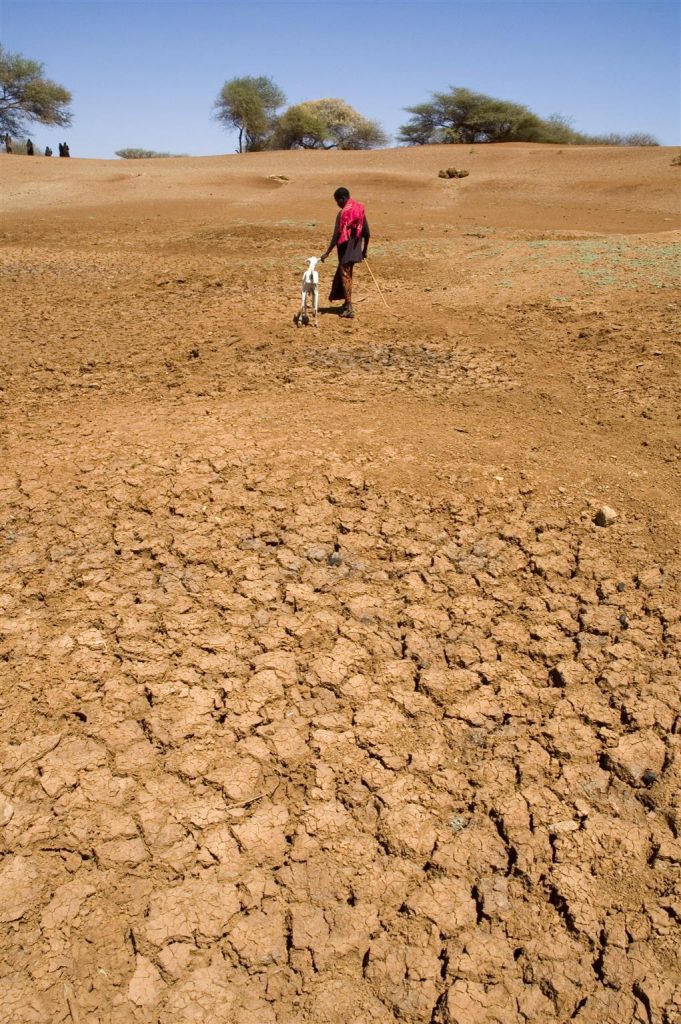
From the beginning of time, their have been food crises in one form or another. Ancient books such as the Bible have records of various famines devastating portions of the world. And while it’s easy to attribute these crises to a single cause, such as war or drought, the causes are usually much deeper and much more complex. Nelson Mandela said, “Overcoming poverty is not an act of charity, it is an act of justice.”
In order for us to achieve the kind of justice envisioned by Mandela, it’s essential that we first understand the underlying causes of food crises. Only after we have understood can we then begin creating meaningful solutions.
With that in mind, here are 8 primary factors behind almost every global food crisis. While not all 8 of these will be present at a time, you will almost always find several of these at work.
The drought in the Horn of Africa and the protracted conflict has created a humanitarian emergency that has led to a declaration of famine in several regions of Somalia and the Somali region of Ethiopia. As a result of depleted water resources, widespread internal displacement, malnutrition, and inadequate water and sanitation facilities, cholera outbreaks have occurred.
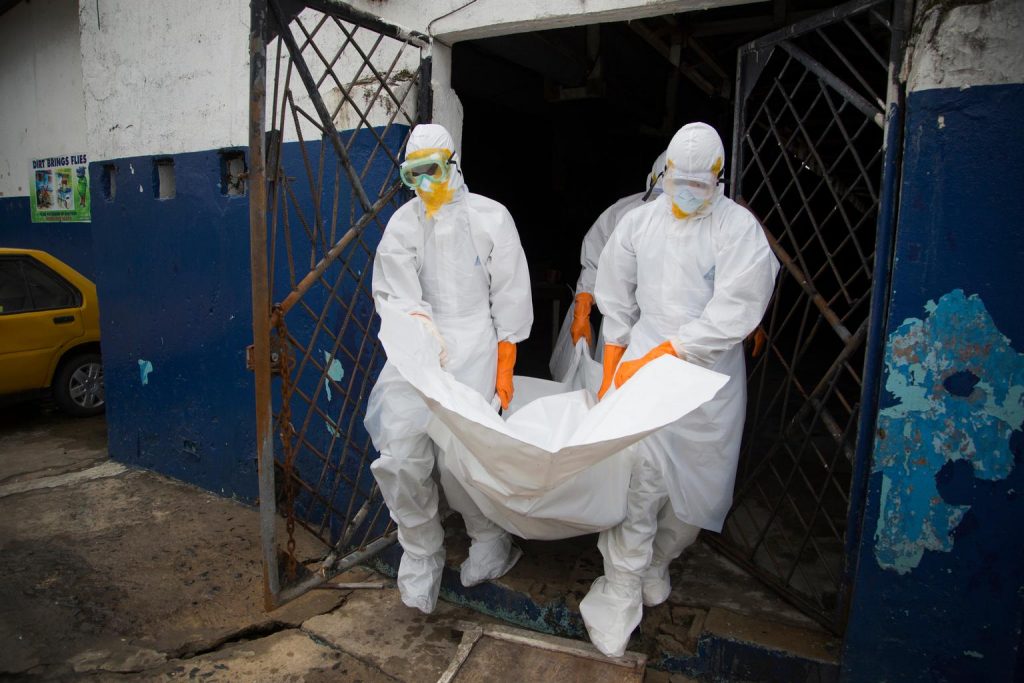
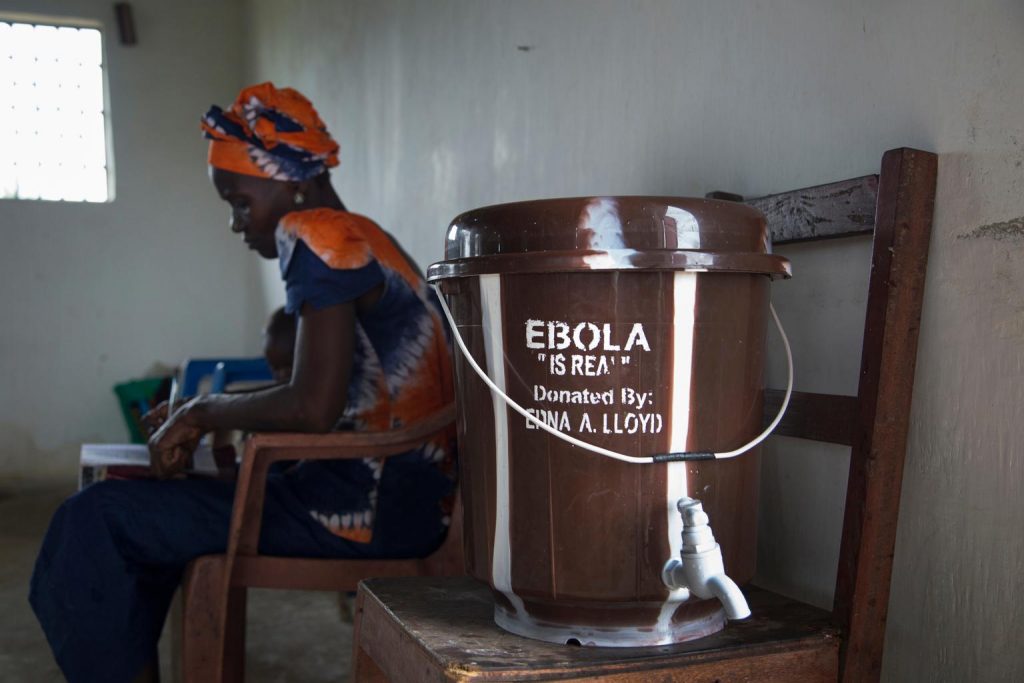
Safely burying Ebola infected individuals is acknowledged to be important for controlling Ebola epidemics and was a major component of the 2013–2016 West Africa Ebola response. Yet, in order to understand the impact of safe burial programs it is necessary to elucidate the role of unsafe burials in sustaining chains of Ebola transmission and how the risk posed by activities surrounding unsafe burials, including care provided at home prior to death, vary with human behavior and geography.
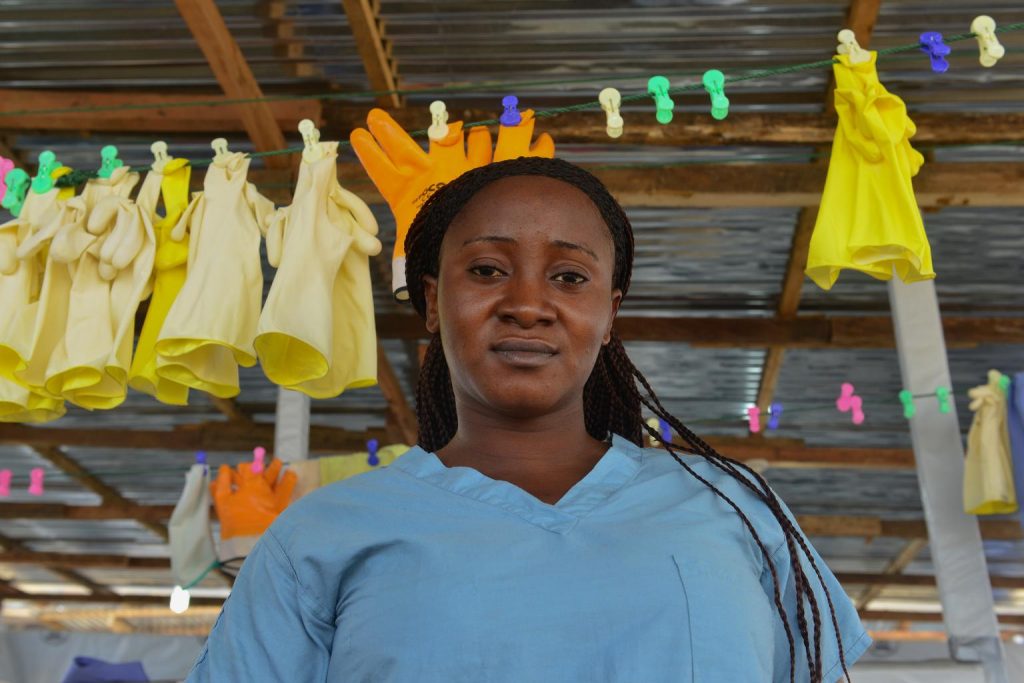
This article outlines a research program for an anthropology of viral hemorrhagic fevers (collectively known as VHFs). It begins by reviewing the social science literature on Ebola, Marburg, and Lassa fevers and charting areas for future ethnographic attention. We theoretically elaborate the hotspot as a way of integrating analysis of the two routes of VHF infection: from animal reservoirs to humans and between humans.
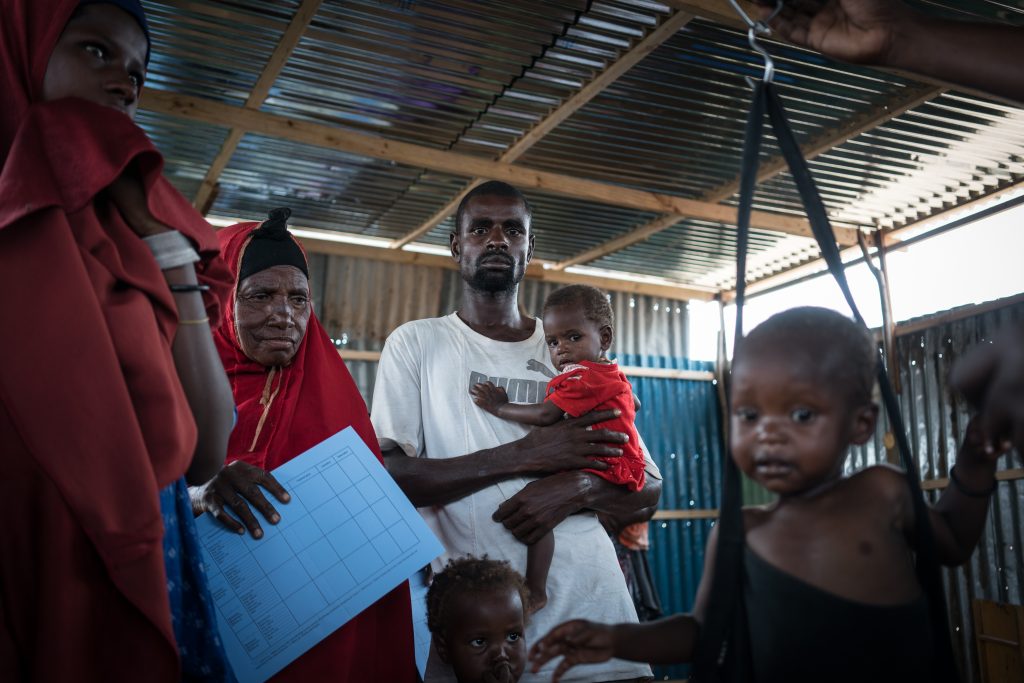
Within the private sector there are numerous levels of private care, but the majority of private facilities offering clinical care are clustered in large cities and are only accessible to the few who can afford them (and indeed, wealthier Somalis fly out of Somalia when they need
higher levels of care). Private pharmacies on the other hand, are described as ubiquitous and offer a range of services that are accessible to a much wider proportion of society. Several studies have suggested they are the most used source of health care in Somaliland and other zones of Somalia. This report describes the private pharmacy sector and gives information for influencing programme design, to
allow public health actors to consider use of the private pharmacy network as important contributors to attaining
public health goals in Somaliland
In Somalia, Food Security and Nutrition Analysis Unit (FSNAU) – a multi-donor project managed by the Food and Agriculture Organization of the United Nations) and FEWS NET are working together to ensure that livelihood products, tools, and skills meet FSNAU’s and FEWS NET’s decision support needs. This report offers an overview of the Household Economy Analysis methodology and a brief account of its history in the FSNAU, and then a summary analysis of the essential information from the baseline profiles taken together. This is followed by a series of livelihood profiles for each of the eighteen livelihood zones identified in Somalia.
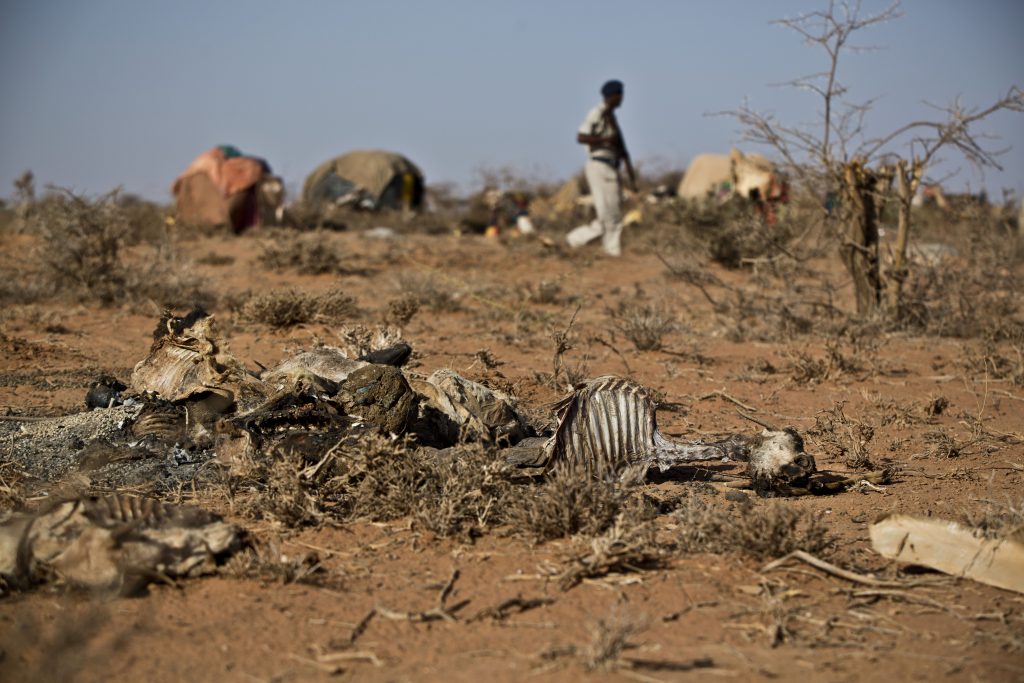
This study represents an initial attempt to assess patterns of displacement related to droughts in selected countries of the Horn of Africa, specifically the border regions of Kenya, Ethiopia and Somalia. The study explores several scenarios to identify potential impacts of climate change and demographic trends and to test the effectiveness of measures to prevent and respond to droughts.
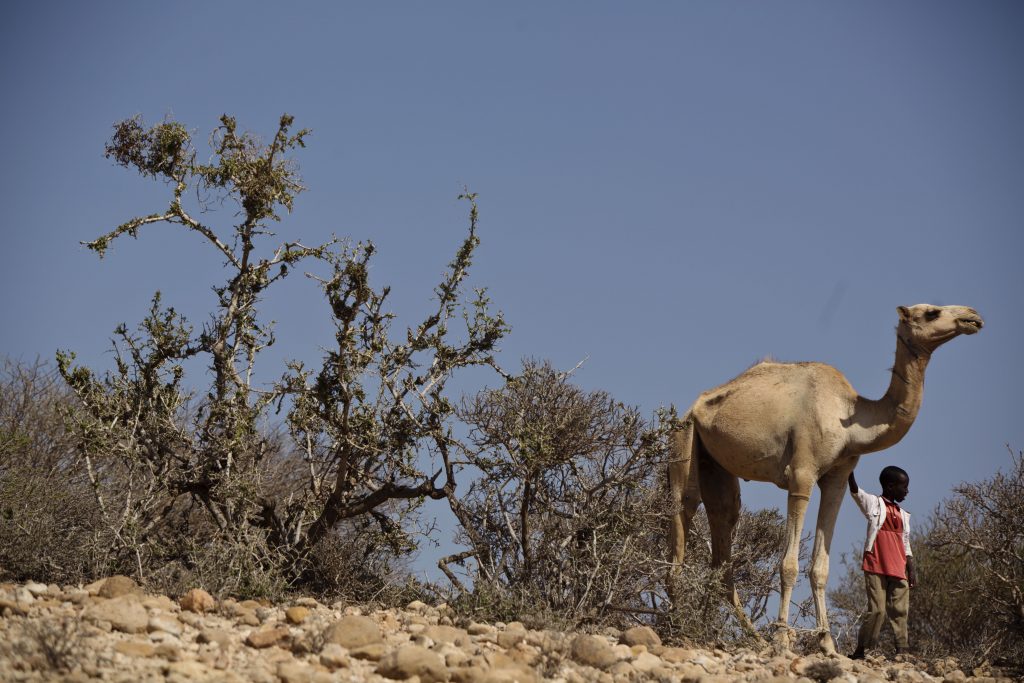
The settling of formerly mobile pastoral populations is occurring rapidly throughout East Africa. Pastoral sedentarization has been encouraged by international development agencies and national
governments to alleviate problems of food insecurity, health care delivery, and national
integration. However, it has not been demonstrated that abandoning the pastoral way of
life, and particularly access to livestock products, has been beneficial to the health and well-being of
pastoral populations.
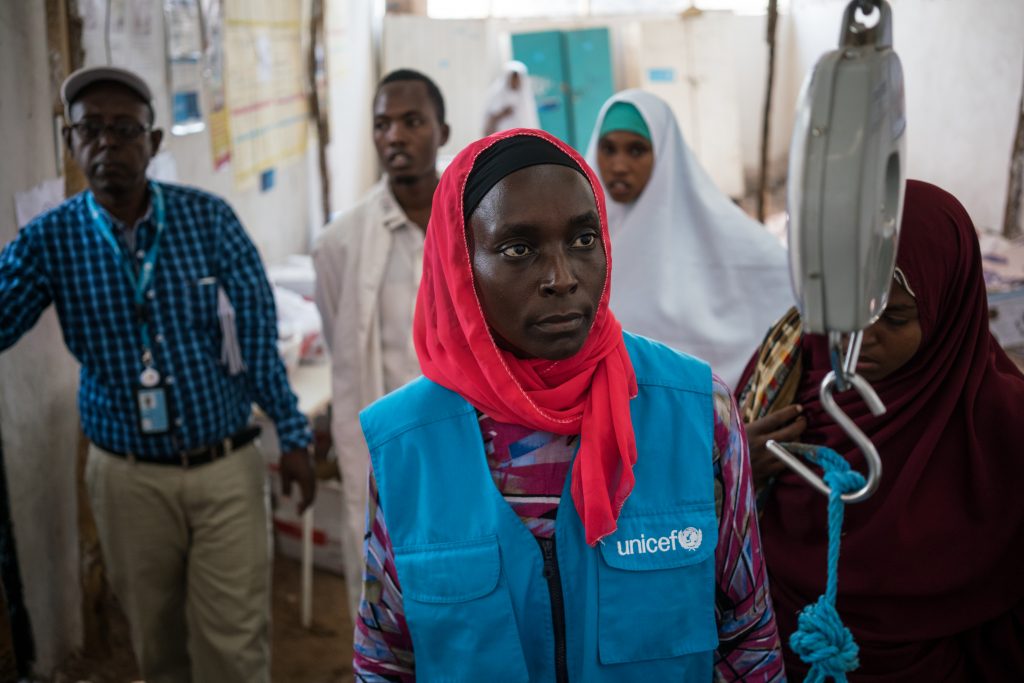
This dissertation explores the lasting effects of recurrent temporary medical humanitarian operations through ethnographic research in communities, clinical facilities, nongovernmental aid organizations, and governmental bureaucracies in the northern Somali Region of Ethiopia.
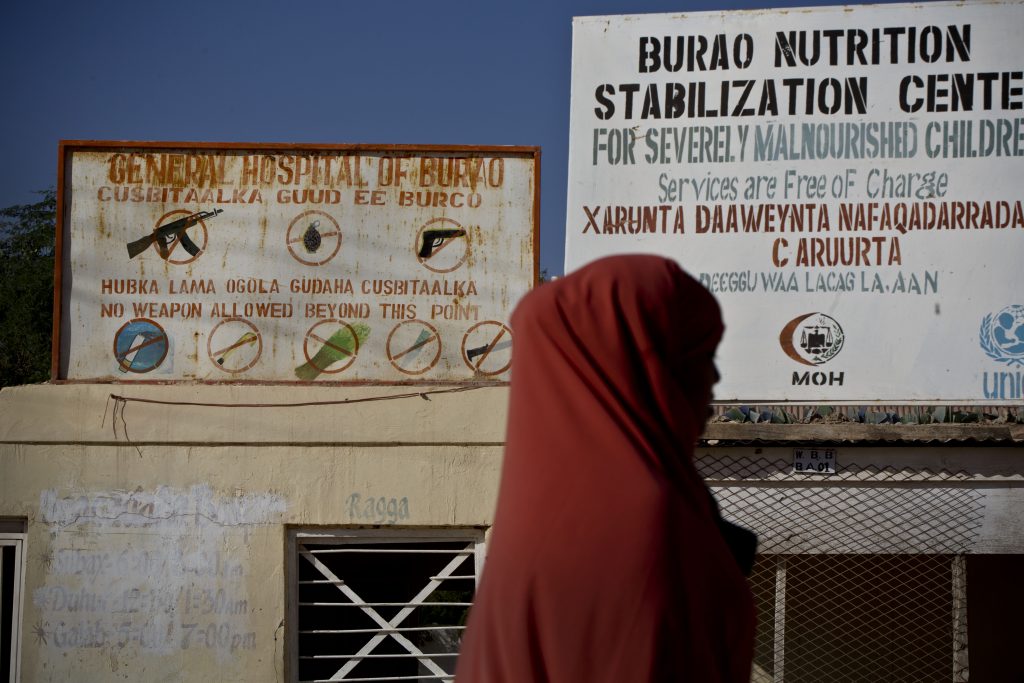
The aim of this article is to contribute to this understanding of the wider health care system in a post-conflict Somali context, in particular in Somaliland. The fieldwork included participant observation and interviews of several local healers and their patients from the diaspora.
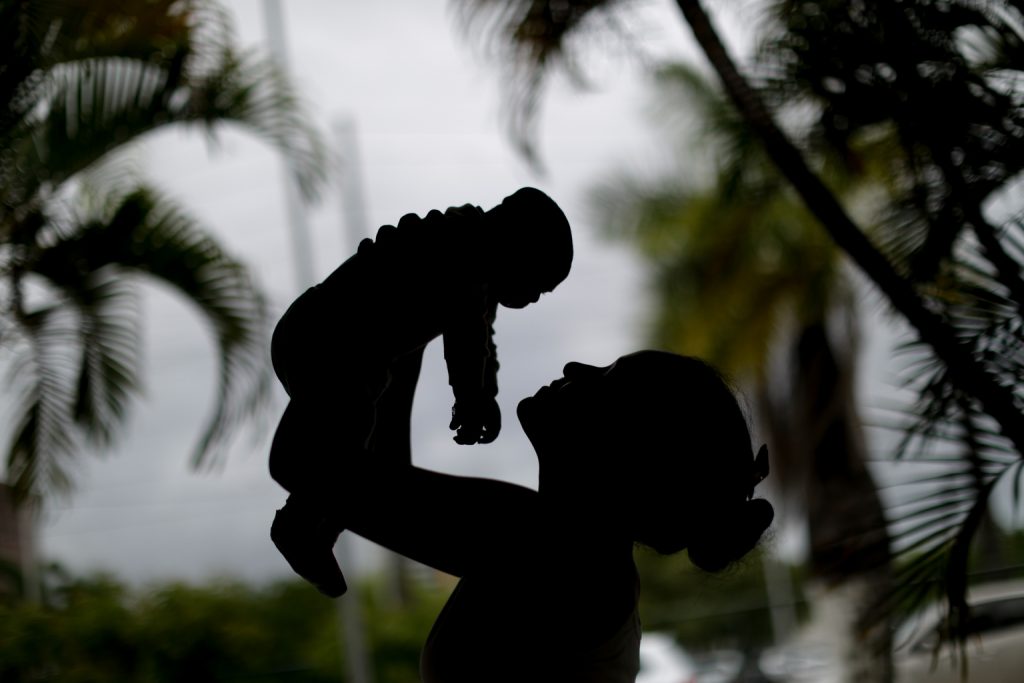
This article analyses the particular relevance of gender for debates about global health and the role for international human rights law in supporting improved health outcomes during public health emergencies. Looking specifically at the recent Ebola and Zika outbreaks, what we find particularly troubling in both cases is the paucity of engagement with human rights language and the diverse backgrounds of women in these locations of crisis, when women-specific advice was being issued.
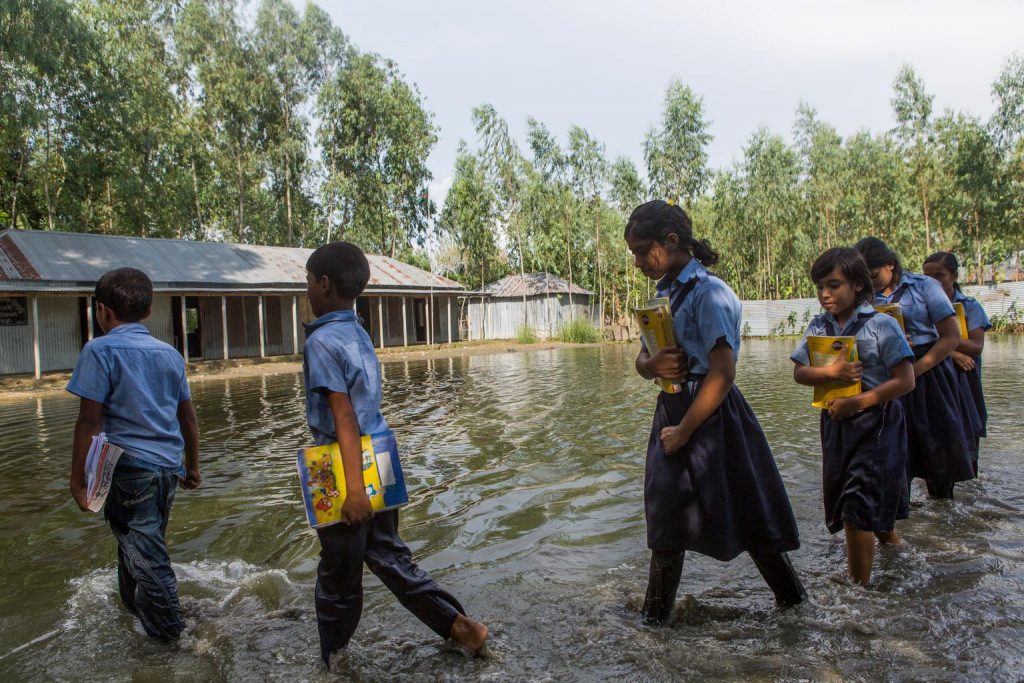
The authors present current evidence on how climate change impacts on social and environmental determinants of health and the link between these determinants and the vulnerability of local communities. They outline proven community-based interventions that local populations in developing countries can scale-up and take ownership of in order to strengthen their resilience to climate-sensitive diseases and conditions.
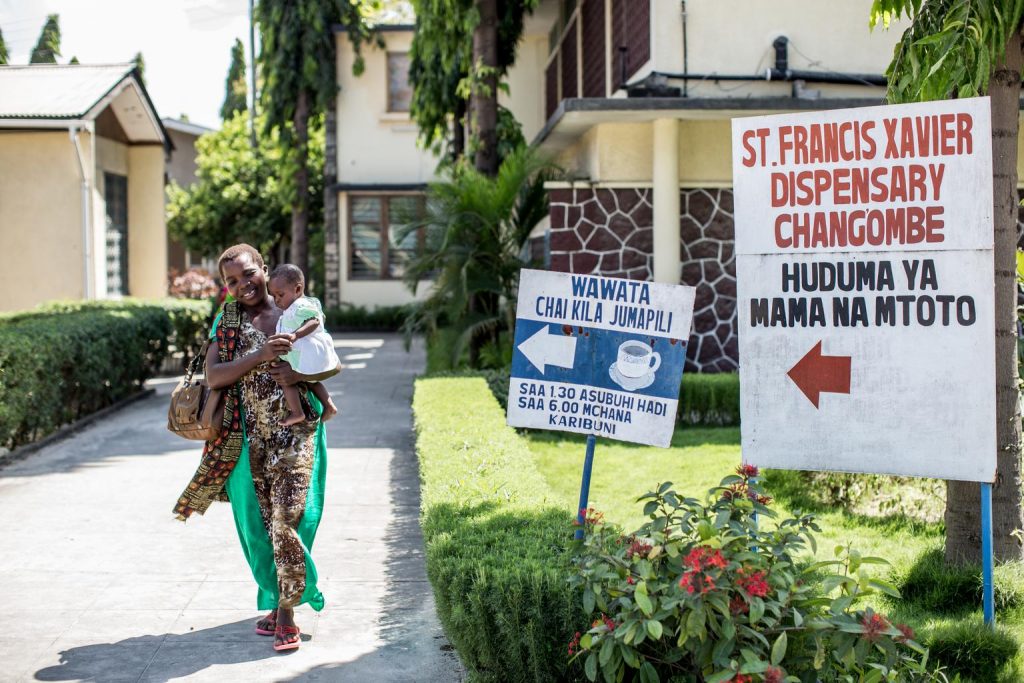
This briefing note summarises the rationale behind a symposium held in South Africa, which objectives were: to provide a quick overview of gender-sensitive practices which have been effective in preventing and coping with HIV/AIDS in communities in the aftermath of violent conflict; to identify strategies that empower men and women recently affected by violent conflict to engage more effectively in HIV/AIDS prevention; and to explore the practical implications of HIV/AIDS prevention for building sustainable peace.
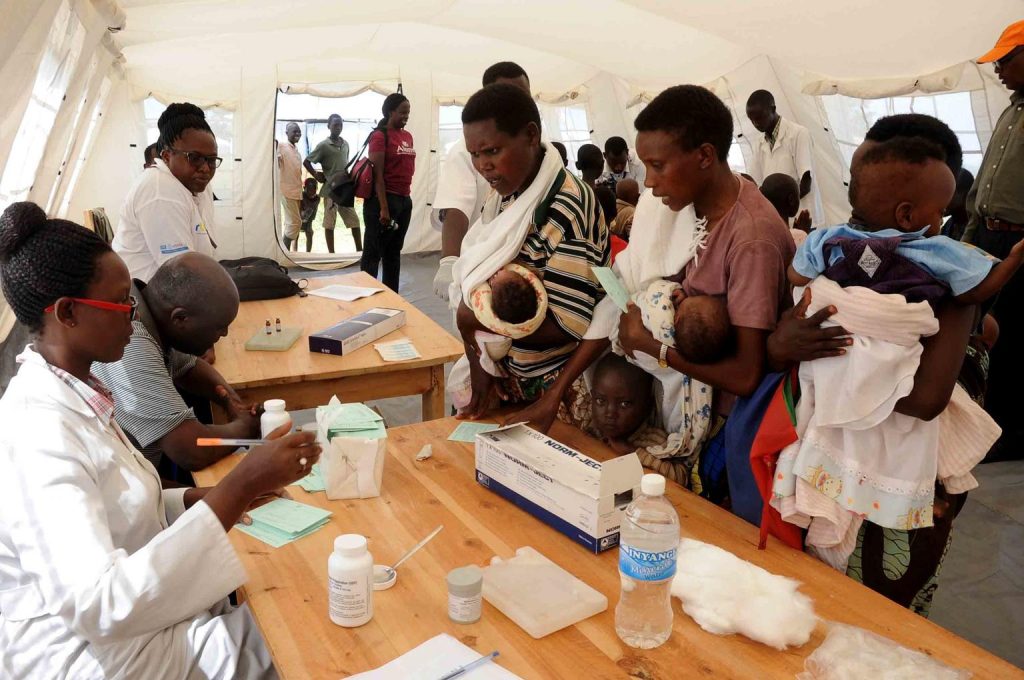
The Sphere Humanitarian Charter states that: All people should have access to health services that are prioritised to address the main causes of excess mortality and morbidity. There are a number of handbooks to aid prioritisation in crisis situations (highlighted in section 2 of this report):The Johns Hopkins and Red Cross Red Crescent public health guide outlines essential tasks for prioritising health services and shows a simple technique for ranking health problems in emergencies.The Humanitarian Practice Network (HPN) guide proposes questions for identifying health problems for prioritisation and a framework for answering these.
The UNICEF Emergency Field Handbook gives a priority action checklist.The WHO Health and Nutrition Tracking Service (HNTS) highlights priority indicators for assessing the nutritional and general health situation in complex emergencies. Medecins Sans Frontieres list intervention priorities for refugee health for the emergency and post-emergency phase of a situation.Further resources,
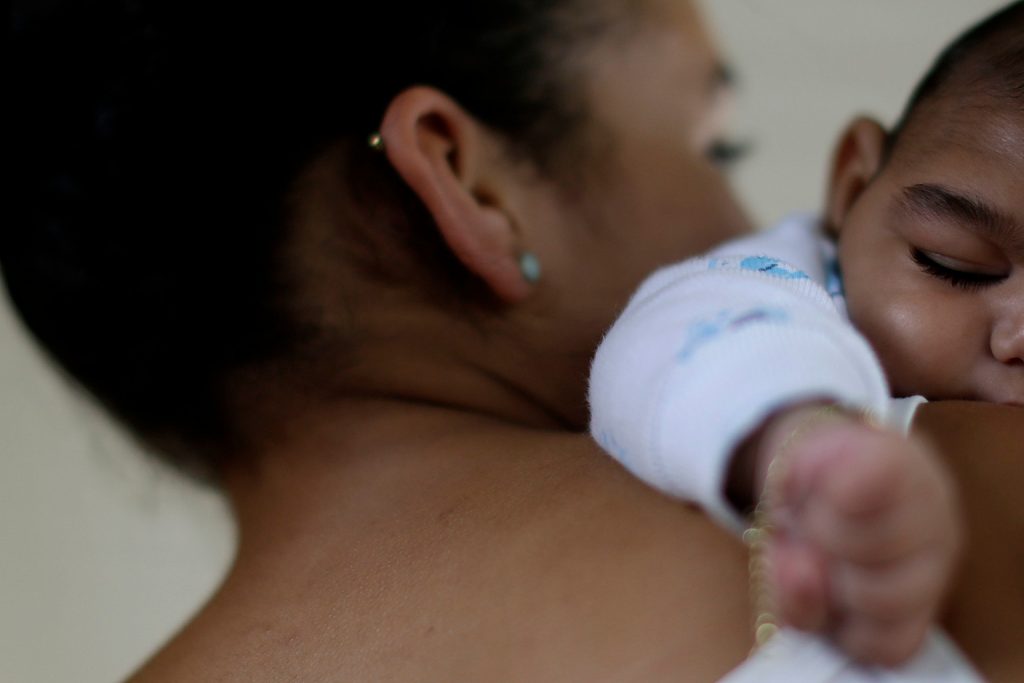
More must be done to ensure the needs and rights of people with disabilities are fully recognised in disaster risk reduction and emergency responses. Accelerating progress will require inclusive humanitarian programming and the use of technological solutions to be effectively promoted and incentivised, and people with disabilities and their organisations to be involved from the outset in the design and implementation of policies and programmes.
This Rapid Response briefing argues that It is important to follow a twin-track approach, having both accessible mainstream responses as well as dedicated responses for specific needs. Donors could also make the inclusion of people with disabilities a mandatory component of response funding or earmark funding for disability. More work is also required to make field staff in humanitarian responses aware of disabled people’s needs and of the resources available for them. As crises have demonstrated,
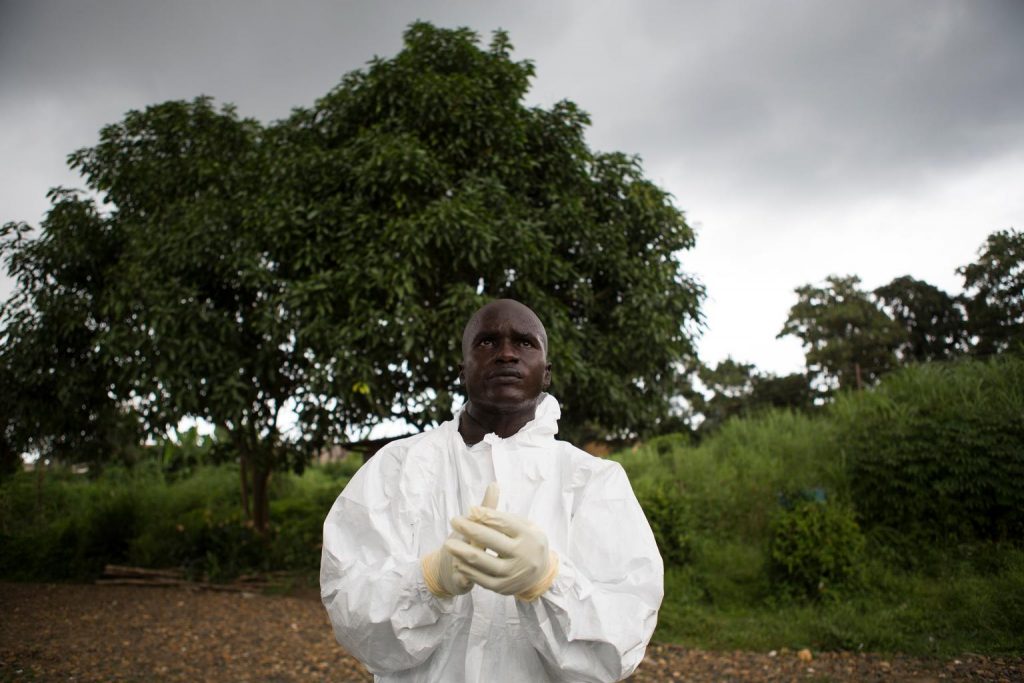
Rumours about Ebola generated social challenges that were real but surmountable, finds Amzath Fassasi.

Rachel Thomas maps out the various institutions involved in the response and reviews communication challenges. The ongoing outbreak of Ebola in West Africa is the largest and longest since the virus was discovered four decades ago. Many organisations have been fighting this epidemic and grappling with social, cultural and political factors.
The need for social science and effective communications when responding to outbreaks is clearer than ever, as is the need to look critically for lessons that can guide future efforts. The resources below summarise the various institutions helping to fight the epidemic and highlight communication efforts.

In the last thirty years, humanitarian programmes have increasingly sought to preserve not only physical life and health, but also to address psychological needs and promote social well-being. This growing prioritisation of psychological issues in humanitarian settings can be seen in the development of new types of assistance efforts, described by the umbrella term “mental health and psychosocial” (MHPSS). However, mental health and psychosocial programmes have been widely criticised, and the MHPSS field marked by intense debate.In this paper, the author defines international therapeutic governance and describes research by Vanessa Pupava onpsychosocial programming as being homogenising, pathologising, controlling and depoliticising. Assimilating and synthesising Pupavac’s critique, the paper creates a four-fold evaluative framework and then analyses its critical utility.
It goes on to to analyse current practice as represented by the 2007 IASC Guidelines on Mental Health and Psychosocial Support.The author argues that practitioners have made significant progress in moving toward a culturally-appropriate and empowering model of psychosocial programming within humanitarian interventions,
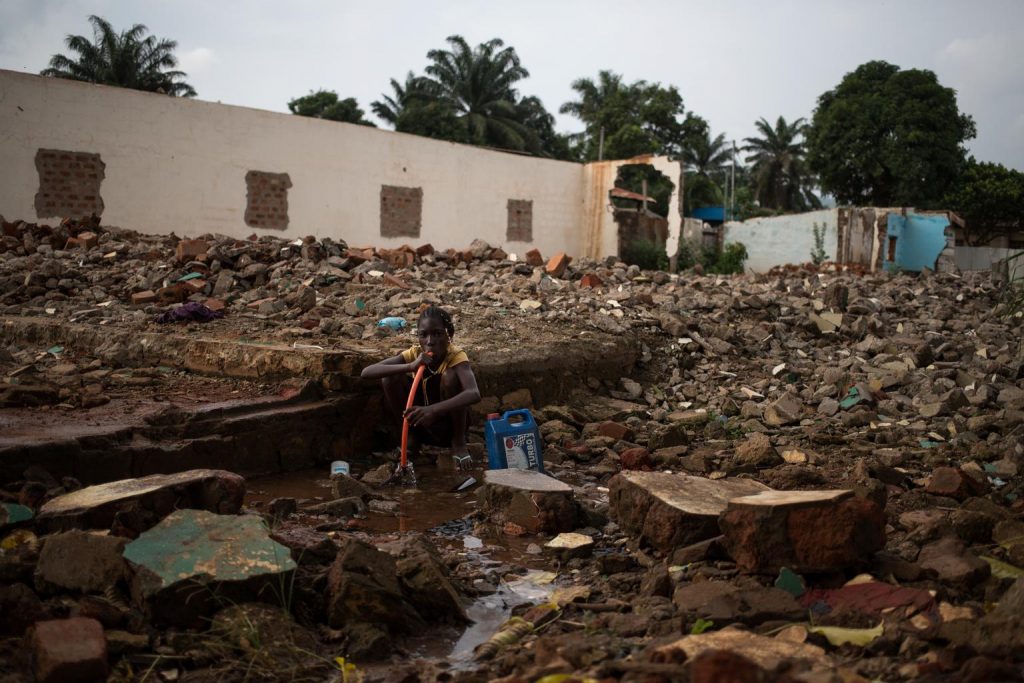
This working paper sets about developing a common framework that summarises key knowledge in the field of psychosocial interventions in emergencies in order to provide agencies with some tools’ for making decisions about the type of interventions they can implement.
In this framework psychosocial well-being of individuals and of the larger social units is seen to be affected by three key issues: human capacity, social ecology, and culture and values: human capacity includes the physical and mental health of a person, as well as his or her knowledge and skills social ecology refers to the social connections and support that people share and that form an important part of psychosocial well-being culture and values points to the specific context and culture of communities that influence how people experience, understand and respond to events. These three areas are all inter-related and changes in one area will affect the other areas as well as the overall well-being of people
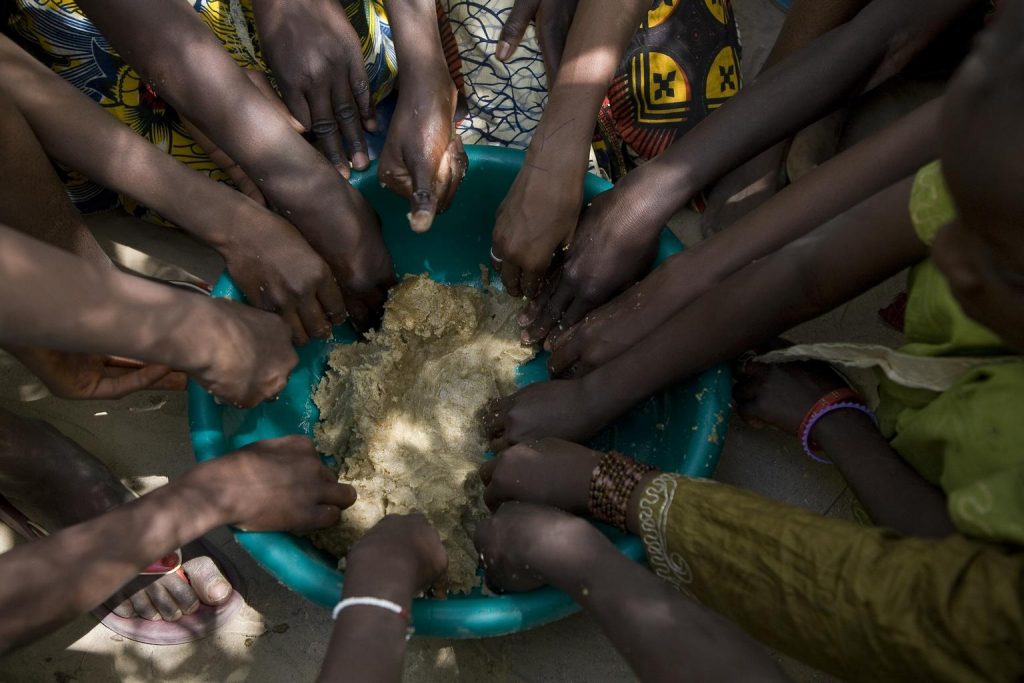
In emergency situations, older people may find it hard to access food. For example, when they are displaced, older people may face difficulties in registering for the general food rations, meet challenges in accessing food distributions and difficulties transporting the food. This document provides general guidance for the implementation of emergency nutrition activities ensuring the inclusion of older people and addressing their specific needs.
Its primary target is humanitarian actors working in the field – no specific knowledge of nutrition is assumed.While the guidance recognises the connection between nutritional wellbeing, food security and health care it does not provide guidance on programming in these areas. These can be found in other HelpAge documentation. At both global and field level, this guidance can also be used to highlight and advocate for the nutrition needs of older people in humanitarian crisis.
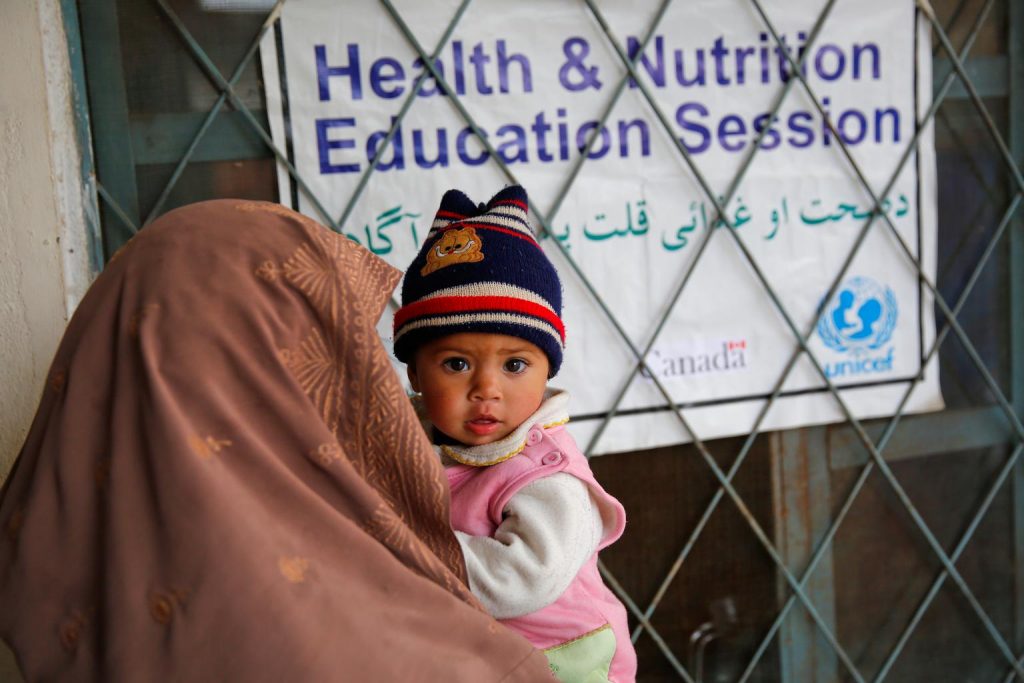
The objective of this strategic review is to produce evidence-based options and recommendations for DFID’s strategy for engagement in Pakistan’s health and population sector over the next 3-5 years.The report suggests approaches that will work with- rather than just through– Government, enabling other stakeholders to complement and strengthen government services. For example, national/international NGOs might be contracted in certain districts by the provincial governments to help the latter deliver more and better sexual and reproductive health (SRH) services through the primary healthcare network.
Where primary healthcare is already contracted out the contractee/service provider should be encouraged to follow the same principle and contract in or out certain services (like SRH) so as to ensure synergy between SRH and maternal, neonatal and child health services and outputs.The 2 main themes recommended for support would include:Supporting the transition between emergency support and sustainable health programmes in flood-affected districts.Supporting the transition from centralised vertical programmes to more effective locally-led more integrated services.
This report shares perspectives and insights from young people from around the world living with and affected by HIV, who share their visions for realising and claiming their sexual and reproductive health and rights (SRHR) and for setting priorities for HIV and SRHR integration.The publication was produced by the Link Up project, as part of discussions held to help advocate for young people to be a priority when setting development agendas, particularly within the emerging post-2015 framework. The Link Up project is being implemented by a consortium of global and national partners, working with young people aged 10 to 24 years old, with a specific focus on young men who have sex with men, young people who do sex work, young people who use drugs, young transgender people, and young women and men living with HIV.
Two consortium partners, the Global Youth Coalition on HIV/AIDS (GYCA) and the ATHENA Network led consultations with young people,
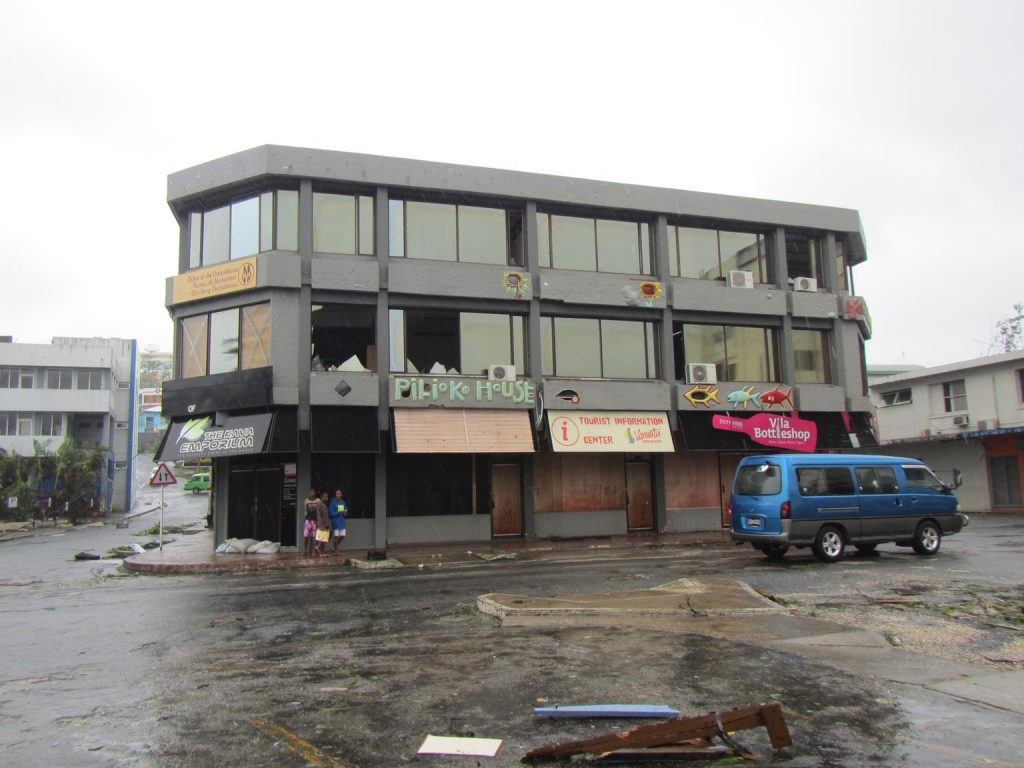
Ebola has had significant, negative effects in the rapidly expanding, unregulated areas of peri-urban and urban West Africa. The residents of these areas maintain vital connections with rural populations while intermingling with and living in close proximity to urban and elite populations. These interconnections fuel the spread of Ebola. The degradation of natural resources, temporary housing, inadequate water supplies, hazardous conditions and dense concentrations of people in peri-urban areas exacerbate the potential for zoonotic disease spread. Yet the peri-urban remains largely unacknowledged and under- addressed in development.
In considering the intersections between Ebola, peri-urban settlements and urbanisation, we must recognise that: basic hygiene and isolation of the sick are frequently impossible; disease control through quarantine often ignores poor people’s patterns of movement and immediate material needs; quarantine can reinforce the political exclusion of peri-urban residents; and there exists the potential for future zoonotic disease emergence in peri-urban contexts.
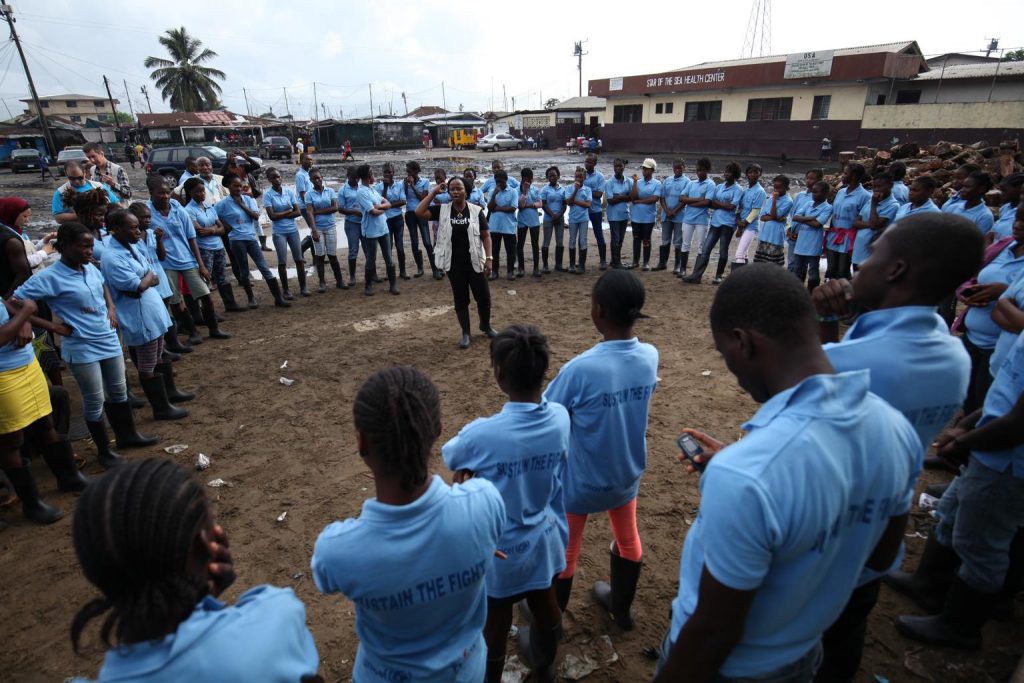
This paper seeks to understand the fear many Guineans feel towards Ebola response initiatives and why the educators, doctors and burial teams have sometimes encountered resistance, occasionally violent.
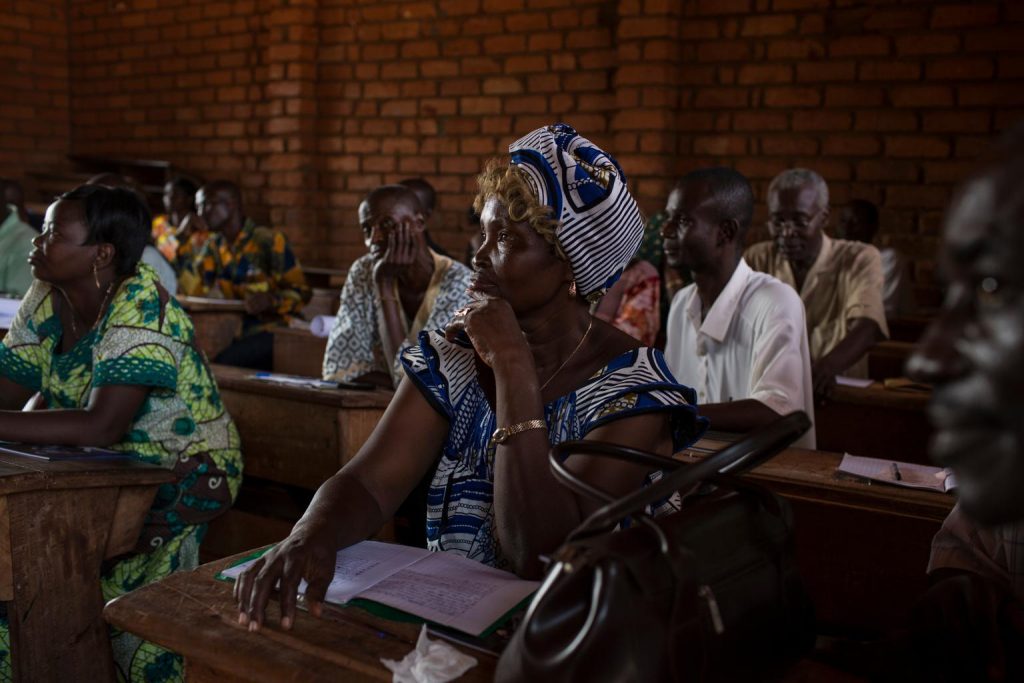
For some years, awareness about the need for comprehensive sexual and reproductive health (SRH) services for women in situations of war and armed conflict has been growing. As a result, humanitarian aid programmes are paying more and more attention to the provision of SRH services in the field, but a more holistic and integrated approach to SRH is often still lacking.
This guide has been developed as a practical tool for programme officers in humanitarian aid to screen programmes and policies in order to promote a more integrated approach of SRH. It is the result of an interdisciplinary policy research project for the Belgian Development Co-operation, which highlights SRH from a human rights approach. It includes medical aspects of SRH and also emphasises the need to develop an enabling political, legal, social and cultural environment.
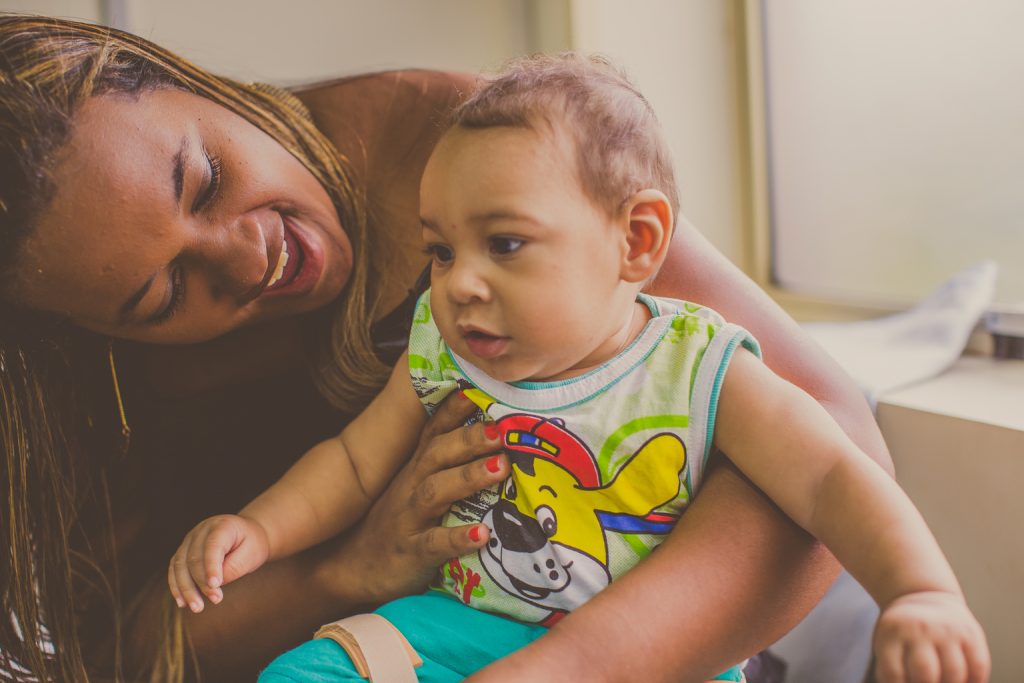
Girls’ and women’s health is in transition and, although some aspects of it have improved substantially in the past few decades, there are still important unmet needs. Population ageing and transformations in the social determinants of health have increased the coexistence of disease burdens related to reproductive health, nutrition, and infections, and the emerging epidemic of chronic and non-communicable diseases (NCDs). Simultaneously, worldwide priorities in women’s health have themselves been changing from a narrow focus on maternal and child health to the broader framework of sexual and reproductive health and to the encompassing concept of women’s health, which is founded on a life-course approach.
This expanded vision incorporates health challenges that affect women beyond their reproductive years and those that they share with men, but with manifestations and results that affect women disproportionally owing to biological, gender, and other social determinants.
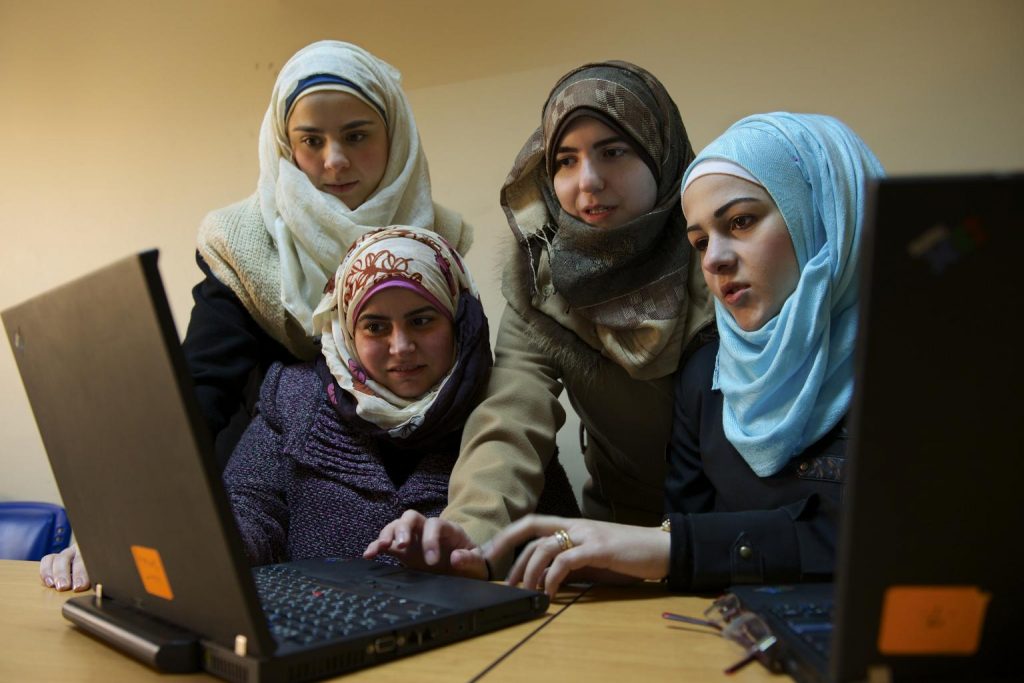
The creation of women and girls safe spaces (WGSS) has emerged as a key strategy for the protection and empowerment of women and girls affected by the Syrian crisis. This document provides an overview of what safe spaces are and what key principles should be followed when establishing such spaces in humanitarian and post-crisis contexts. This guidance is based on the experiences of UNFPA and its partners in Jordan, Lebanon, Iraq, Syria and Turkey. It also refers to experiences documented by the Gender-Based Violence (GBV) coordination mechanisms in Jordan and Lebanon.The key objectives of a safe space are to provide an area where women and girls can socialize and re-build their social networks; acquire contextually relevant skills and access multi-sectorial GBV response services and information on issues relating to women’s rights, health, and services. In the Syrian context, women have become more isolated as a consequence of the crisis but evidence suggests that the establishment of women- and/or girl-only spaces helps to reduce risks and prevent further harm during acute emergency responses.