




Joanna Radin explores the role of the “hot zone” in immobilizing people, blood and information.
Frozen By the Hot Zone
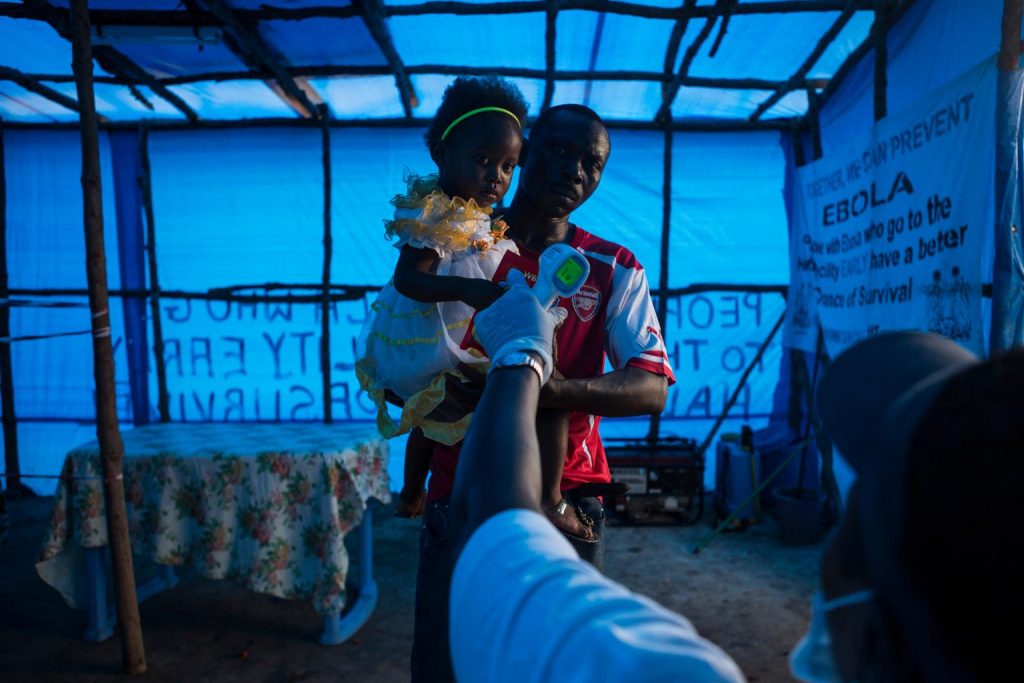
Joanna Radin explores the role of the “hot zone” in immobilizing people, blood and information.
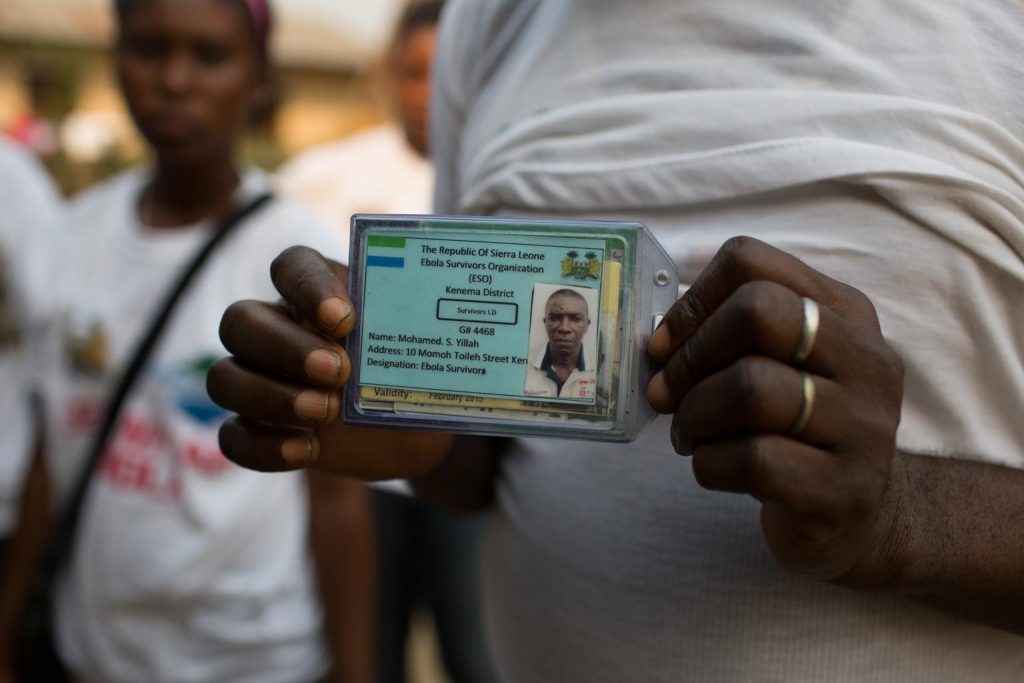
What does experimentation look like in the time of emergency?
Ann H. Kelly explores the design of clinical trials amidst the Ebola crisis.
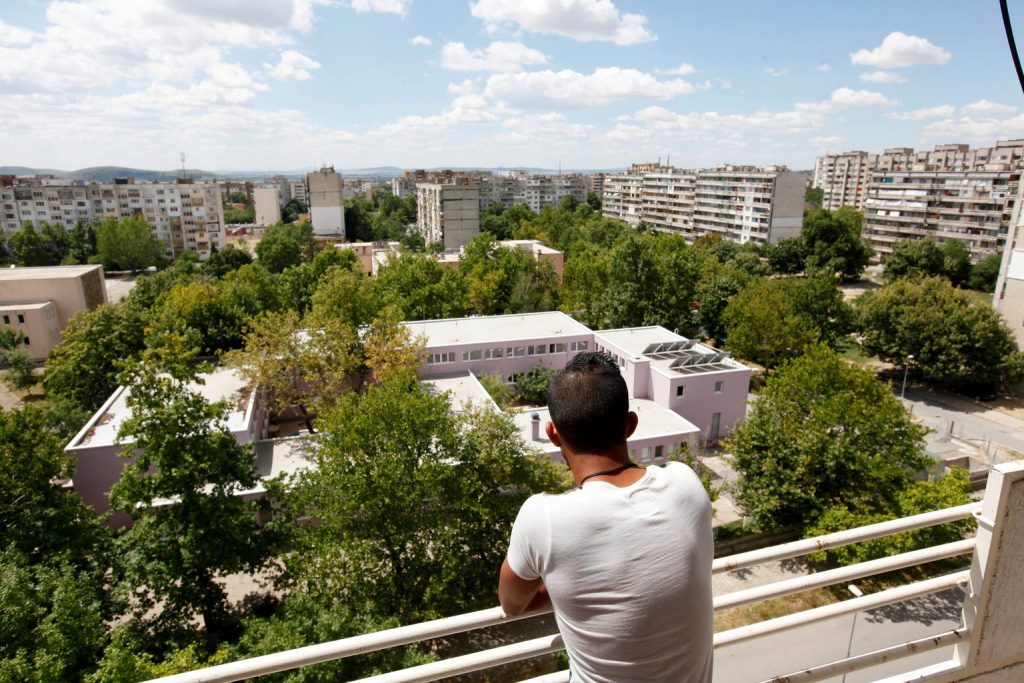
Lyle Fearnley explores how global preparedness for emerging diseases left some places unprepared.
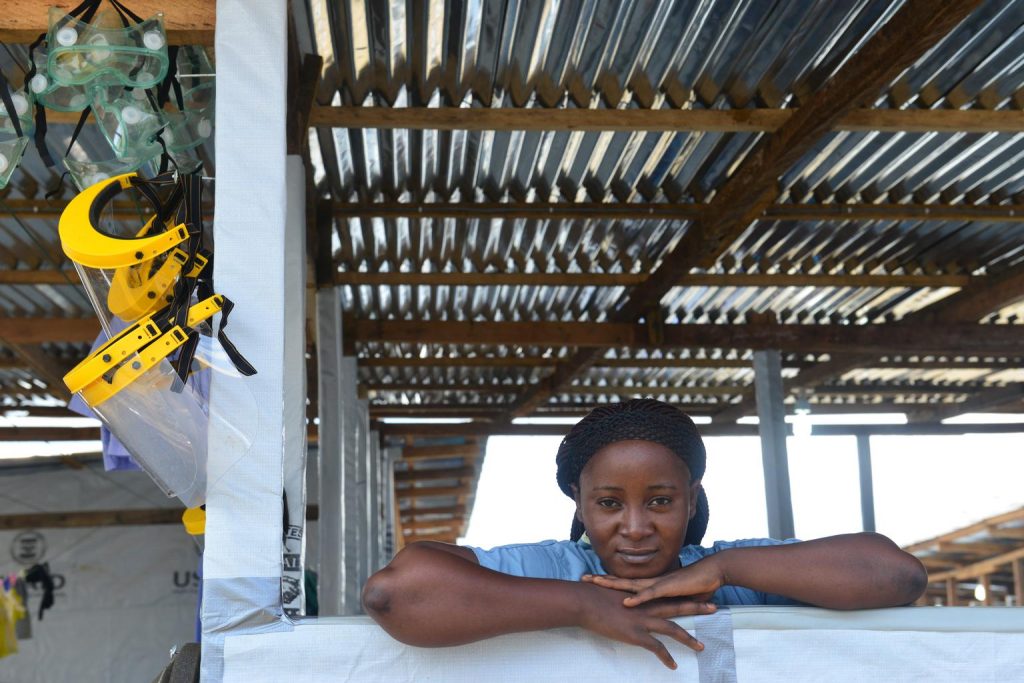
Alex Nading explains how brincidofovir’s path to the front lines of the Ebola crisis underscores the contingent, speculative, “chimeric” nature of contemporary global health.
In the last twenty years, influenza has been considered by global health experts as a model for the emergence of new pathogens from animal reservoirs.
In the logic of zoonoses, human disease is the tip of the iceberg constituted by a wide circulation of viruses – often asymptomatic – in animals; it is often described as an “evolutionary dead-end”.
The current crisis is not a nightmare unfolding in front of our eyes, as in a “disaster movie.” It is not an anomaly or an accident which has afflicted public health services unexpectedly. It is also not, to use development gobbledygook, an organisational, financial and political “challenge” for the international community and humanitarian workers.
Quite the opposite: the Ebola crisis is the result of two decades of political choices and actions.
This paper reviews and summarizes the available literature on Haitian mental health and mental health services. This review was conducted in light of the Haitian earthquake in January 2010. We searched Medline, Google Scholar and other available databases to gather scholarly literature relevant to mental health in Haiti. This was supplemented by consultation of key books and grey literature relevant to Haiti. The first part of the review describes historical, economic, sociological and anthropological factors essential to a basic understanding of Haiti and its people.
This includes discussion of demography, family structure, Haitian economics and religion. The second part of the review focuses on mental health and mental health services. This includes a review of factors such as basic epidemiology of mental illness, common beliefs about mental illness, explanatory models, idioms of distress,help-seeking behavior, configuration of mental health services and the relationship between religion and mental health.
In August of this year, when the Ebola outbreak escalated in Liberia and a state of emergency had been declared for the country, Fatu Kekula, a young Liberian nursing student, improvised personal protective equipment (PPE) to care for her father, mother, sister, and cousin.
After three of the relatives survived, her method was featured prominently in the international news media as the “trash bag method”. The reports were meant to ignite a spark of hope in the Ebola epidemic in Guinea, Sierra Leone, and Liberia.
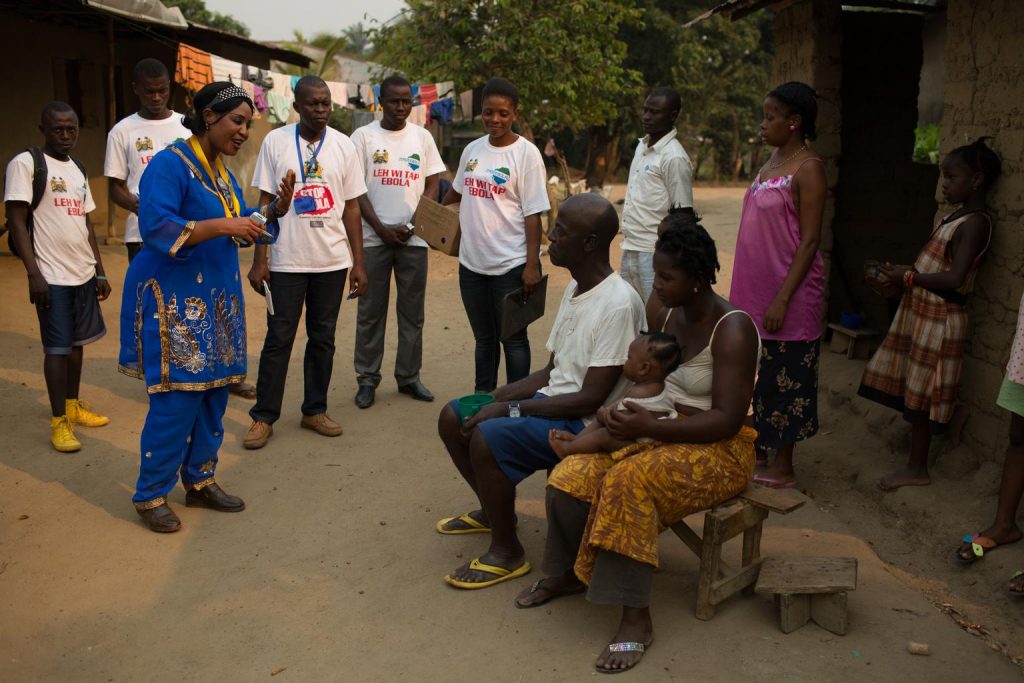
The lead for a story on the Ebola outbreak is, by now, familiar: on the 22nd of March, the Guinean Ministry of Health declared an outbreak of Ebola, the first ever in the region.
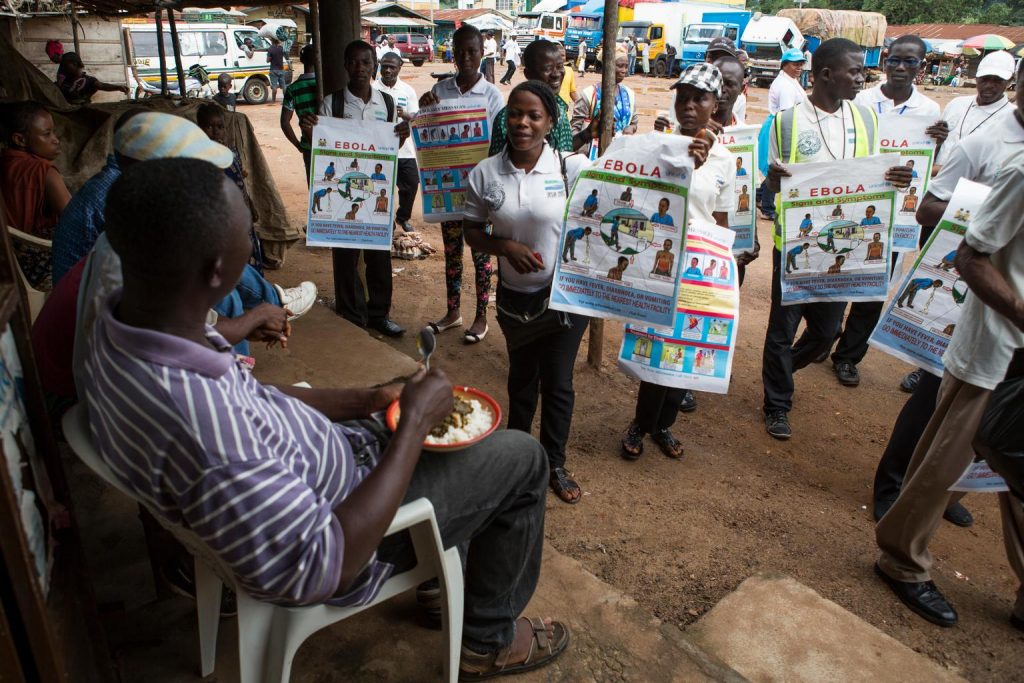
The virus has since spread through the countryside and across its borders: west to Sierra Leone, south to Liberia, and most recently, north into Senegal. Cases in Lagos and Port Harcourt, Nigeria have put countries across the region and beyond on high alert; as far away as Kenya, public health posters inform people about modes of transmission.
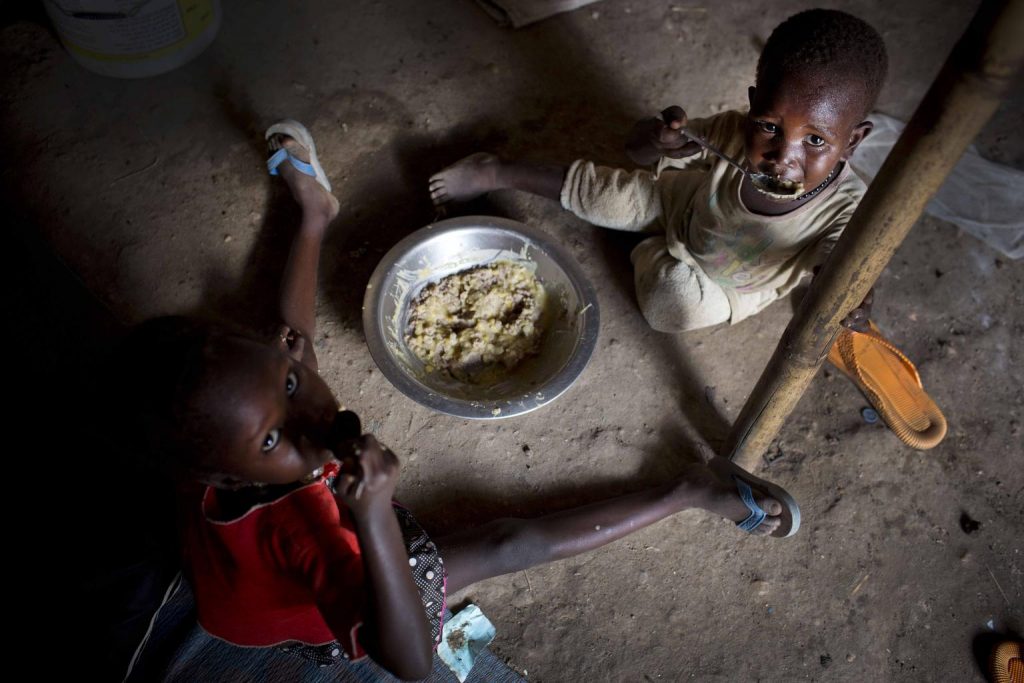
Since the implementation of the mVisa program, refugees overwhelmingly believe malnutrition rates are as high as they have ever been in Gihembe, that the same illnesses abound, but that there is less excrement – or watery diarrhea – visible in the residential quarters.
Their rationale: when there is less food to eat, there is less food to excrete. Refugees are constantly left pondering how to improve themselves, their lives, their health and futures.
In conversations with people living with polio in Hungary, I often encountered members of the tight-knit community referring to themselves as “dinosaurs”.
We are a breed that is about to die out, they said. Nobody gets polio anymore, some added, and they were right – epidemics, even sporadic wild polio cases disappeared from the country in the 1960s.
“Untimely ends” can then be best approached as transformative topoi between the symbolic order of really existing epidemics and the pandemic imaginary, as a vision of the (biological and ontological) end of humanity.
Rather than just bridging experience and anticipation, they create the conditions of possibility of transference between the thinkable and the unthinkable.
In late August 2011, on the eve of the tenth anniversary of 9/11, Hurricane Irene tore northwards up the Atlantic, its projected path fixed over the U.S. East Coast. So great was the force of the tropical storm’s anticipation that flood-prone and low-lying metropolitan areas from Virginia Beach to Providence were preemptively evacuated.
New York City mayor Michael Bloomberg, in what would later be dismissed by some as an overblown display of preparedness, closed the New York City transit system, shut off water and electricity in lower Manhattan, and preemptively deployed the National Guard.
Far away from the frontlines of the Ebola outbreaks in Sierra Leone, Guinea, and Liberia, where people and their caretakers die from the disease, new forms of humanitarian aid and global health financing are being leveraged behind closed doors.
In Washington, D.C., London, and Geneva, long-standing government-to-government models of global cooperation and international development assistance, imperfect as they are, are being supplanted by new forms of finance that prioritize profits for private shareholders.
In this article, I share a 10-point list of actions that anthropologists could take, right now, to improve the global response to the West African Ebola outbreak. Take notice, global health and national and international biosecurity communities.
There exists an entire discipline of anthropology that is dedicated to connecting the global and the local, to understanding and mapping populations in crisis, and serve as interlocutors between international institutions and local populations in this region.
An Ebola outbreak of unprecedented scope emerged in West Africa in December 2013 and presently continues unabated in the countries of Guinea, Sierra Leone, and Liberia. Ebola is not new to Africa, and outbreaks have been confirmed as far back as 1976. The current West African Ebola outbreak is the largest ever recorded and differs dramatically from prior outbreaks in its duration, number of people affected, and geographic extent. The emergence of this deadly disease in West Africa invites many questions, foremost among these:why now, and why in West Africa? Here, we review the sociological, ecological, and environmental drivers that might have influenced the emergence of Ebola in this region of Africa and its spread throughout the region. Containment of the West African Ebola outbreak is the most pressing, immediate need. A comprehensive assessment of the drivers of Ebola emergence and sustained human-to-human transmission is also needed in order to prepare other countries for importation or emergence of this disease.

This plan aims to reinforce community resilience to food insecurity by strengthening the following areas: access to and availability of food; household food security and nutrition and livelihoods; community-based disaster risk reduction; access to safe water and hygiene, and health awareness.
The plan will unite and support the efforts of partners and contribute to the achievement of Sustainable Development Goal 2, to end hunger and achieve food security, as well as priority actions of the Sendai Framework for Disaster Risk Reduction.
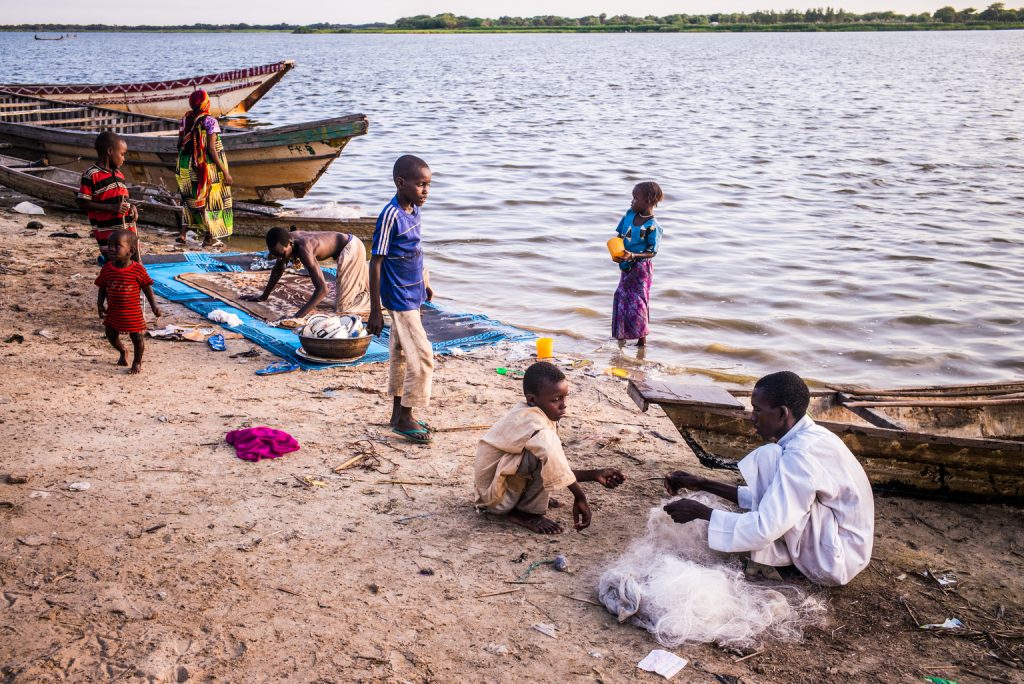
The UN announcement of famine in Somalia is both a wake-up call to the scale of this disaster, and a wake-up call to the solutions needed to limit death-from-hunger now and in the future. So, what is famine and how can we prevent it? Famine is the “triple failure” of (1) food production, (2) people’s ability to access food and, finally and most crucially (3) in the political response by governments and international donors.
Crop failure and poverty leave people vulnerable to starvation – but famine only occurs with political failure. In Somalia years of internal violence and conflict have been highly significant in creating the conditions for famine.
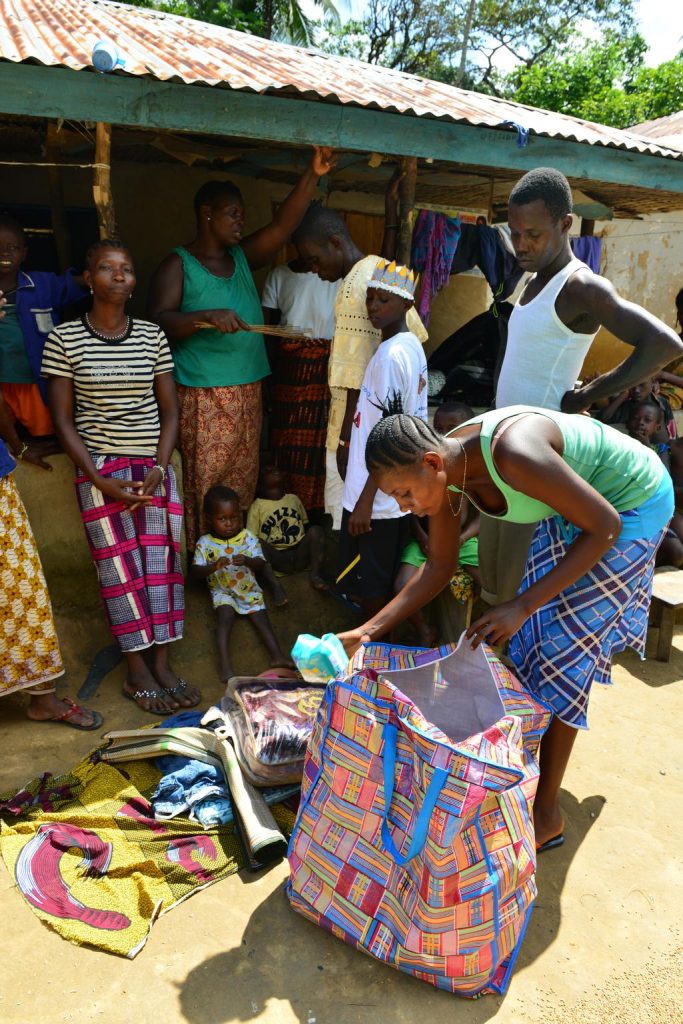
Since March 2014, over 3,000 people have died from the relentless spread of the Ebola virus throughout the West African countries of Guinea, Sierra Leone, Liberia and Nigeria.
Despite the heroic efforts of the humanitarian and medical professionals in these countries, crumbling public health systems—which were notoriously weak even before the current outbreak began—and a lack of facilities, equipment and medical staff have tragically not been able to stem the tide in these countries.
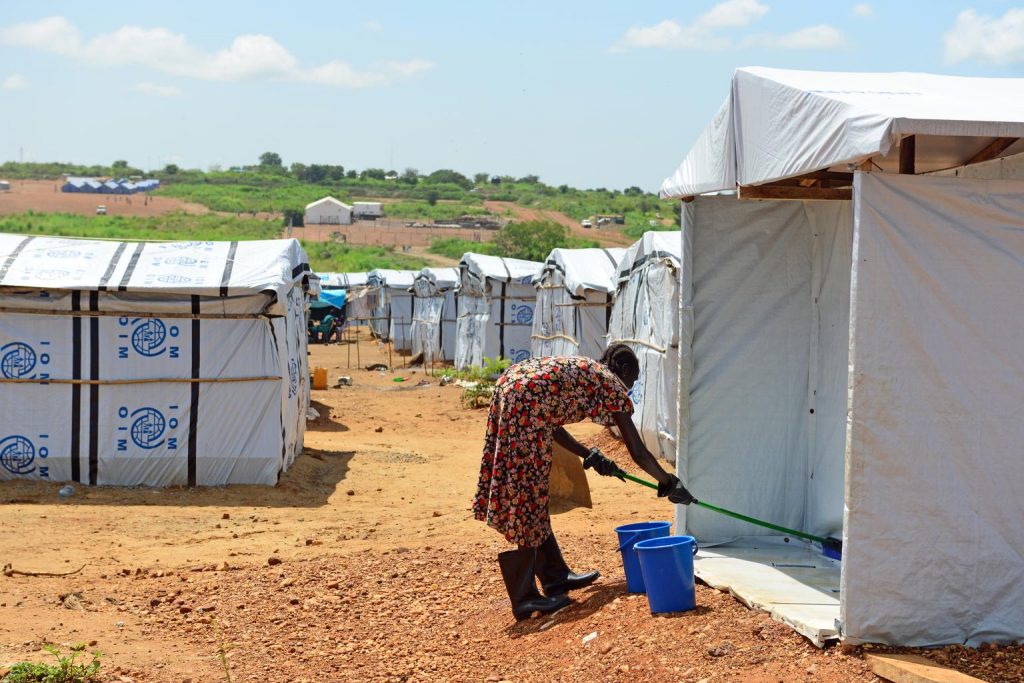
This report gives the findings of field research, secondary data analysis and detailed interrogation of humanitarian emergencies, and proposes six broad clusters of potential threats.
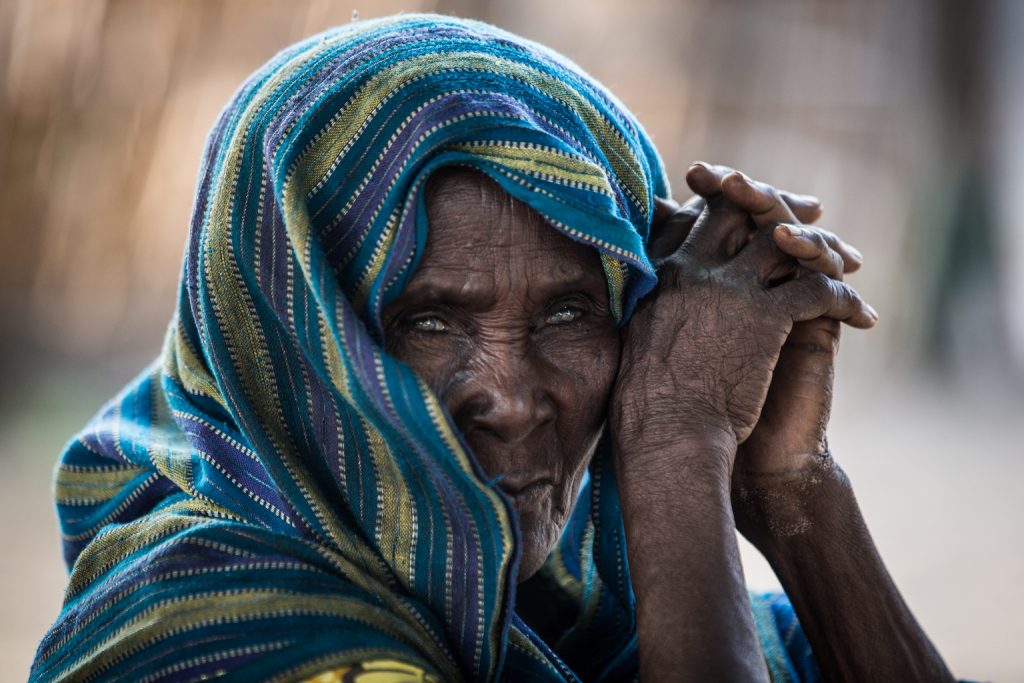
Climate change has major health implications for developing countries but the links are often not well understood. This report describes the current and predicted climate impacts on human health in southern Africa. It presents a view of existing health vulnerabilities to climate change, identifies risks, assesses possible future socioeconomic conditions in relation to future health risks and identifies priorities for action. Climate change affects health in southern Africa principally through the quality and adequacy of water supply, food insecurity, infections organisms and vectors and extreme weather events, largely in that descending order of impact and significance.
The prevalence of HIV/Aids increases the vulnerabilities of individuals and communities. Low levels of progress against the Millennium Development Goals (MDGs), including poor infrastructure, leaves health systems in southern Africa highly vulnerable and unprepared for the challenges of climate change. Nevertheless, southern African Development Community (SADC) ministers of health and environment are recognising the threats and have adopted a leadership position committing to addressing climate change,
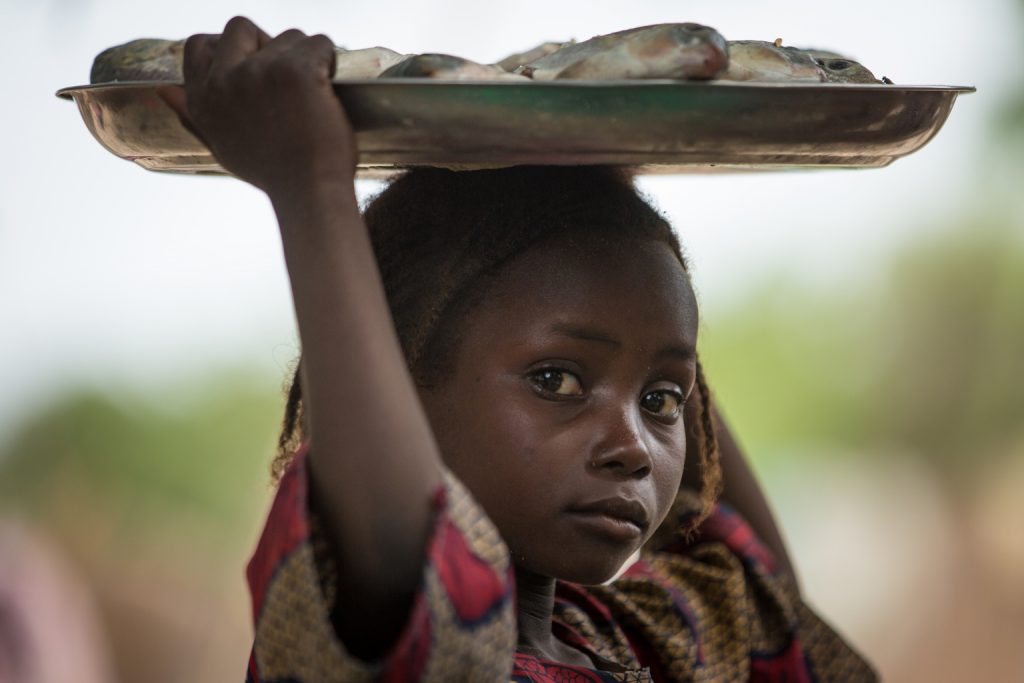
Anthropogenic climate change and anticipated adverse effects on human health as outlined by the Intergovernmental Panel on Climate Change (IPCC) are taken as givens.
A conceptual model for thinking about the spectrum of climate-related health risks ranging from distal and infrastructural to proximal and behavioural and their relation to the burden of disease pattern typical of sub-Saharan Africa is provided. The model provides a tool for identifying modifiable risk factors with a view to future research, specifically into the performance of interventions to reduce the impact of climate change.
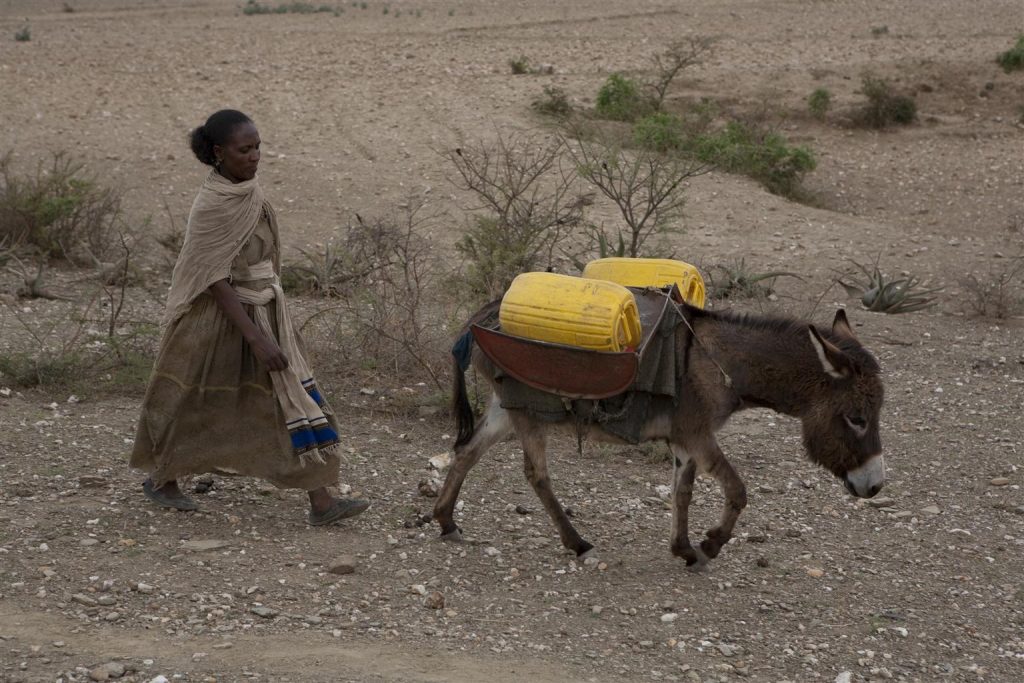
Agriculture and livestock are amongst the most climate sensitive economic sectors in the developing countries whilst the rural poor communities are more vulnerable to the adverse effects of climate change. Climate change is real and is happening now. Current knowledge on the relationship between climate change effects and animal health is lacking particularly in East Africa despite of livestock agriculture being economically important in the region. Many related studies in the region have reported on the impacts of climate change on human health compared to animal health. This deficiency has created a knowledge gap which affects livestock management authorities and several development projects.This review paper describes the current knowledge in regards to potential impact of climate change and livestock infectious diseases in East Africa region.
A number of research reports and scholarly articles on climate change, animal diseases epidemiology were reviewed over a period of two months.
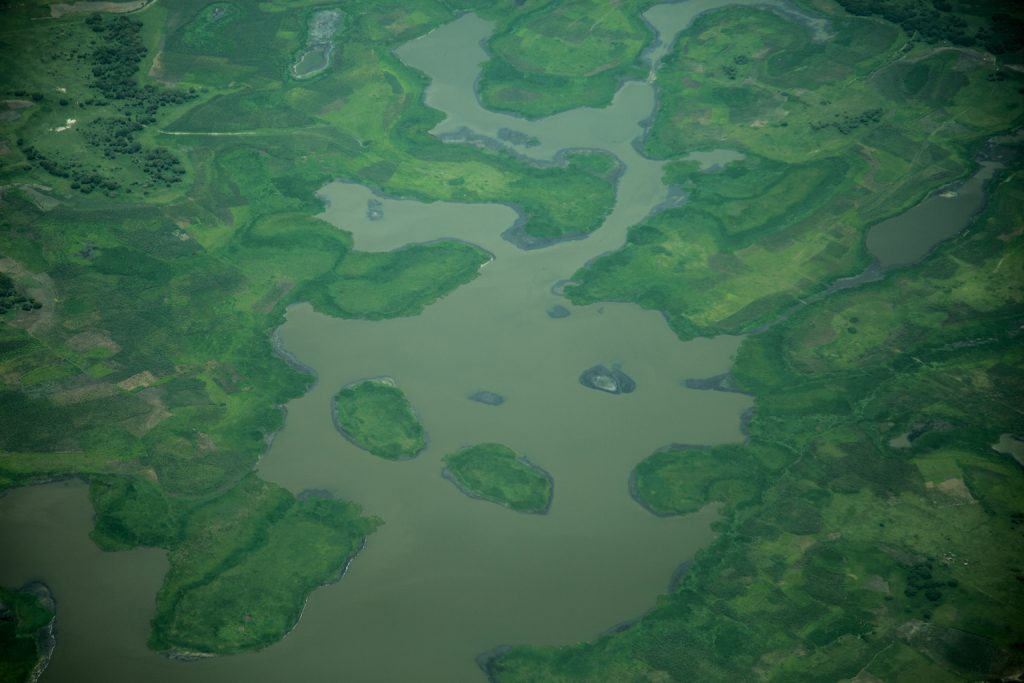
The Special Report on Managing the Risks of Extreme Events and Disasters to AdvanceClimate Change Adaptation(SREX) was commissioned by the Intergovernmental Panel on Climate Change (IPCC)in response to a recognised need to provide specific advice on climate change, extreme weather and climate events(‘climate extremes’). The SREX report was written over two and a half years, compiled by220 expert authors, 19 review editors and taking account of almost 19,000 comments. It went through three rigorous drafting processes with expert and government review. The findings were approved by the world’s governments following a four-day meeting, where theSummary for Policy Makers was agreed. It thus provides the bestscientific assessment available to date. It comprises a policy summary released in November2011 and the full report released in March 2012 (available online at http://ipcc-wg2.gov/srex).This summary highlights the key findings of the SREX report from an African perspective,including an assessment of the science and the implications of this for society and sustainable development.
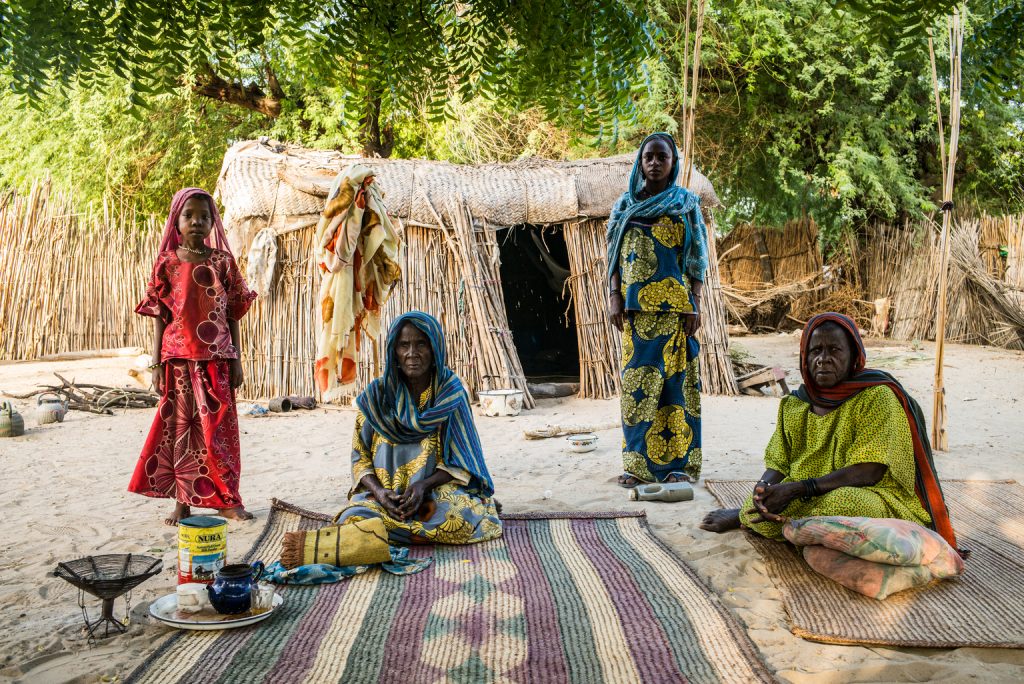
Evidence shows that the SADC region is experiencing increasing frequency of hot days and decreasing frequency of extremely cold days. Rainfall trends are variable but evidence points to an increased inter-annual variability, with extremely wet periods and more intense droughts in different countries. Projections show that changes will not be uniform over the region with the central, southern land mass extending over Botswana, parts of north western South Africa, Namibia and Zimbabwe being likely to experience the greatest warming of0.2°C to 0.5°C per decade. Frequency of extremely dry winters and springs will increase to roughly 20%, while the frequency of extremely wet summers will double.
Warming is also predicted to increase the frequency and intensity of tropical storms in the Indian Ocean.The region is vulnerable to the impact of climate change due to poverty, high pre-existing disease burden, fragmented health services,
The humanitarian impact of the 2015-2016 El Niño remains deeply alarming, now affecting over 60 million people. Central America, East Africa (particularly Ethiopia), the Pacific and Southern Africa remain the most affected regions.
The El Niño phenomenon is now in decline, but projections indicate the situation will worsen throughout at least the end of the year, with food insecurity
caused primarily by drought not likely to peak before December. Therefore, the humanitarian impacts will last well into 2017.
This working paper lays out the current state of knowledge regarding direct and indirect impacts of environmental factors on health across Africa. While there are many uncertainties in magnitudes of climate change, particularly with timing, the existing literature makes interesting observations about potential health impacts and the populations that could be most at risk.
The working paper presents the potential impacts climate change may have on human health and analyses the various direct and indirect impacts that climate change will have on African populations. Due to the emerging nature of the issue and literature, there are many gaps in knowledge on the impacts climate change will have on human health.
This chapter summarizes what is known about the historical effects of climate extremes on human health. The following section describes studies of infectious diseases and climate extremes related to El Niño Southern Oscillation. The next considers the impacts of short-term extremes of temperature.
The final section contains a discussion of climate-related disasters.
Prior to the UNHCR community-based PMTCT protocol, pregnant refugee women living with HIV were unable to access essential PMTCT services. Refugee women are now able to have access to a
comprehensive PMTCT programme.
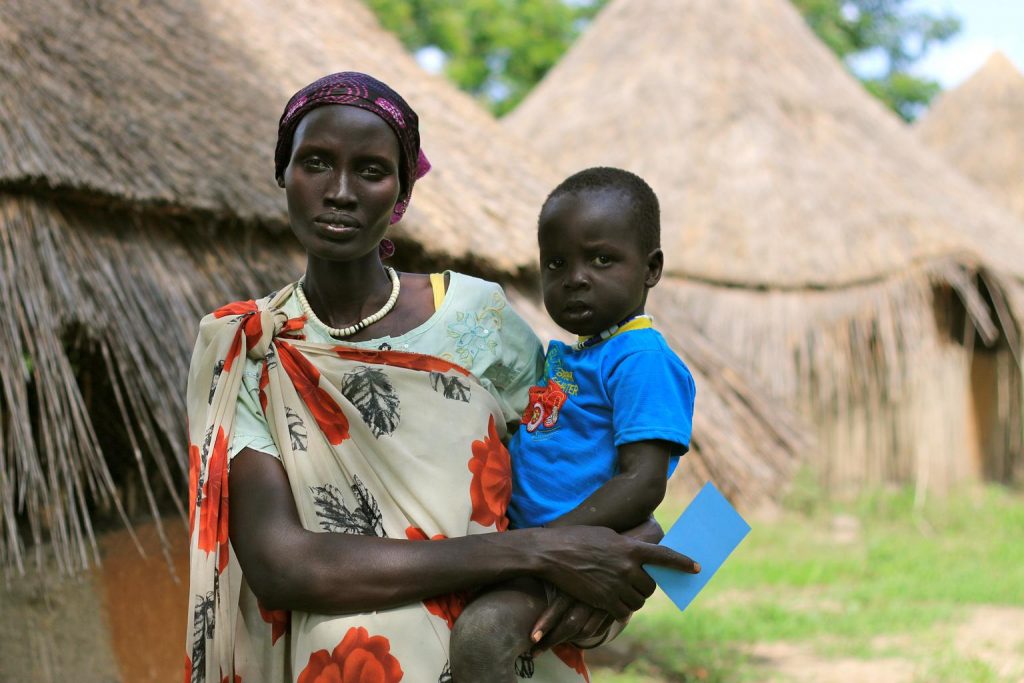
Using the principles of reputational case selection sampling procedure and thematic search of electronic databases and websites, we implemented a regional synthesis of evidence on the health vulnerabilities of migrant and mobile populations in urban areas of East and Southern Africa. The review identified key health challenges relating to various diseases, including the increasing challenge of non-communicable diseases, such diabetes among migrants by 2030.
While figures are difficult to obtain, our review suggested high levels of urban migrants, including refugees, internally displaced persons (IDPs) and asylum seekers in urban areas of the region, which for undocumented migrants poses particular logistics challenges in terms of administering targeted interventions, more so in contexts where poor socio-economic situations of countries do not provide them with opportunities to become self-reliant and less dependent on humanitarian assistance. This calls for policies, program interventions and research investments targeting vulnerable migrant and mobile groups in the region.
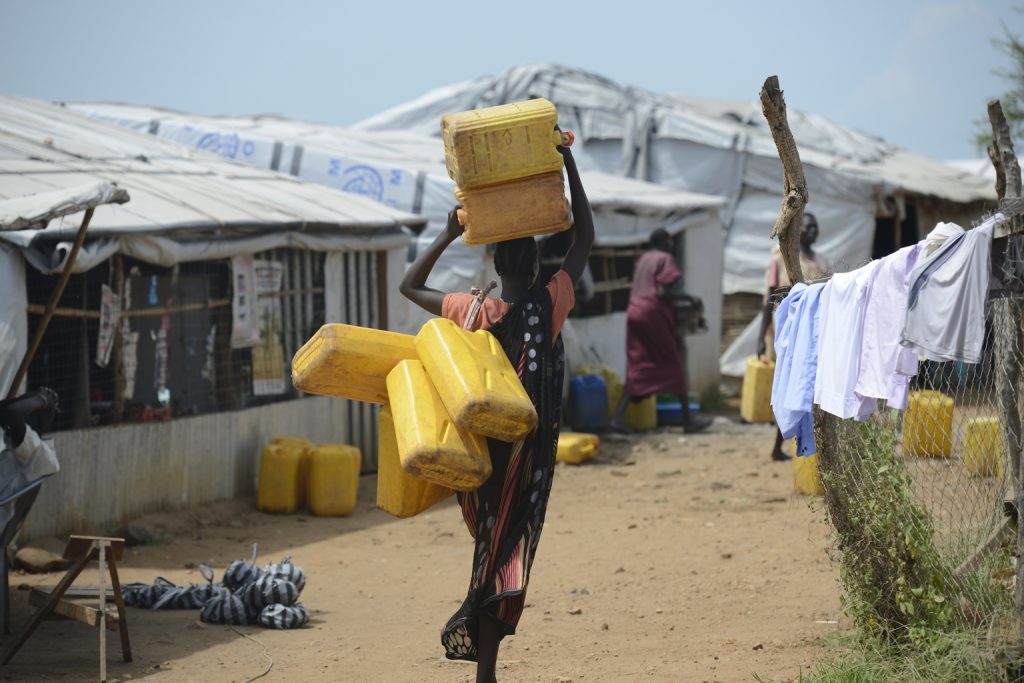
Refugees are increasingly migrating to urban areas, but little research has been conducted to compare health and wellbeing outcomes of urban refugees with those based in camps. This analytic cross-sectional study investigated differences in health-related quality of life (QoL) for urban and camp-based refugees in sub-Saharan Africa, and assessed the influences of both the environment and the perceived environment on refugees’ health-related QoL using the WorldHealth Organization’s Quality of Life scale (WHOQOL-BREF.) Data for urban refugees were drawn from an administrative database used by an international agency that serves refugee populations in South Africa.
Data for camp-based refugees were collected via surveys conducted at two refugee camps in sub-Saharan Africa. Refugees in urban environments reported significantly higher satisfaction with overall health, physical health and environmental wellbeing than refugees placed in camps. In multivariate analyses, urban environments were associated with better physical health for refugees,
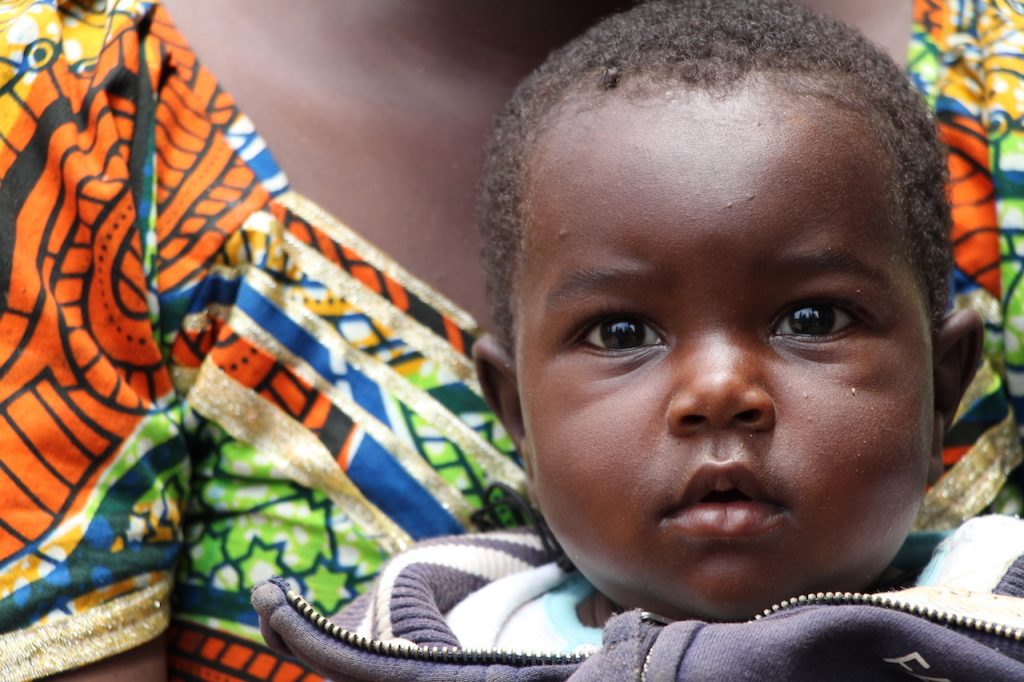
An Analysis of Migration Health in Kenya was commissioned by theMinistry of Public Health and Sanitation (MoPHS) and the InternationalOrganization for Migration (IOM) to provide an overview of the issue of migration health in Kenya. Information was derived from an extensive literature review and interviews with key informants, including the Government, United Nations agencies and non-governmental organizations.The twin goals of Kenya’s Second National Health Sector Strategic Plan are to reduce inequalities in health care and reverse the downward trend in health related impact and outcome indicators (Republic of Kenya,2005a).
By providing an analysis of migration health in Kenya, this report aims to stimulate discussion which will lead to decisive action from theGovernment and partners to ensure migrants may begin to enjoy more equitable access to health services. As migrants do not live in isolation,but rather in diverse communities, their health status has an impact on the community at-large.
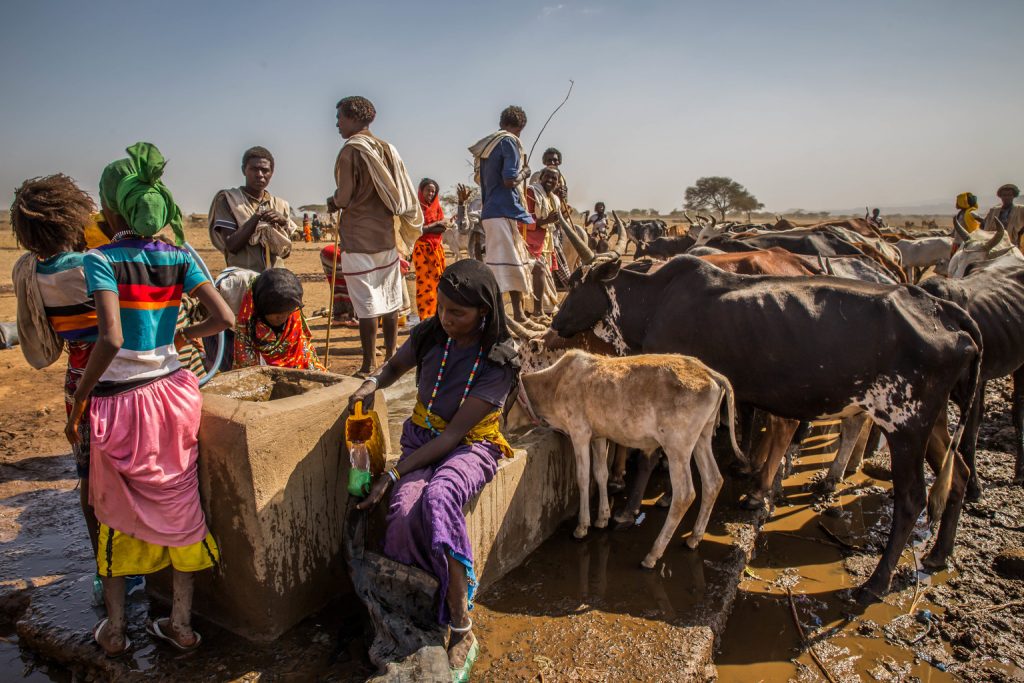
Ijara district in Kenya was one of the hotspots of Rift Valley fever (RVF) during the 2006/2007 outbreak, which led to human and animal deaths causing major economic losses. The main constraint for the control and prevention of RVF is inadequate knowledge of the risk factors for its occurrence and maintenance. This study was aimed at understanding the perceived risk factors and risk pathways of RVF in cattle in Ijara to enable the development of improved community-based disease surveillance, prediction, control and prevention. A cross-sectional study was carried out from September 2012 to June 2013. Thirty-one key informant interviews were conducted with relevant stakeholders to determine the local pastoralists’ understanding of risk factors and risk pathways of RVF in cattle in Ijara district. All the key informants perceived the presence of high numbers of mosquitoes and large numbers of cattle to be the most important risk factors contributing to the occurrence of RVF in cattle in Ijara.
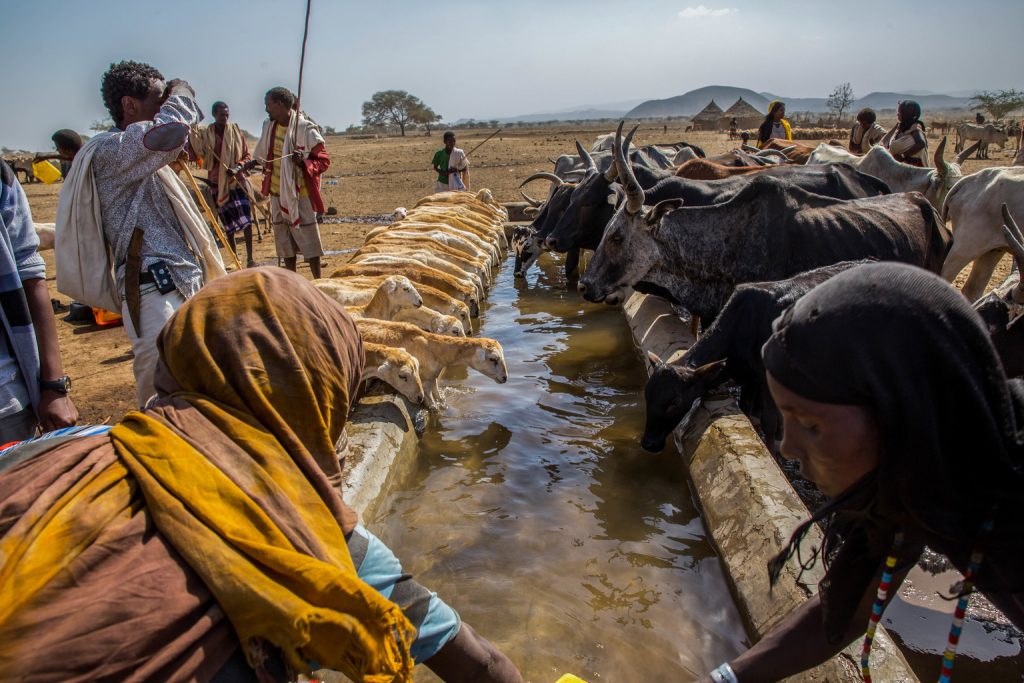
Rift Valley fever (RVF) is an important neglected, emerging, mosquito-borne disease with severe negative impact on human and animal health. Mosquitoes in the Aedes genus have been considered as the reservoir, as well as vectors, since their transovarially infected eggs withstand desiccation and larvae hatch when in contact with water. However, different mosquito species serve as epizootic/epidemic vectors of RVF, creating a complex epidemiologic pattern in East Africa. The recent RVF outbreaks in Somalia (2006–2007), Kenya (2006–2007), Tanzania (2007), and Sudan (2007–2008) showed extension to districts, which were not involved before.
These outbreaks also demonstrated the changing epidemiology of the disease from being originally associated with livestock, to a seemingly highly virulent form infecting humans and causing considerably high-fatality rates. The amount of rainfall is considered to be the main factor initiating RVF outbreaks. The interaction between rainfall and local environment,
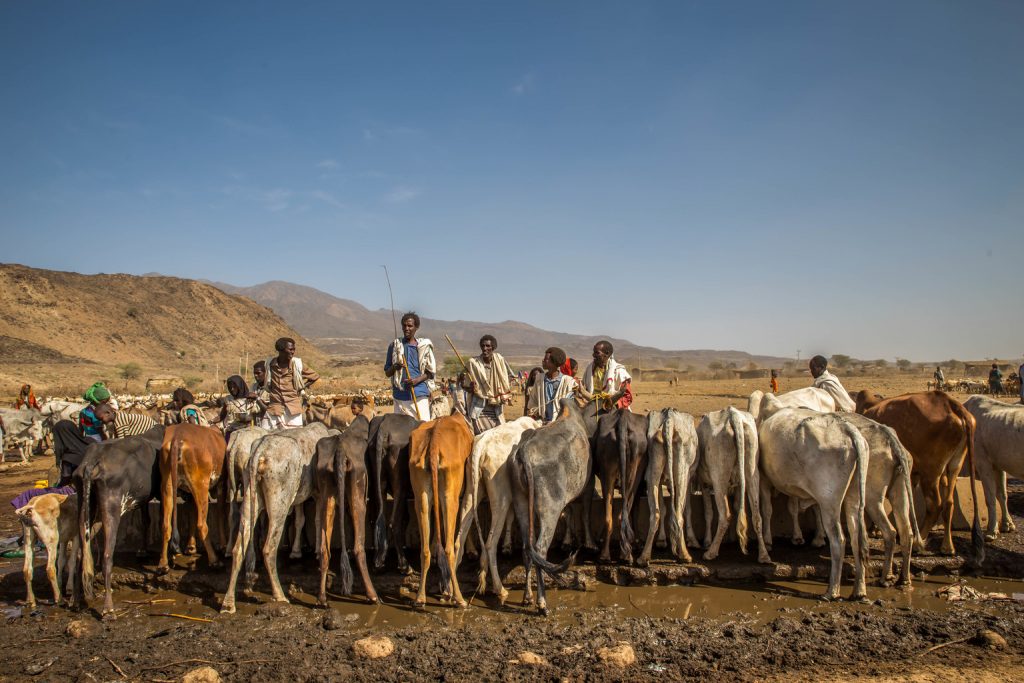
Health researchers have advocated for a cross-disciplinary approach to the study and prevention of infectious zoonotic diseases, such as Rift Valley Fever. It is believed that this approach can help bring out the social determinants and effects of the zoonotic diseases for the design of appropriate interventions and public health policy. A comprehensive literature review using a systematic search strategy was undertaken to explore the sociocultural and economic factors that influence the transmission and spread of Rift Valley Fever.
Although the findings reveal a paucity of social research on Rift Valley Fever, they suggest that livestock sacrificial rituals, food preparation and consumption practices, gender roles, and inadequate resource base for public institutions are the key factors that influence the transmission. It is concluded that there is need for cross-disciplinary studies to increase the understanding of Rift Valley Fever and facilitate appropriate and timely response and mitigation measures.
The interactions between health and climate change are clearly recognised; the Intergovernmental Panel on Climate Change includes a chapter on health issues in all its publications.
But we still need to better understand all the possible impacts of climate change on health.
