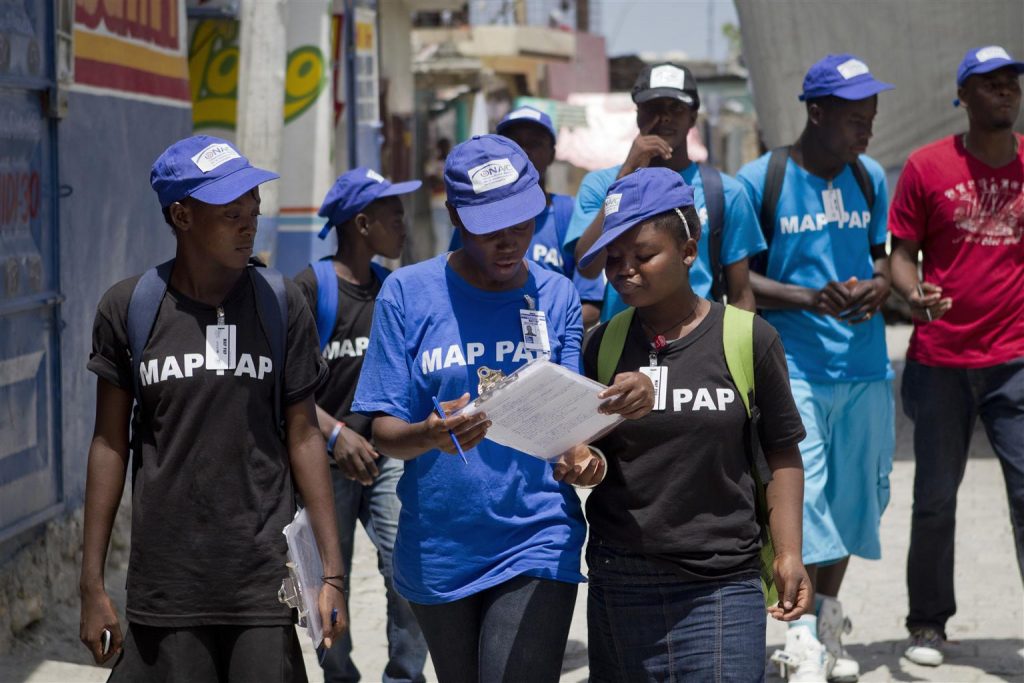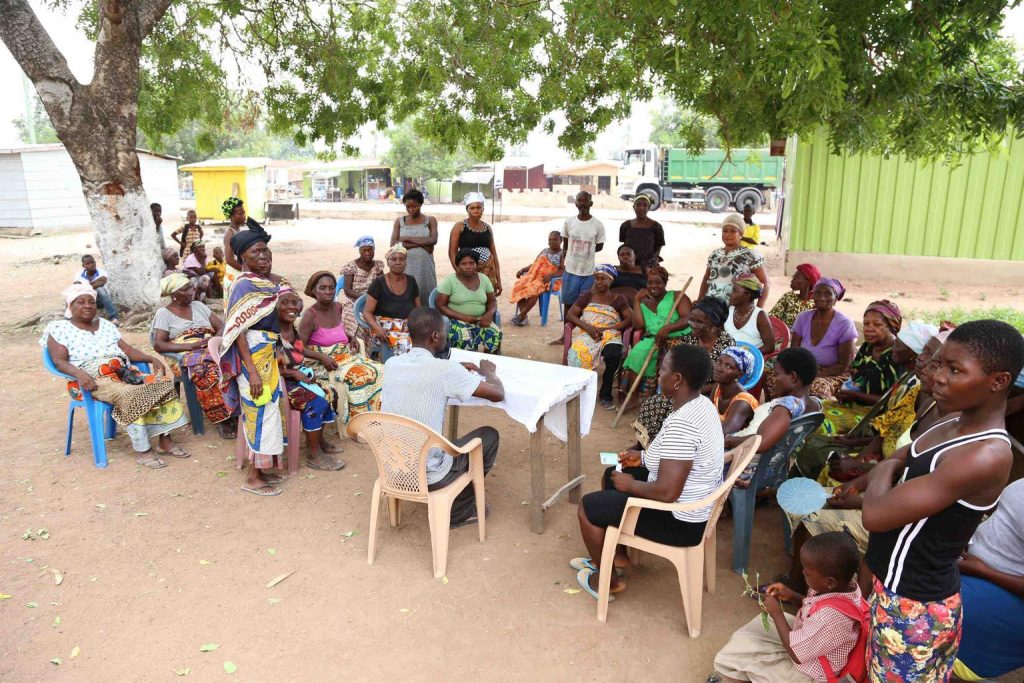
The Dynamic Drivers of Disease in Africa Consortium is an ESPA1-funded research programme designed to deliver much-needed, cutting-edge science on the relationships between ecosystems, zoonoses, health and wellbeing with the objective of moving people out of poverty and promoting social justice.
This document offers a research update on theConsortium case study exploring the drivers of henipa virus in Ghana.
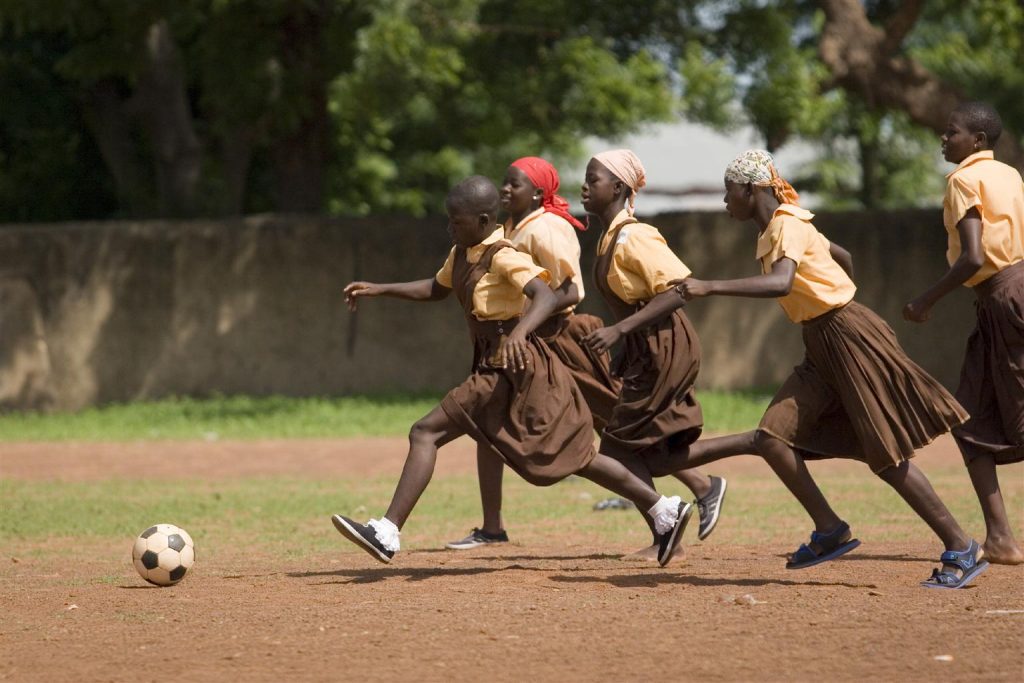
This website details scenarios explored by researchers from the Dynamic Drivers of Disease in Africa Consortium and developed by the Stockholm Resilience Centre.
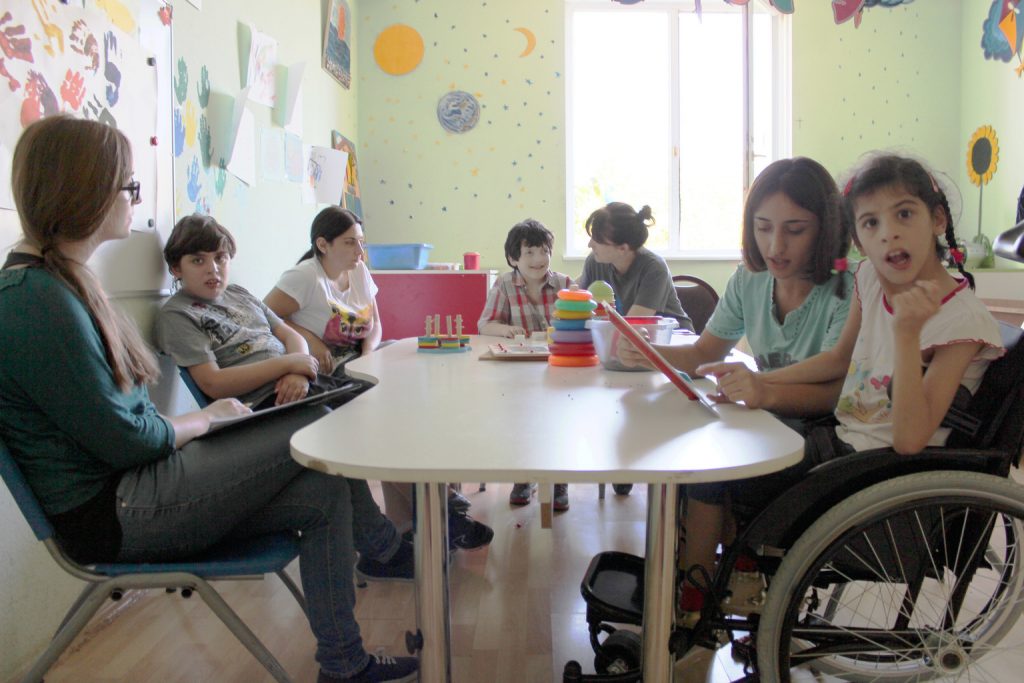
As the rapid response briefing on “Including people with disabilities in emergency relief efforts” from IDS shows, emergencies have a disproportionate impact on those already marginalised by society, including people with disabilities and their families.
For example, people with disabilities are often left behind in responses to the current Syrian crisis and Ebola epidemic.
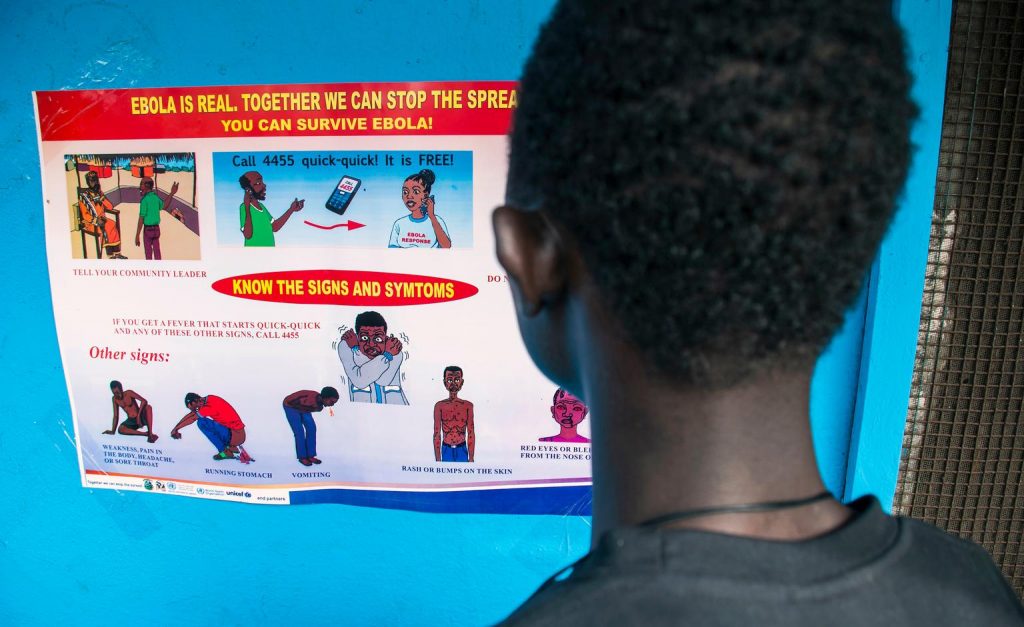
Modern medicine owes a debt to West Africans for past sacrifices made in the advancement of global health. The announcement by President Barack Obama of a U.S. commitment to build 17 Ebola treatment centers in Liberia, train medical workers, provide testing kits, and offer logistic support is a welcome and needed response.
It should be the start of a long-term, concerted effort to strengthen the public health infrastructure, which is critical to the region’s future stability.
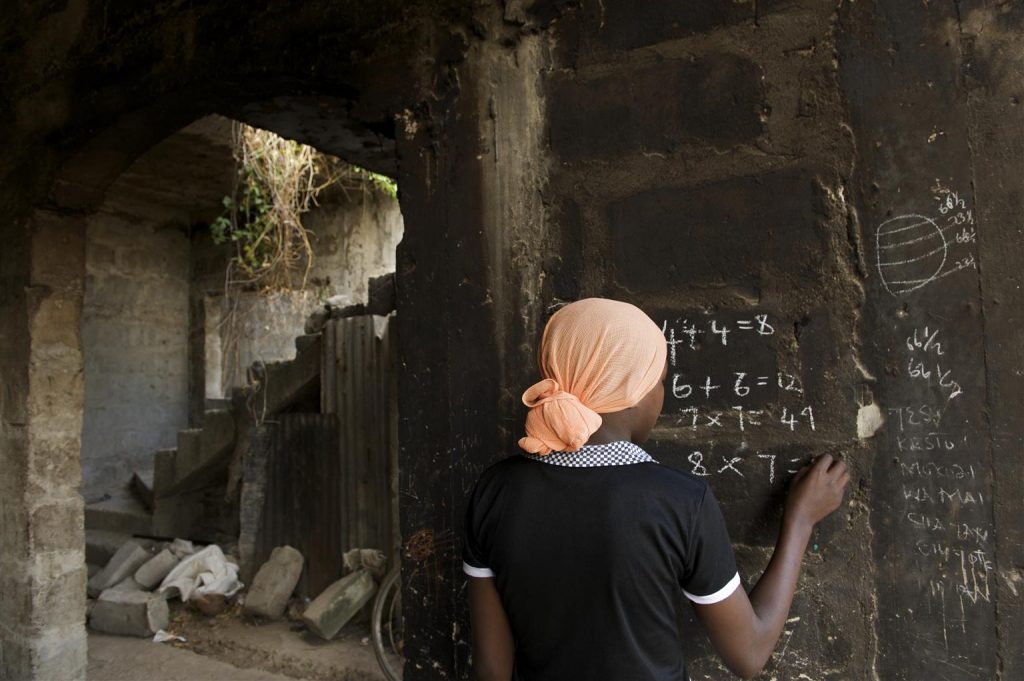
In this resource, the World Health Organization debunk common myths relating to disaster situations and suggest further reading.
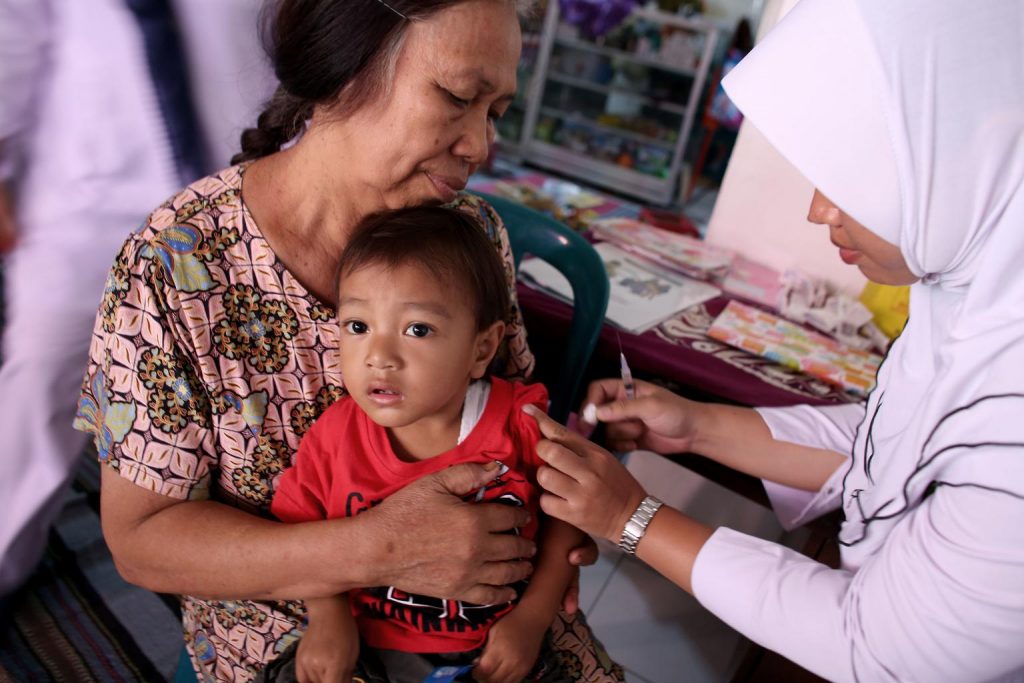
The main objective of this document is to provide evidence-based guidance on conducting practical social mobilization and communication for a yellow fever vaccination campaign, either preventive or reactive.
Information is also given on the monitoring and evaluation of communication and social mobilization techniques. These 10 points from field experience will be especially useful for district-level planning.
A statement from WHO on capacity-building and community engagement by district chief medical officers and community organisers in Kinshasa.
Marie Claire Therese Fwelo Mwanza, a social mobilization expert with 27 years experience at WHO, helped end 5 of the Democratic Republic of Congo’s (DRC) 7 Ebola outbreaks through effective community engagement.
In 2014, Marie Claire played a role in bringing DRC’s latest Ebola outbreak to an end in 3 months. Then, she, and 60 colleagues she trained, went to Guinea to support the outbreak response there.
Cheikh Ibrahima Niang, a professor of medical and social anthropology at the Cheikh Anta Diop University in Dakar, Senegal, has researched anthropological aspects of a wide range of health issues.
In July 2014, WHO asked him to investigate community attitudes to Ebola virus disease. He led a team of anthropologists to Sierra Leone just as the outbreak exploded in the eastern part of that country. This is what he found.
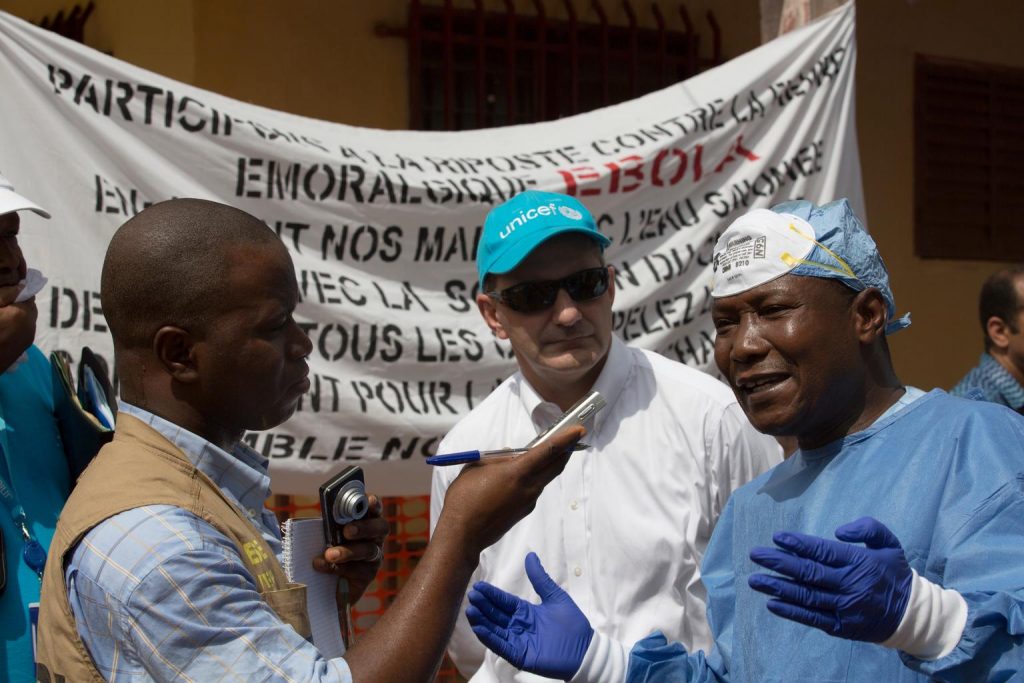
International partners are supporting Gueckedou health authorities to implement response actions. Médecins Sans Frontières has established a treatment centre and ensures the transport of suspected cases.
Ebola virus control teams need a mix of expertise, including epidemiologists, logistics specialists, laboratory workers, hygiene experts and various other specialized professions.
Social anthropologists play a less well-known but equally important role.
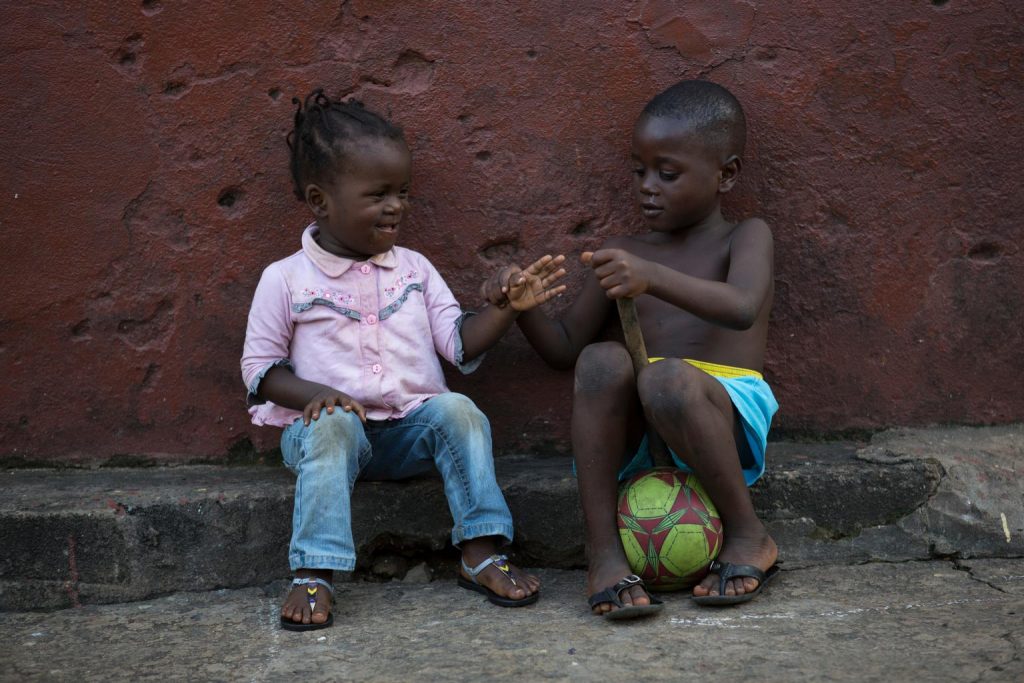
After many months of prolonged closure due to fear of Ebola transmission, schools have reopened in Guinea last month.
WHO and partners have played a crucial role in preparing schools to open their doors to students.
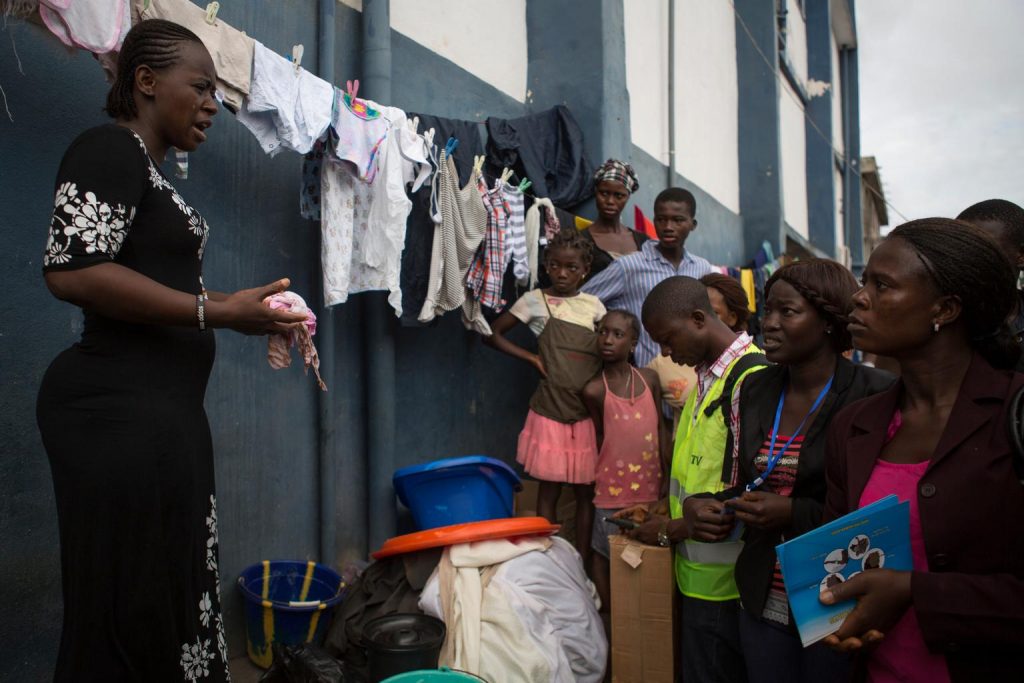
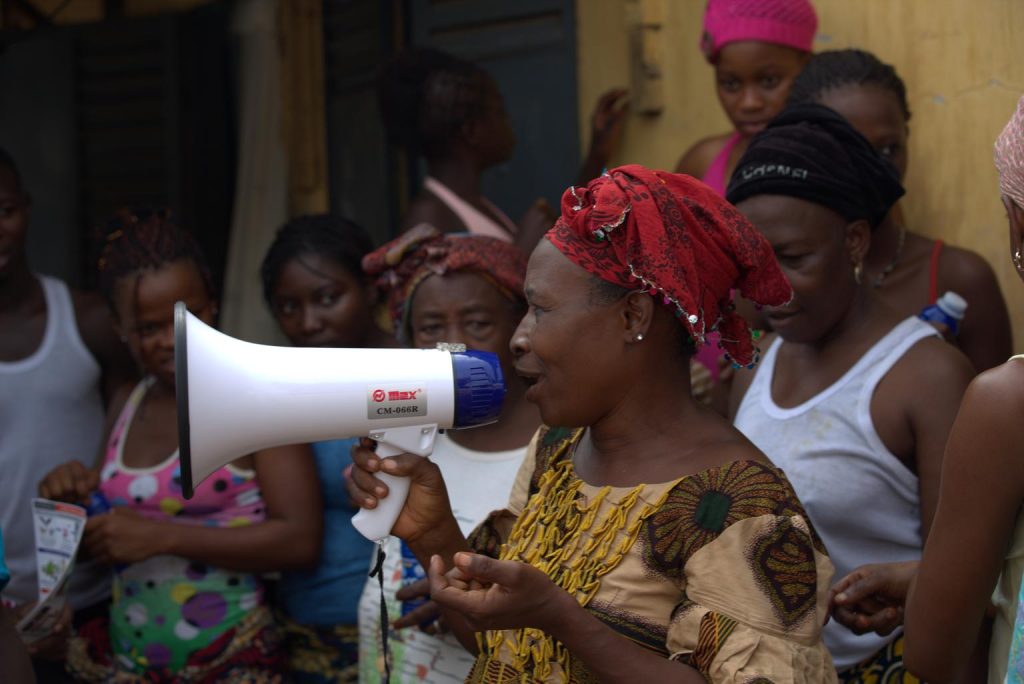
WHO’s social mobilization team is using radio to reach communities with information about how to prevent the spread of Ebola in Sierra Leone.
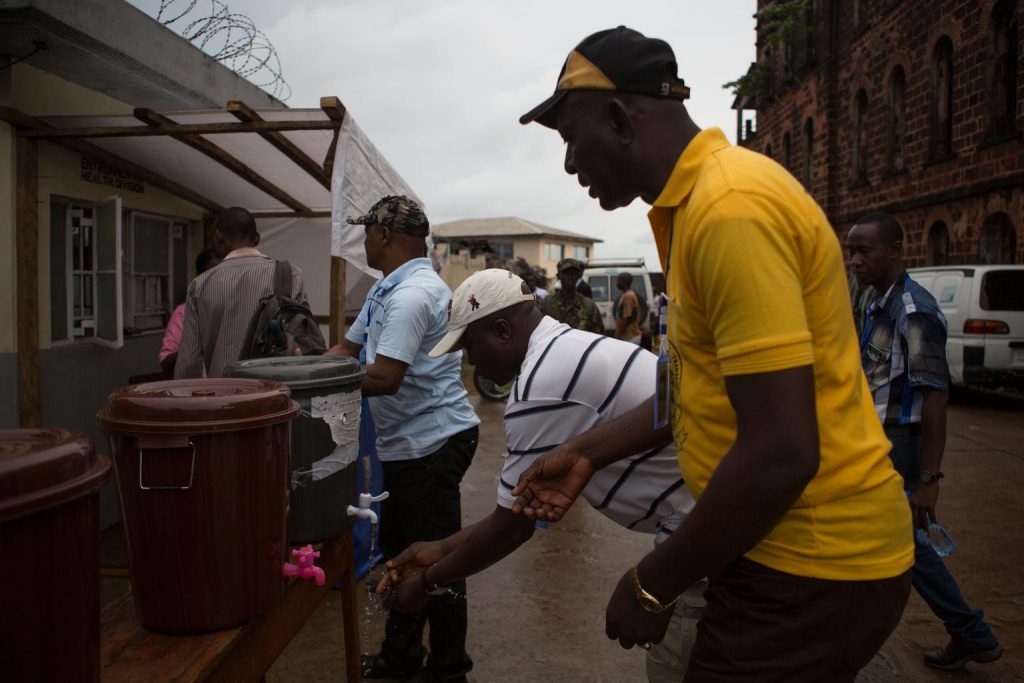
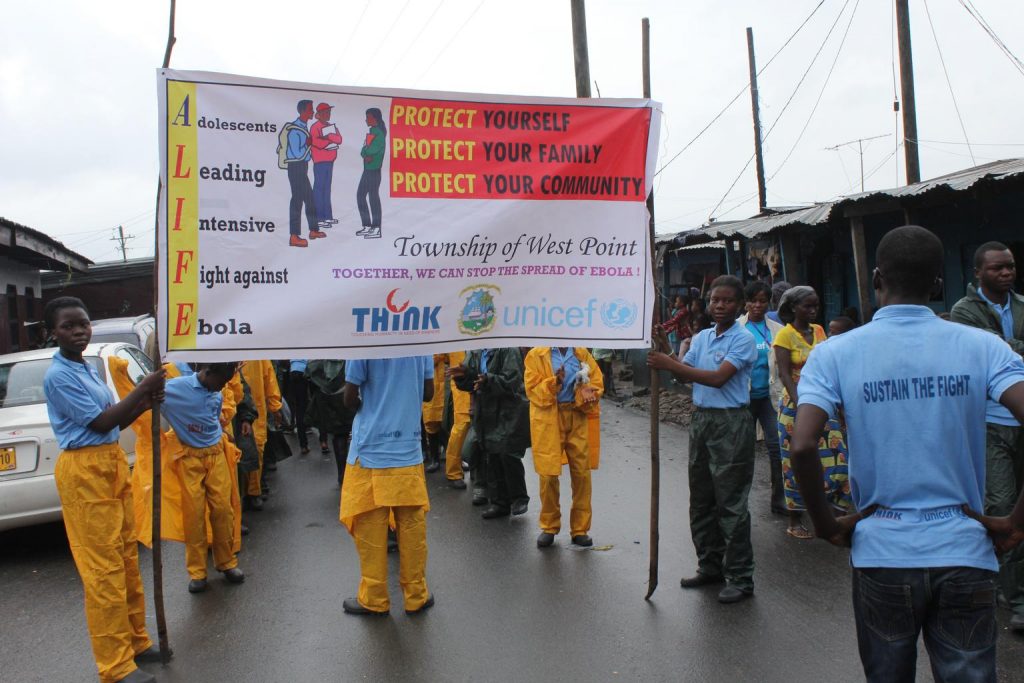
Through household visits, a presence on prefecture streets and conversations with influential members of key community groups, surveillance teams are spreading the message about Ebola and providing support to families
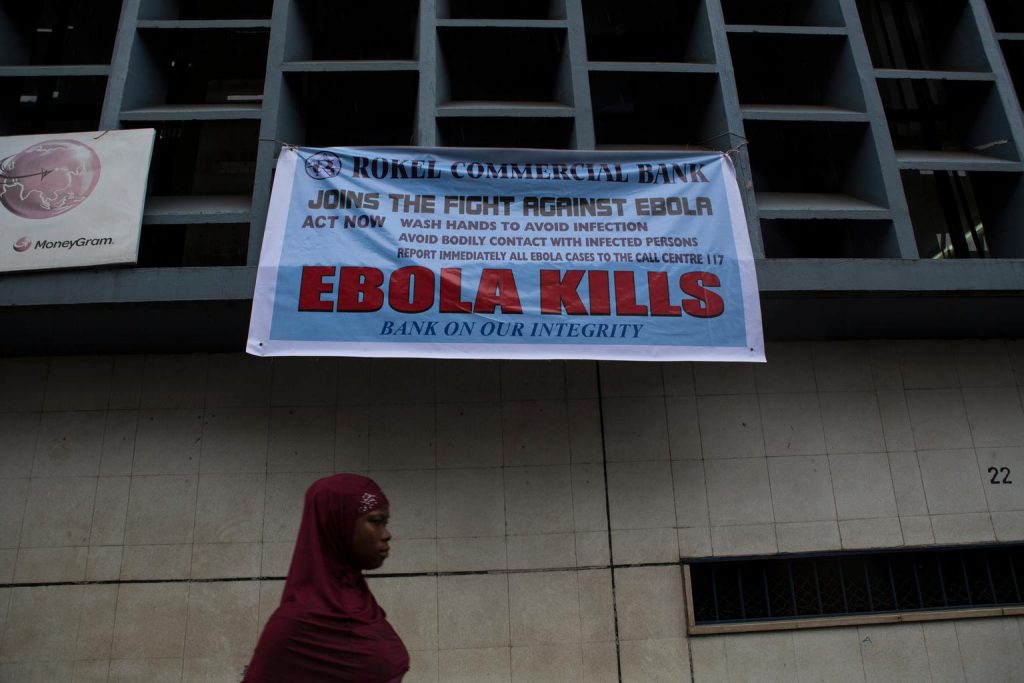
In Sierra Leone’s Magazine Wharf, there are mixed perceptions around Ebola response systems. Ambulance services are met with especial scepticism.
Many fear that a trip in the ambulance will end in death in an Ebola treatment centre or holding unit. Others are worried that the ambulance has not been properly disinfected.
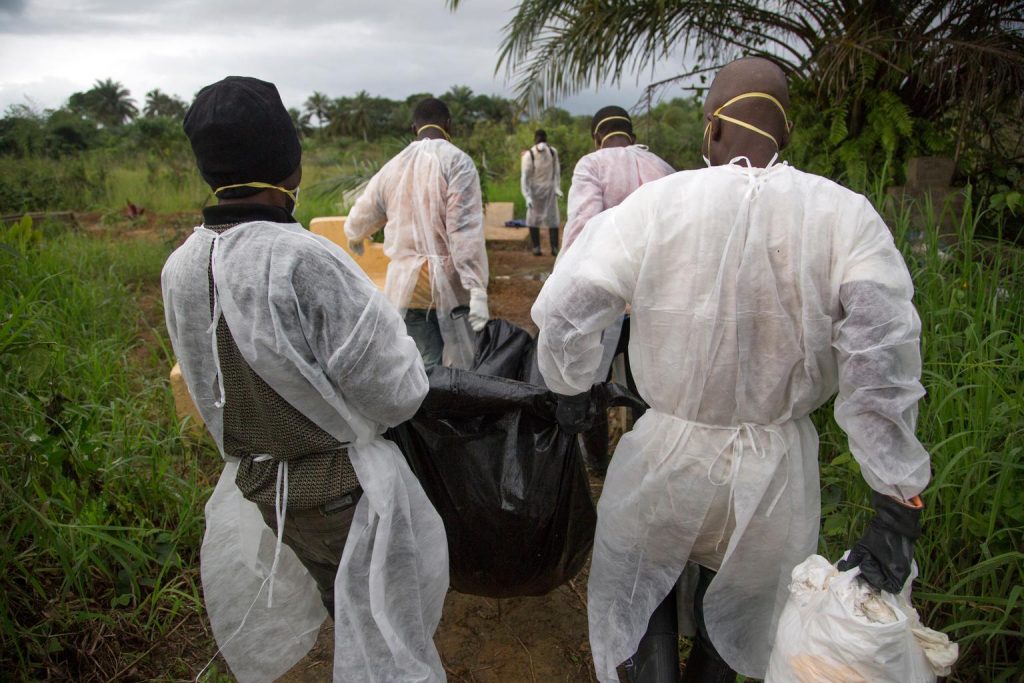
When the Tonkolili District reported a new case of Ebola on 24 July 2015, it marked a change in the Sierra Leone Ebola response.
A rapid response team was despatched to manage this new source of infection, the first case in that area for more than 150 days. It resulted in a whole village being quarantined, and showed how quickly Ebola can travel and that no district can let down its guard until there are zero cases of Ebola.
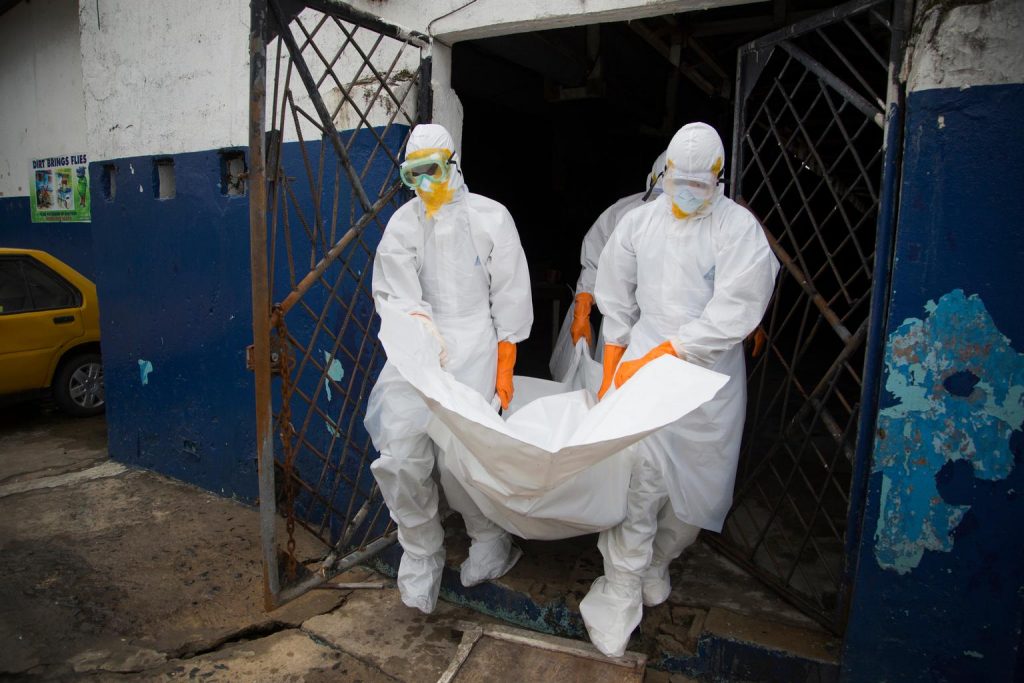
Risk communication guidelines widely used in public health are based on the psychometric paradigm of risk, which focuses on risk perception at the level of individuals. However, infectious disease outbreaks and other public health emergencies are more than public health events and occur in a highly charged political, social and economic environment.
This study examines other sociological and cultural approaches from scholars such as Ulrich Beck and Mary Douglas for insights on how to communicate in such environments. It recommends developing supplemental tools for outbreak communication to deal with issues such as questions of blame and fairness in risk distribution and audiences who do not accept biomedical explanations of disease.
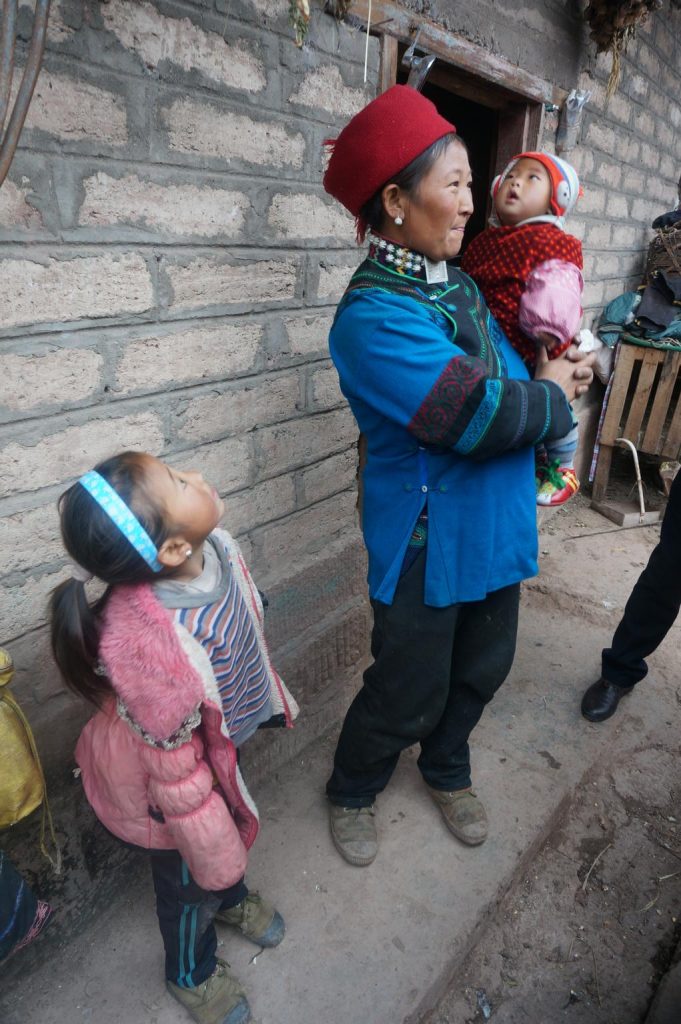
In 2003, China’s handling of the early stages of the epidemic of severe acute respiratory syndrome (SARS) was heavily criticized and generally considered to be suboptimal. Following the SARS outbreak, China made huge investments to improve surveillance, emergency preparedness and response capacity and strengthen public health institutions. In 2013, the return on these investments was evaluated by investigating China’s early response to the emergence of avian influenza A(H7N9) virus in humans.
The relevant infrastructures, surveillance systems and response capacity need to be strengthened in preparation for future emergencies caused by emerging or existing disease threats. Results of risk assessments and other data should be released promptly and publicly and such release should not jeopardize future publication of the data in scientific journals. Coordination between public health and veterinary services would be stronger during an emergency if these services had already undertaken joint preparedness planning.
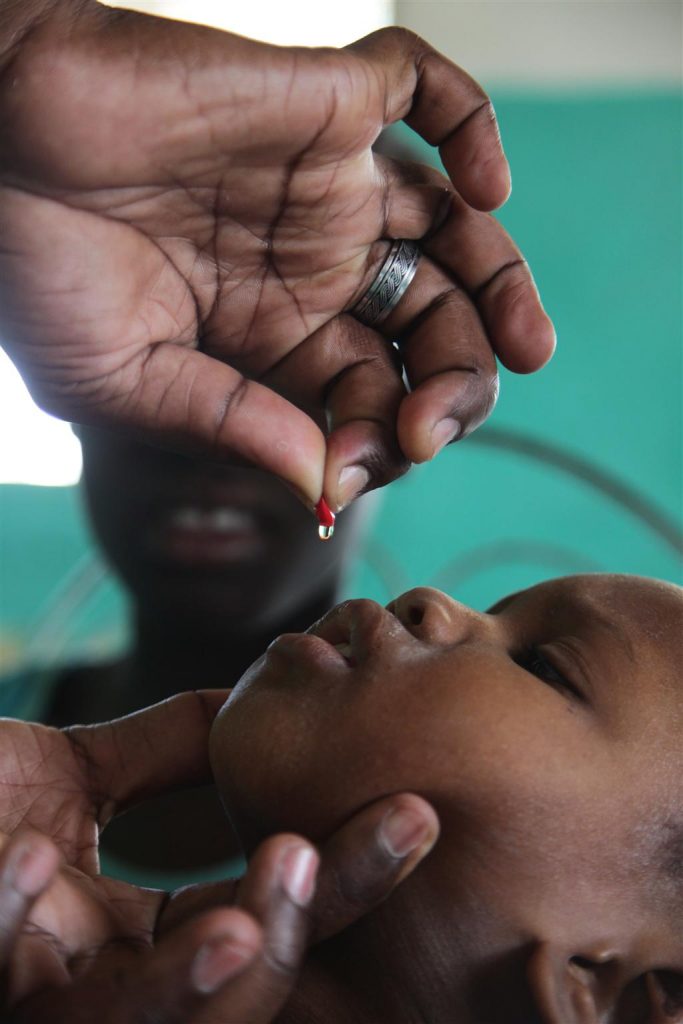
The earthquake that struck Haiti in January 2010 caused 1.5 million people to be displaced to temporary camps. The Haitian Ministry of Public Health and Population and global immunization partners developed a plan to deliver vaccines to those residing in these camps. A strategy was needed to determine whether the immunization targets set for the campaign were achieved. Following the vaccination campaign, staff from the Ministry of Public Health and Population interviewed convenience samples of households – in specific predetermined locations in each of the camps — regarding receipt of the emergency vaccinations.
Rapid monitoring was implemented in camps located in the Port-au-Prince metropolitan area. Camps that housed more than 5000 people were monitored first. By the end of March 2010, 72 (23%) of the 310 vaccinated camps had been monitored. Rapid monitoring was only marginally beneficial in achieving immunization targets in the temporary camps in Port-au-Prince.
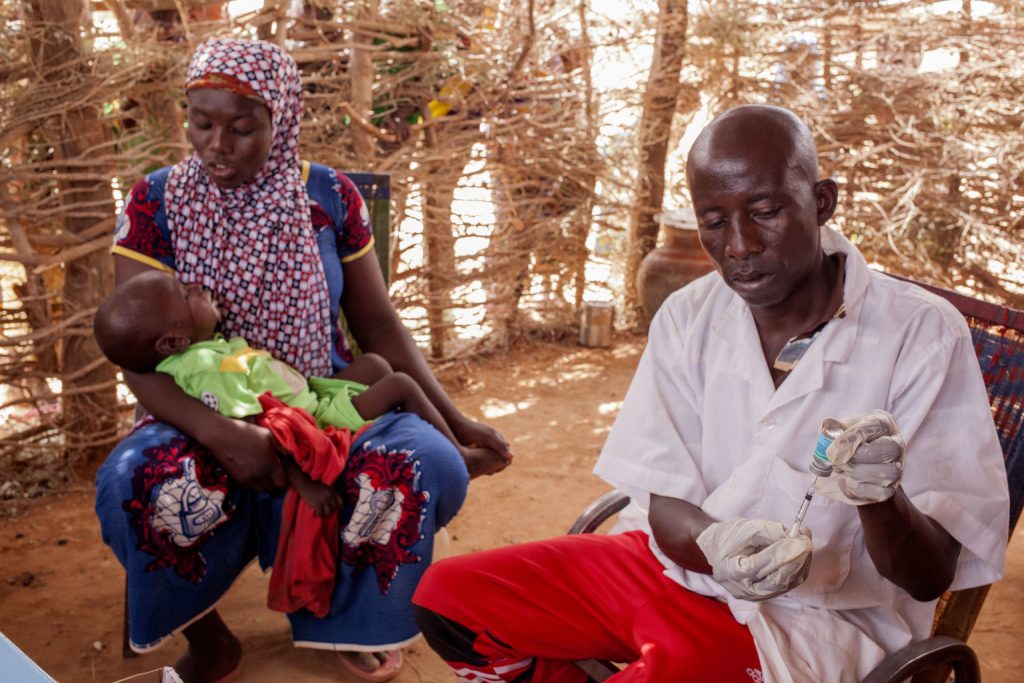
Humanitarian emergencies result in a breakdown of critical health-care services and often make vulnerable communities dependent on external agencies for care. In resource-constrained settings, this may occur against a backdrop of extreme poverty, malnutrition, insecurity, low literacy and poor infrastructure. Under these circumstances, providing food, water and shelter and limiting communicable disease outbreaks become primary concerns. Where effective and safe vaccines are available to mitigate the risk of disease outbreaks, their potential deployment is a key consideration in meeting emergency health needs. Ethical considerations are crucial when deciding on vaccine deployment.
Allocation of vaccines in short supply, target groups, delivery strategies, surveillance and research during acute humanitarian emergencies all involve ethical considerations that often arise from the tension between individual and common good. The authors lay out the ethical issues that policy-makers need to bear in mind when considering the deployment of mass vaccination during humanitarian emergencies,
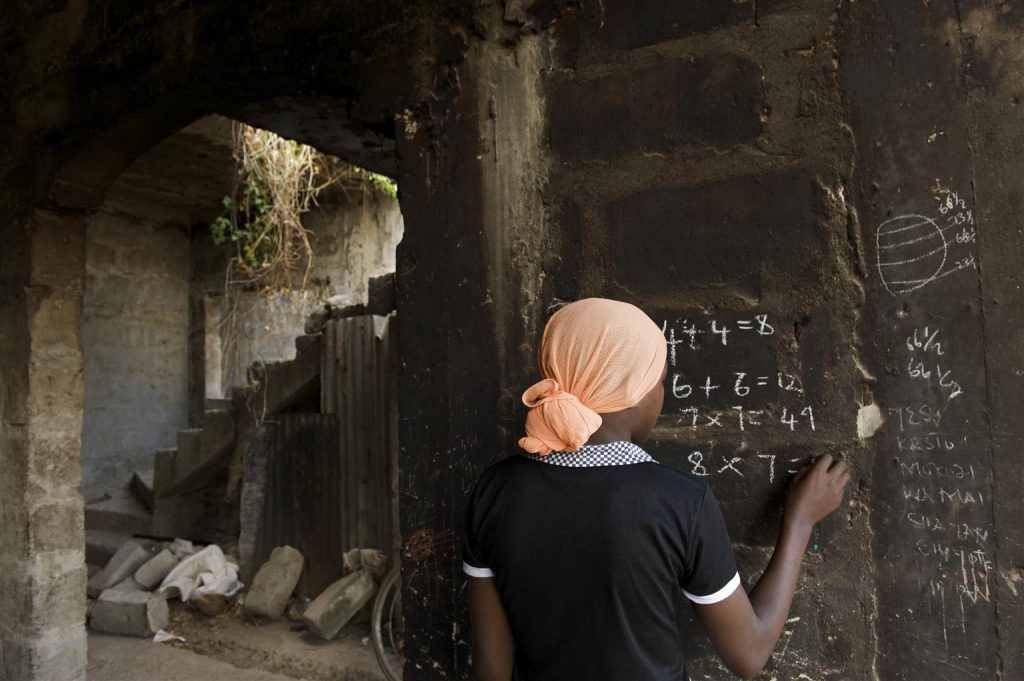
The training manual has two parts. Part 1 covers ethical issues in research and surveillance, such as conflicts that might arise between the common good and individual autonomy, ethics oversight and publication ethics. Part 2 covers patient care, including triage, standards of care and the professional duties of healthcare workers in emergencies.The teaching resources are modular, comprising seven core competences and 26 learning objectives, each with a dedicated module.
The modules are based on various types of instruction and activities (e.g. case study, lecture, group discussion, role play, video) to meet the learning objective. Slide sets were prepared for the lectures under each learning objective and summary slide sets for each core competence. At the end of the manual, you will find a compilation of all of the case studies used throughout the manual.
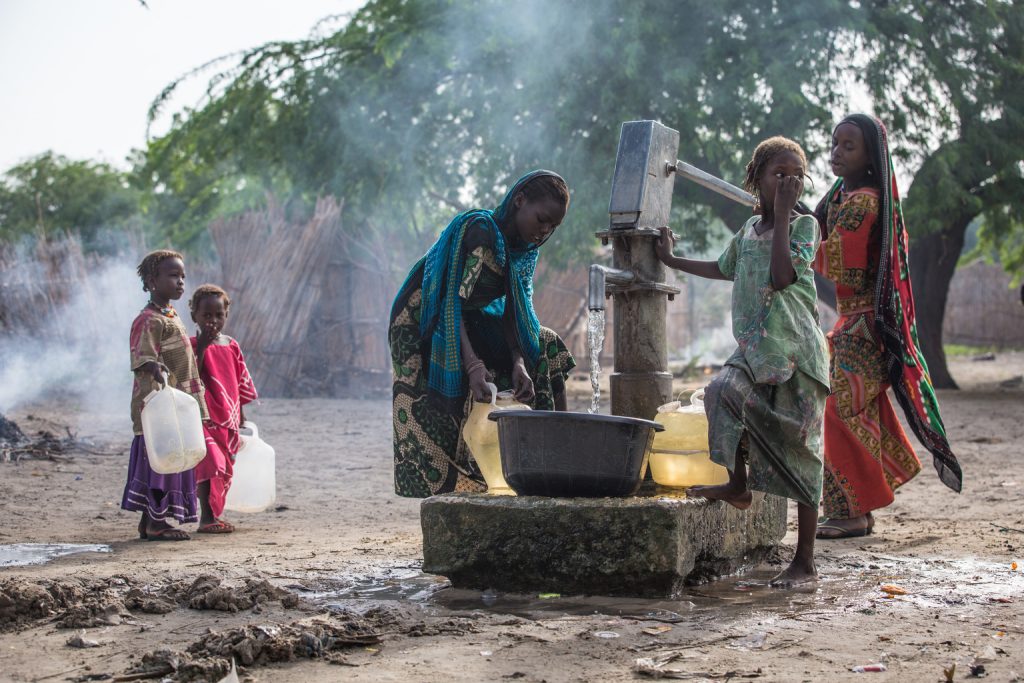
The purpose of this document is to outline how WHO plans to contribute to the reduction of death, illness and disability from emergencies while promoting the wellbeing and dignity of those affected.
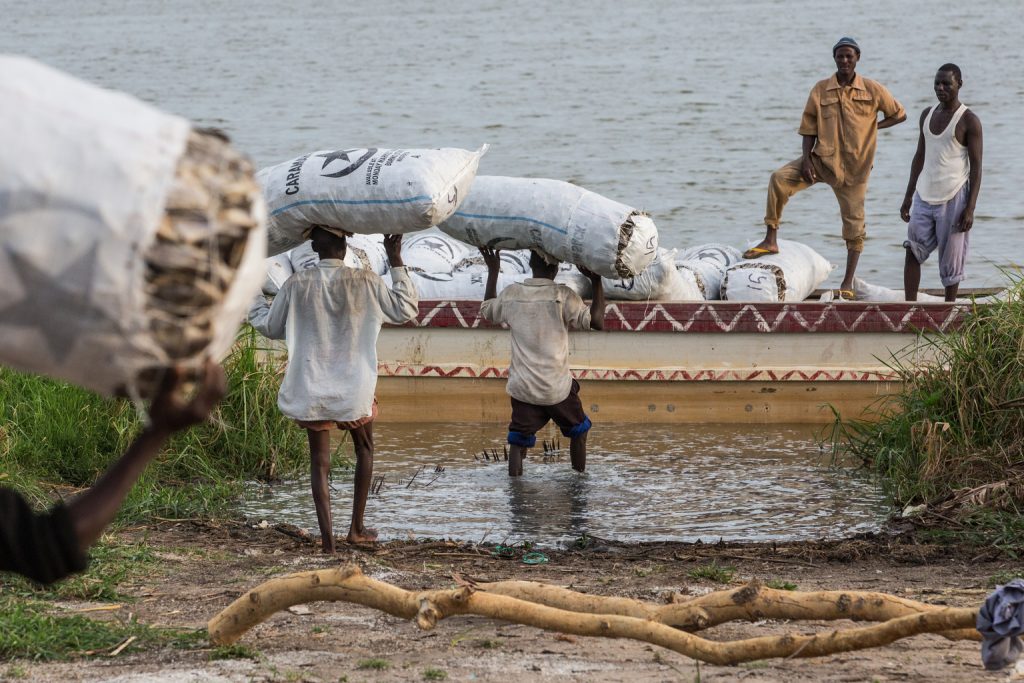
Climate variability and change are exacerbating many current climate-sensitive health outcomes and have the potential to affect the ability of health system institutions and organizations to maintain or improve health burdens in the context of changing climate and development patterns.
Advancing management of these risks requires systems-based and holistic approaches to adaptation. Research and practice that crosses disciplinary boundaries are vital for supporting evidence-based policies and programmes to effectively and efficiently address the health risks of climate variability and change in the context of multi stressor environments.
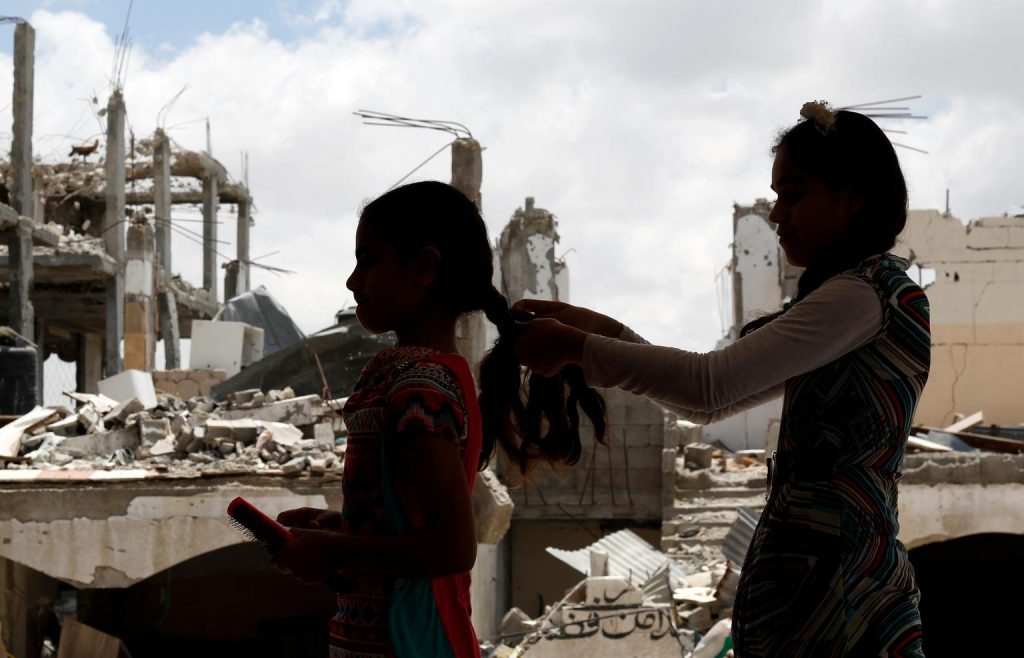
This document provides an approach and a toolkit to help those designing and conducting an assessment of mental health and psychosocial needs and resources in major humanitarian crises. These could include major natural and human-made disasters and complex emergencies (for example armed conflicts). In general, assessments are aimed at:
providing a broad understanding of the humanitarian situation;
analysing people’s problems and their ability to deal with them; and
analysing resources to decide, in consultation with stakeholders, the nature of any response required.
Assessments are also helpful to start engagement with stakeholders, including governments, community stakeholders and national and international agencies. There is no ‘one assessment that fits all’. This document is not a cookbook. Rather, it provides a toolkit and an approach to selecting the right tools. You should select a few tools and adapt them within each assessment project and specific situation,
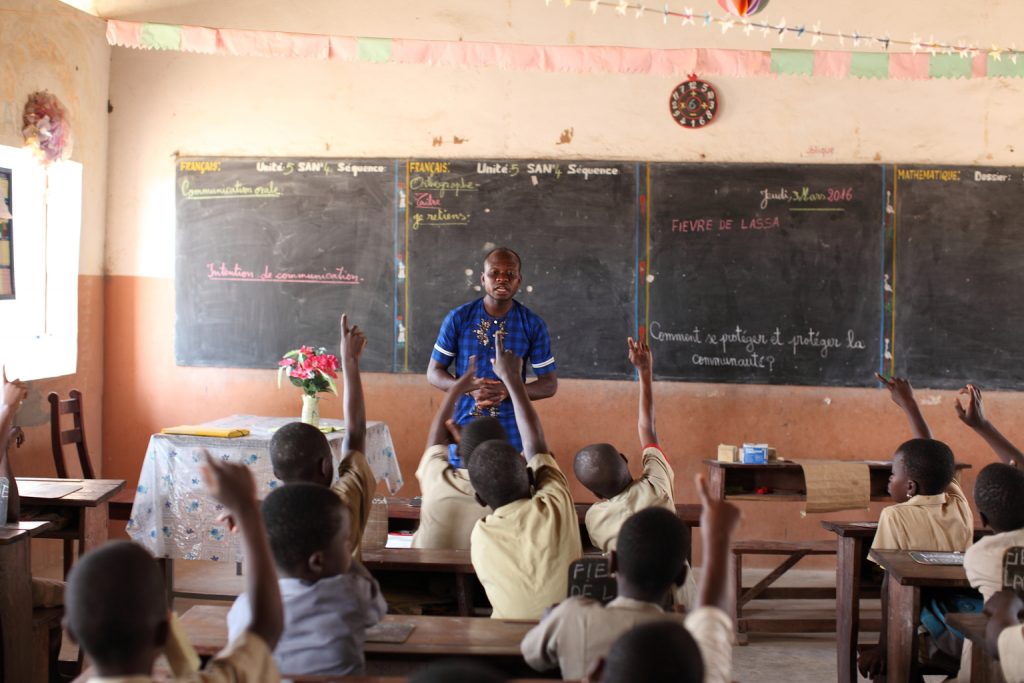
This guidance document on ethical issues that arise specifically in the context of infectious disease outbreaks aims to complement existing guidance on ethics in public health. It should therefore be read in conjunction with more general guidance on issues such as public health surveillance, research with human participants, and addressing the needs of vulnerable populations. Setting up decision-making systems and procedures in advance is the best way to ensure that ethically appropriate decisions will be made if an outbreak occurs.
Countries, health-care institutions,international organizations and others involved in epidemic response efforts are encouraged to develop practical strategies and tools to apply the principles in this guidance document to their specific settings, taking into account local social,cultural, and political contexts. WHO is committed to providing countries with technical assistance in support of these efforts.
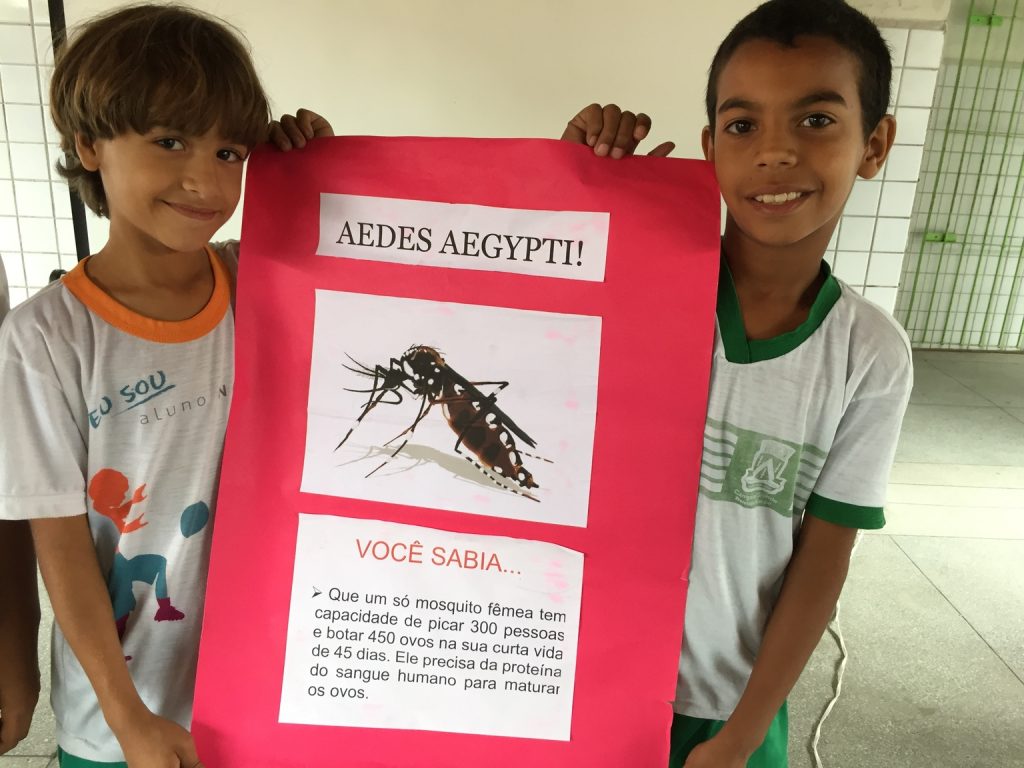
This toolkit for integrated vector management (IVM) is designed to help national and regional programme managers coordinate across sectors to design and run large IVM programmes. It is an extension of earlier guidance and teaching material published by the World Health Organization(WHO): Handbook for integrated vector management (1), Monitoring and evaluation indicators for integrated vector management (2), Guidance on policy-making for integrated vector management(3) and Core structure for training curricula on integrated vector management (4).The toolkit provides the technical detail required to plan, implement, monitor and evaluate an IVM approach.
IVM can be used when the aim is to control or eliminate vector-borne diseases and can also contribute to insecticide resistance management. This toolkit provides information on where vector-borne diseases are endemic and what interventions should be used, presenting case studies on IVM as well as relevant guidance documents for reference.The diseases that are the focus of this toolkit are malaria,
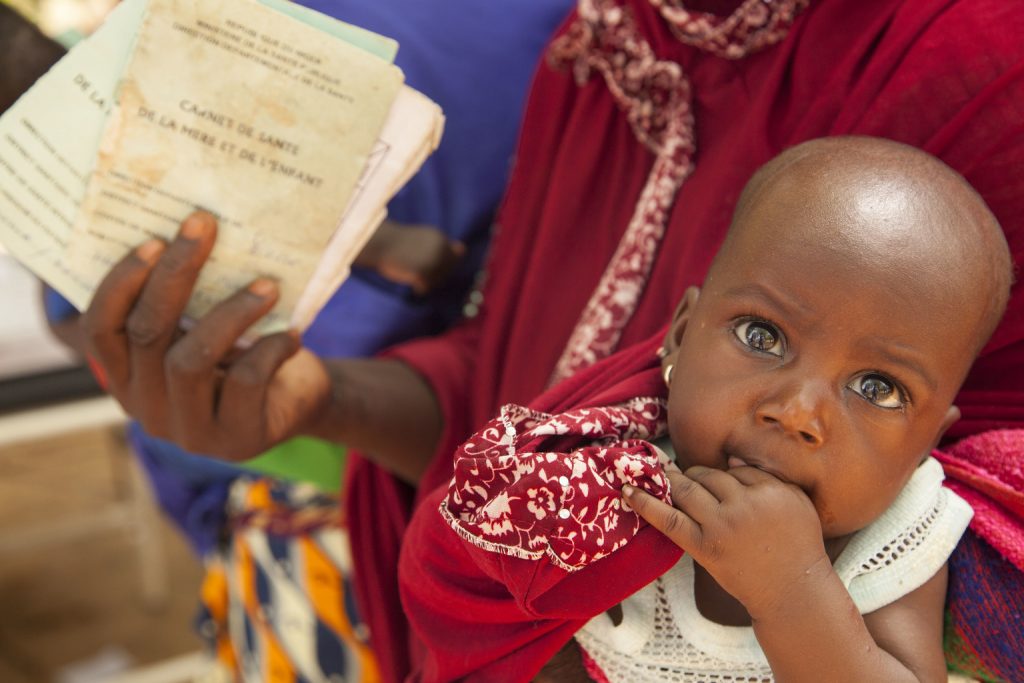
The purpose of this guideline is to provide a recommendation to guide governments, ministries of health,policy-makers and health-care workers in regions affected by transmission of Zika virus, in the development of local and national protocols and policies on infant feeding, including breastfeeding practices in areas of Zika virus transmission, and their implementation. It may also be used to inform communication to the general public.
Zika virus is a mosquito-borne virus transmitted by Aedes mosquitoes; the same mosquito also transmit sother vector-borne diseases – dengue, chikungunya and yellow fever. Currently, there is no treatment or vaccine to protect specifically against Zika virus infection (1).This guideline is part of a body of work that explores available evidence for possible acceptable medical reasons for temporary or long-term cessation of breastfeeding (2). It updates the interim guidance on breastfeeding in the context of the Zika virus published by WHO on 25 February 2016 (3).
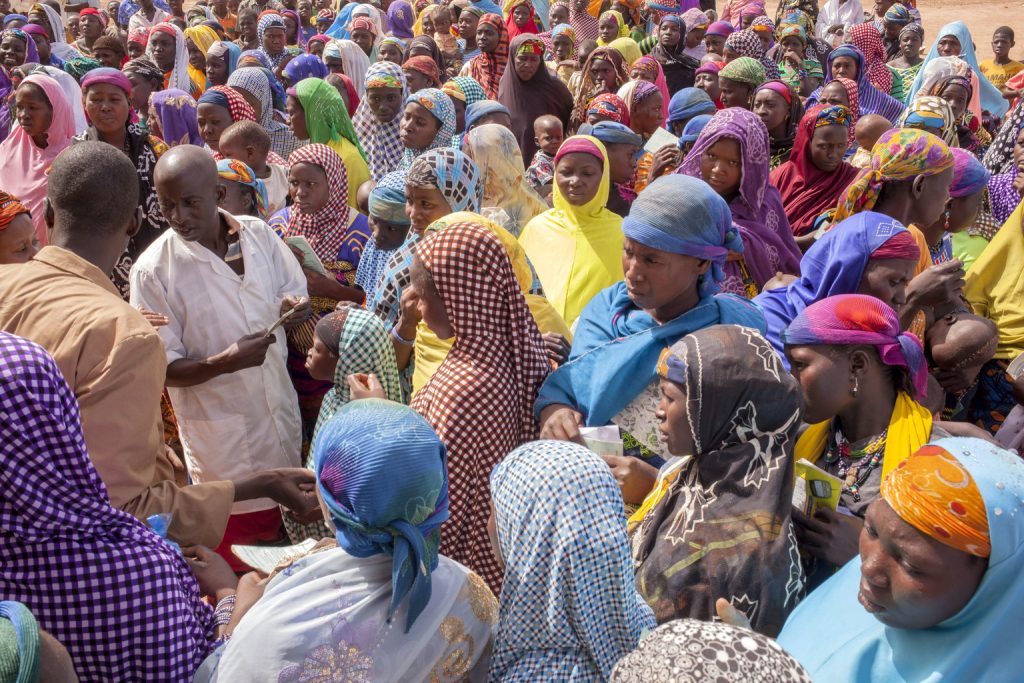
The importance of leadership in bringing about change to improve health and well-being is increasingly emphasized — especially with the shift to SDGs — and there is now a need and opportunity to act to strengthen leadership for health. In November 2014, at the Third Global Symposium on Health Systems Research, the Alliance set out to understand how leaders define and qualify leadership by asking a selected group of leaders in public health a single question: ‘What are key attributes of leaders that create effective health systems?’
In 2015, a survey was conducted across 65 countries and in-depth interviews were carried out with 22 prominent leaders, touching upon various components of leadership for health, ranging from the make-up of teams and organizational culture, to the use of evidence and the role of a guiding vision. While key individual traits are useful and even necessary in creating good leaders,
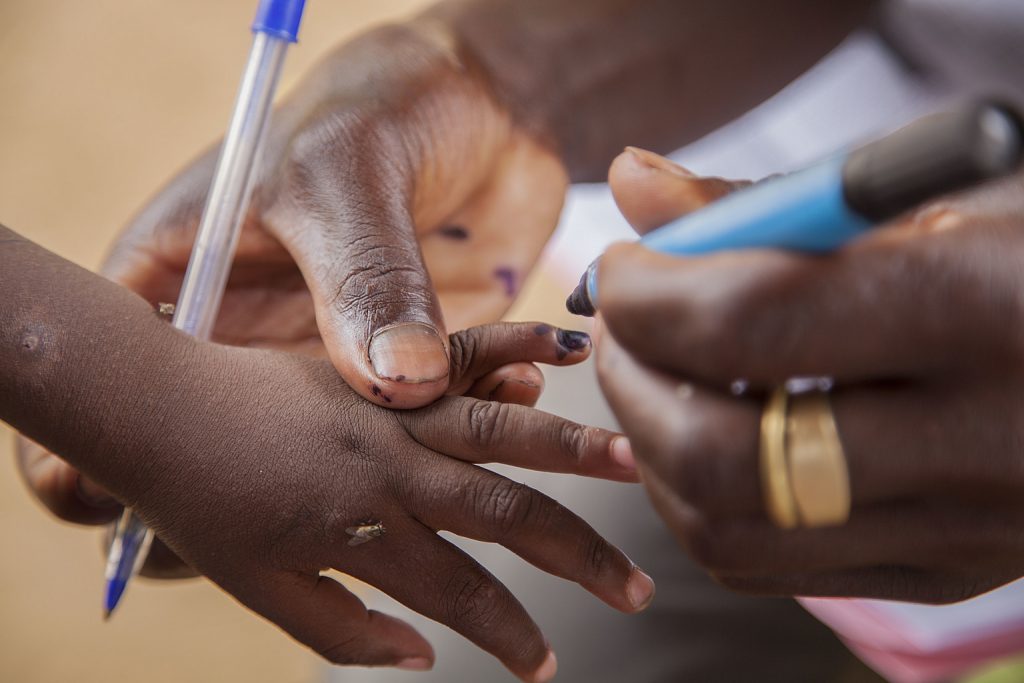
This WHO Technical Report offers a comprehensive spatially defined database of outbreaks and epidemics, and delineates the ecological zones of diseases classified as Public Health Emergency of International Concern (PHEIC) and malaria.
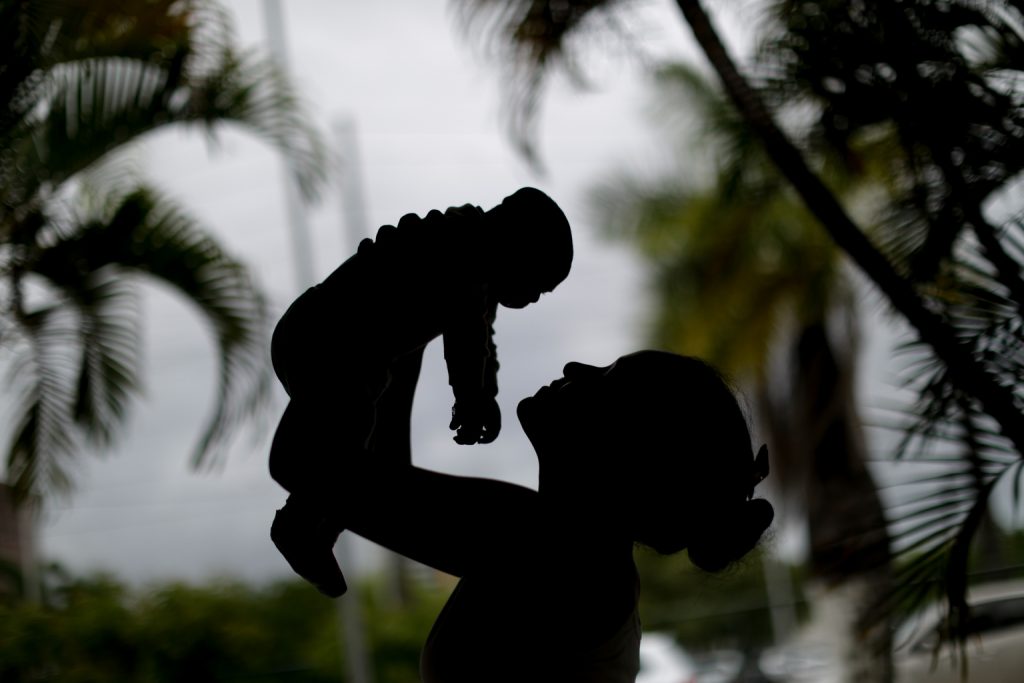
On 1 February 2016 WHO announced that a cluster of microcephaly and other neurologic disorders reported in Brazil is a Public Health Emergency of International Concern. Several countries have reported an increase in the incidence of cases of microcephaly and/or Guillain-Barré syndrome (GBS) concurrent with Zika virus outbreak . A causal relationship between Zika infection during pregnancy and microcephaly is strongly suspected, though not scientifically proven (4).
This document describes guidance for a supportive response by healthcare providers (e.g. physicians,nurses), focusing primarily on women affected by Zika virus infection during pregnancy and their families, for their mental health and psychosocial needs. Healthcare workers need to collaborate with colleagues in other sectors (e.g. social work, education) for a coordinated mental health and psychosocial response.This guidance for healthcare providers suggests strategies that can be helpful when consulting with pregnant women with suspected or confirmed Zika virus infection,
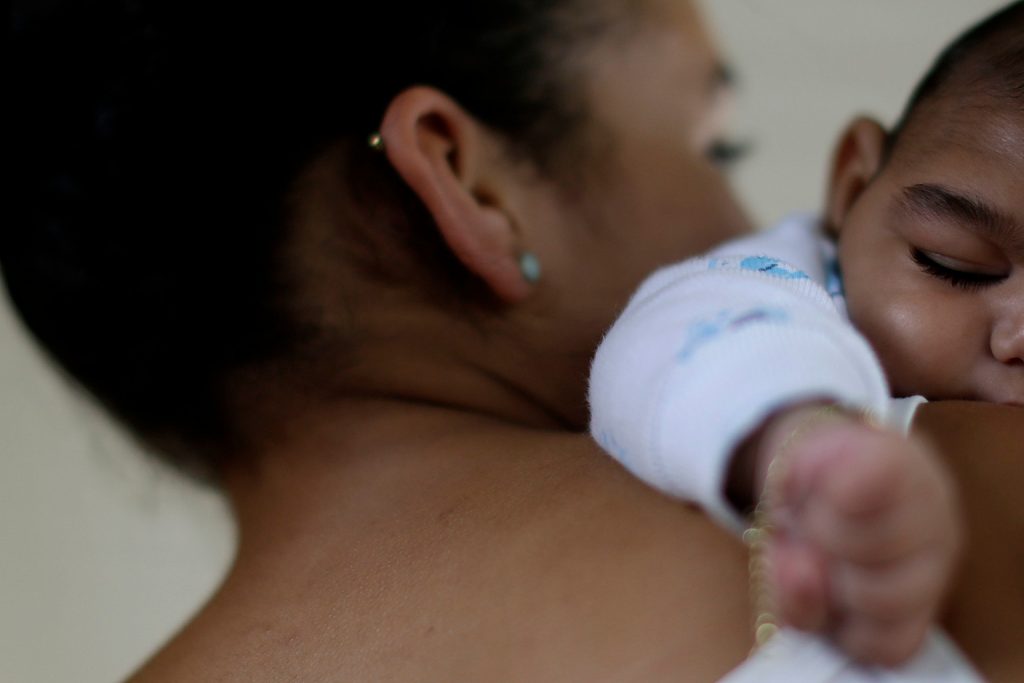
This WHO Technical Report seeks to assess the risk of Zika virus outbreak by country in the WHO African region and the capacity to contain it from becoming an epidemic.
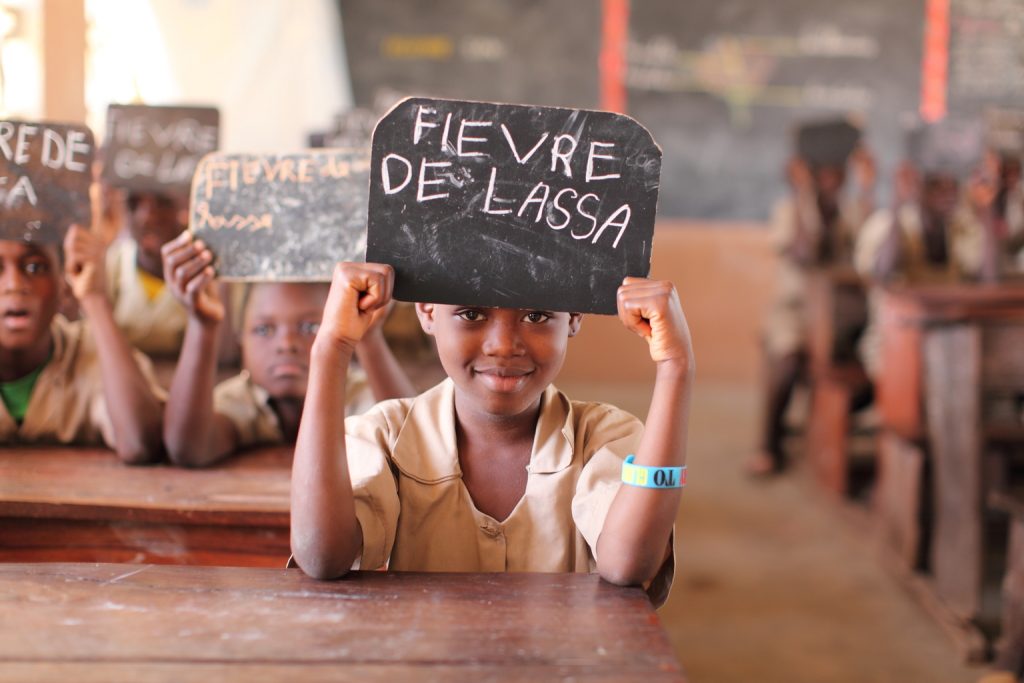
In many regions, disaster risk is continuing to increase, mostly because greater numbers of vulnerable people and assets are located in exposed areas. It is vital to start reversing these trends. Over the next 18 months, there will be negotiation and hopefully agreement of three major international policy frameworks, each with a key interest in reducing disaster risk and minimising disaster losses. These are 1) the post-2015 framework on disaster risk reduction(DRR); 2) the Sustainable Development Goals (SDGs)– a way of prioritising development actions; and 3)an international agreement on climate change – to establish global action on tackling climate change beyond 2020. If well integrated, these frameworks should be able to provide a unique opportunity to deliver a coherent strategy and implementation plan to address the drivers of disaster risk.A key way of linking these frameworks, particularly the SDGs and the post-2015 framework on DRR,lies in establishing common global goals,
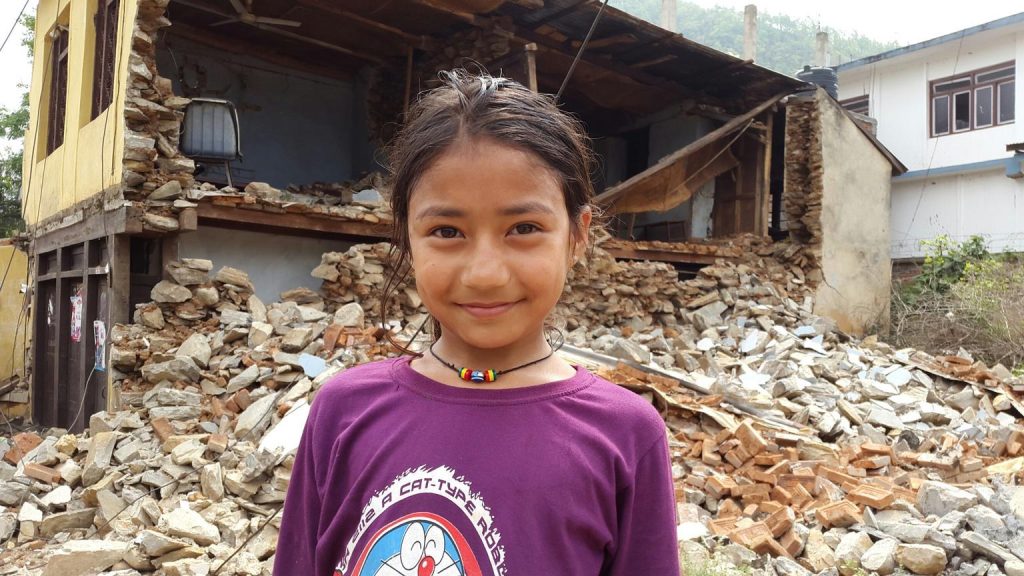
Nepal witnessed a 7.8 magnitude earthquake on 25th April and a 7.3 quake on 12th May, the worst natural disasters since 1900 in terms of number of dead, population affected and economic losses (A). The earthquakes killed more than 9,000 people and affected at least 8 million. Economic losses are estimated between 3.86 billion US$ and indirect losses and macroeconomic effects to 10 billion US$, half of the GDP of the country (19.3 billion US$ in 2013).
The first quake (25th April) was the most devastating, triggering landslides and avalanches in the mountainous areas, and destroying remote villages. The magnitude of the earthquake is similar to the earthquake that shook the country in 1934, 80 years ago.
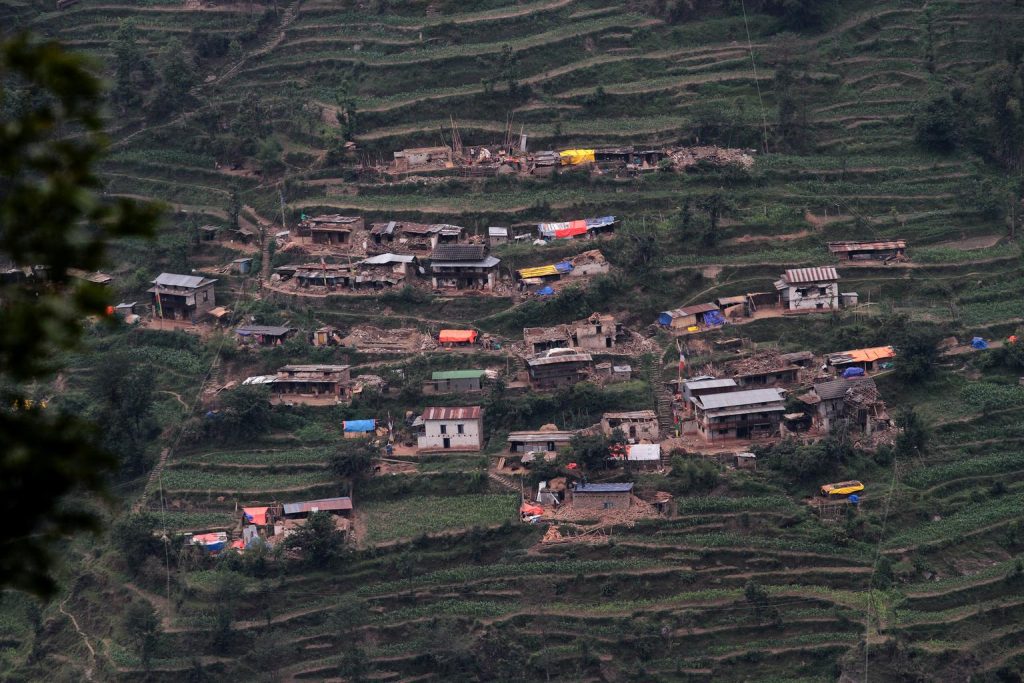
This report offers a 20-year review of disaster impacts across the world.
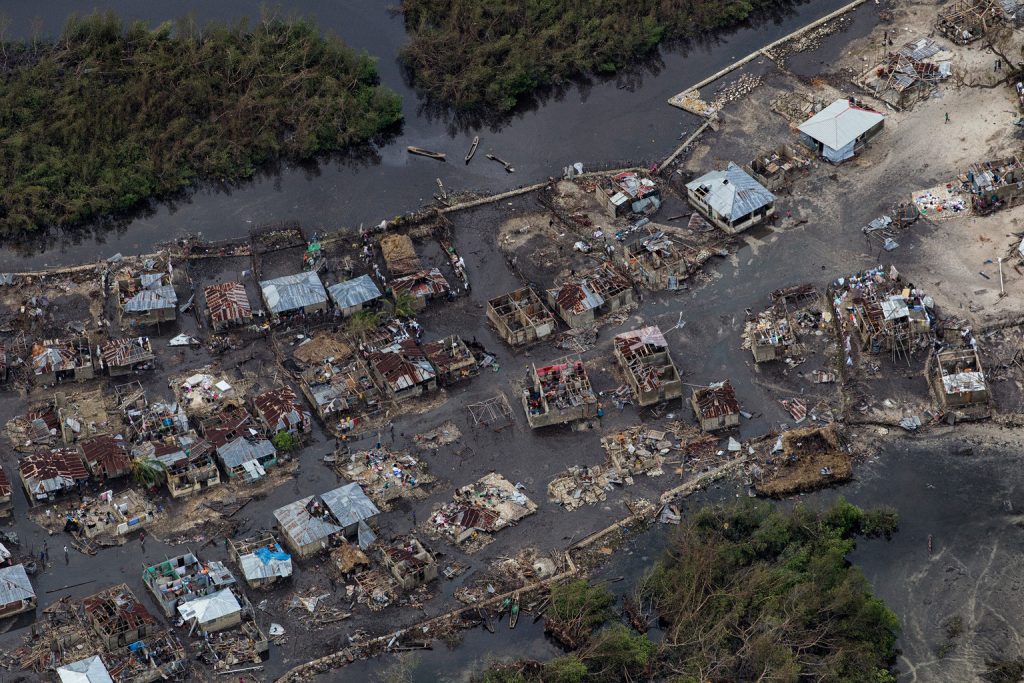
Floods and storms are climate-related hazards posing high mortality risk to Caribbean Community (CARICOM) nations. However risk factors for their lethality remain untested. We conducted an ecological study investigating risk factors for flood and storm lethality in CARICOM nations for the period 1980–2012. Lethality – deaths versus no deaths per disaster event- was the outcome. We examined biophysical and social vulnerability proxies and a decadal effect as predictors.
We developed our regression model via multivariate analysis using a generalized logistic regression model with quasi-binomial distribution; removal of multi-collinear variables and backward elimination. Robustness was checked through subset analysis. We found significant positive associations between lethality, percentage of total land dedicated to agriculture (odds ratio [OR] 1.032; 95% CI: 1.013–1.053) and percentage urban population (OR 1.029, 95% CI 1.003–1.057). Deaths were more likely in the 2000–2012 period versus 1980–1989 (OR 3.708, 95% CI 1.615–8.737).