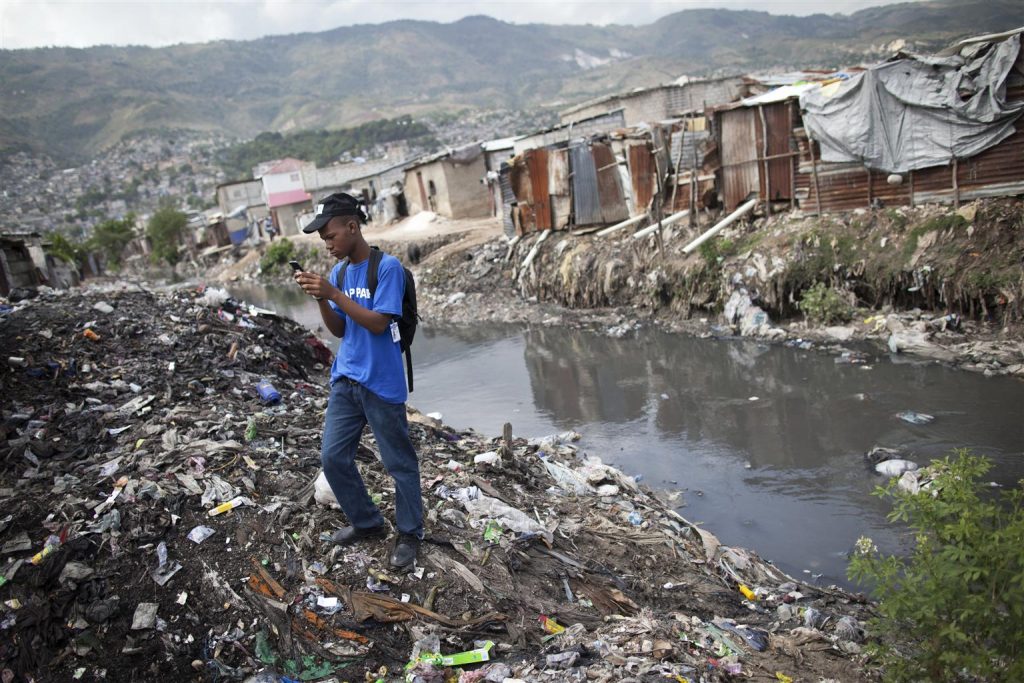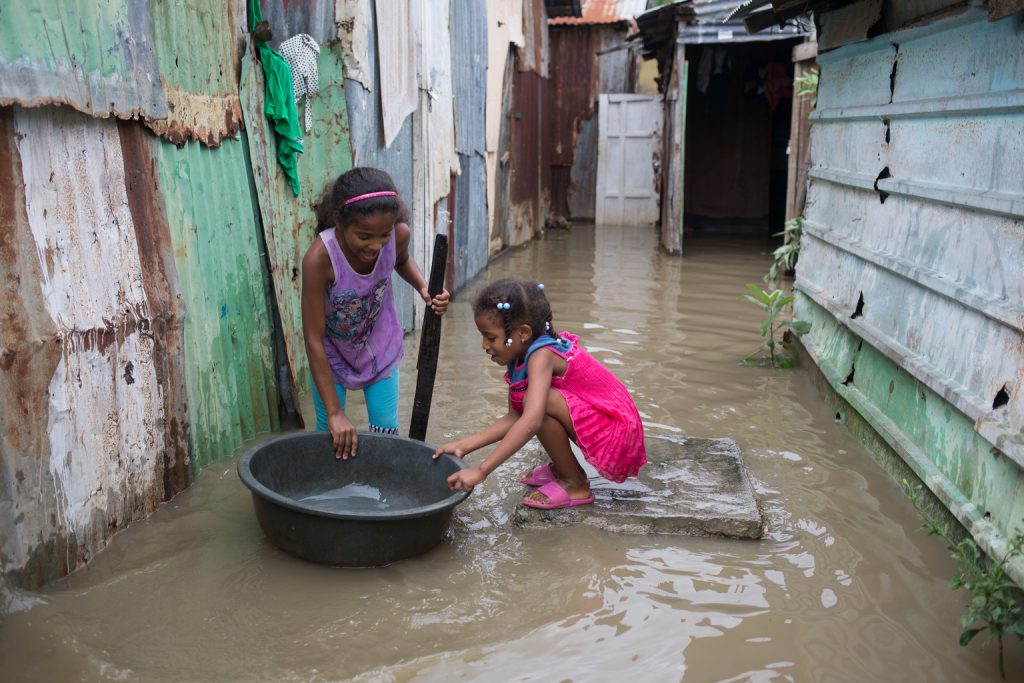
Child undernutrition and flooding are highly prevalent public health issues in many developing countries, yet we have little understanding of preventive strategies for effective coping in these circumstances. Education has been recently highlighted as key to reduce the societal impacts of extreme weather events under climate change, but there is a lack of studies assessing to what extent parental education may prevent post-flood child undernutrition. One year after large floods in 2008, we conducted a two-stage cluster population-based survey of 6–59 months children inhabiting flooded and non-flooded communities of Jagatsinghpur district, Odisha (India), and collected anthropometric measurements on children along with child, parental and household level variables through face-to-face interviews. Using multivariate logistic regression models, we examined separately the effect of maternal and paternal education and other risk factors (mainly income, socio-demographic, and child and mother variables) on stunting and wasting in children from households inhabiting recurrently flooded communities (2006 and 2008;
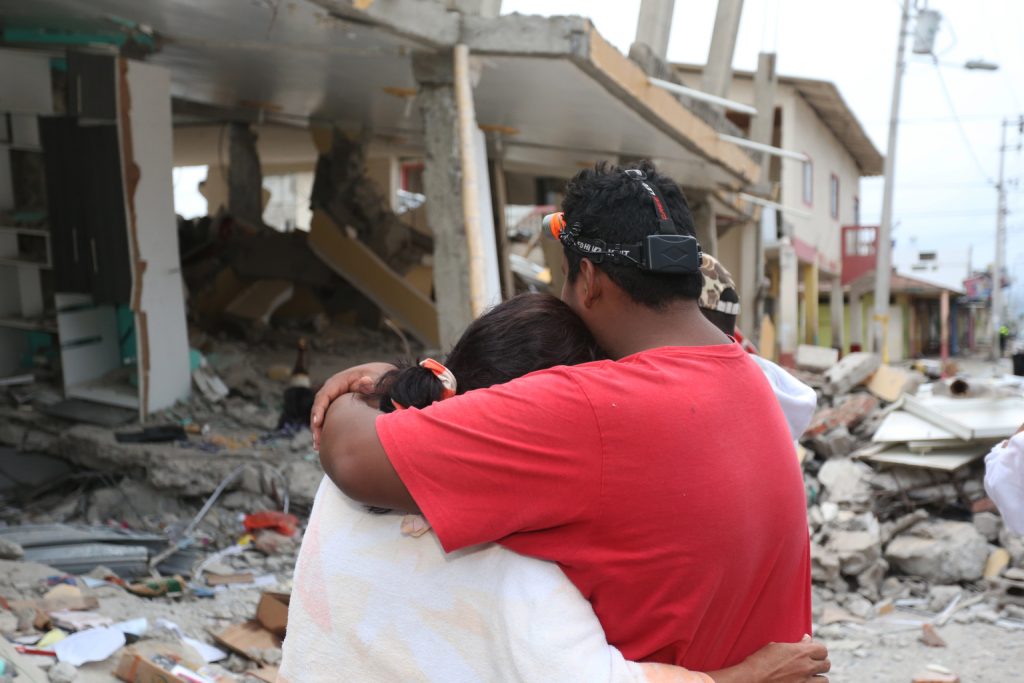
In 2015, 346 natural disasters were recorded in the EM-DAT database. They claimed 22,773 lives, affected over 98 million others and caused economic damages of US$66.5 billion.
The largest disaster of 2015 in terms of mortality was the earthquake in Nepal from April that resulted in 8,831 deaths.
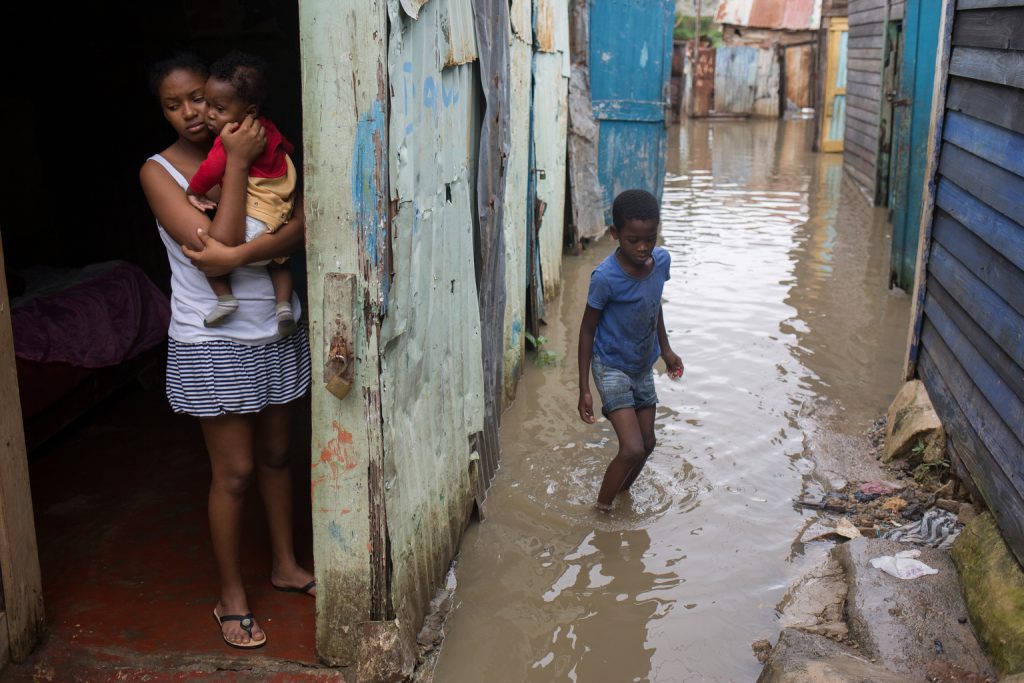
This publication provides a sober and revealing analysis of weather-related disaster trends over a twenty year time-frame which coincides with a period which has seen the UN Framework Convention on Climate Change Conference of the Parties become an established high- profile annual fixture on the development calendar.
The contents of this report underline why it is so important that a new climate change agreement emerges from the COP21 in Paris in December.
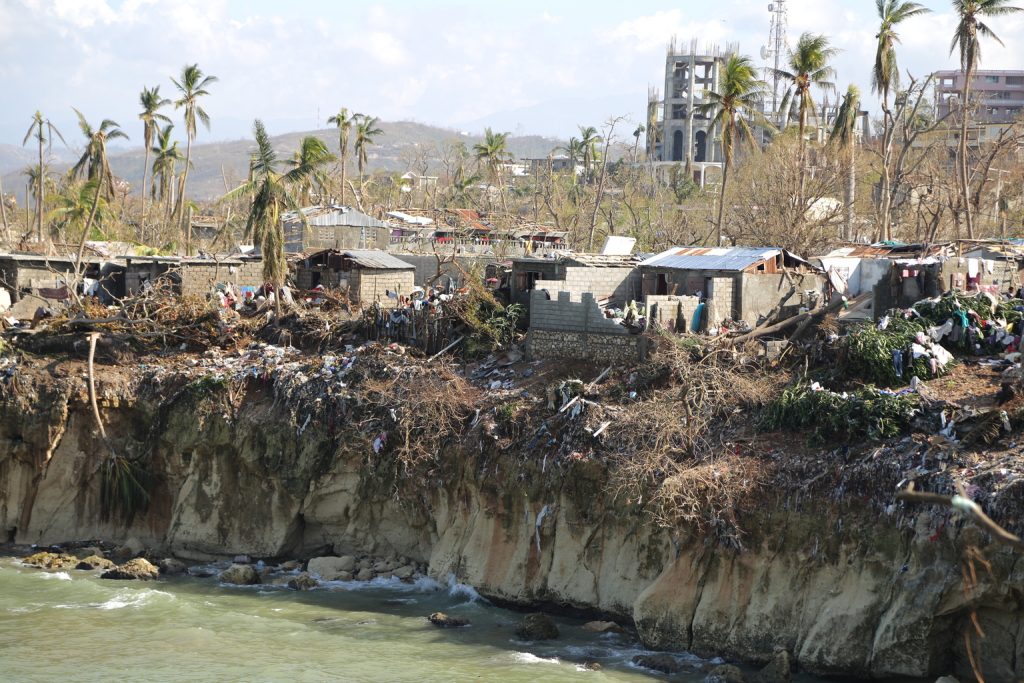
The paper explores the degree to which exposure to natural disasters and poor governance(quality of governance) is associated with absolute child poverty in sixty-seven middle-and low-income countries. The data is representative for about 2.8 billion of the world´s population. Institutionalist tend to argue that many of society’s ills, including poverty,derive from fragile or inefficient institutions. However, our findings show that although increasing quality of government tends to be associated with less poverty, the negative effects of natural disasters on child poverty are independent of a country’s institutional efficiency.Increasing disaster victims (killed and affected) is associated with higher rates of child poverty.
A child’s estimated odds ratio to be in a state of absolute poverty increases by about a factor of 5.7 [95% CI: 1.7 to 18.7] when the average yearly toll of disasters in the child’s country increases by one on a log-10 scale.
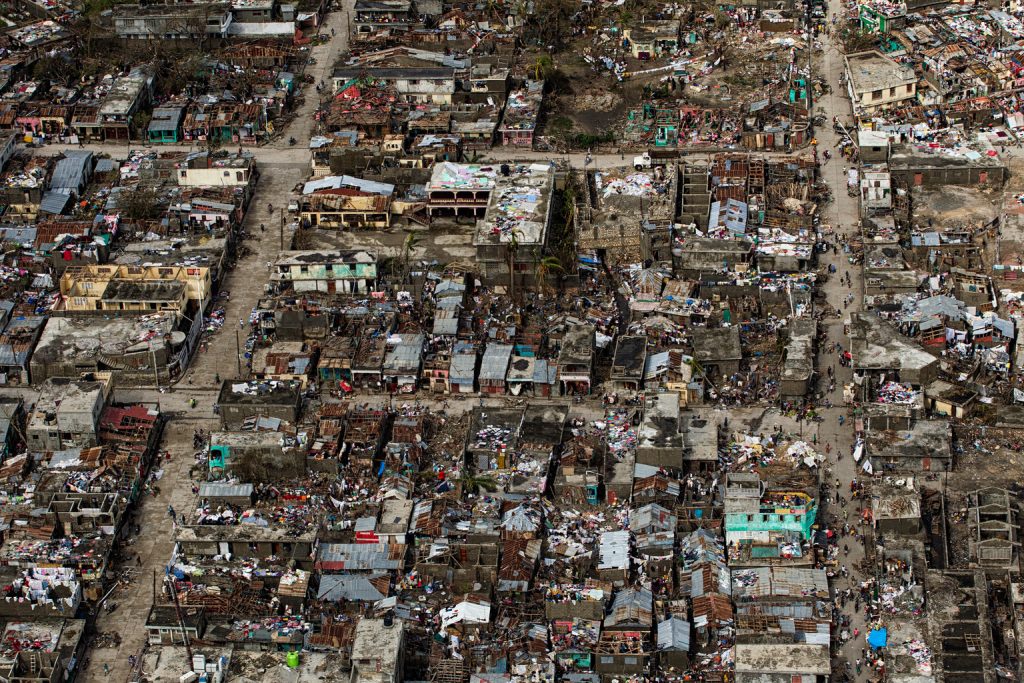
Complex humanitarian emergencies are characterised by a break-down of health systems. All-cause mortality increases and non-violent excess deaths (predominantly due to infectious diseases) have been shown to outnumber violent deaths even in exceptionally brutal conflicts. However, affected populations are very heterogeneous and refugees, internally displaced persons (IDPs) and resident (non-displaced) populations differ substantially in their access to health services. We aim to show how this translates into health outcomes by quantifying excess all-cause mortality in emergencies by displacement status. As standard data sources on mortality only poorly represent these populations, we use data from CEDAT, a database established by aid agencies to share operational health data collected for planning, monitoring and evaluation of humanitarian aid. We obtained 1759 Crude Death Rate (CDR) estimates from emergency assessments conducted between 1998 and 2012. We define excess mortality as the ratio of CDR in emergency assessments over ‘baseline CDR’ (as reported in the World Development Indicators).
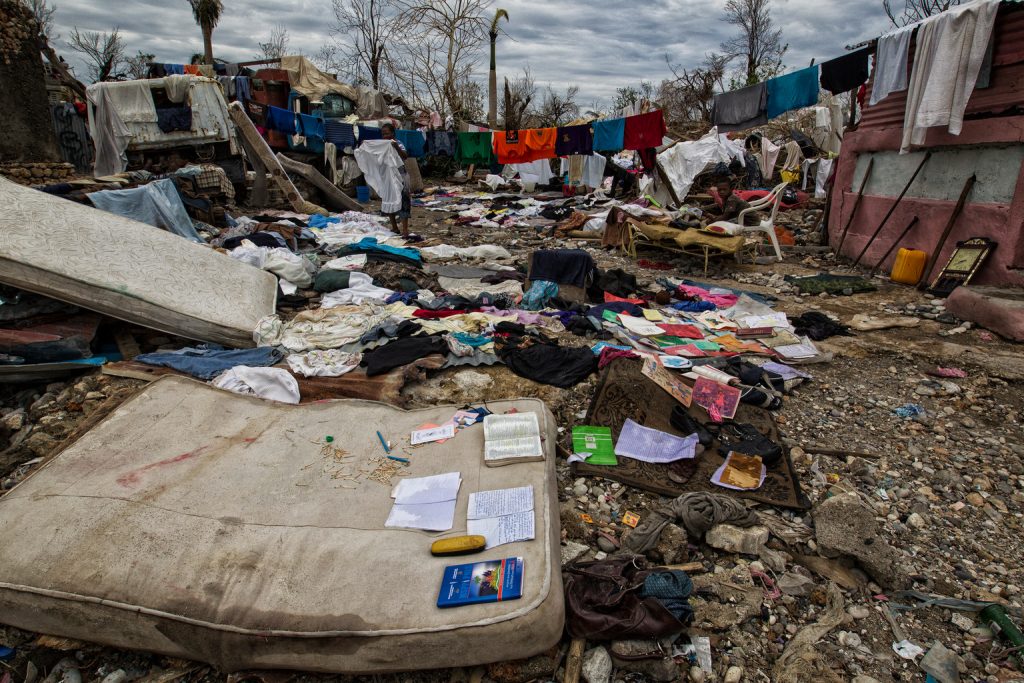
A report on worldwide deaths from geophysical disasters.
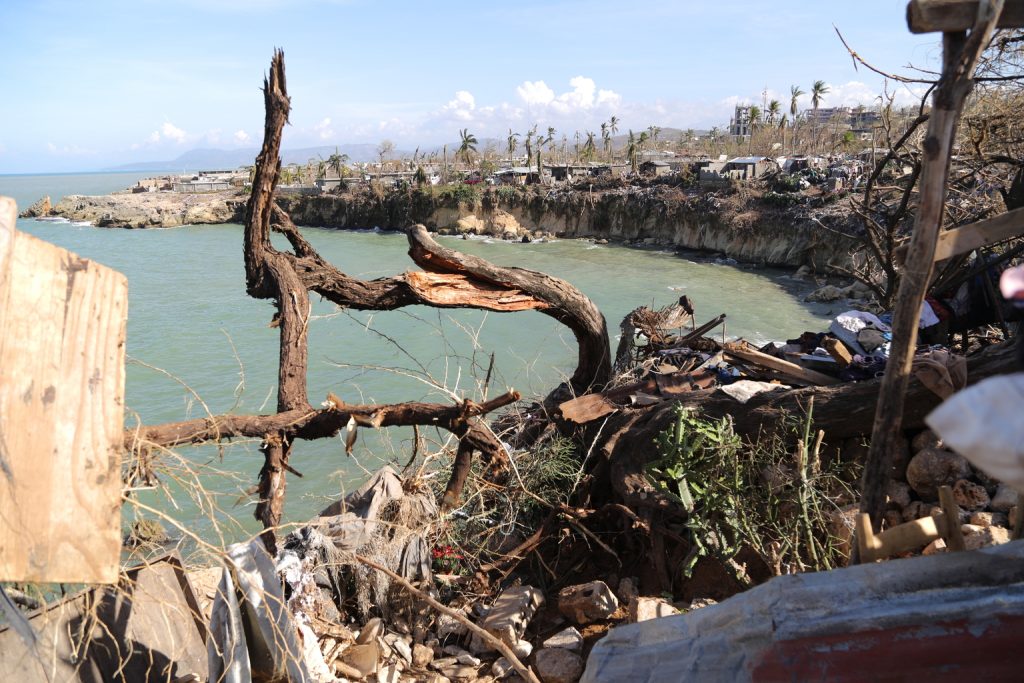
This report gives mathematical projections underlining that the threat to human life from tsunamis is increasing.
National heatwave plans are aimed at reducing the avoidable human health consequences due to heatwaves, by providing warnings as well as improving communication between relevant stakeholders. The objective of this study was to assess the perceptions of key stakeholders within plans in Belgium and The Netherlands on their responsibilities, the partnerships, and the effectiveness of the local implementation in Brussels and Amsterdam. Key informant interviews were held with stakeholders that had an important role in development of the heatwave plan in these countries, or its implementation in Brussels or Amsterdam.
Care organisations, including hospitals and elderly care organisations, had a lack of familiarity with the national heatwave plan in both cities, and prioritised heat the lowest. Some groups of individuals, specifically socially isolated individuals, are not sufficiently addressed by the current national heatwave plans and most local plans. Stakeholders reported that responsibilities were not clearly described and that the national plan does not describe tasks on a local level.
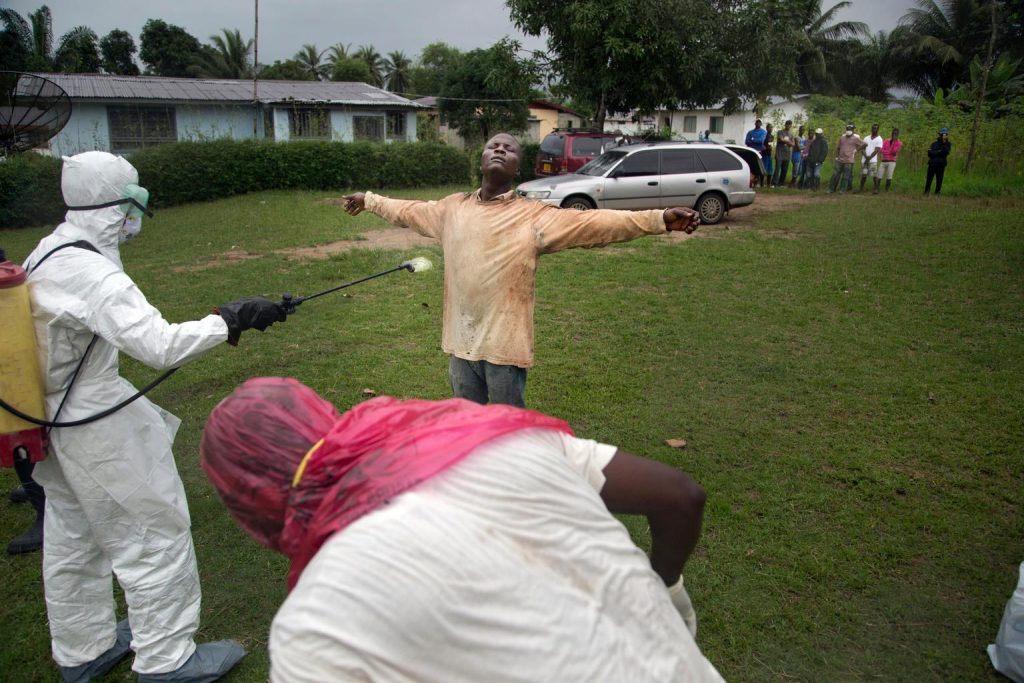
This comment piece identifies problematic assumptions behind communication and social mobilisation strategies which rely on using biomedicine to correct local logics and concerns and which cast them as misinformation.
The effectiveness of using standardised advice for non-standardised situations is questioned.
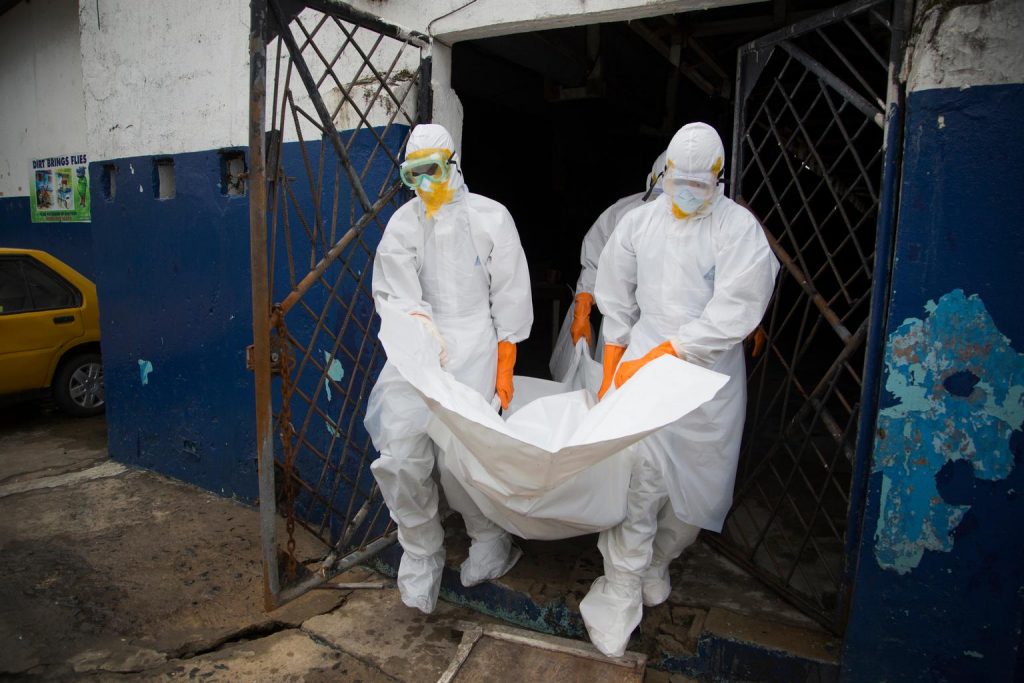
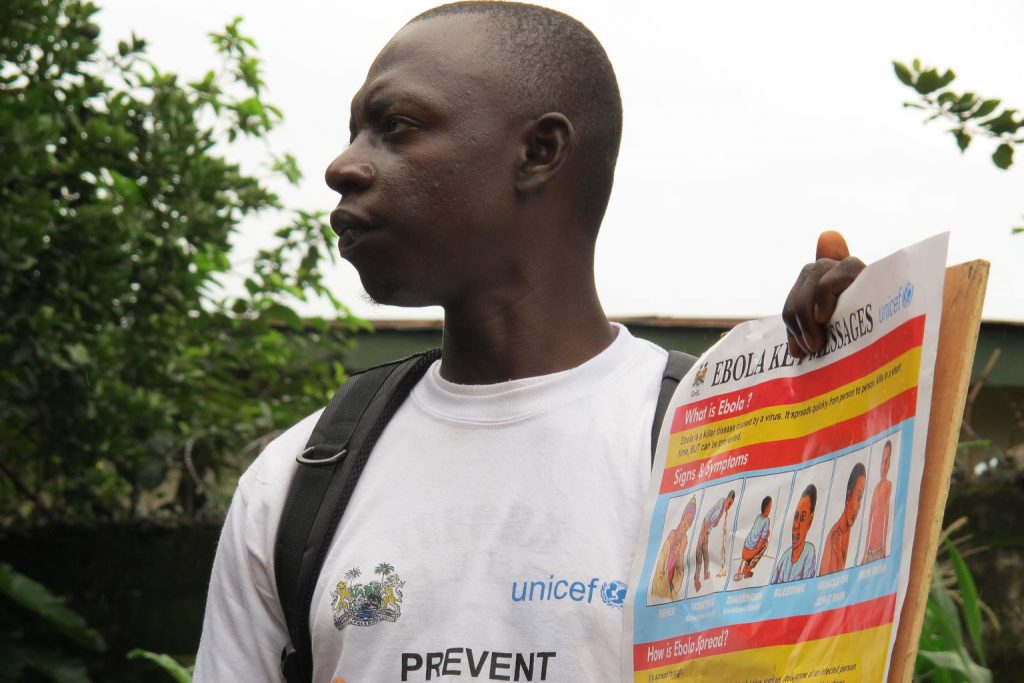
This working paper reports on a study to identify the pace of Ebola-related social learning in urban and peri-urban areas around Monrovia, Liberia during August 2014, at the onset of the emergency phase of the epidemic. The research demonstrates how under conditions of accelerating health crises, social learning is rapid even in a context of heightened instability, suspicion, and misinformation.
Misleading information in the form of local rumours and unhelpful government and international healthcare messages complicate this process and can produce anxiety. However, contrary to widespread assumptions of ‘ignorance’, and amidst the circulation of conspiracy theories, communities were able to uptake essential information regarding Ebola transmission and management rapidly and efficiently.
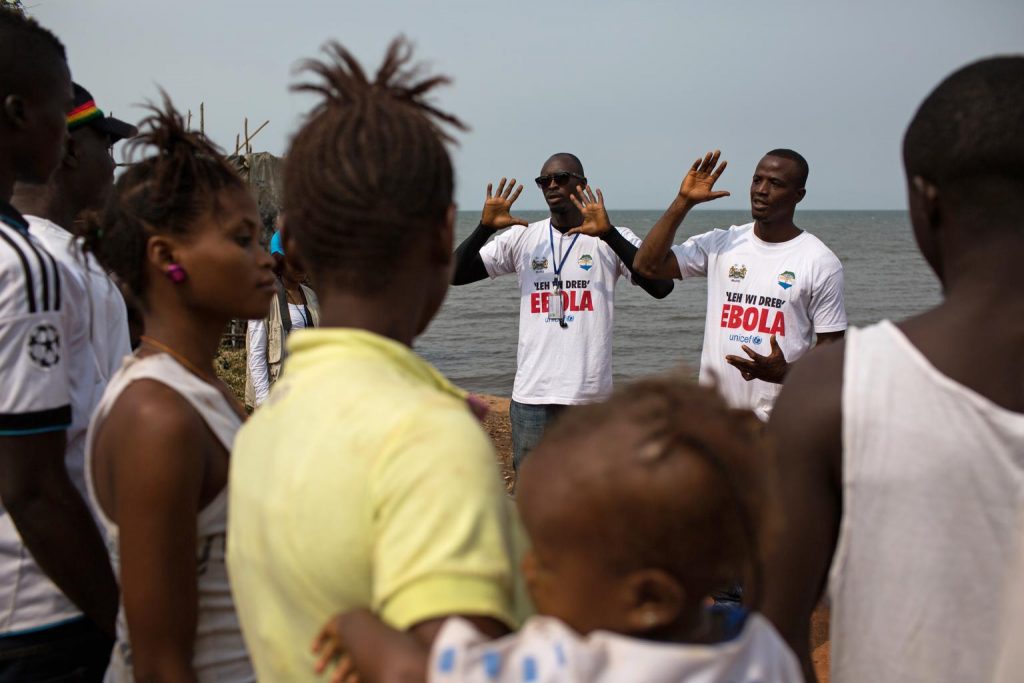
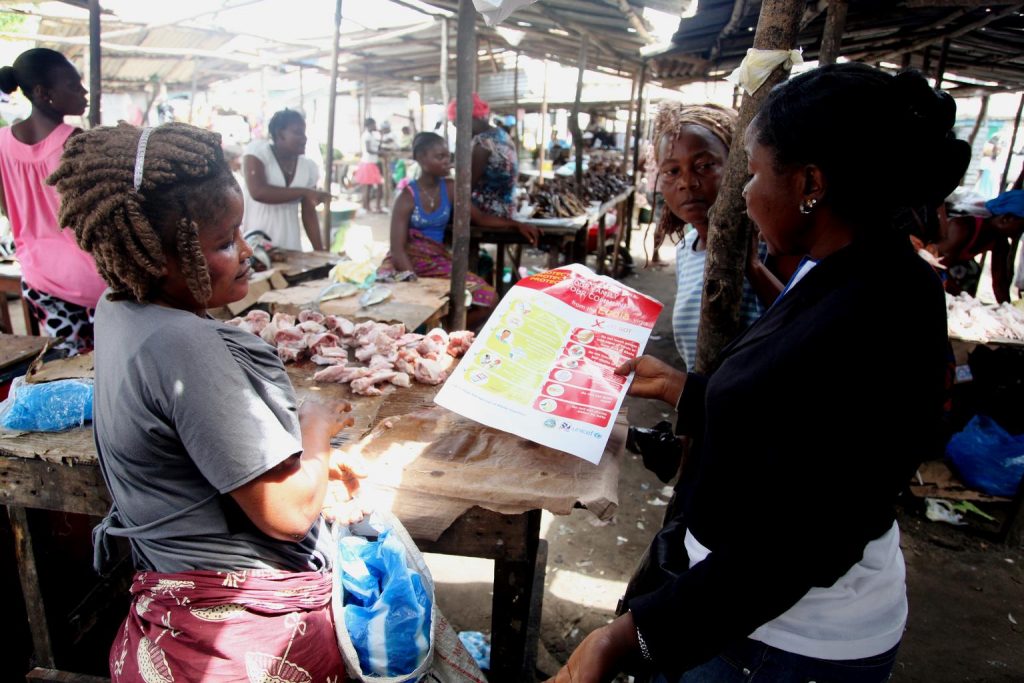
This working paper reports on a study to identify epidemic control priorities among 15 communities in Monrovia and Montserrado County, Liberia. Data were collected in September 2014 on the following topics: prevention, surveillance, care-giving, community-based treatment and support, networking/hotlines/calling response teams and referrals, management of corpses, quarantine and isolation, orphans, memorialization, and the need for community-based training and education.
The study also reviewed issues of fear and stigma towards Ebola victims and survivors, and support for those who have been affected by Ebola. The findings provide several models that can inform international and governmental support for community-based management of the current Ebola outbreak.
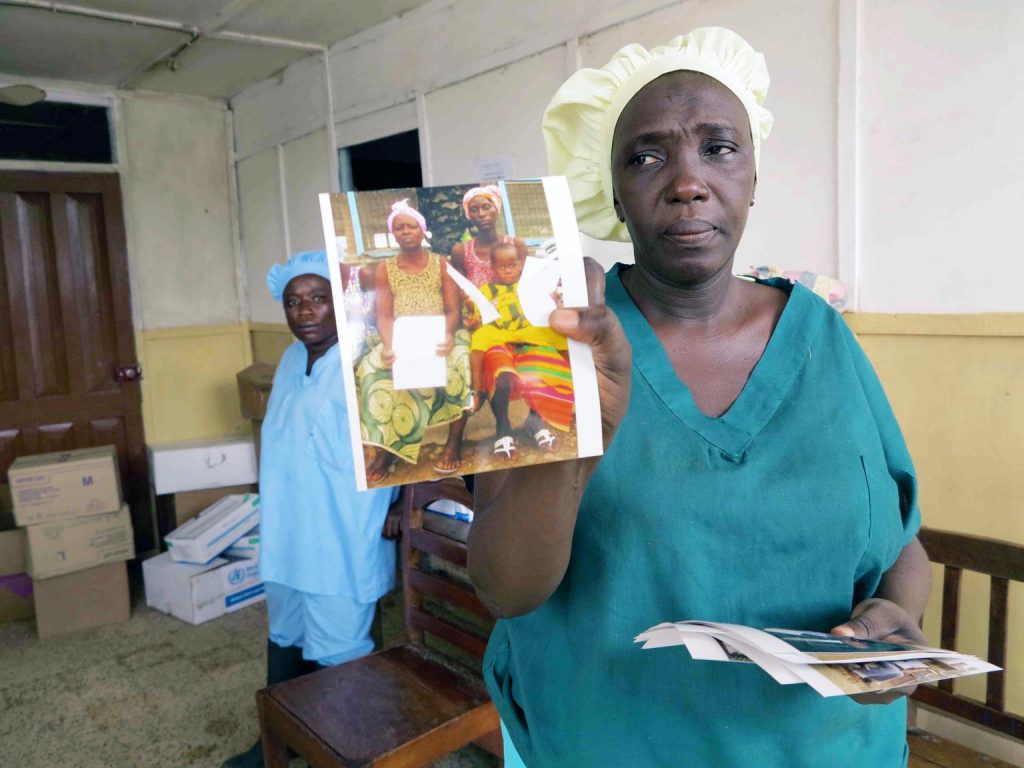
‘Stigma’ is an umbrella term for the direct and indirect consequences of a number of processes that brand someone as different in ways that result in discrimination, loss of status and social exclusion. It can be short-term or evolve into a long-term and life-long issue. Who and how people are being socially labelled – plus the material, political, social and moral consequences of this labelling – often change rapidly throughout the course of an epidemic, particularly from the early stages of an emerging outbreak to an established epidemic.
The first step to addressing or seeking to avoid exacerbating stigma is to identify the nature of, and factors influencing, relationships between those associated with Ebola and the rest of society. Every policy decision should be made with consideration for its immediate and long term consequences for each social group affected. Efforts to de-stigmatise Ebola should focus on improving the social visibility and the physical,
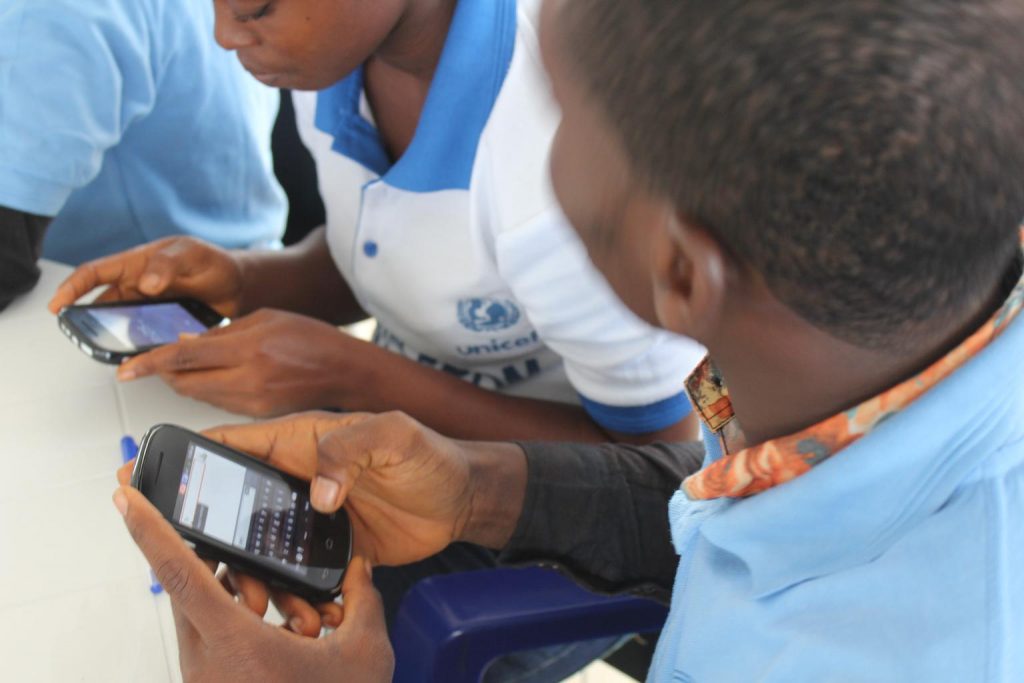
This paper by Anoko J. N., reports on the success of a communication programme among 26 rebellious villages in Forest Guinea during fieldwork in June-July 2014.
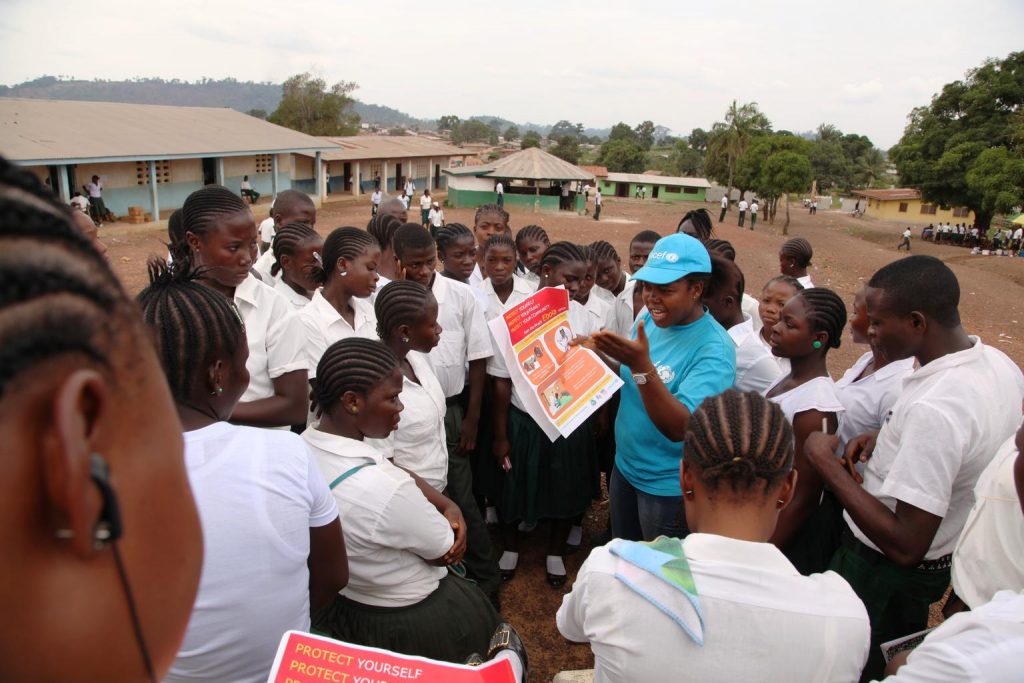
The present document is the eighth and final report in a series presenting descriptive results of a survey of responses to Ebola and Ebola control in 26 villages in all three provinces of rural Sierra Leone, fieldwork for which was undertaken in December 2014. The report covers three villages in Gbo chiefdom, in Bo District.
Some emphasis is placed on how inconsistencies of Ebola response are perceived at local level, and undermine trust. Ebola responders should not only improve the quality of their messages, but also concentrate on explaining aspects of the response that villagers find most puzzling, if trust is to be restored.
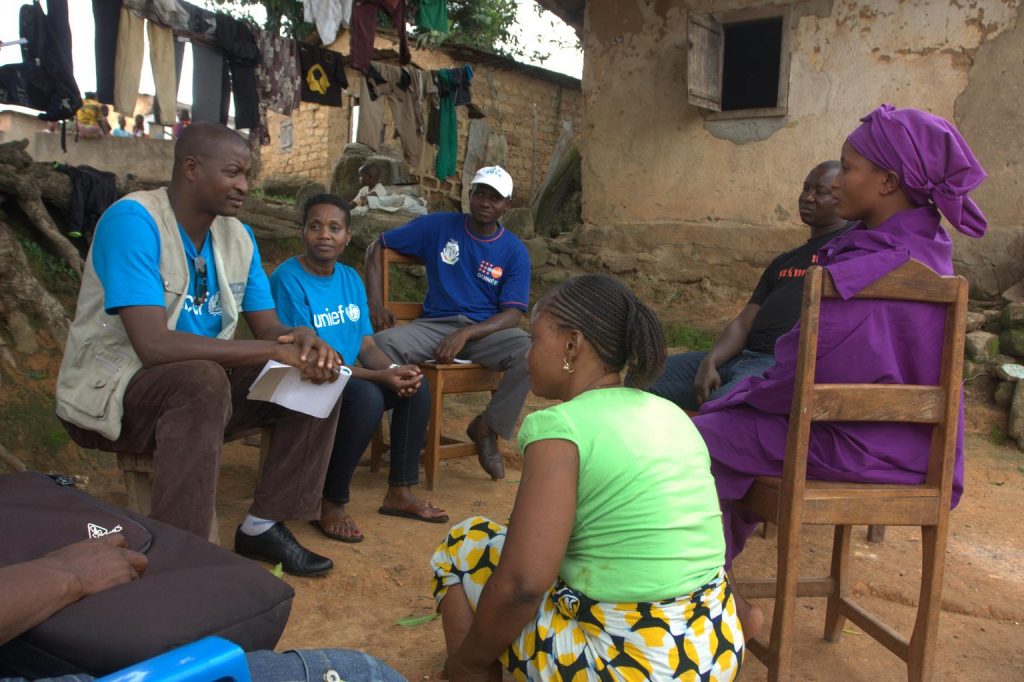
This study aimed to support Oxfam’s Public Health Promotion (PHP) strategy through a rapid qualitative assessment of the remaining social barriers to compliance with Ebola prevention and treatment messages. At the time of the study, most Liberians had a high awareness of Ebola prevention and treatment information.
However, new infections continued to occur in “hot spots” around the country. A preliminary assessment suggested that negative perceptions and fear of Ebola response efforts contributed to non-compliance and resistance in some areas. Research activities assessed the sources of negative perceptions and fears of Ebola response activities, and looked for suggestions to improve Oxfam’s response.
Conflicting messages on the length of time that Ebola remains in semen after recovery make education and prevention confusing. We need to avoid mixed messages and focus on girls’ rights, says anthropologist Pauline Oosterhoff. When I met members of a women’s secret society in Sierra Leone this February, they proposed drastic measures to stop Ebola from spreading through sexual contact. All survivors should be quarantined for three months, they said. Male survivors need to be locked up because they cannot control their urge to have sex. Women need to be locked up because they cannot stop their husbands from forcing sex upon them.
When I asked them whether using condoms might be easier than quarantine, I was greeted with rolling eyes and hissing. Their men would never accept this. “They would put holes in the condoms as soon as they saw them”.
Nearly half the population of Sierra Leone is under the age of 18 years and the impact of the Ebola crisis on their lives now and on their future opportunities has been far-reaching: no school; loss of family members and friends to the virus; and changing roles and responsibilities in the home and the community.While the priority now remains meeting the goal of zero cases, the Government of Sierra Leone (GoSL) is also developing a comprehensive strategy aimed at supporting communities to recover from this crisis, to put the country back on track to meet development targets.
The Ebola Recovery Strategy – currently being finalised by the GoSL – represents a potentially transformative framework to support the immediate recovery of children from the crisis and to ensure their place in the future development of Sierra Leone.As Sierra Leone emerges from one of the most challenging crises in its history,
This briefing explores how rumours about Ebola in Sierra Leone influences people’s perception and response to Ebola, from the political, historical and social perspectives. Despite the efforts of the World Health Organisation to control the Ebola outbreak, achieving zero cases and providing support for survivors, rumours about the cause of Ebola and the response to it continue to circulate.
These rumours, a product of the initially over stretched and poorly implemented Ebola response, were more often linked to long-term issues of structural violence that also contributed to the unprecedented spread of Ebola in Sierra Leone.Ebola rumours are thus an extremely fruitful way to elucidate both Sierra Leonean perceptions of Ebola and the response to it, and the multiple, global, political, economic and social inequalities that contributed to the outbreak. Although social mobilisation and sensitisation is important in the short-term, it is these issues that the Ebola response and those that dominate the current system of global health governance must grapple with to properly eradicate Ebola now and in the future.
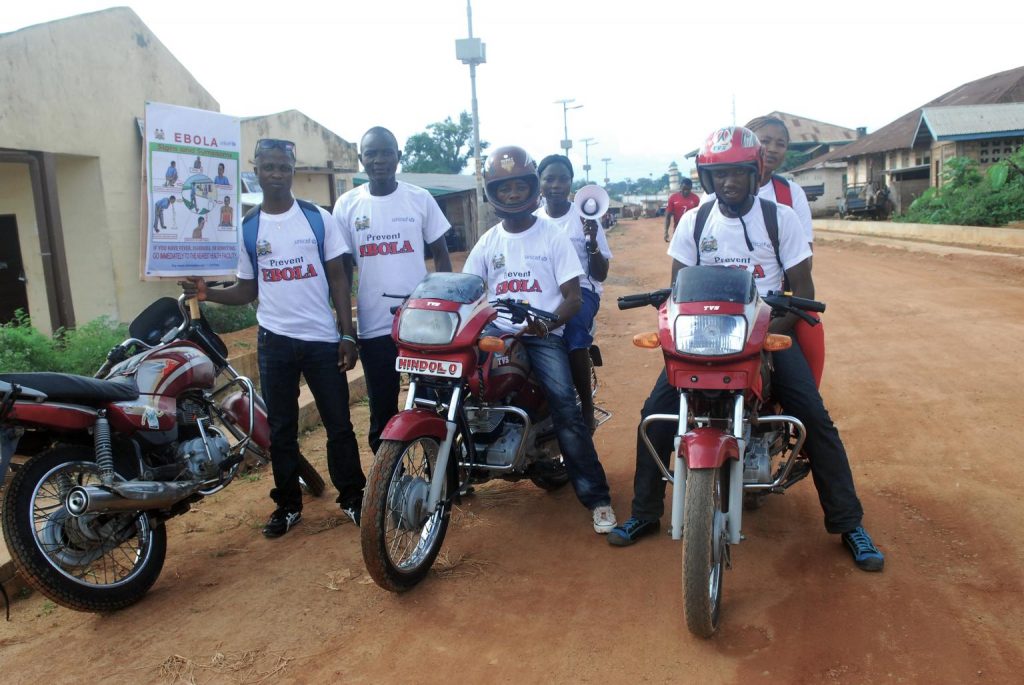
The Ebola outbreak in West Africa has reinvigorated the debate about the role of ‘social mobilisation’ and ‘community engagement’, not only in response to devastating disease but a range of other intractable issues affecting Africa and the rest of the developing world. But what do we mean by ‘social mobilisation’?
And why are we only learning now that community leadership is important?
The Sierra Leonean diaspora was active in responding to the Ebola outbreak that hit Sierra Leone in March 2014, both by providing financial and material support, and through direct communication with relatives, friends and colleagues back home. This paper looks at the role of diaspora communications on health seeking behaviour in Sierra Leone. It examines the range of communication strategies employed by members of the diaspora; the dynamics of communications as the epidemic spread during 2014/15, and the role of diaspora associations in liaising with local institutions within Sierra Leone.
It argues that their communications played an important and often innovative part in the cumulative mobilisation of local communities during the outbreak, although they were also prone to some of the same weaknesses as local public health efforts.
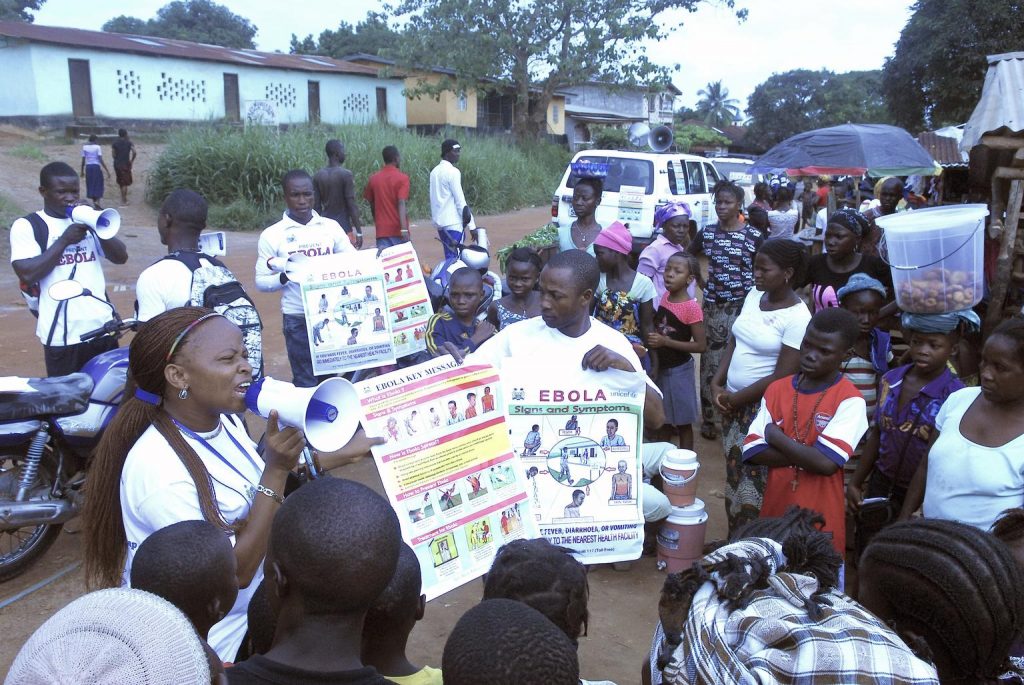
A major challenge to outbreak control lies in early detection of viral haemorrhagic fevers (VHFs) in local community contexts during the critical initial stages of an epidemic, when risk of spreading is its highest (“the first mile”). This paper documents how a major Ebola outbreak control effort in central Uganda in 2012 was experienced from the perspective of the community. It asks to what extent the community became a resource for early detection, and identifies problems encountered with community health worker and social mobilization strategies. Analysis is based on first-hand ethnographic data from the center of a small Ebola outbreak in Luwero Country, Uganda, in 2012. Three of this paper’s authors were engaged in an 18 month period of fieldwork on community health resources when the outbreak occurred. In total, 13 respondents from the outbreak site were interviewed, along with 21 key informants and 61 focus group respondents from nearby Kaguugo Parish.
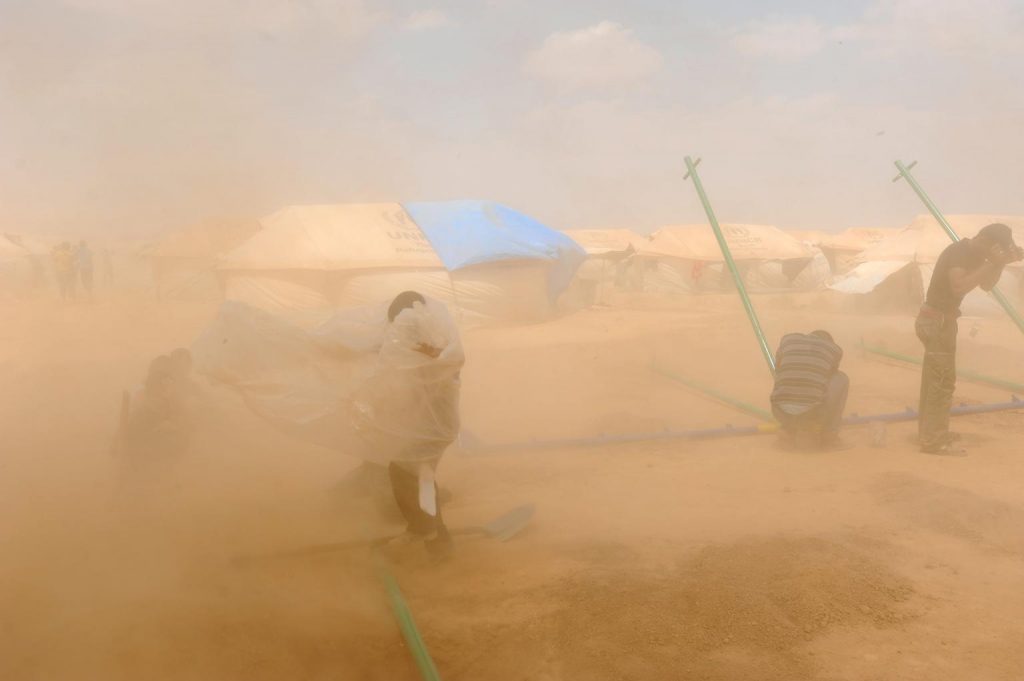
Sand and dust storms are a global environmental problem that affects the health and livelihoods of millions of people across the world. These storms, which have increased in frequency, intensity and geographical range in recent decades, have an immense impact on the global economy, forcing airports and schools to close, interrupting supply chains, destroying crops and overwhelming hospitals. Fine particles of dust can travel thousands of miles on the back of these storms, which may also carry pathogen sand harmful substances, causing acute and chronic respiratory problems.
Dust storms also increase desertification,drought and soil salinity while reducing water supplies and impeding renewable energy sources. Dust storms can also be triggered and exacerbated by climate change, drought, land degradation and un-sustainable management of land and water resources.
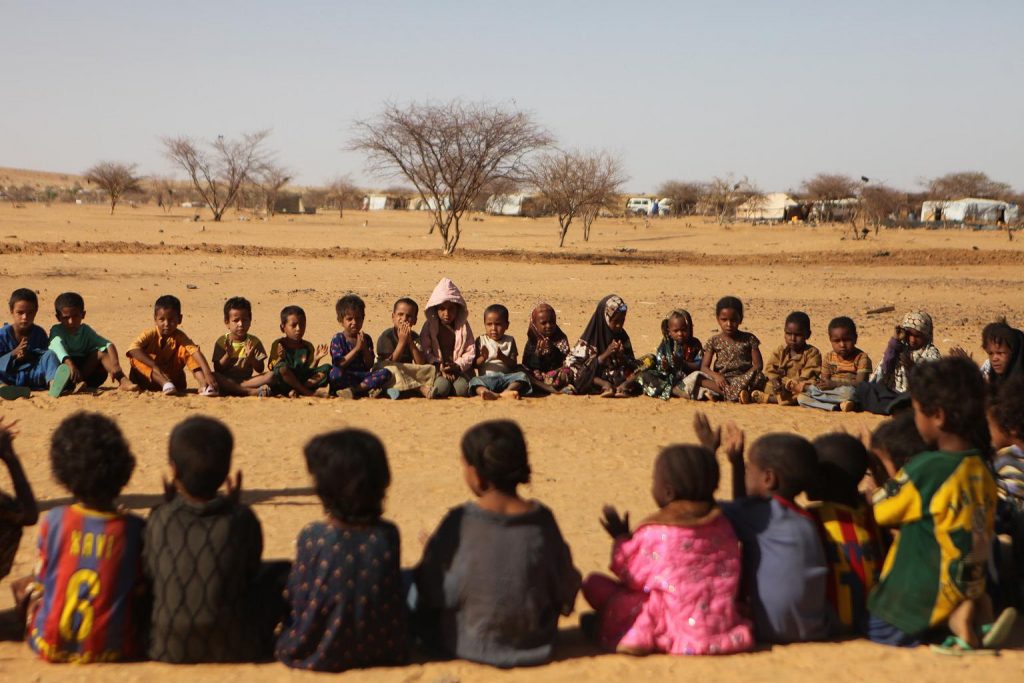
Analysis of the academic discourse on participation, empowerment, and the right to health since the 1978 Alma-Ata International Conference on Primary Health Care and the subsequent Alma-Ata Declaration shows that each phase of the evolution of these concepts added important new aspects to the discussion. This article focuses on three crucial issues that relate to these additions: the importance of social class when analyzing the essentials of community participation, the pivotal role of power highlighted in the discussion on empowerment, and the role of the state, which refers to the concepts of claim holders and duty bearers included in a rights-based approach to health.
The authors compare these literature findings with their own experiences over the past 20 years in the Philippines, Palestine, and Cuba, and they offer some lessons learned. The concept of “health through people’s empowerment” is proposed to identify and describe the core aspects of participation and empowerment from a human rights perspective and to put forward common strategies.
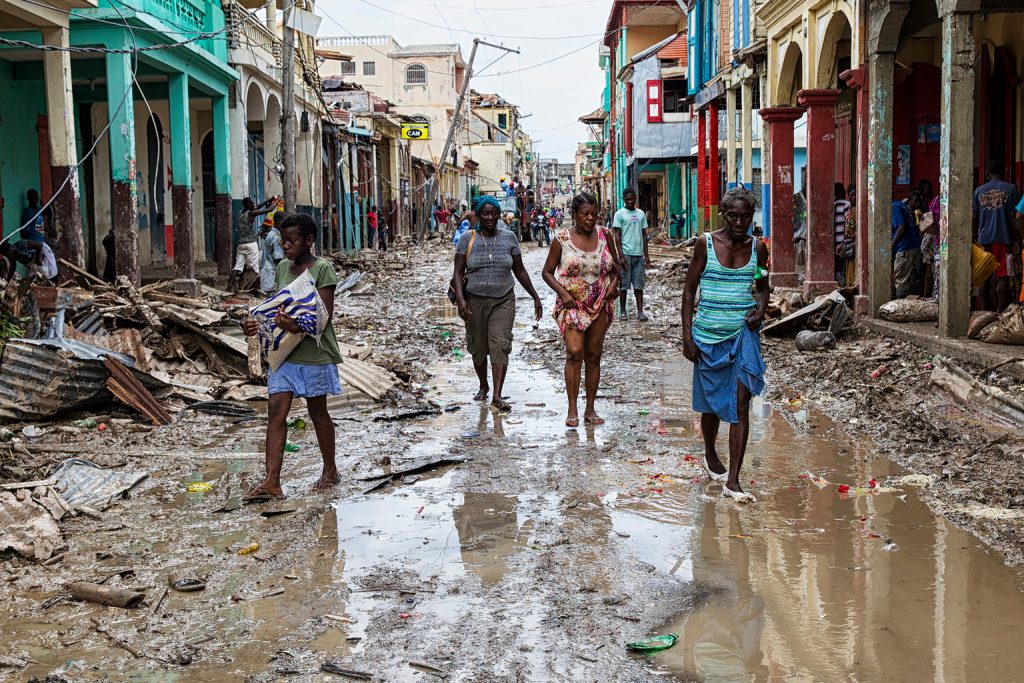
This article provides results from an online survey of humanitarian workers and volunteers that was conducted in May and June 2010. The purpose of the survey was to understand how the humanitarian aid system adopts or incorporates human rights into its post-natural disaster work and metrics. Data collected from Haiti suggest that humanitarians have embraced a rights-based approach but that they do not agree about how this is defined or about what standards and indicators can be considered rights-based. This disagreement may reveal that humanitarians are aware of a mismatch between the rights-based approach to post-disaster humanitarian work and the legal framework of human rights.
Using participation and accountability as examples, this article identifies and examines this mismatch and suggests that the humanitarian aid system should more fully embrace engagement with the human rights framework. To do so, the article concludes,
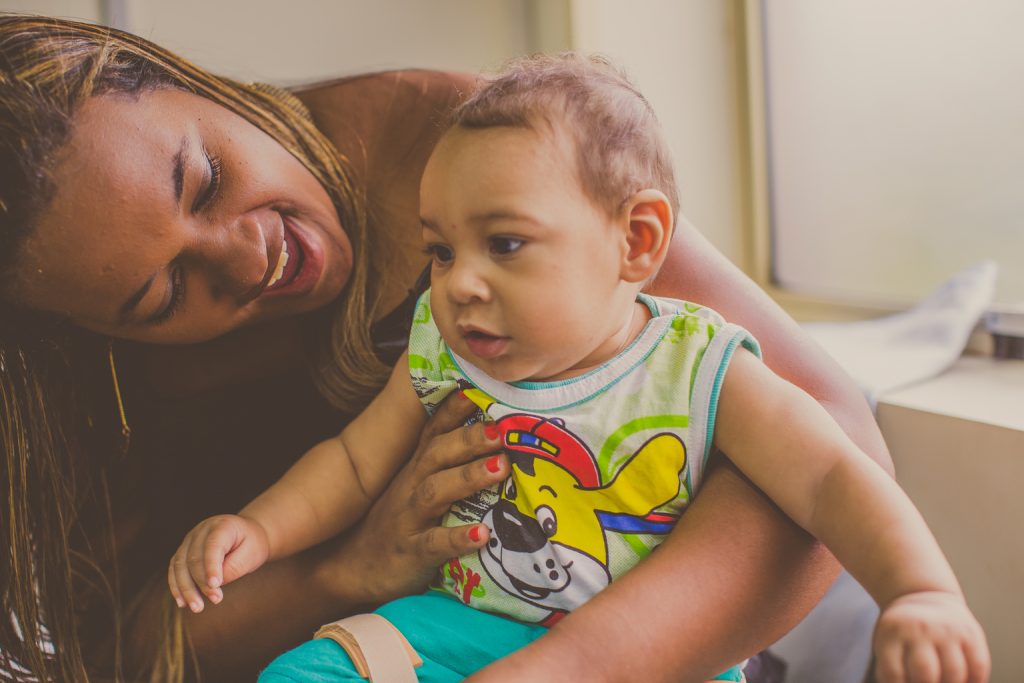
Like other mosquito-borne viruses, Zika thrives in areas with substandard sanitation and infrastructure—which are directly linked to state failures to ensure the basic human right to an adequate standard of living. Until recently, the Zika virus was thought to be relatively harmless, usually only causing mild symptoms.
But in October 2015, Brazil reported a concurrent increase in the number of babies born with unusually small heads, a condition known as microcephaly. Almost immediately, governments and public health officials began to ask women to delay their pregnancies, seemingly without considering the ethical or practical implications of such advice, and with hardly any effort to bolster sexual and reproductive health policies and services.
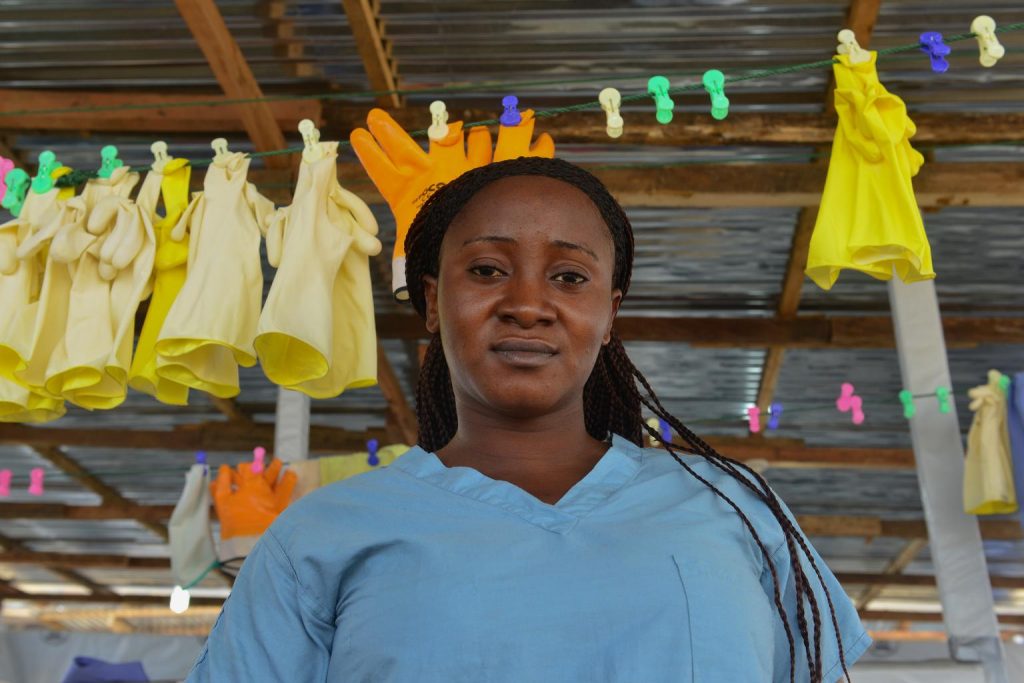
Ebola demonstrates the critical link between health and human rights, the lack of governance, and the misdirection that befalls the international community in addressing such outbreaks. Human rights experts agree that the Ebola response falls into Lawrence Gostin’s paradigm whereby “the perception persists that disease threats originate in the global South, requiring international law to prevent their spread to affluent regions.”
In the case of Ebola, it becomes painfully clear that such perceptions apply given that six months separated the Centers for Disease Control’s recognition of the outbreak in March and the call for international mobilization by President Obama in mid-September.
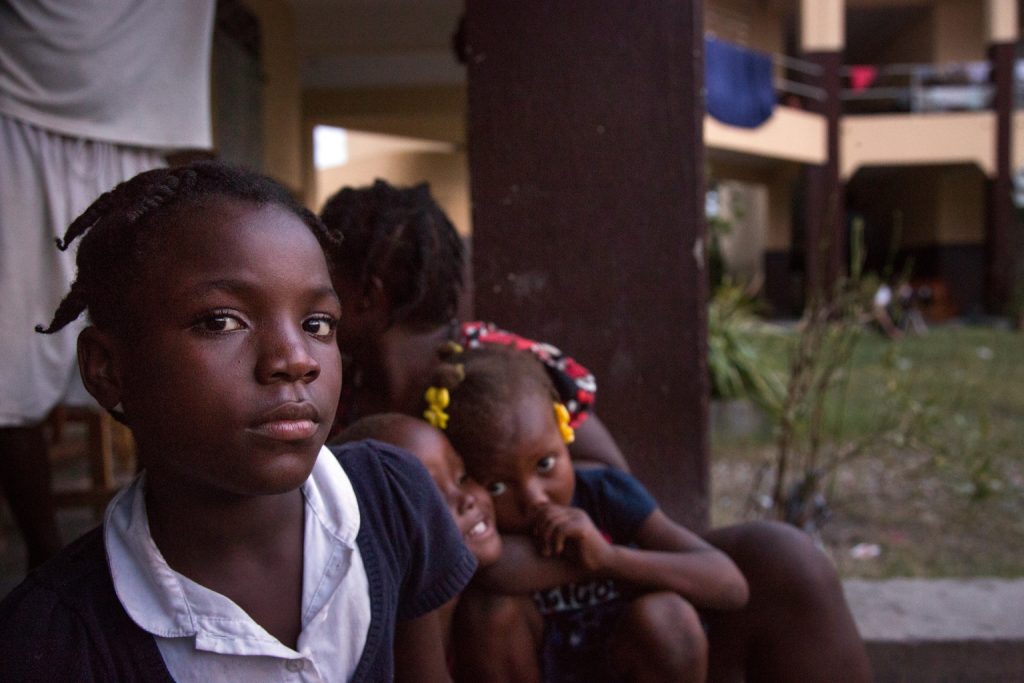
Climate change prompts increased urbanization and vulnerability to natural hazards. Urbanization processes are relevant to a right to health analysis of natural hazards because they can exacerbate pre-disaster inequalities that create vulnerability. The 2010 earthquake in Port-au-Prince and the 2005 hurricane in New Orleans provide vivid illustrations of the relationship between spatial inequality and the threats associated with natural hazards.
The link between urbanization processes, spatial inequality, and vulnerability to natural hazards is important in terms of an analysis of the right to health; in particular, it provides a basis for arguing that states should prioritize equitable land use and development as a matter of human rights. This article draws on work by geographers, disaster specialists, and international legal scholars to argue that inequitable urbanization processes violate the obligations to respect, protect, and fulfill the human right to health in disaster-prone regions.
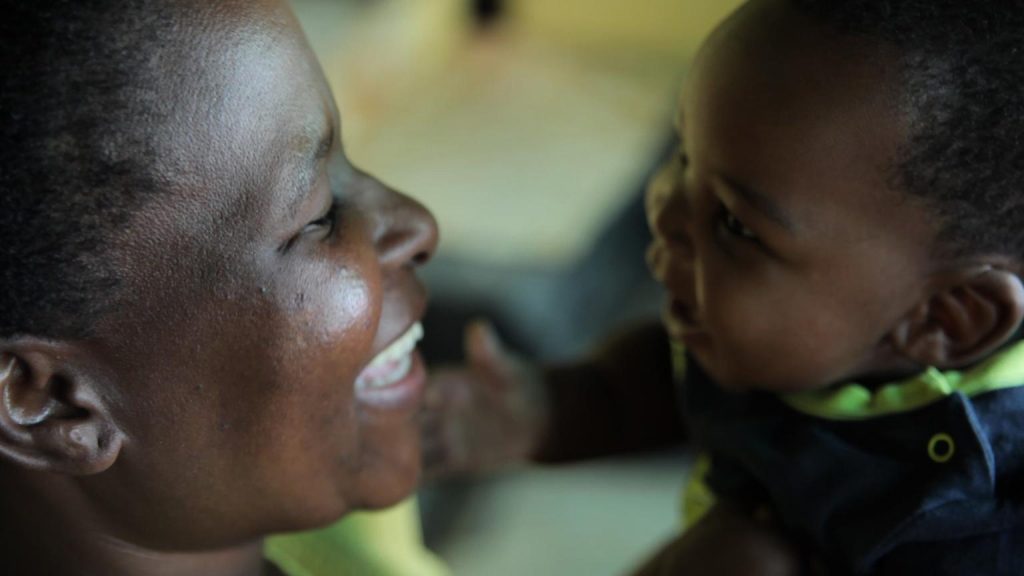
Despite expanding policy commitments in many poor countries, health care is often a failure at the point of delivery. Lack of information, poor enforcement, and power dynamics prevent those whose rights have been violated from pursuing redress. In Mozambique, grassroots health advocates work to address this gap between policy and reality by blending approaches known as legal empowerment and social accountability. They raise awareness of health policy, support clients to seek redress for grievances, and facilitate problem-solving dialogues between communities and health facility staff. In three years we have seen communities begin to overcome a culture of silence. Twenty-one advocates and their clients have achieved redress to over a thousand grievances across 27 health facilities.
These cases have resulted in improvements to access, infrastructure, and provider performance. Advocates have supported village health committees to transform themselves from collections of names on a list into active agents for change.
Dr. Francisco Songane was Mozambique’s minister of health from 2000 to 2004. During his tenure, he oversaw the introduction of innovative strategies to tackle malaria and hepatitis B. In addition to ensuring the inclusion of HIV treatment in the public health system, he helped galvanize community partnerships and addressed rural and urban inequalities, resulting in reductions in maternal and neonatal mortality.Since 2004, Dr. Songane has held prominent roles in the field of women’s and children’s health.
As director of the Partnership for Maternal, Newborn and Child Health (PMNCH), Dr. Songane spearheaded the adoption of a resolution by the United Nations (UN) Human Rights Council on preventable maternal mortality, as well as the subsequent development of technical guidance, putting this issue high on the agenda of both health and human rights bodies. He has also been a board and executive committee member of Gavi,
Two decades of work delivering health care in poor communities provide a standpoint from which to challenge conventional doctrines in human rights and public health. These orthodoxies include the priority often assigned to civil and political rights over economic and social rights and a narrow concept of cost-effectiveness in public health policy. An analysis based on economic and social rights underscores, for example, that effectively treating infectious diseases in poor communities requires ensuring that people receive adequate food. The challenge of maternal mortality in low-income settings similarly shows the need for an approach to rights that is simultaneously comprehensive and pragmatic.
In many settings, paying community health workers for their efforts on behalf of their neighbours can also be seen as a critical strategy to realise rights. Across contexts, the yield on the expanded and pragmatic view of health and human rights adumbrated here may be considerable.
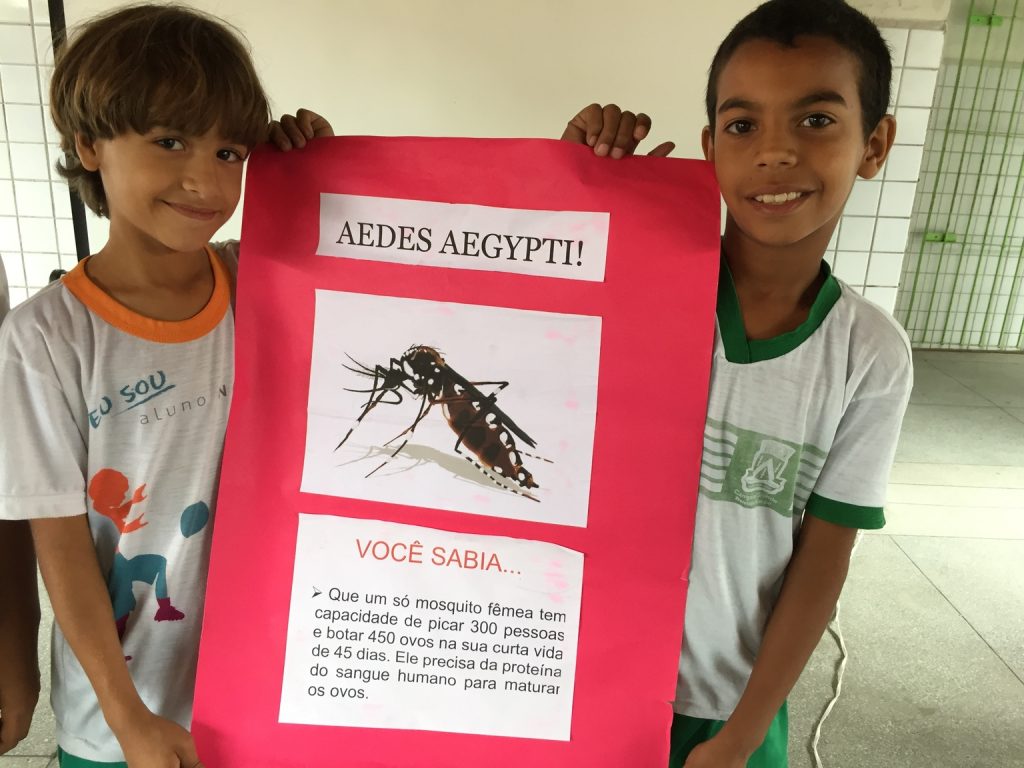
Climate change should be viewed fundamentally as an issue of global justice. Understanding the complex interplay of climatic and socioeconomic trends is imperative to protect human health and lessen the burden of diseases such as dengue fever. Dengue fever is rapidly expanding globally. Temperature, rainfall, and frequency of natural disasters, as well as non-climatic trends involving population growth and migration, urbanization, and international trade and travel, are expected to increase the prevalence of mosquito breeding sites, mosquito survival, the speed of mosquito reproduction, the speed of viral incubation, the distribution of dengue virus and its vectors, human migration patterns towards urban areas, and displacement after natural disasters. The burden of dengue disproportionately affects the poor due to increased environmental risk and decreased health care.
Mobilization of social institutions is needed to improve the structural inequalities of poverty that predispose the poor to increased dengue fever infection and worse outcomes.
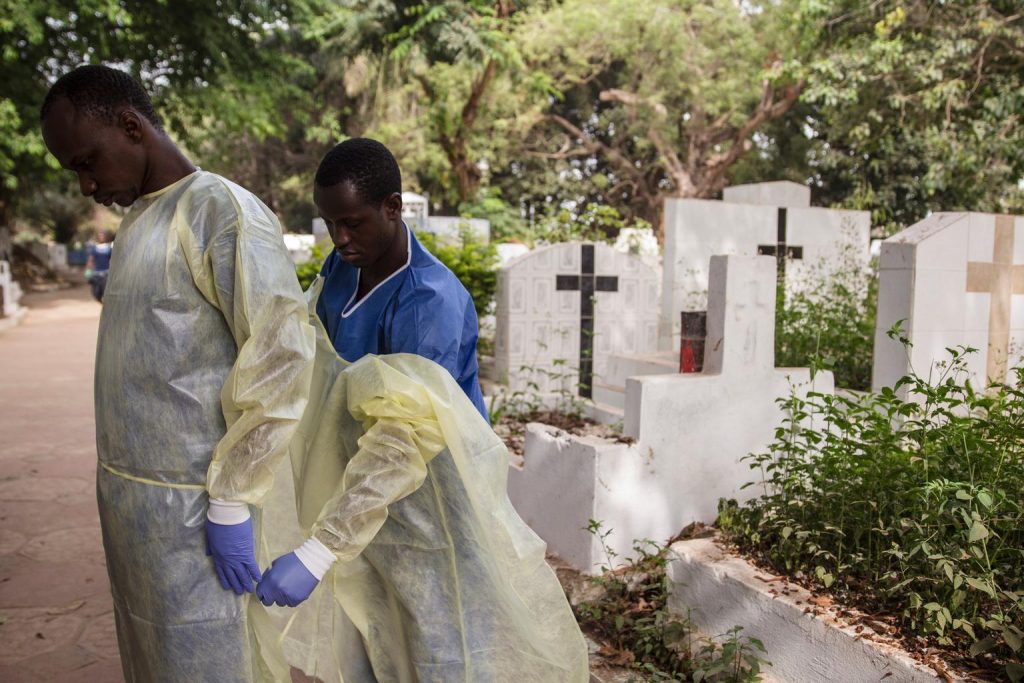
Despite more than 25 documented outbreaks of Ebola since 1976, our understanding of the disease is limited, in particular the social, political, ecological, and economic forces that promote (or limit) its spread.In the following study, we seek to provide new ways of understanding the 2013-2016 Ebola pandemic. We use the term, ‘pandemic,’ instead of ‘epidemic,’ so as not to elide the global forces that shape every localized outbreak of infectious disease.
By situating life histories via a biosocial approach, the forces promoting or retarding Ebola transmission come into sharper focus.We conclude that biomedical and culturalist claims of causality have helped obscure the role of human rights failings (colonial legacies, structural adjustment, exploitative mining companies, enabled civil war, rural poverty, and the near absence of quality health care to name but a few) in the genesis of the 2013-16 pandemic. From early 20th century smallpox and influenza outbreaks to 21st century Ebola,

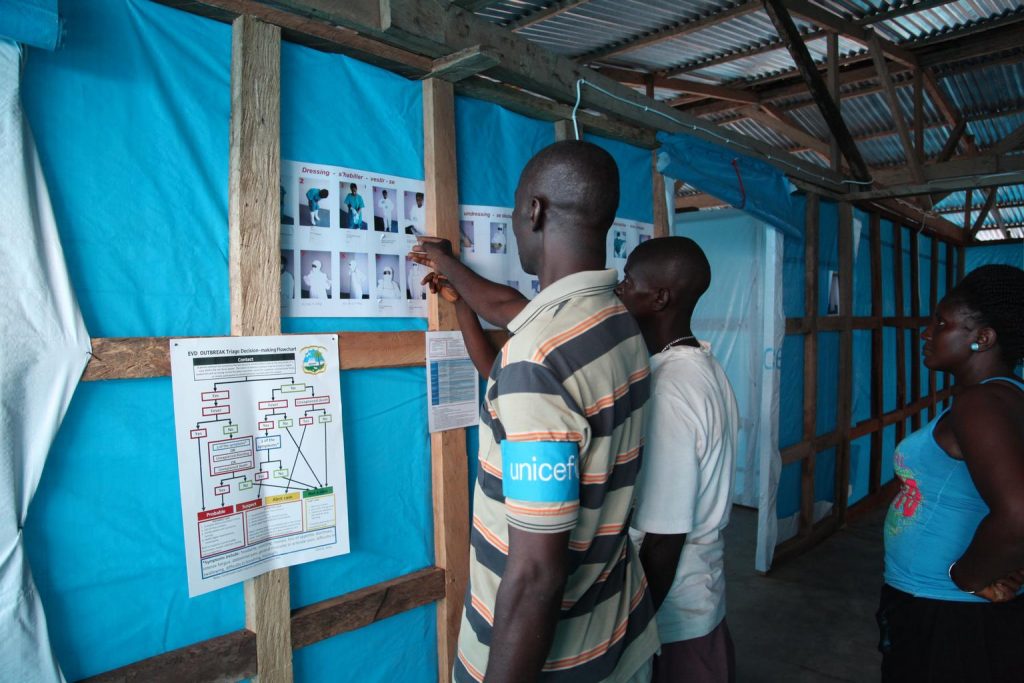
The Ebola response in Sierra Leone, Liberia and Guinea demonstrated that community engagement is critical in responding to epidemics. This was not always a guiding principle in the fight against Ebola, which initially prioritized biomedical and militarized responses. Working in partnership with communities – providing space to listen and acknowledge distinct needs – only came later in the response. Incorporating communities in different aspects of the response was partly hampered by the inflexibility of some agencies, which wanted to promote a perfect model for community engagement.
Arguably, these tended to overlook the diversity within communities, and did not respond to the realities of Ebola’s spread.During an inter-agency social mobilization workshop organized by Oxfam in September 2015, a group of practitioners and technical experts agreed that it would be best to explore diverse models of community empowerment and action that adhered to specific key principles rather than promote a fixed ‘one size fits…
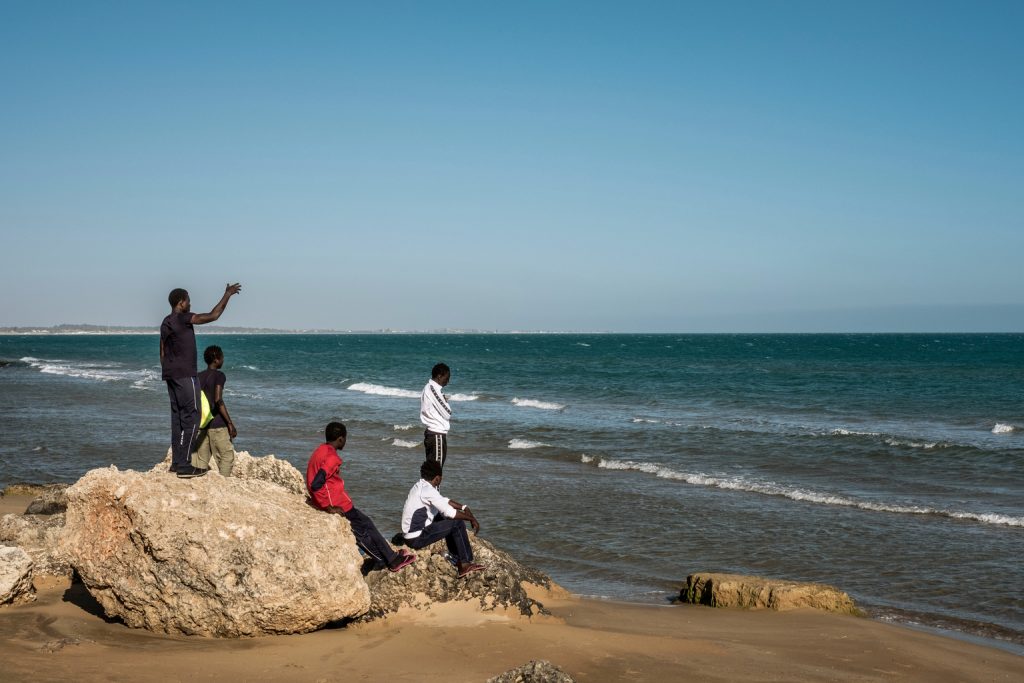
The principle aim of this research was to investigate the roles of gender and religion in child-centred disaster risk reduction (DRR). Moreover, and through participatory research, informal conversations and direct advocacy, the project team hoped to build knowledge and awareness of child-centred DRR.
The research was also designed tov alidate findings from previous research by the wider project team and to provide a body of empirical evidence in support of child-centred DRR and the Children in a Changing Climate programme.
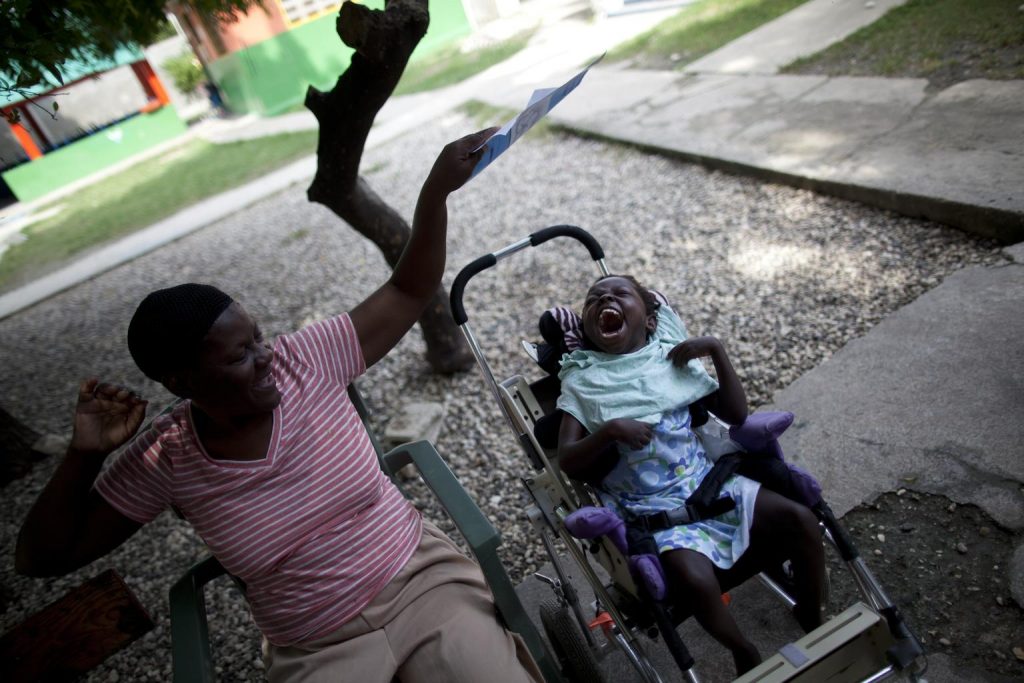
Natural disasters and disasters that directly derive from human actions, both evolving and sudden, trace the structural fault lines of the societies that they affect. Disaster outcomes disproportionately impact those with the least access to social and material resources: women and children, and people who are elderly, disabled or impoverished.
Using a disability conceptual framework,the essays in this volume focus on disasters within their social and environmental ecologies, with particular attention to the ways in which conventional disaster planning and responses ensure that existing social inequalities will be perpetuated as consequences of disasters. We argue that by foregrounding the needs of those with the fewest resources, an applied anthropology of disaster points to potential benefits to all when disaster preparedness, response, and recovery plans include the expertise of disabled people.