This study contributes to what is currently known about the experiences of girls in fighting forces as distinct from those of boys. It is meant to assist policymakers in developing policies and programs to help protect and empower girls in situations of armed conflict and postwar reconstruction. Within the context of Northern Uganda, Sierra Leone and Mozambique girls in the fighting forces have suffered major human rights violations, especially gender-based violence. The rights of these girls are under threat from their own governments, armed opposition forces, and, occasionally, by members of their communities and families. At times, girls are discriminated against by local groups and officials, governments and international bodies that are unwilling to recognise their presence, needs and rights during conflict, post-conflict, demobilisation and social reintegration.
Yet, within the fighting forces, girls carry out a number of diverse roles, including as fighters.
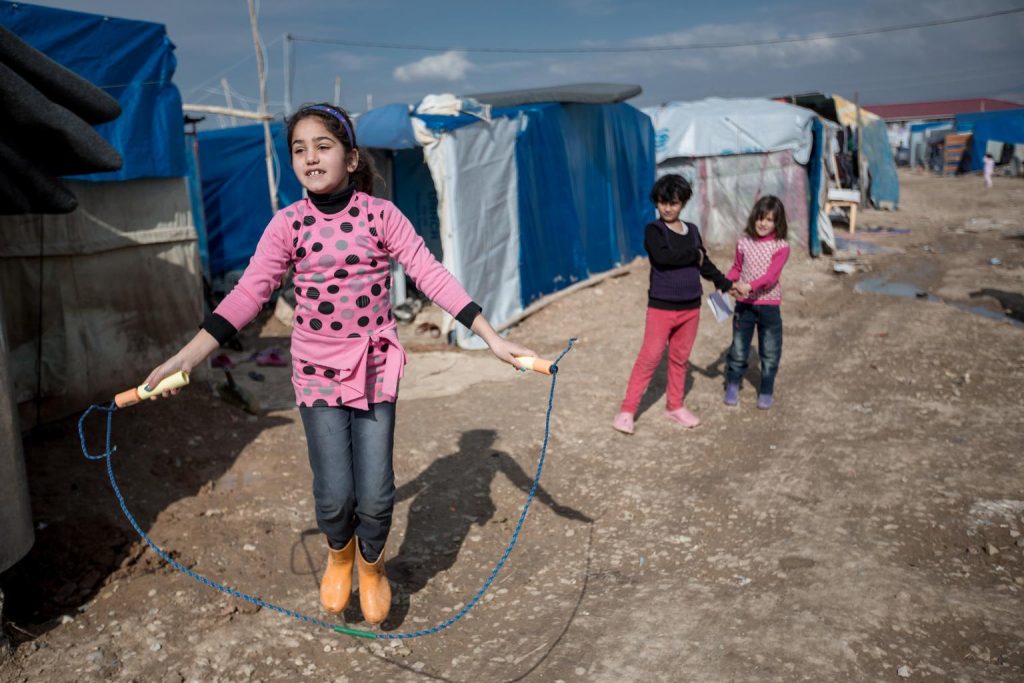
This document highlights on issues of Peace Recovery Development Plan (PRDP) and health service delivery in northern Uganda.The report reviews an assessment surrounding the recent influx of asylum seekers and refugees from South Sudan to Uganda and summarises its key findings as follows:rivalry over control of natural resources stands out as one of the major causes of the conflict in South Sudan South Sudan inter-tribal conflicts and the resultant influx of Sudanese to the host communities had varied impact on the host communities across the different sectors the divergence in culture and language as a practice and value between the host communities and the South Sudanese nationals tended to provide a repertoire through which each group responded or acted against each other with the high influx of the South Sudanese, the health sector has been undesirably impacted. In this sense, the paper notes that the region has been ‘cursed’ by serious,
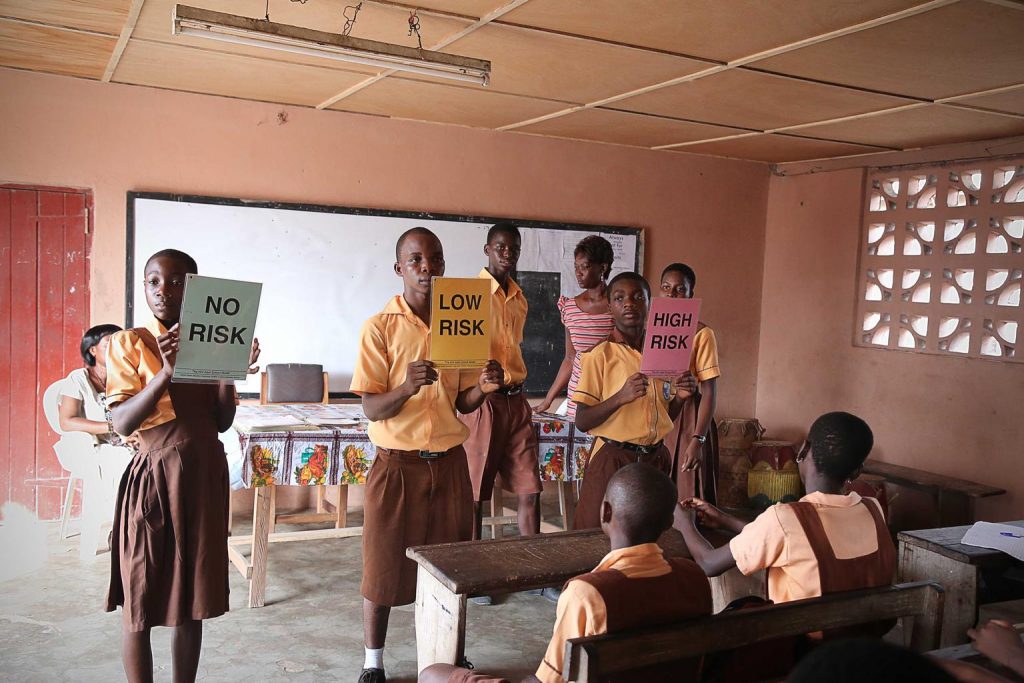
HIV and AIDS remains a starkly gendered epidemic in the African region. Sub-Saharan Africans represent 68 percent of HIV+ people globally, with an average of 13 women infected for every 10 men. While men as a group have lower prevalence rates than women, local studies have also shown that amongst men, men who have sex with men (MSM) face greater vulnerability to HIV infection than heterosexual men. These gendered realities make it imperative to analyse and contest the influence of sexist and homophobic fundamentalist actors on policy and popular discourse across Africa. Drawing on interviews with African and international HIV and AIDS activists, women’s rights activists, and academic and policy research, this case study explores the agendas, strategies, and influence of Christian fundamentalist actors in HIV and AIDS responses in the African region.
It examines how Christian fundamentalist engagement in the HIV and AIDS sector has supported the moralistic patriarchal discourses around sexuality,
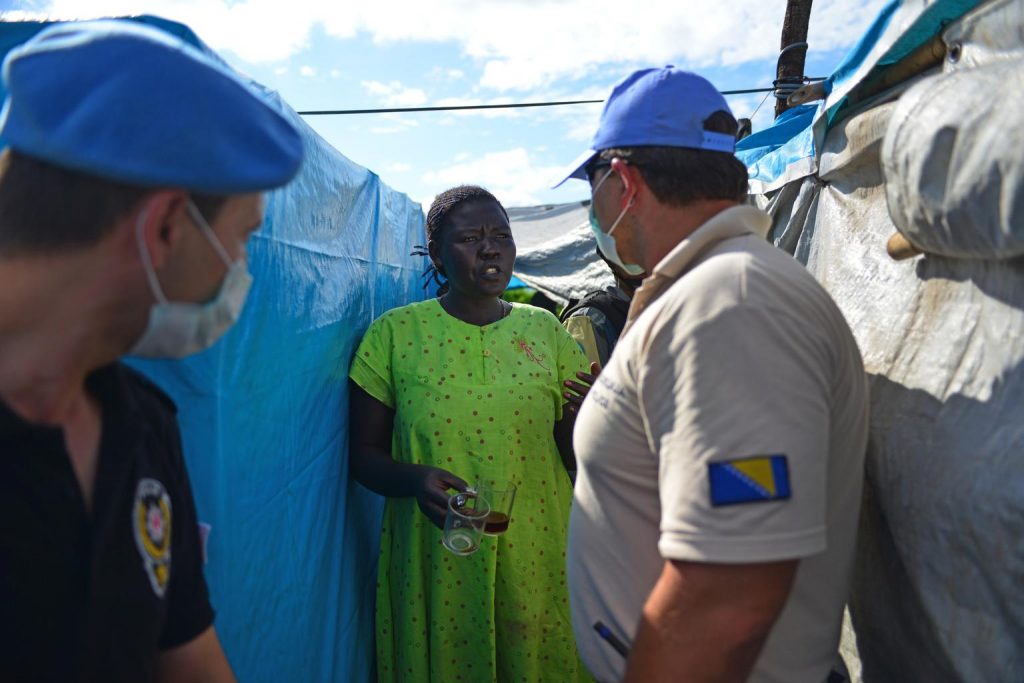
Intorductory article to edition of International Peacekeeping which explores HIV/AIDS in post-conflict societies in Africa. It assesses the key aspects of these societies that contribute towards the spread and impact of the epidemic, such as poorly functioning national health systems, marginalisation of vulnerable mobile populations, and rigidified gender norms.
It also explores practical approaches to addressing these and other challenges, and innovative means of responding to HIV/AIDS during the periods of opportunity that post-conflict settings provide.
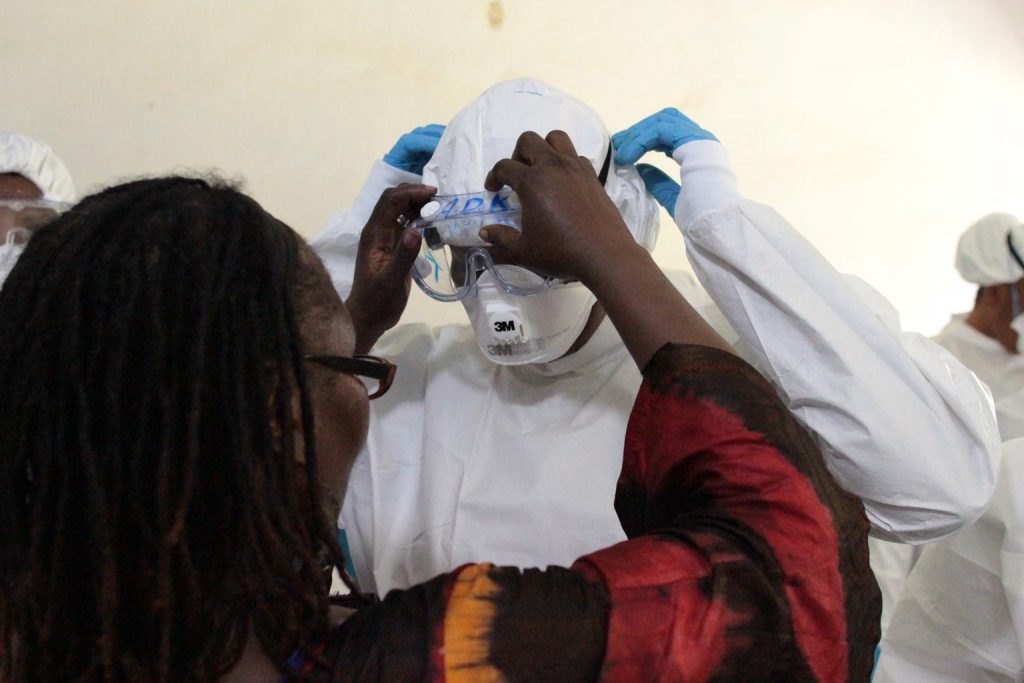
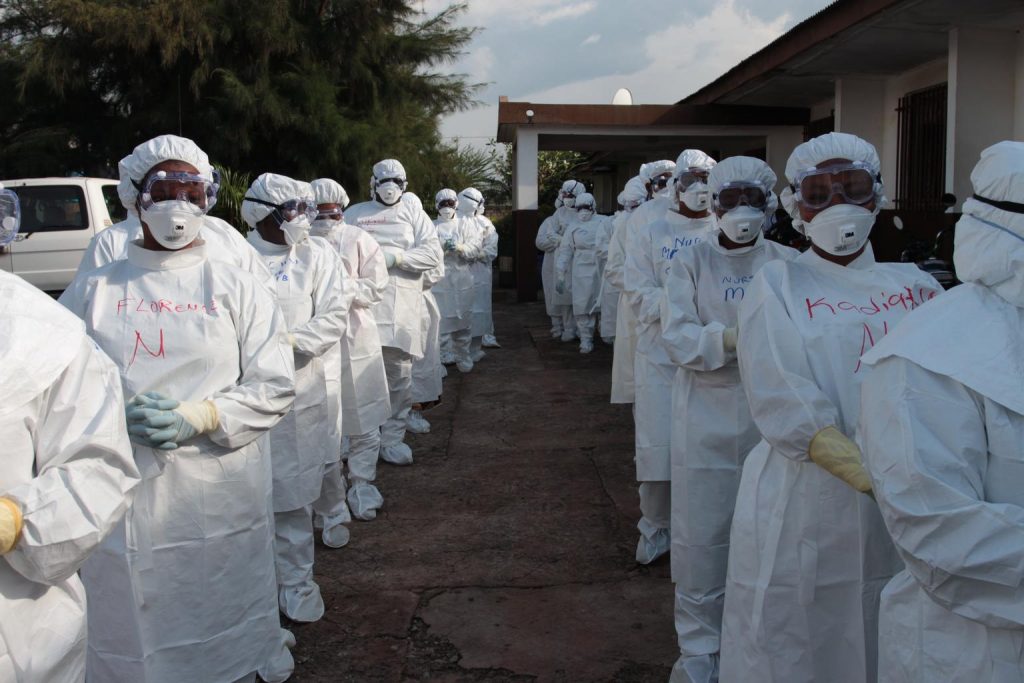
The 2014 Ebola crisis in West Africa is a global emergency and a set of personal tragedies. But beyond the urgent headlines and struggles to control the epidemic, what deeper stories should be told?
This paper, originally presented as a Sussex Development Lecture, asks how the Ebola crisis might offer a lens to reflect on interlaced challenges around curbing inequalities, accelerating sustainability, and building inclusive, secure societies, and why these matter so much. And it discusses why addressing these interactions must become central to a renewed vision of development for all.
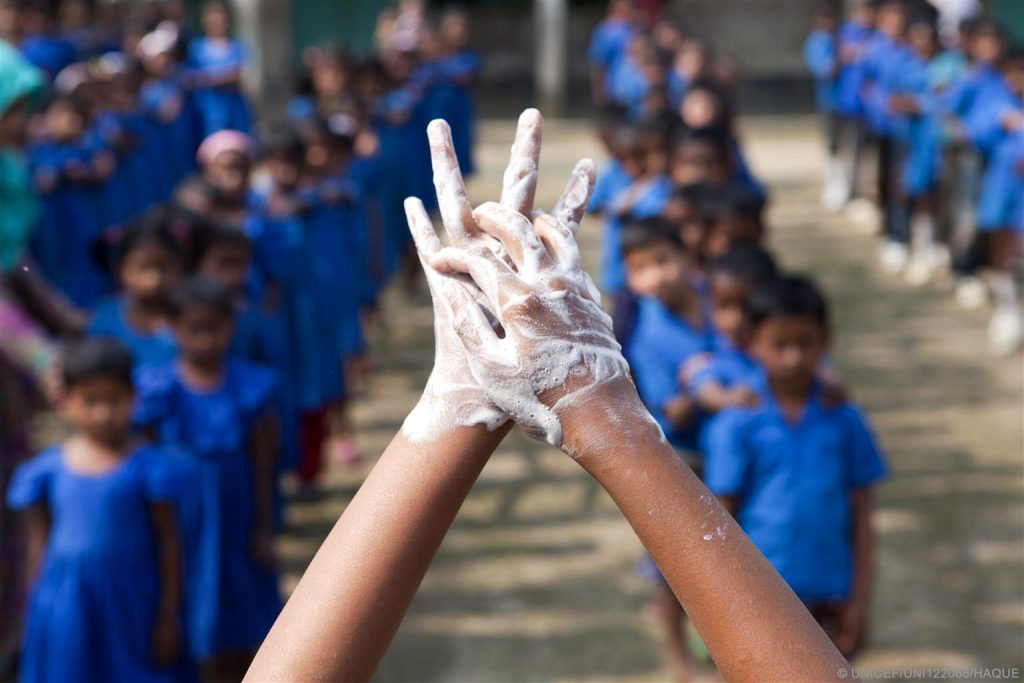
In the last two decades few countries have experienced a more protracted emergency than Somalia. Absence of a functioning central government and the ongoing conflict have led to a lack of access to basic social services, resulting in the country falling amongst the highest child and maternal mortality rates in the world. This learning paper by the Regional Emergency Cluster Advisor (RECA) project captures the experience of the Somalia WASH Cluster and draws lessons on how an effective knowledge management system can be developed and implemented.
The paper aims to provide an example framework of a successful knowledge management system that can be adapted by other national WASH Clusters to support a predictable, effective, timely and coherent WASH emergency preparedness and response. The paper concludes that practical knowledge management provides information, support and clarity to field level WASH practitioners, and enhances the impact and effectiveness of humanitarian response.
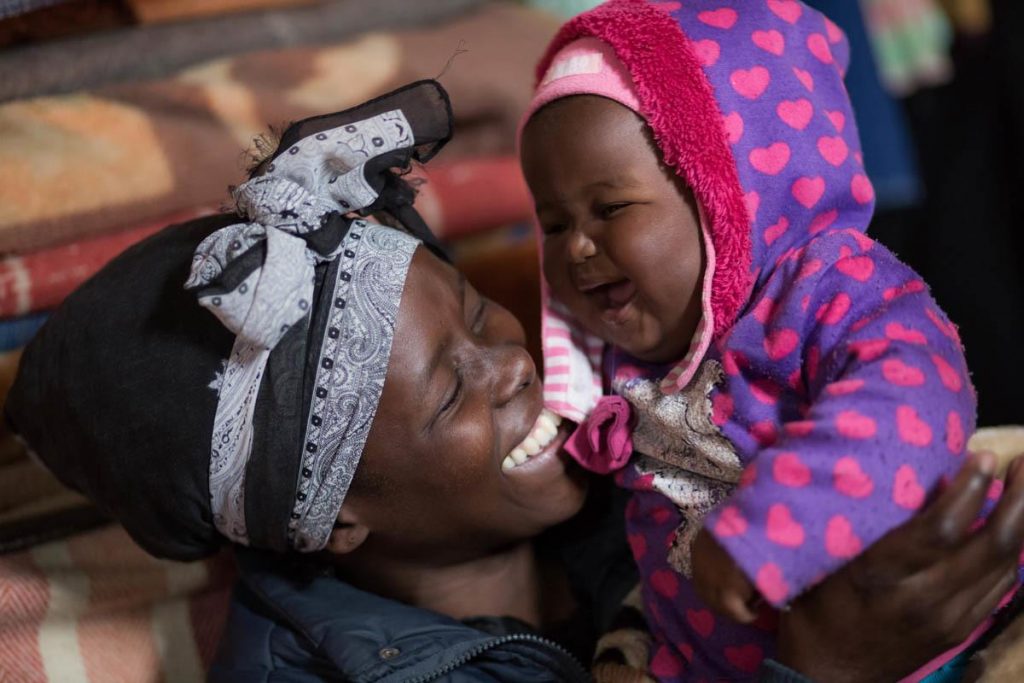
Key populations, specifically people who sell sex (PWSS), people who inject drugs (PWID) and lesbian, and gay, bisexual, transgender and intersex (LGBTI) people experience significant human rights violations which underpin the continued high HIV incidence in these populations.This rapid assessment of human rights violations in Eastern and Southern Africa focuses on three priority key populations – PWSS, LGBTI (including MSM), and PWID. The report outlines the normative international treaties that establish a basis for a human rights framework for the HIV response, and explores the emerging evidence of how to promote and protect human rights of key populations and potential key entry points.
In its key findings, the report highlights that evidence from Eastern and Southern Africa suggests there is a large gap between state commitments to protection and promotion of human rights, as agreed to under numerous international and regional human rights treaties,
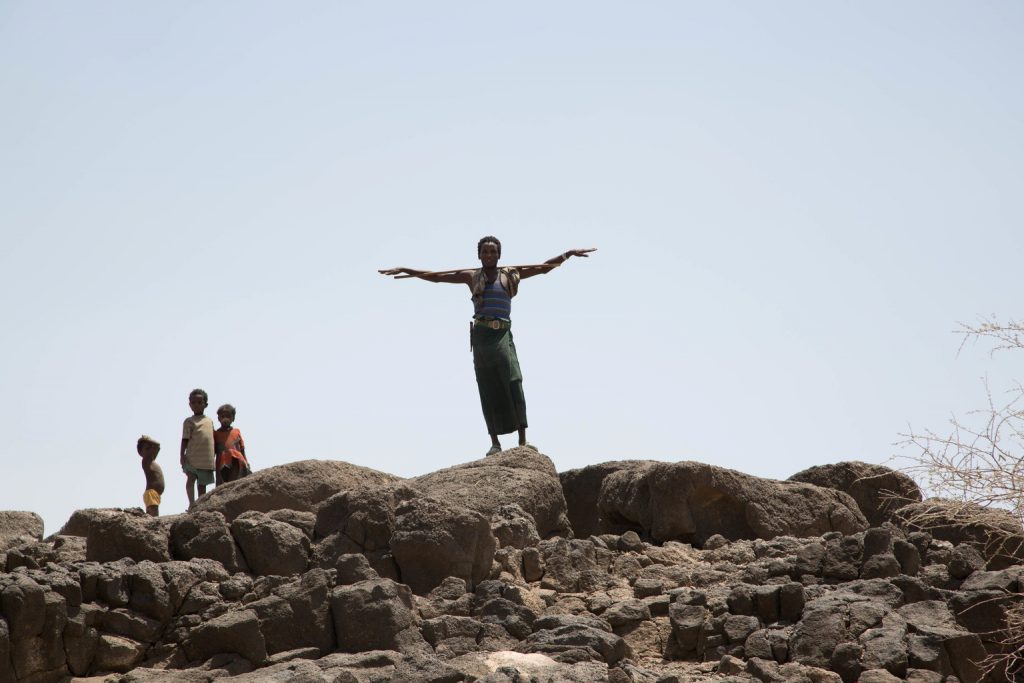
With 6.5 million people in need of humanitarian aid, this year’s El Nino–induced drought constitutes the largest humanitarian emergency that Malawi has ever confronted.
It also brings the second consecutive harvest failure to this small, landlocked country, which has yet to recover from last year’s severe flooding. Inadequate governance has amplified the negative impacts of both, compounding natural disasters with political and economic malfeasance.
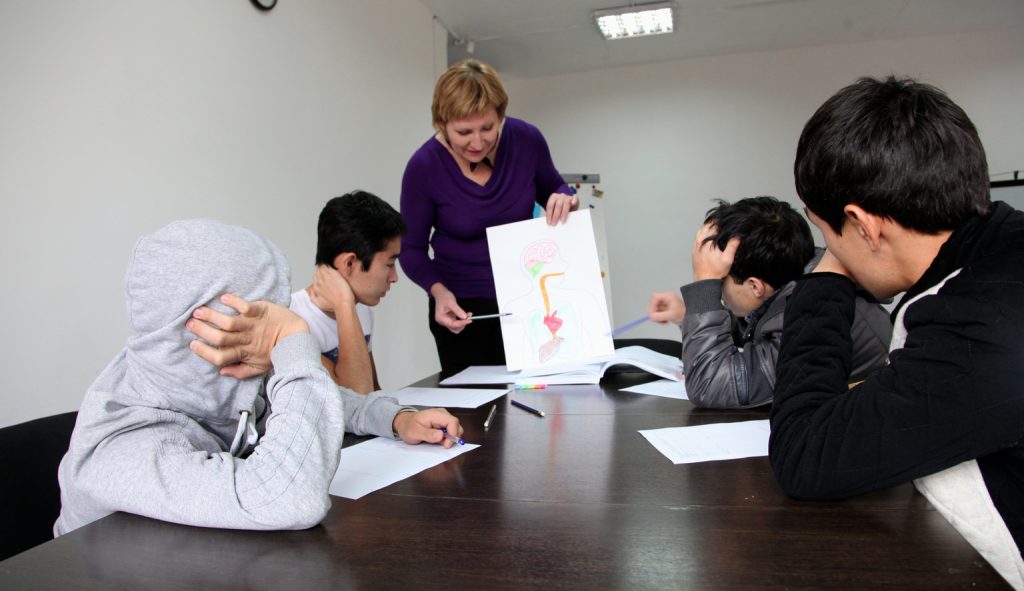
Communication has been a consistent current running through many major health developments of recent years. And yet, despite the demonstrated promise of communication as a tool for improving public health, not enough has been done to date to capitalise upon its potential, particularly in the poorest parts of the world. Through a careful review of the evidence, this briefing offers a spirited case for why donors, practitioners and developing country governments need to pay more attention to the role of communication in tackling global health.The briefing finds that: Communication has been central to public health developments from Ebola to polio and from HIV to child survival.
While health policy officials recognise the importance of health communication, it often remains poorly funded, under-utilised and badly planned in public health programmes. Even when it does prioritise communication, public health programming often fails to reflect best practice around the role of social and behaviour change communications (SBCC).Progress has been stymied by the complexity of social and behaviour change communication,
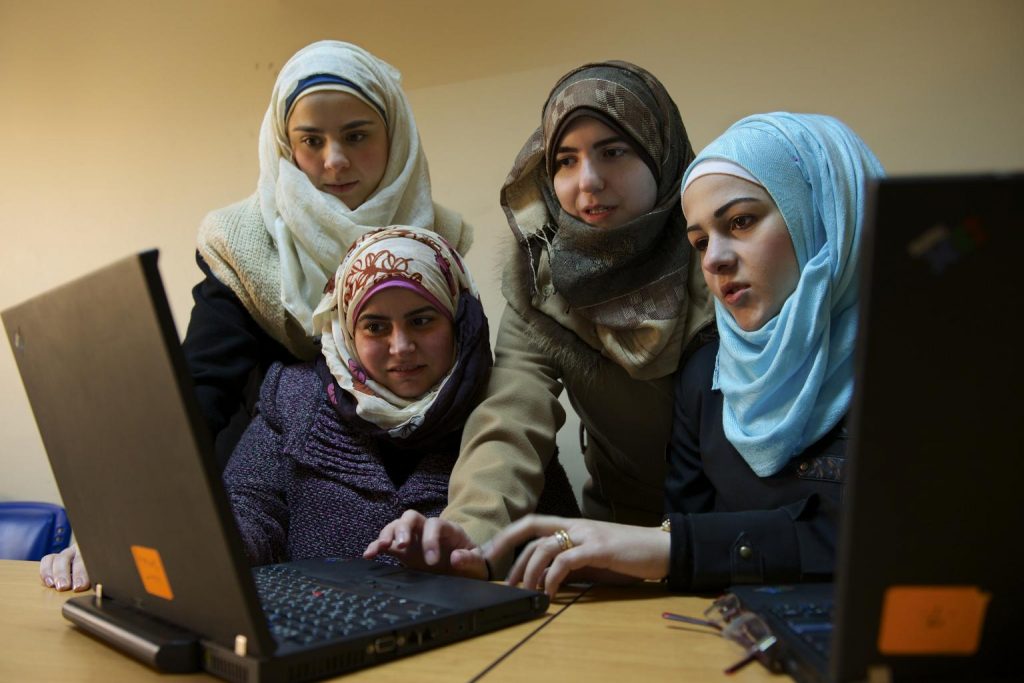
In 2008, a BBC World Service Trust policy briefing argued that people affected by earthquakes, floods or other emergencies often lacked the information they needed to survive and that this only added to their stress and anxiety. Left in the Dark: the unmet need for information in humanitarian emergencies maintained that humanitarian agencies were increasingly effective and coordinated in getting food, water, shelter and medical help to people affected by disasters, but were neglecting the need to get often life-saving information to them.
Unquestionably, the biggest single change in the communications sector since the 2008 Left in the Dark paper has been the explosion in access to communications technology among communities affected by disaster. As a result, this is the focus of this paper.
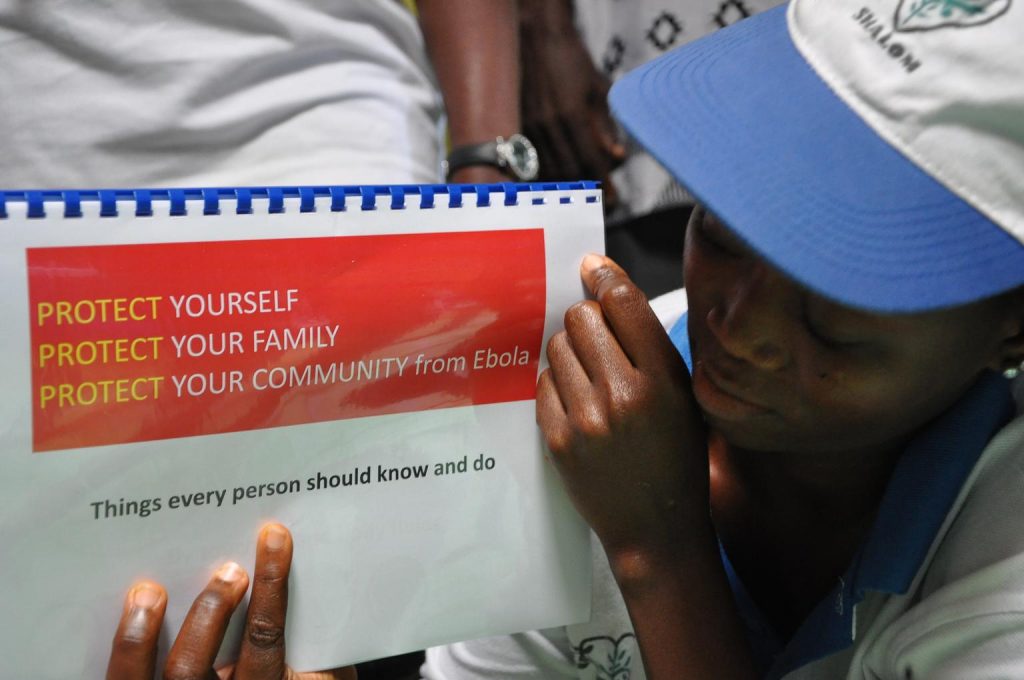
Failings during the early months of the Ebola outbreak caused the epidemic to become an unprecedented health crisis in West Africa. This cannot be repeated.
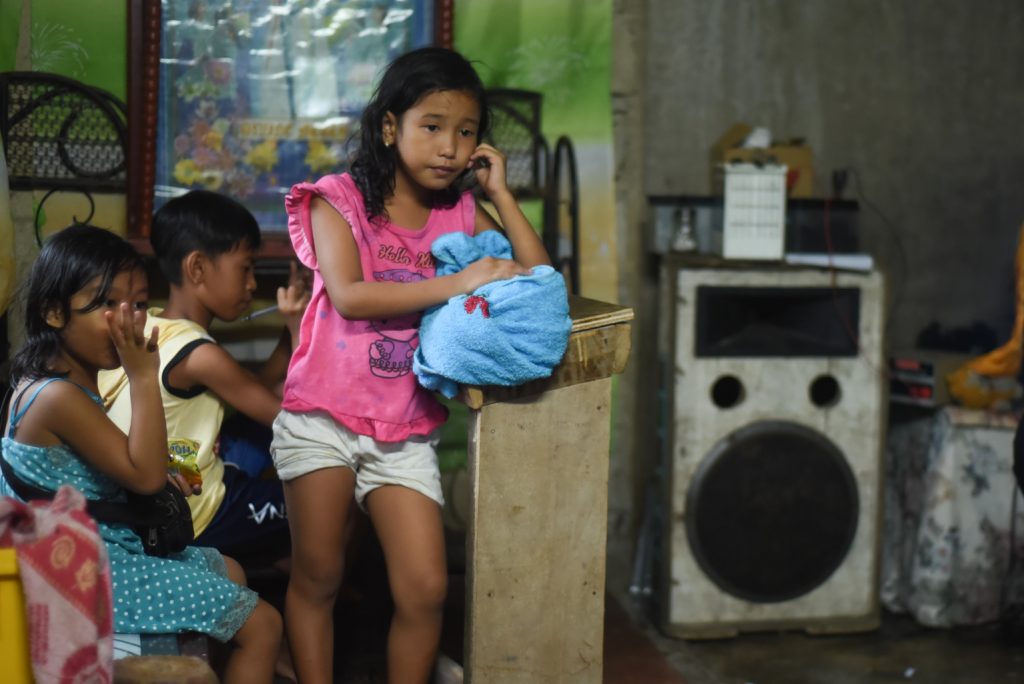
During the last decade, there has been a particular focus of research on the economic and social impact of conflict. The evidence that has emerged shows that armed conflict takes a heavy toll on development and the welfare of the population that are subject to such continued violence.
While this is not surprising at all, it can be extremely devastating. Understanding the causes and implications of this type of violence on the individual and communities will only enable us to lessen the negative impact.
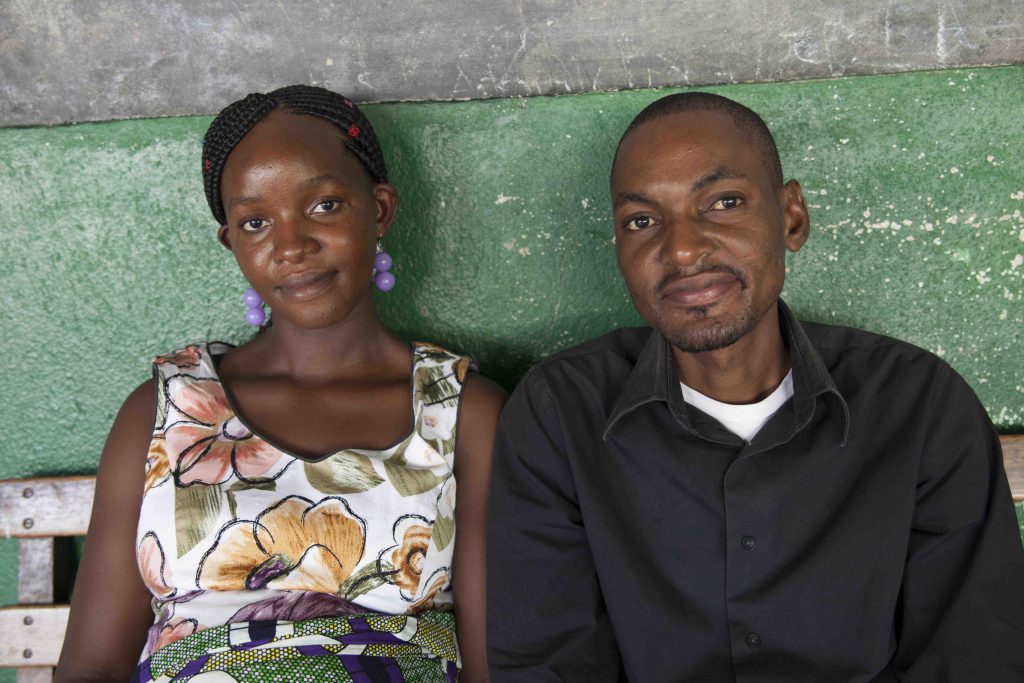
This blog relates to the Evidence Synthesis Research Award report and summary across health related research, from 122 research grants.
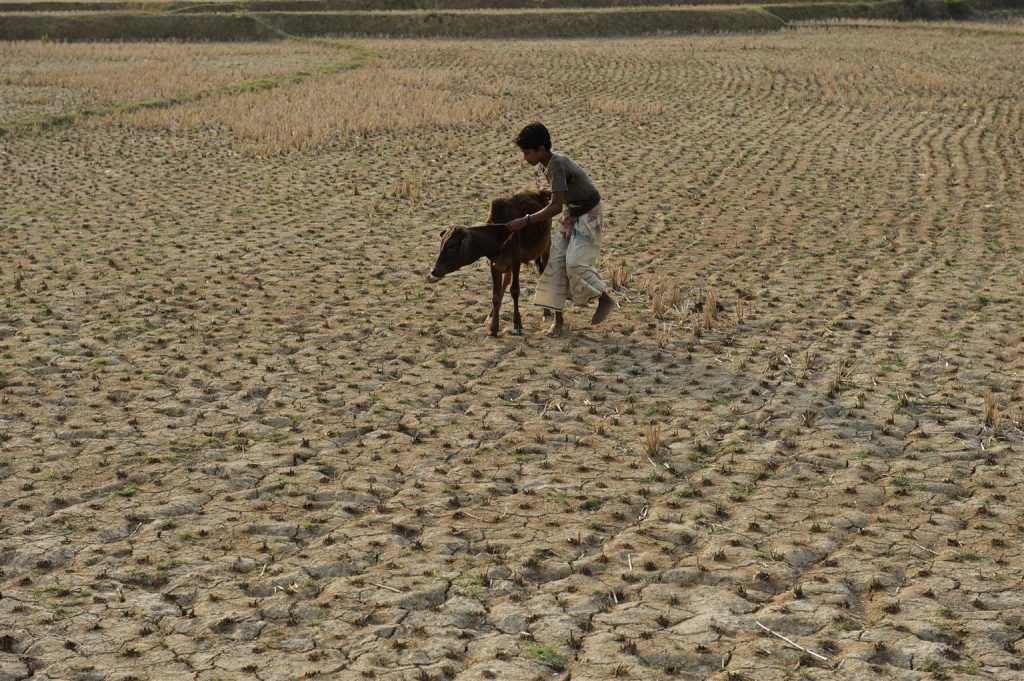
Andrew Seal and Rob Bailey discuss the limitations of data-driven humanitarian efforts, and the lessons learned from the 2011 Somalia famine.
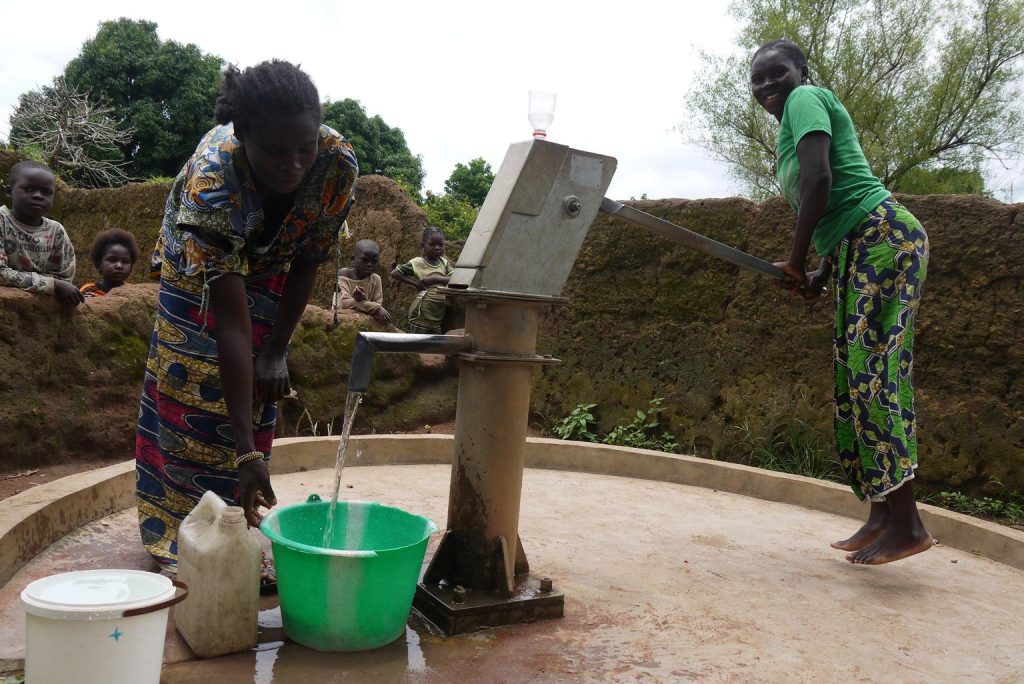
In a humanitarian crisis a population’s needs are great and many–for medical attention, shelter, safe water and adequate sanitation, food, and security. Disasters that occur in places that are already resource-poor and underserviced are more devastating than they might otherwise be.
The catastrophic January 12 earthquake in Haiti is currently in the spotlight, but other disasters, such as the 2008 earthquake in China, Hurricane Katrina and the northern Pakistan earthquake in 2005, and the Indian Ocean tsunami in 2004 also remain clear in recent memory.
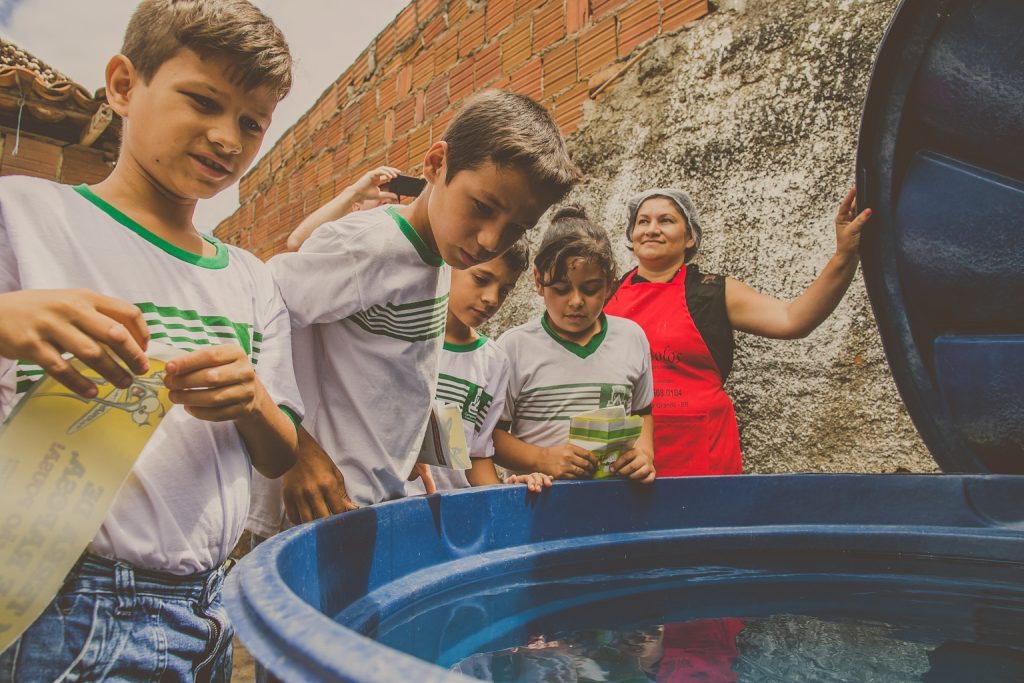
Estrella Lasry, Tropical Advisor to MSF, on measures taken by the organisation to predict and prevent malaria outbreaks in emergency situations.
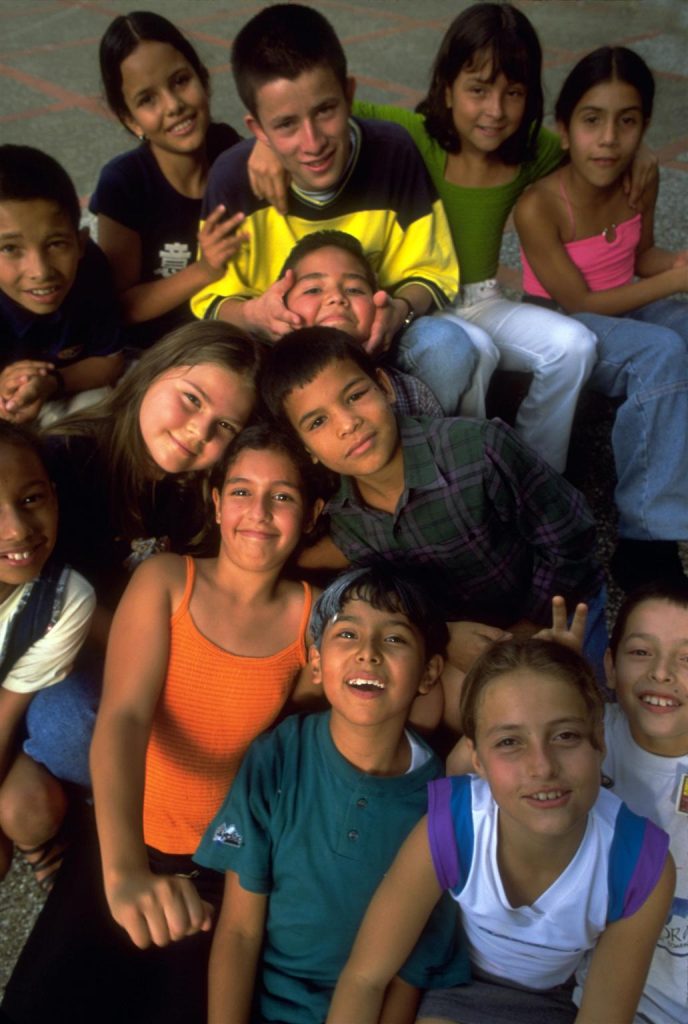
The fact that the Colombian armed conflict has continued for almost five decades there is still very little information on how it affects the mental health of civilians. Although it is well established in post-conflict populations that experience of organised violence has a negative impact on mental health, little research has been done on those living in active conflict zones. Médecins Sans Frontières provides mental health services in areas of active conflict in Colombia and using data from these services we aimed to establish which characteristics of the conflict are most associated with specific symptoms of mental ill health. An analysis of clinical data from patients (N = 6,353), 16 years and over, from 2010–2011, who consulted in the Colombian departments (equivalent to states) of Nariño, Cauca, Putumayo and Caquetá. Risk factors were grouped using a hierarchical cluster analysis and the clusters were included with demographic information as predictors in logistic regressions to discern which risk factor clusters best predicted specific symptoms.
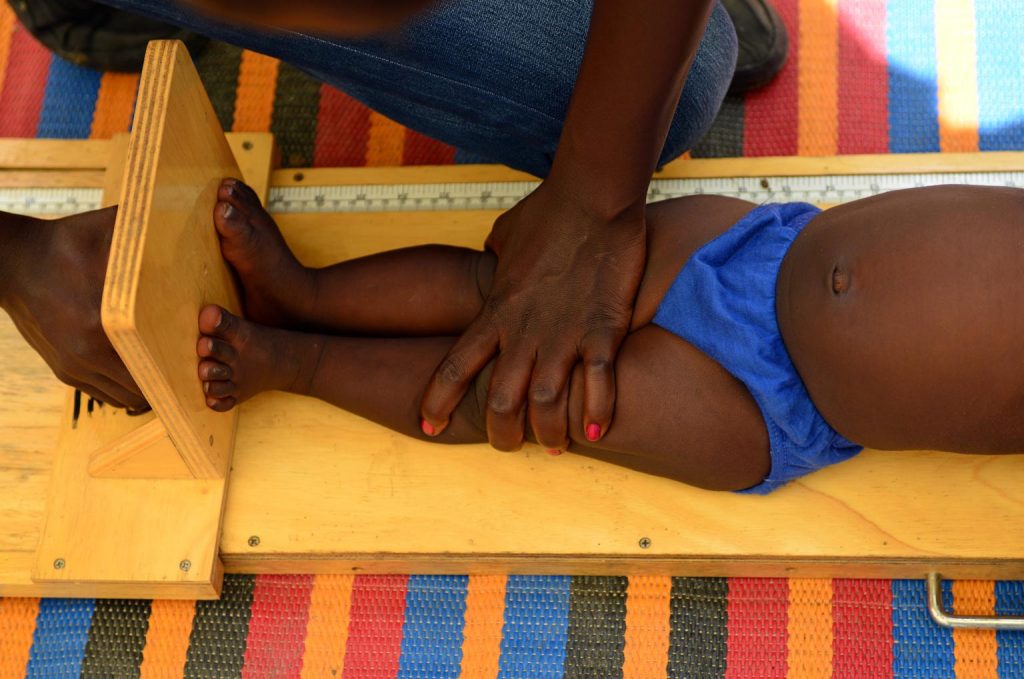
Access to essential medications, such as insulin, must be improved and the impact of NCD preventive activities and preparedness for crisis further addressed.
Although this seems an insurmountable task, the impressive progress that has been made in the management of communicable diseases demonstrates that large-scale change is achievable with global collaboration, research and advocacy. Therefore, let us face this new frontier in global health with courage to establish feasible and effective interventions in order to improve humanitarian action and join international efforts to prevent, control and ultimately reduce the burden of NCDs, in particular in the world’s most vulnerable populations.
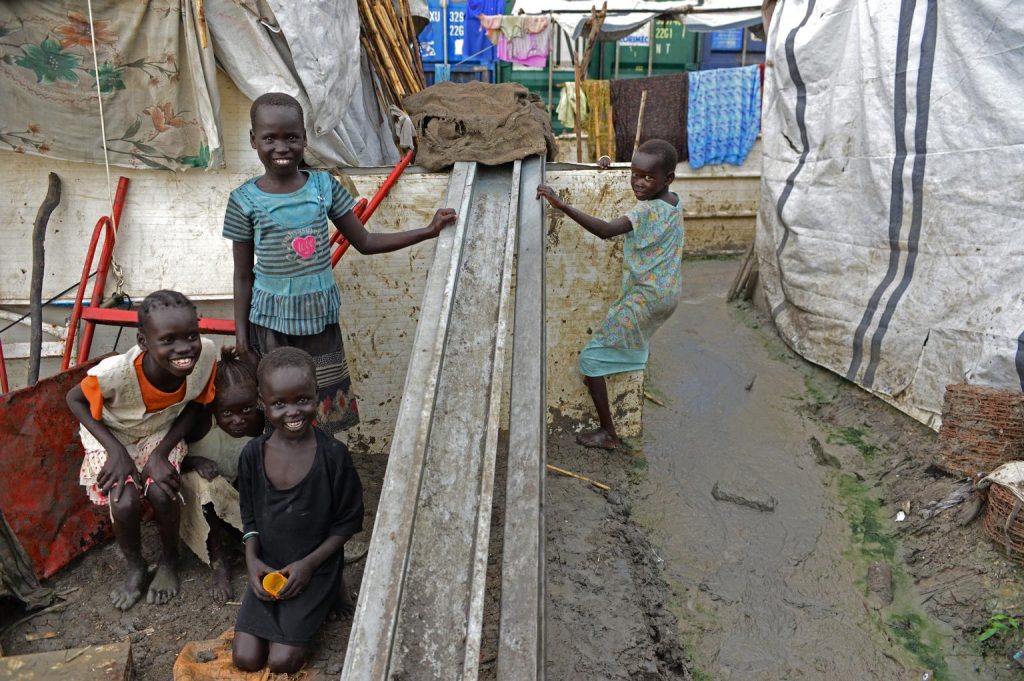
In this paper we review the evidence on the impact of large shocks, such as drought, on child and adult health, with particular emphasis on Zimbabwe and Ethiopia. Our focus is on the impact of shocks on long-term outcomes, and we ask whether there are intrahousehold differences in these effects.
The evidence suggests substantial fluctuations in body weight and growth retardation in response to shocks. While there appears to be no differential impact between boys and girls, adult women are often worse affected by these shocks. For children, there is no full recovery from these losses, affecting adult health and education outcomes, as well as lifetime earnings. For adults, there is no evidence of persistent effects from transitory shocks in our data.
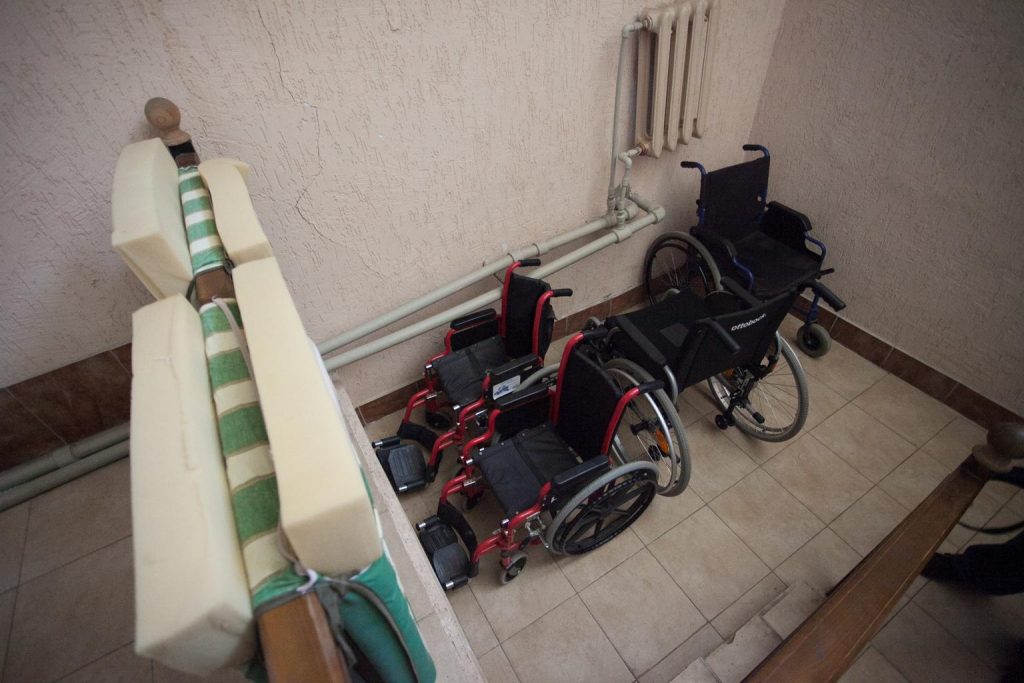
Although baseline data for post-conflict situations are frequently unavailable, there is a clear deterioration in the health conditions of populations during and following conflict. Excess mortality and morbidity, displaced populations, and vulnerability to communicable diseases during and following conflict all call for immediate relief and restoration of basic services. As much as possible, short-term relief and assistance programmes should be implemented in a manner compatible with longer term health system rehabilitation.
This paper presents a framework for analyzing the inputs and policies that make up post-conflict rehabilitation programmes in the health sector. Post-conflict rehabilitation of the health sector can be viewed as three inter-related approaches: (1) an initial response to immediate health needs; (2) the restoration or establishment of a package of essential health services; and (3) rehabilitation of the health system itself. These three approaches should operate synergistically and as part of a continuum.
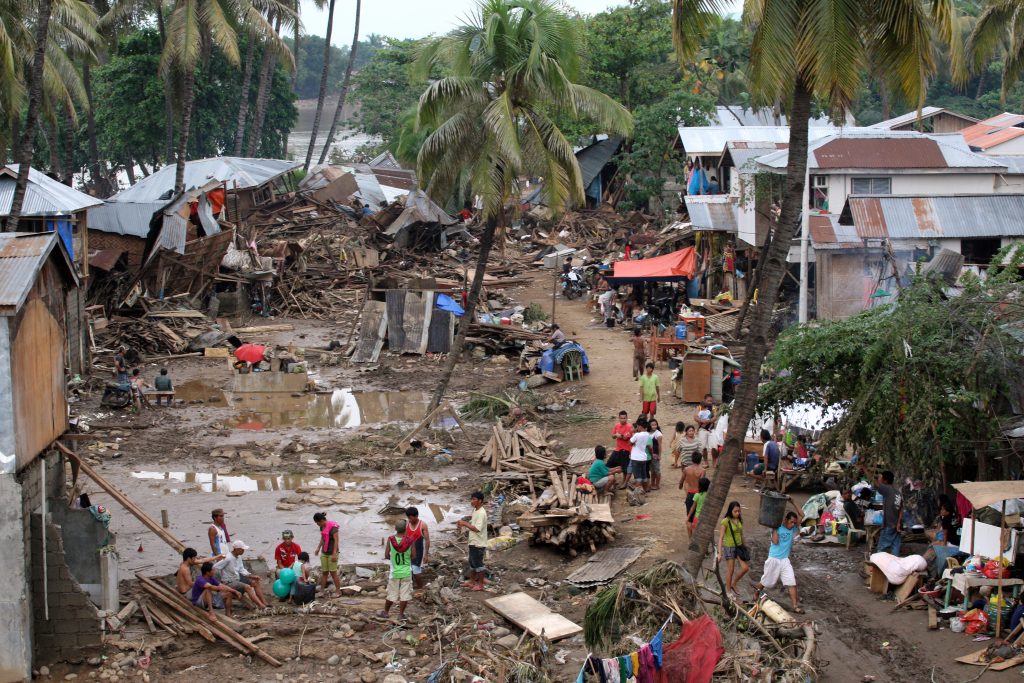
This paper examines the link between health indicators, environmental variables, and economic development, and the consequences of this relationship on economic convergence. In the early stage of economic development, the gain from income growth could be cancelled or mitigated by environmental degradation through health (and other channels), and create a vicious circle in economic activity unlike in developed countries.
This in turn could slow down economic convergence. We found through an econometric analysis that environmental degradation affects economic activity negatively and reduces the ability of poor countries to reach developed ones economically.
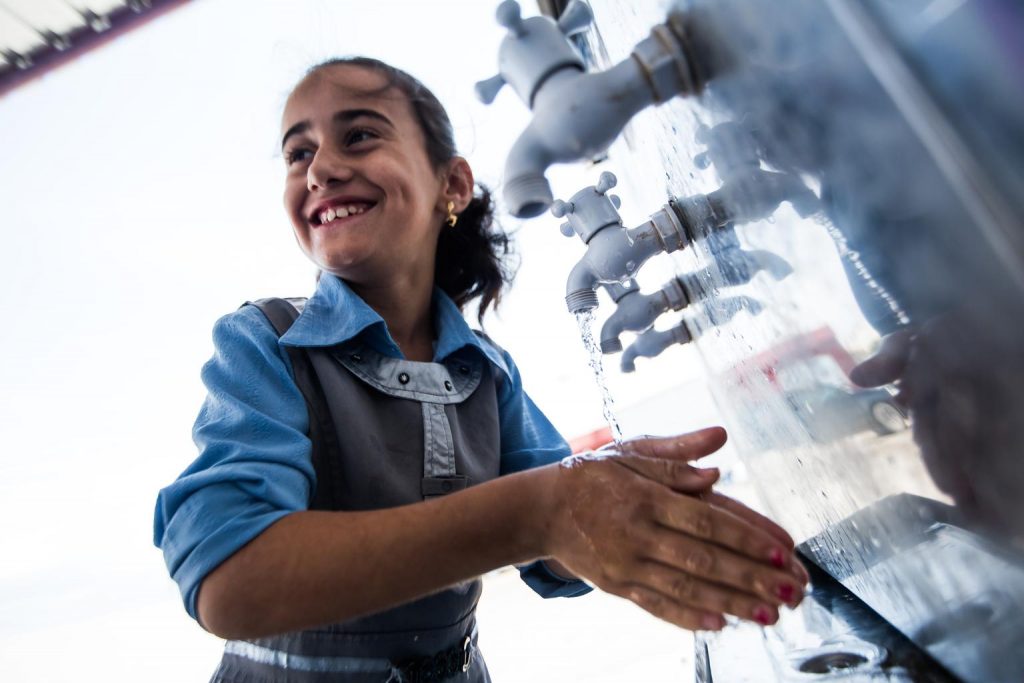
Recent efforts to reinvigorate the connections between urban planning and health have usefully brought the field back to one of its original roles. Current research, however, has focused on industrialized cities, overlooking some of the important urbanization processes in poor countries. This paper describes an emerging ‘health transition’ and the importance of socio-ecological approaches to understanding new health challenges in the developing world and uses the empirical case of Vietnam to examine the development dilemma of new industrial health concerns associated with economic development.
The paper summarizes original qualitative data suggesting that one of the main benefits and rationales of the system is the improvement in public health that it has promoted. Using a related original sample survey (n=200) from 2005, the paper then tests a set of hypotheses about the relationship between illness, connections to the new system, and the role of pollution of natural water sources in illness.
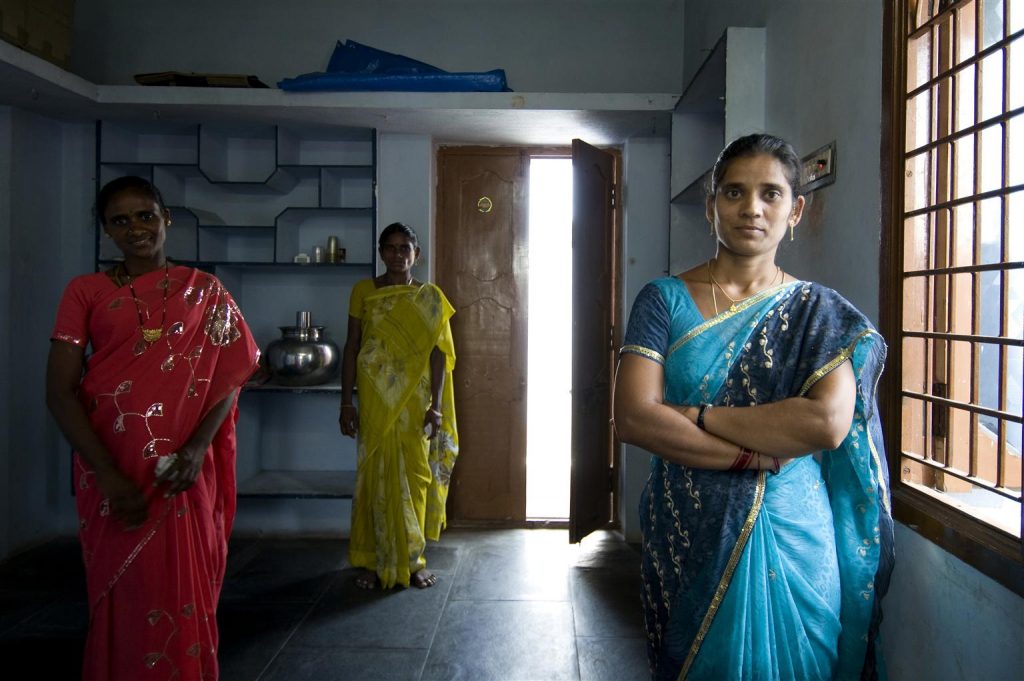
The objectives of the study are three-fold: to investigate who are vulnerable to welfare loss from health shocks, what are the household responses to cope with the economic burden of health shocks and if policy responses like state health insurance schemes are effective in reducing the economic vulnerability. Existing literature have investigated the impact of state health insurance schemes in reducing the vulnerability to financials risks of medical care using catastrophic health expenditure (CHE) measure.
This has several limitations like setting arbitrary threshold levels, exclusion of those that did not seek medical care due to inability to pay and non-accounting for risks posed by different sources of financing. So we use self-reported measure of reduction in economic wellbeing of households due to serious illness or death of one or more members from the recent Young Lives longitudinal study in Andhra Pradesh,
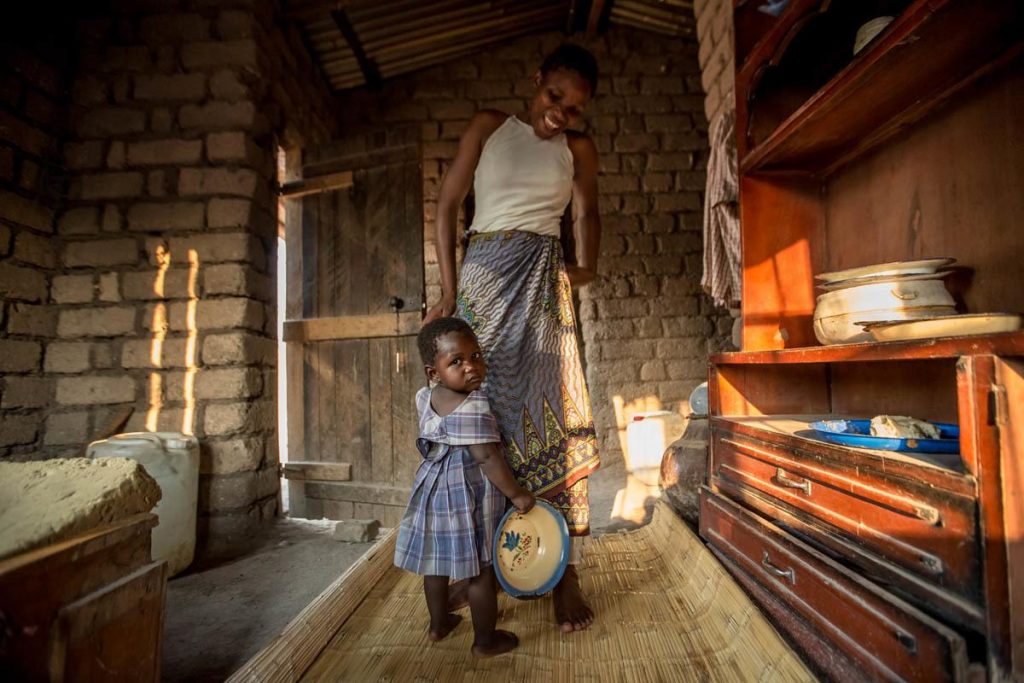
While the majority of interventions against HIV/AIDS, tuberculosis, and malaria had positive short-term effects, these were frequently not translated into long-term sustainable results.Cash transfers may have the potential of reducing HIV transmissions but the effect is so far insignificant.Increased access to HIV/AIDS treatment and nutrition results in significant improvements in employment and productivity.
While microcredit interventions have a positive effect on household income of patients, access to these loans among individuals who are very poor or who have bad credit histories, and who are usually the most affected by these diseases, continues to be limited. Out-of-pocket spending on transportation, cost of diagnosis, and care continue to be catastrophic among families affected by these diseases even when access to treatment itself is facilitated.
Initial high human development index scores and per capita income have a strong impact on the outcomes of aid to the health and education sectors.An increase in the share of the government budget allocated to education and health improves overall human development.
Aid appears to be effective in reducing maternal mortality as well as the gender gap in youth literacy, regardless of initial conditions.

Researchers often rely on household survey data to investigate health disparities and the incidence and prevalence of illness. These self-reported health measures are often biased due to information asymmetry or differences in reference groups. Using the World Health Organization study on global ageing and adult health, I find that the poor use a different reporting scale from the more affluent, leading to overestimation of their health status.
This is tested by using the relatively novel anchoring vignettes approach and applying the hierarchical ordered probit model. Underestimation by the poor of their ill health could mean that South Africa’s high levels of socioeconomic health inequalities are greater than realized.
The study examines the relationship between climatic factors and reported malaria cases using data from 12 districts in Uganda over the period 2000-2011. A panel dataset comprising temperature, temperature standard deviation; minimum humidity; maximum humidity; precipitation; precipitation standard deviation; malaria cases; health facilities; hospital beds; health workers; per capita health expenditure and gross domestic product per capita.
The Fixed Effects Model was found to be preferable. Health facilities, per capita GDP, the interaction of temperature and precipitation, the interaction of precipitation and variability in precipitation, maximum and minimum humidity have a significant positive effect on malaria cases. Hospital beds and health workers are significant and negatively related to malaria cases while per capita health expenditure, temperature, precipitation and variability in temperature have no effect
Malaria still claims a heavy human and economic toll, specifically in sub-Saharan Africa. Even though the causality between malaria and poverty is presumably bi-directional, malaria plays a role in the economic difficulties of the region. This article provides an analysis of the economic consequences of malaria (with an emphasis on human capital accumulation and productivity), and a discussion of policies aimed at reducing its incidence.
A major initiative has been the distribution of insecticidal bed-nets at a highly subsidized price. An economic-epidemiology model is used to explain why such policy is doomed to fail in presence of a very high poverty incidence, as observed in the African region.
Although sometimes over used, the word ‘crisis’ accurately describes many challenges of today’s world, such as climage change, war and refugees, economic volatility, pandemics, and the continuing unmet needs of the poor, hungry, and neglected.
While much has been achieved — in reducing the incidence of poverty and infant mortality, especially — our bright hopes for the future could be dimmed by shocks that can overwhelm nations, international organizations, communities, and citizens.
We evaluate the effectiveness of a post-conflict development programme on maternal health-care utilization in the Chittagong Hill Tracts of Bangladesh. Our work varies from conventional impact evaluation studies because of the inclusion of two post-conflict psychosocial risks: the household’s actual experience of violence, and subjective perceptions about violence, as key determinants of programme effectiveness.Following the difference-indifference estimator, and propensity score matching method this study establishes that the post-conflict development programme undertaken by Chittagong Hill Tracts Development Facility of the United Nations Development Programme is successful in improving maternal health-care utilization.
Despite this, forced settlement by outsiders, household experiences of conflict, and perceptions of insecurity lower maternal health-care utilization. The effectiveness of the programme would have been greater in the absence of conflict, although the programme may have mitigated some experiences of past conflict. The intervention fails to significantly narrow the inter-ethnic gap in terms of health-care utilization,
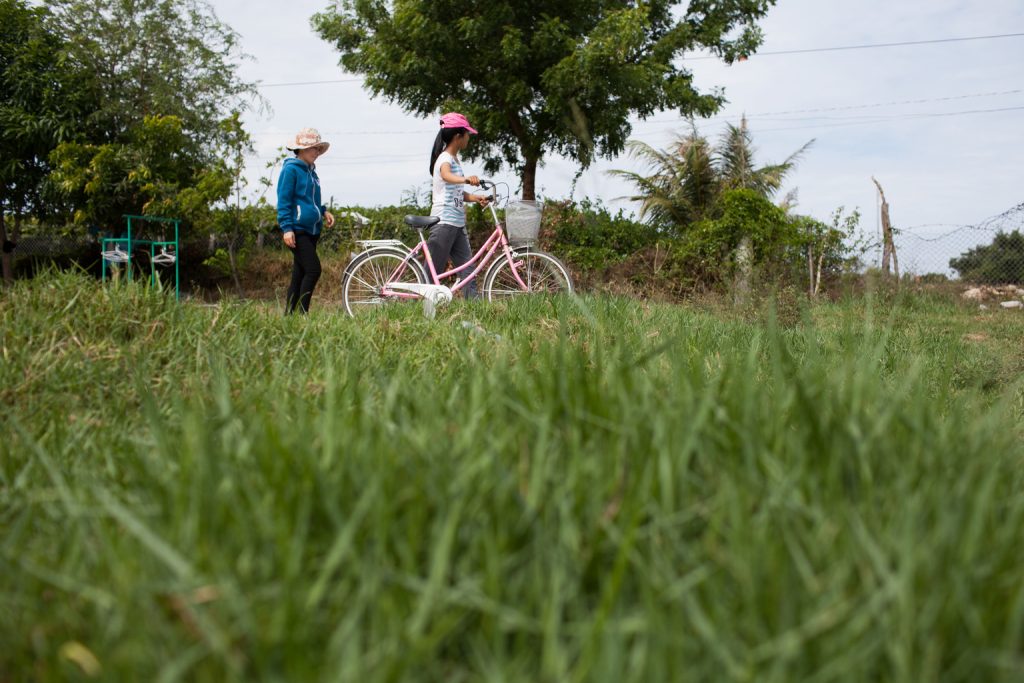
We exploit a spatial discontinuity in the coverage of an agricultural extension program in Uganda to causally identify its effects on malaria. We find that eligibility for the program reduced the incidence of malaria by 8.8 percentage points, with children and pregnant women experiencing most of these improvements.
An examination of the underlying mechanisms indicates that an increase in income and the resulting increase in the ownership and usage of bed nets is the most likely candidate driving these effects. Taken together, these results signify the importance of liquidity constraints in investments for malaria prevention and the potential role that agricultural development can play in easing it.
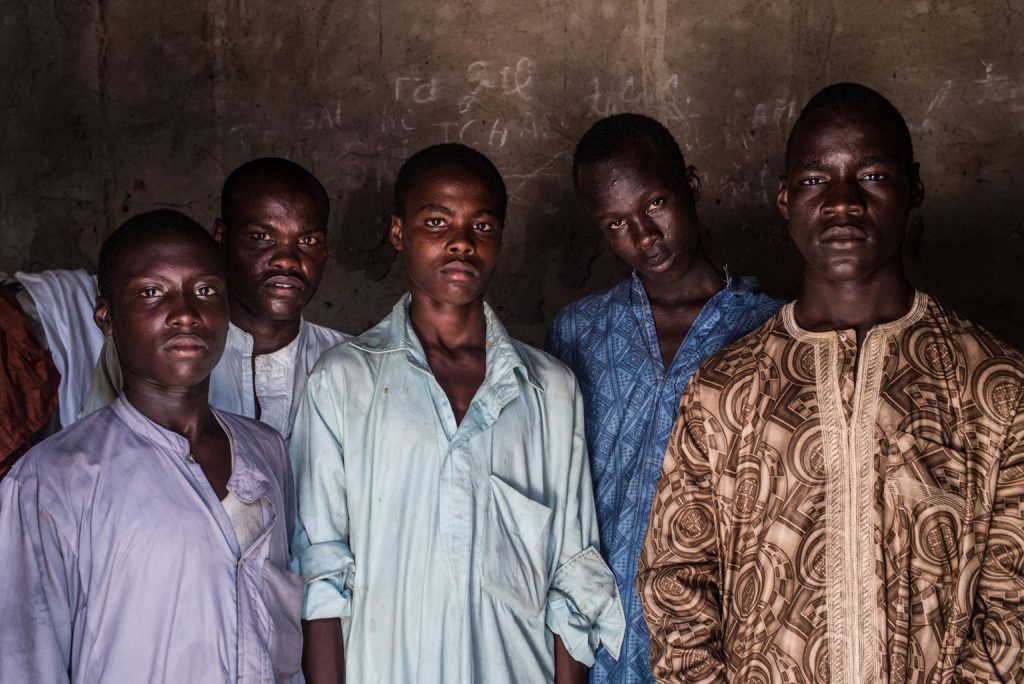
To attract greater levels of foreign direct investment into their gold mining sectors, many mineral-rich countries in sub-Saharan Africa have been willing to overlook serious instances of mining company non-compliance with environmental standards. These lapses in regulatory oversight and enforcement have led to high levels of pollution in many mining communities.The likelihood is high that the risk of pollution-related sicknesses, such as skin infections, upper and lower respiratory disorders, and cardiovascular diseases, will necessitate increasingly high healthcare expenditures in affected communities.
In this study, we propose and estimate a hedonic-type model that relates healthcare expenditure to the degree of residents’ exposure to mining pollution using data obtained on gold mining in Ghana. The empirical results confirm that, after controlling for factors such as current and long-term health status, increased mining pollution leads to higher healthcare expenditure.
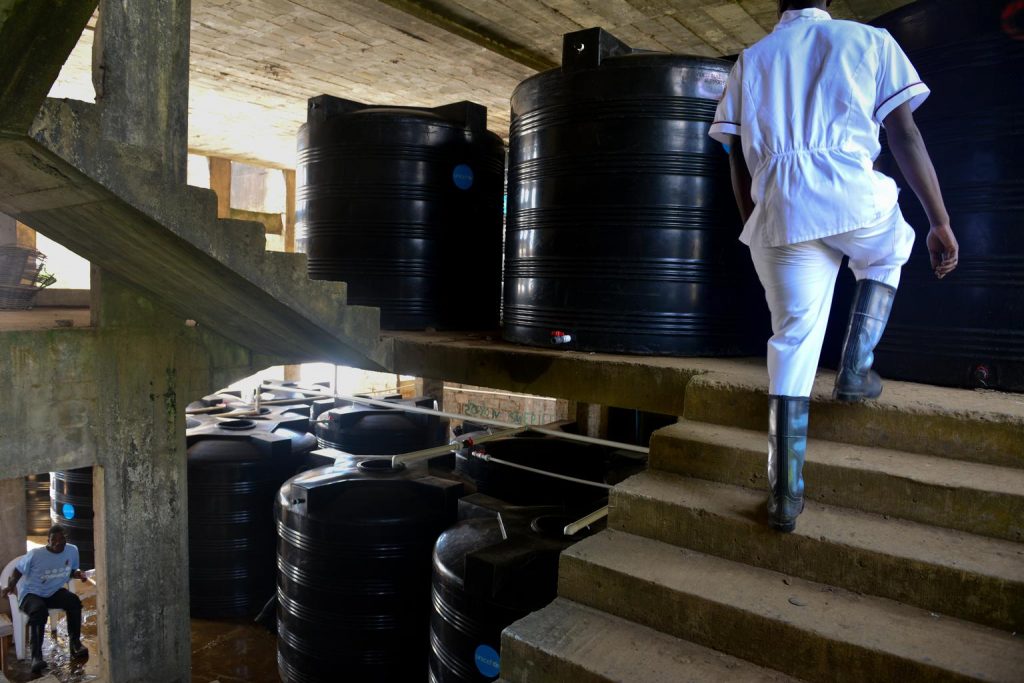
Guillaume Lachenal traces the urgent past of the current ebola outbreak, offering some surprising lessons about borders.
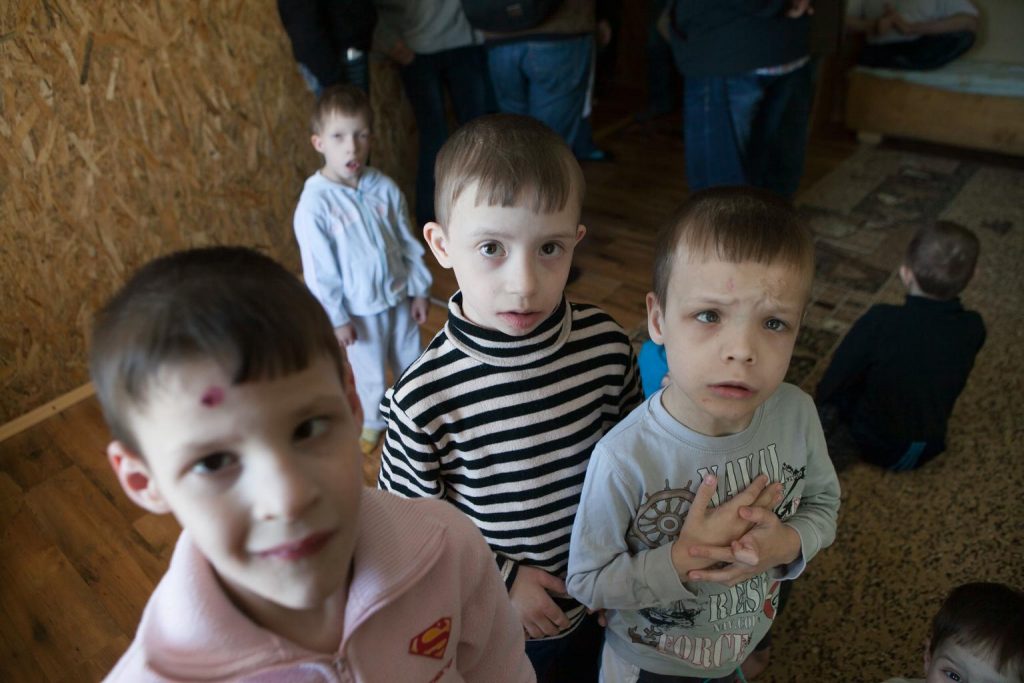
Where there is no kit and no infrastructure, there is vulnerability.
Peter Redfield explores the role of medical humanitarian response in the Ebola crisis.
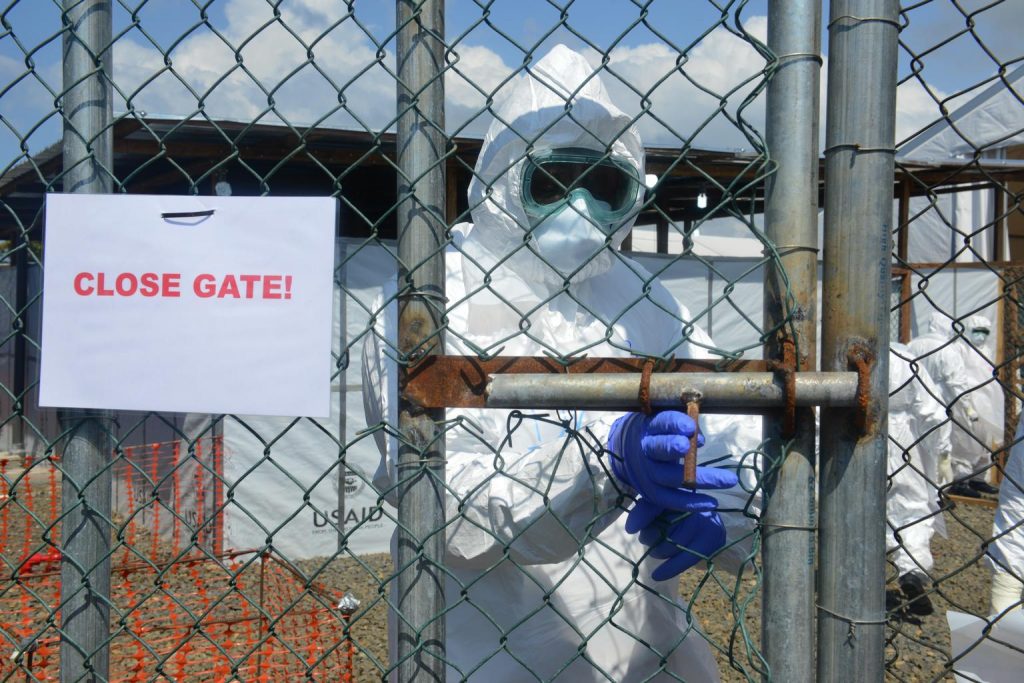
Nicholas B. King looks back at the dialectics of confidence and paranoia in the Ebola outbreaks of 1995 and 2014.