




Estrella Lasry, Tropical Advisor to MSF, on measures taken by the organisation to predict and prevent malaria outbreaks in emergency situations.
Briefing
Malaria Control in Emergencies: Time for Action
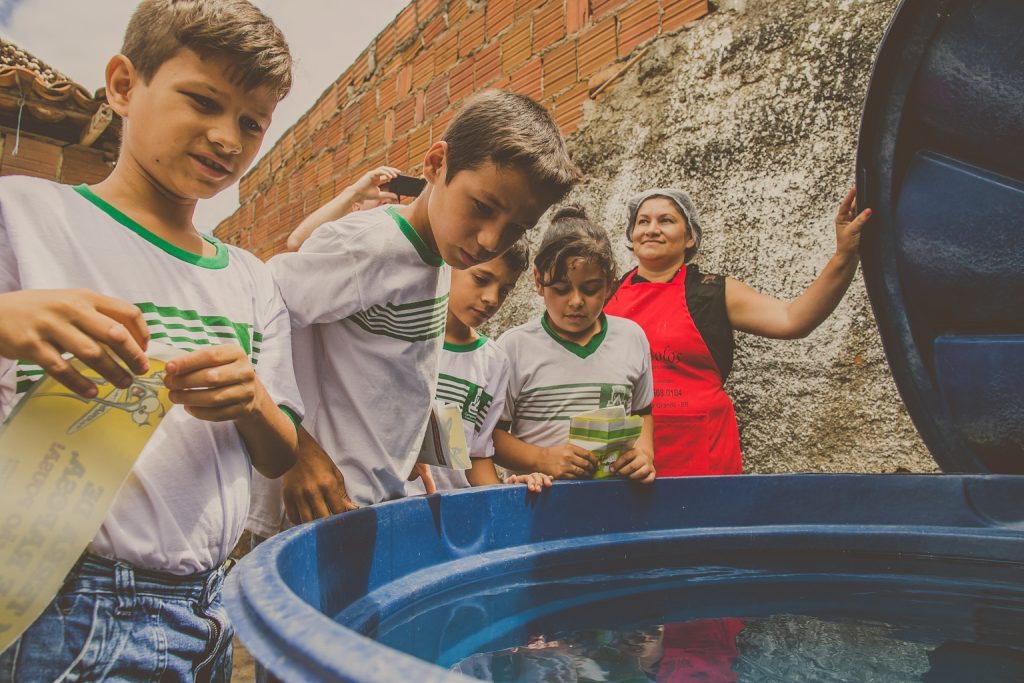
On 10 August 2016 in Campina Grande, Brazil, school children check that a large water container behind a home in Campina Grande, Brazil is clean and adequately covered to help prevent the breeding and spread of the Aedes Aegypti mosquito. The mosquito carries the zika virus, dengue and other diseases. These children are key players in a vector control social mobilization effort to quickly share important zika prevention information to all homes in the city.
Related content

Report
MHRN Roundtable Report: Social and Behavioural Science Priorities for Ebola Clinical Trials in DRC
This August 2026 roundtable consolidated lessons from past SBS research in/on Ebola clinical trials and discussed current challenges with clinical trial design and rollout.

Briefing
Key Considerations: Cross-Border Dynamics Between Uganda and DRC in the Context of the Bundibugyo Ebola Outbreak
This brief synthesises existing social and behavioural science evidence from the current and previous outbreaks on key socioeconomic and political dynamics in the Uganda-DRC borderlands.
Briefing
Key Considerations: Cross-Border Dynamics Between South Sudan and DRC in the Context of the Bundibugyo Ebola Outbreak
This brief updates previous SSHAP analyses to highlight key socioeconomic and political considerations in the South Sudan–DRC borderlands that shape Ebola preparedness and response.
Article
Contextual note: Funeral practices in Ituri
This note is the second produced by "the collective for Ituri", an informal network primarily driven by social scientists who provide contextual information for the response to the Bundibugyo Ebola epidemic in Ituri, eastern DRC. This note expands on the…
