




Key considerations including recommendations to strengthen the mental health and psychosocial response.
Mental Health and Psychosocial Support, North Kivu, DRC
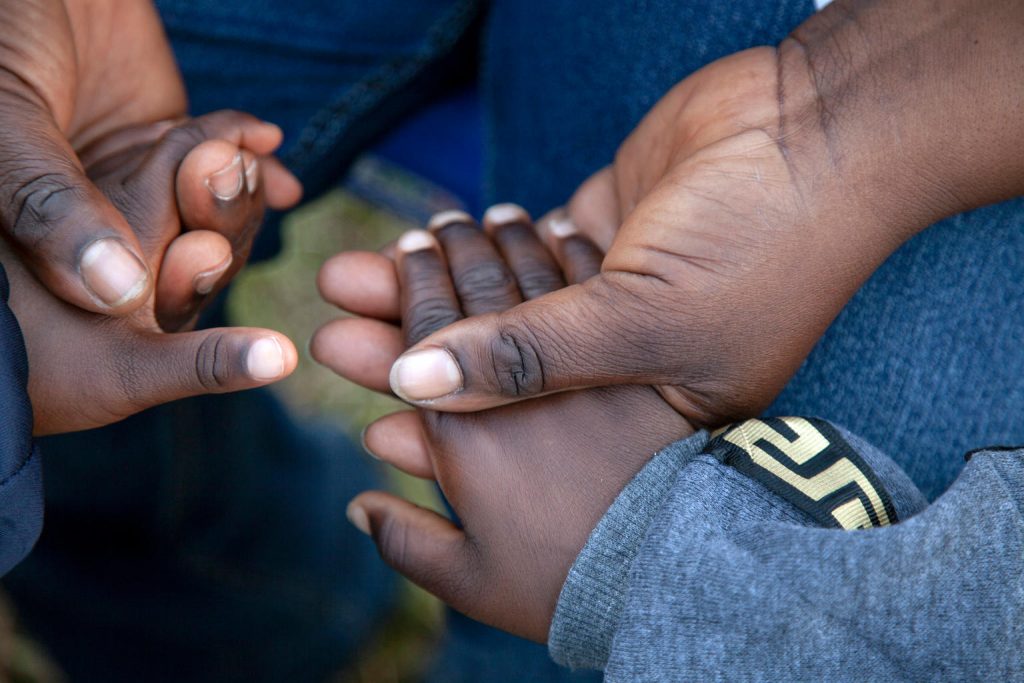
Key considerations including recommendations to strengthen the mental health and psychosocial response.
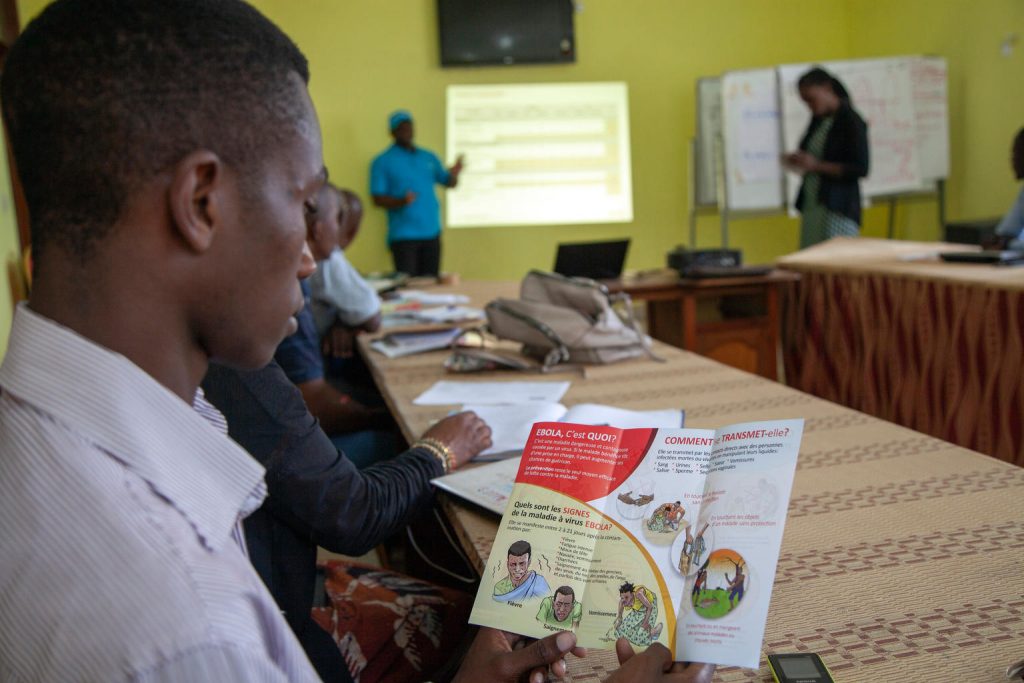
Risk Communication and Community Engagement (RCCE) is an essential part of any disease outbreak response. Risk communication in the context of an Ebola outbreak refers to real time exchange of information, opinion and advice between frontline responders and people who are faced with the threat of Ebola to their survival, health, economic or social wellbeing. Community engagement refers to mutual partnership between Ebola response teams and individuals or communities in affected areas, whereby community stakeholders have ownership in controlling the spread of the outbreak.
This document was developed jointly by the Risk Communication and Community Engagement (RCCE) incident management team for the Ebola Virus Disease outbreak response in the Democratic Republic of the Congo in September 2018 by World Health Organization, UNICEF and International Federation of Red Cross and Red Crescent Societies, with inputs from GOARN Research (Social Science), US Centres for Disease Control,
An overview of key messages circulating on WhatsApp and the local media (radio, print and video) in North Kivu in September 2018.
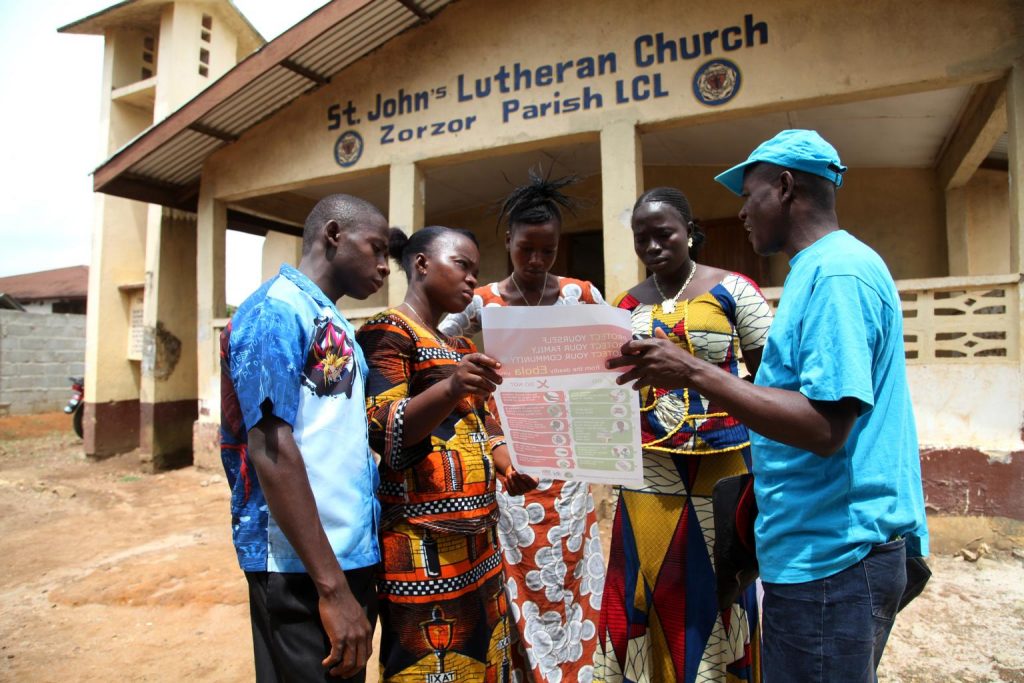
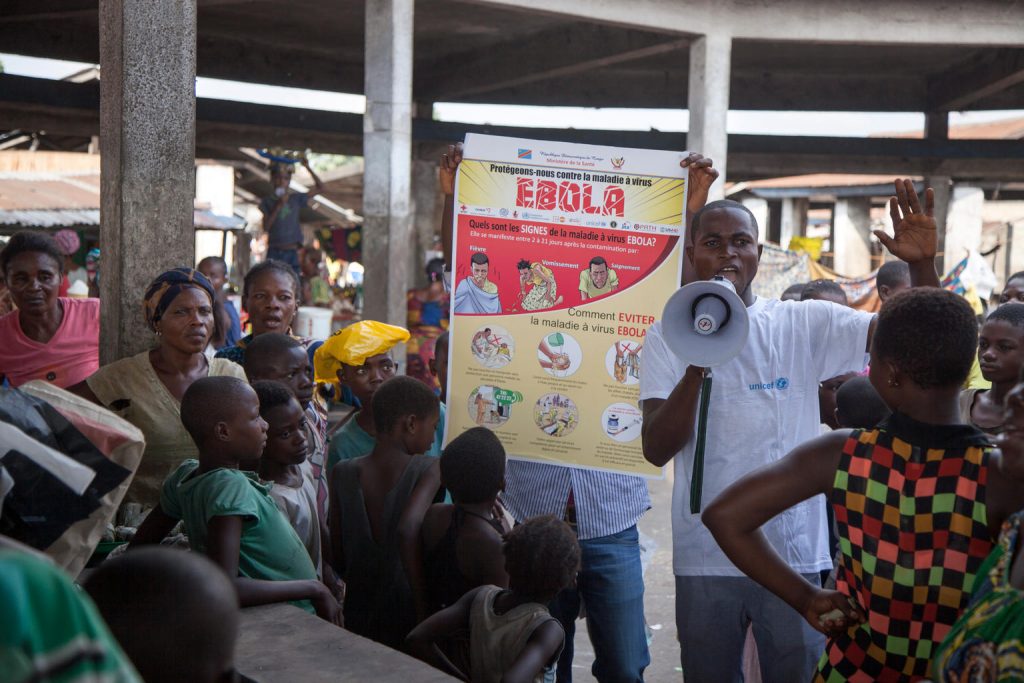
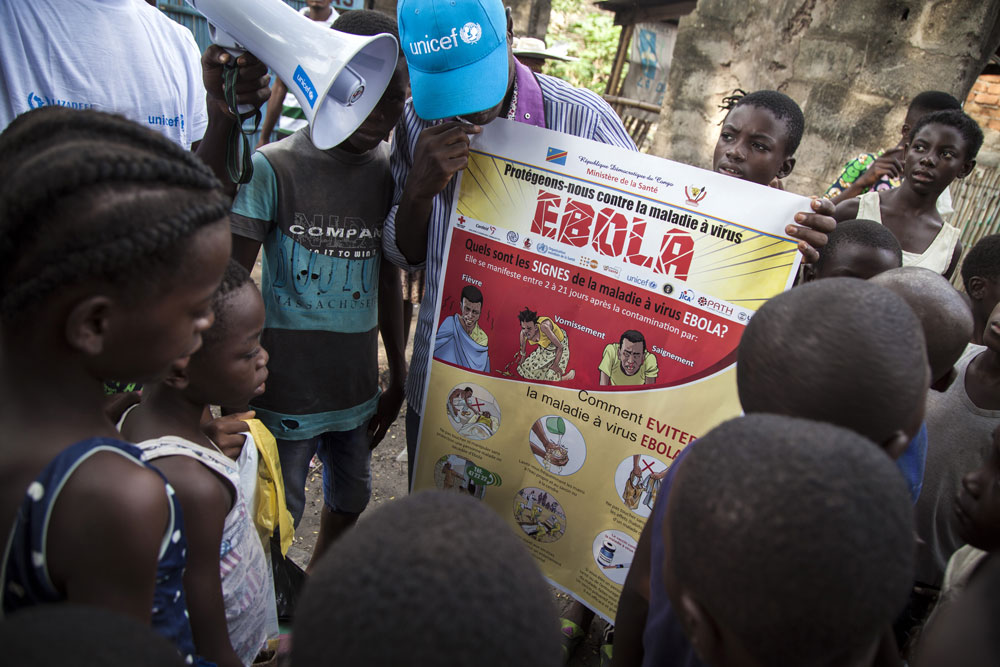
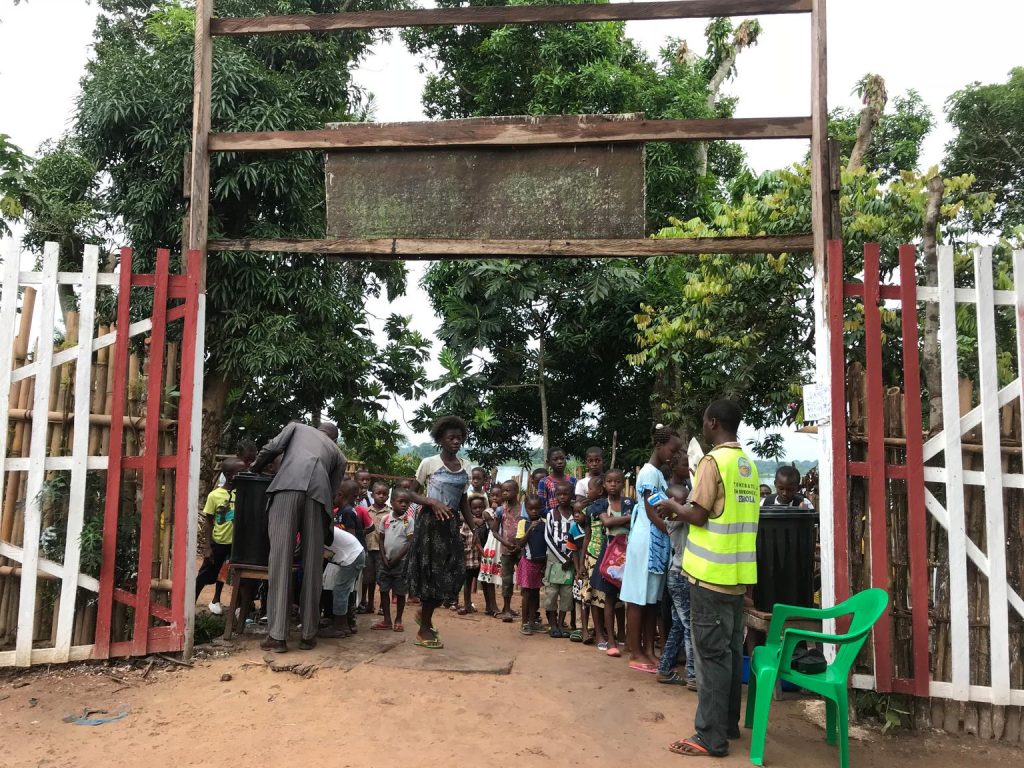
Key considerations and immediate recommendations related to community engagement.
Key socio-cultural considerations of events related to death, burial, funerals (rites or ceremonies), and mourning.
Questionnaires for rapid quantitative surveys and qualitative appraisals of burial and funeral practices in the context of an Ebola outbreak.
Key considerations about the context of North Kivu province including insecurity and local actors.
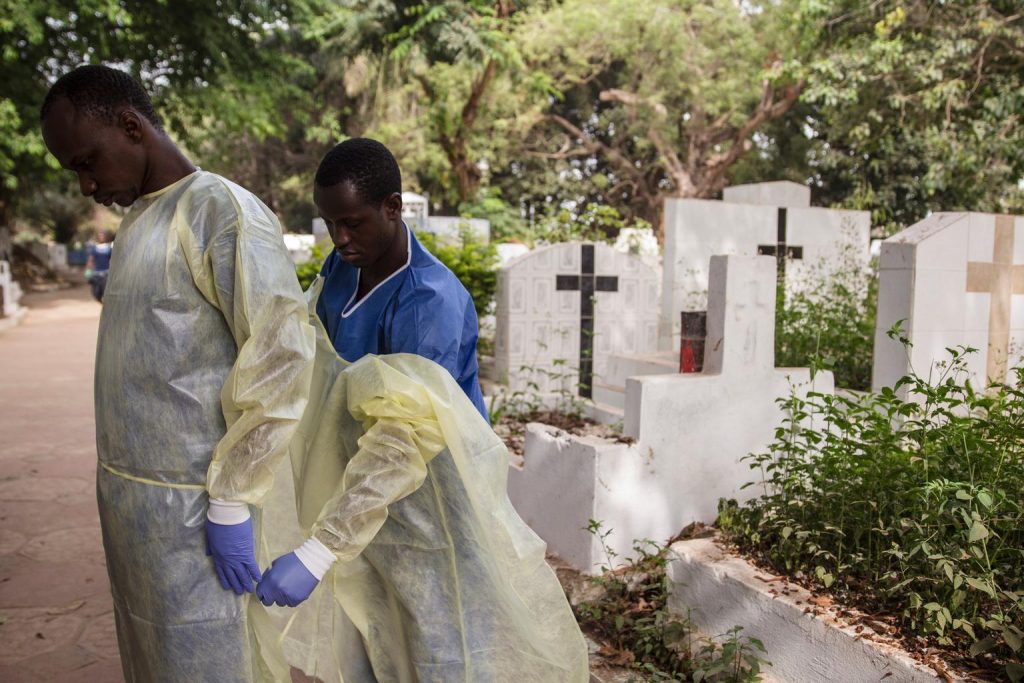
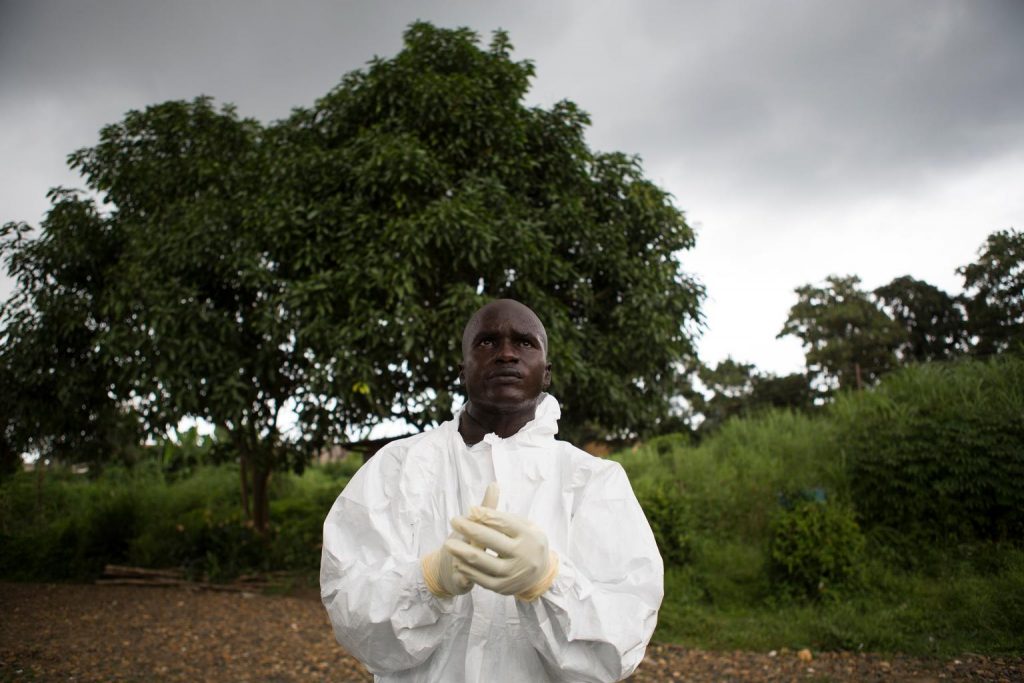
Social Anthropologist Julienne Anoko visits communities to encourage safe and dignified burial. Infection of the Ebola virus can occur from touching the bodies of those who have died from Ebola virus disease (EVD).
Key socio-anthropological considerations regarding ‘indigenous communities’.
Key socio-cultural considerations concerning health beliefs and health-seeking behaviour.
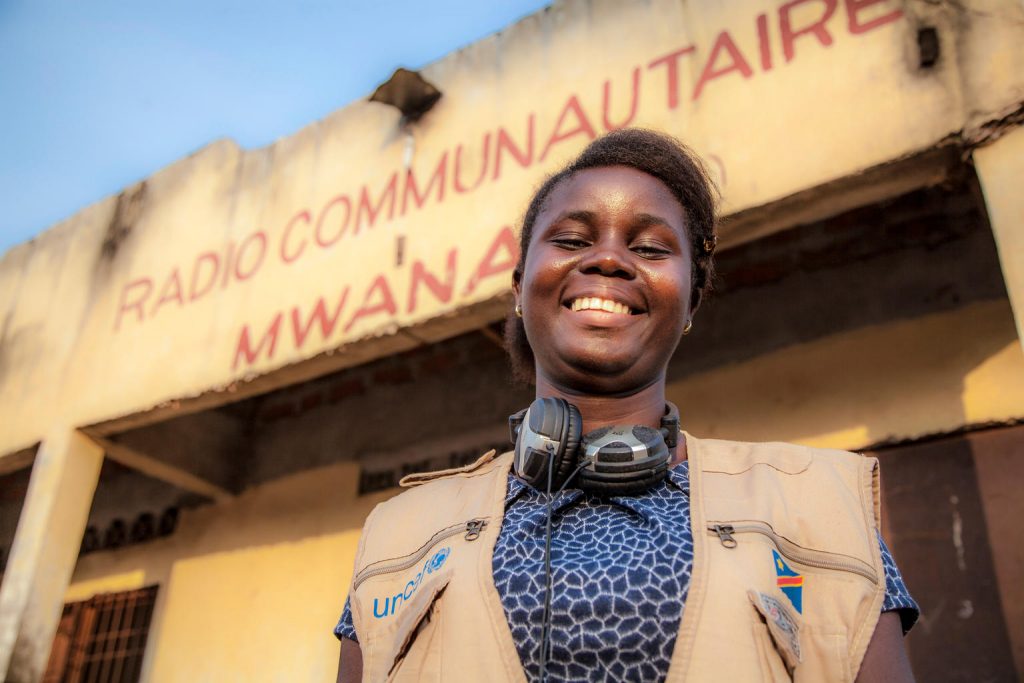
Key considerations about the context of Équateur Province, including climate, infrastructure and politics.
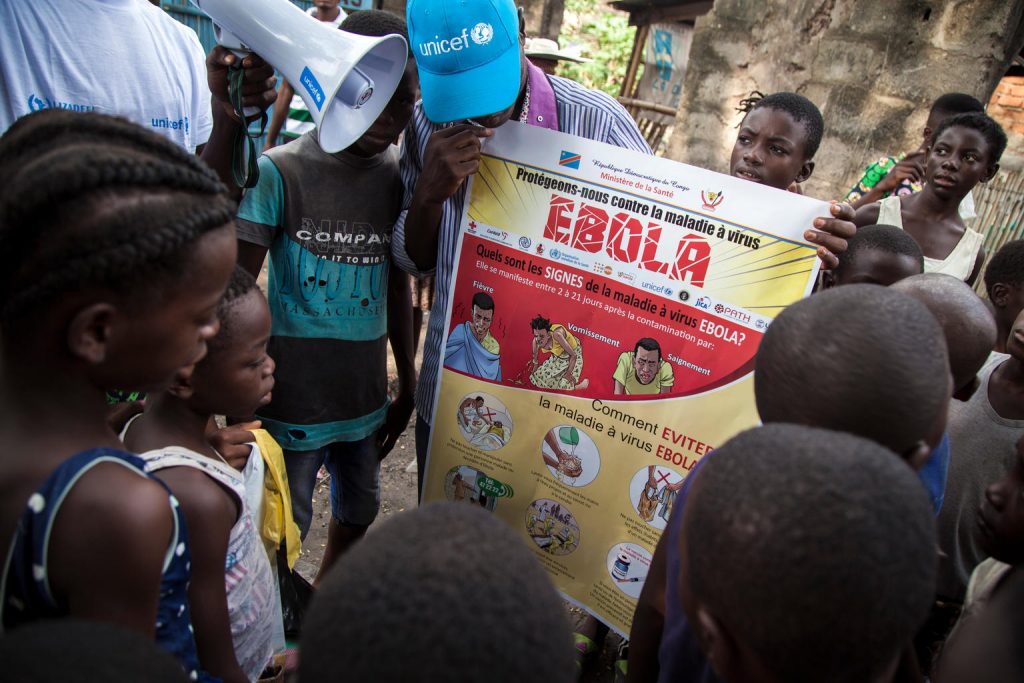
Key socio-cultural considerations concerning events related to death, burial, funerals (rites or ceremonies), and mourning.
The bushmeat industry has been a topic of increasing importance among both conservationists and public health officials for its influence on zoonotic disease transmission and animal conservation. While the association between infectious diseases and the bushmeat trade is well established in the research community, risk perception among bushmeat hunters and traders has not been well characterized. I conducted surveys of 123 bushmeat hunters and traders in rural Sierra Leone to investigate hunting practices and awareness of zoonotic disease risk associated with the bushmeat trade. Twenty-four percent of bushmeat hunters and traders reported knowledge of disease transmission from animals to humans.
Formal education did not significantly affect awareness of zoonotic disease transmission. Individuals who engaged exclusively in preparation and trading of bushmeat were more likely to accidentally cut themselves compared to those who primarily engaged in bushmeat hunting (P < 0.001). In addition,

The objective of this report is to assess knowledge, pregnancy attitudes and contraceptive practices in relation to the Zika virus outbreak in Brazil. They interviewed 526 women 18 to 49 years old in primary health services in a Northeastern capital of Brazil, in 2016. They provided information about their knowledge of Zika transmission and health consequences, their receipt of counseling related to sexual and perinatal transmission of Zika, their pregnancy intentions and reassessment of contraceptive options in the context of the Zika virus outbreak. Awareness about Zika congenital syndrome was high, but knowledge about sexual transmission was low.
Few women had changed pregnancy intentions or contraceptive practices in response to Zika. Pregnant women were more likely to access counseling about family planning, condom use and pregnancy postponement due to Zika virus than non-pregnant women, which may suggest that health system responses followed pregnancy occurrence.
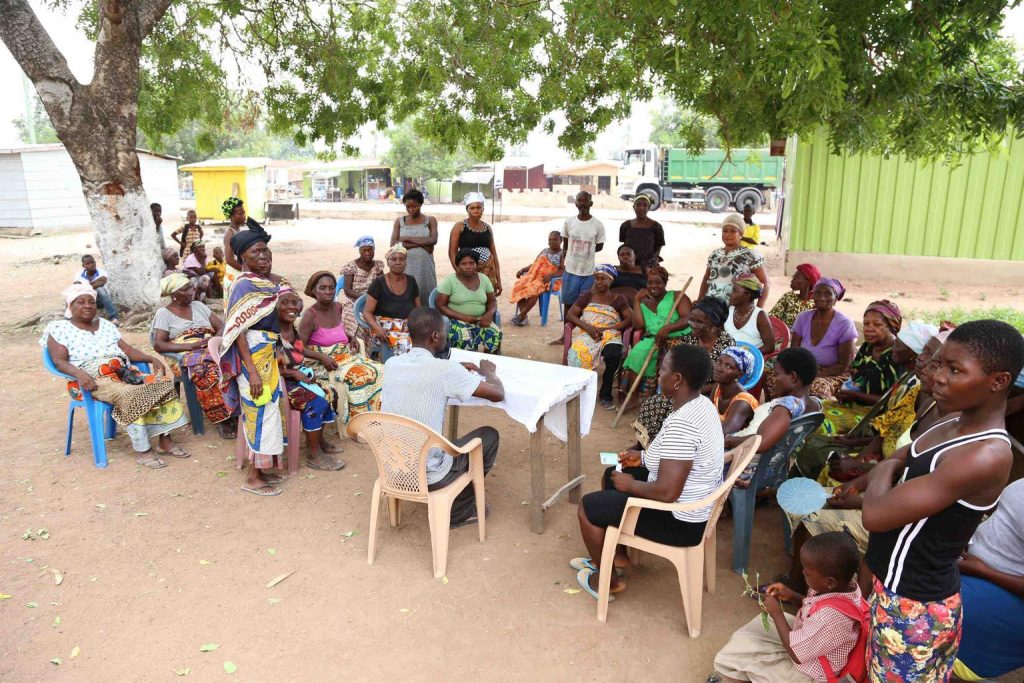
Sierra Leonean production of knowledge about Ebola was, in large part, production of knowledge about “who ate the Ebola money.” This article traces people’s responses to the Ebola crisis through a number of different moments, at each point reflecting on how their concerns about how Ebola money was being spent illuminate their expectations of their state. During the Ebola outbreak, Sierra Leoneans simultaneously mistrusted their politicians and looked to their politicians in a moment of crisis.
The article also investigates Sierra Leone’s relationship to the international community, concluding that the state’s weakness is produced, in part, by its place in the international system. The research is based on three field visits to Sierra Leone and Liberia in April 2014, July 2014, and January 2015 and draws on interviews and focus groups in urban and rural settings.
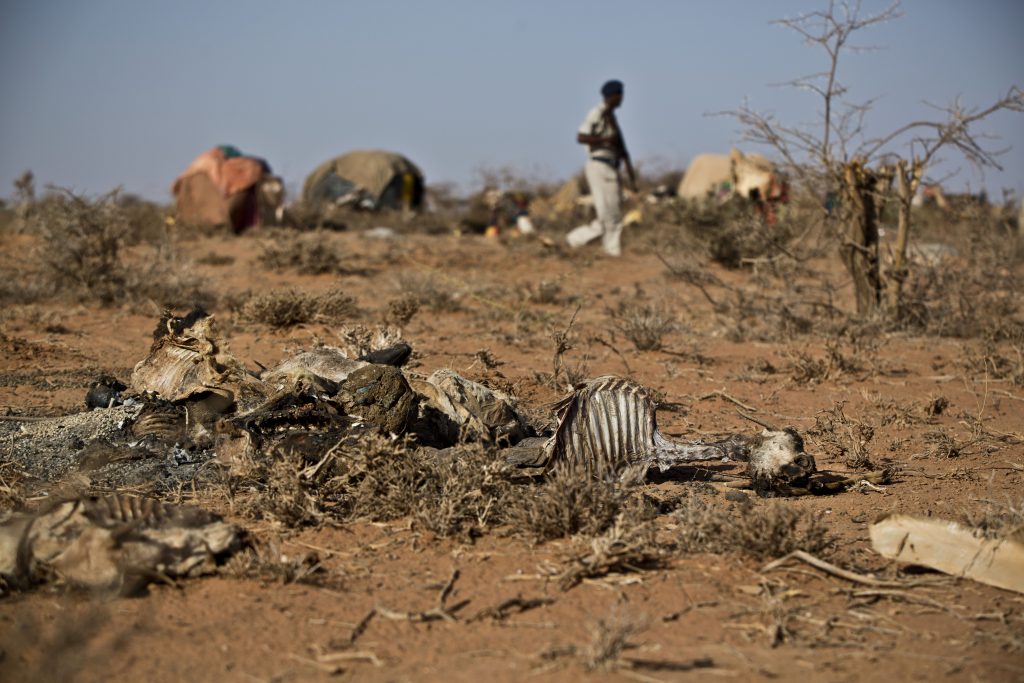
Rift Valley Fever (RVF), is a viral zoonotic disease transmitted by Aedes and Culex mosquitoes. in Kenya, its occurrence is associated with increased rains. in Baringo County, RVF was first reported in 2006-2007 resulting in 85 human cases and 5 human deaths, besides livestock losses and livelihood disruptions. This study sought to investigate the county’s current RVF risk status.
A cross-sectional study on the knowledge, attitudes and practices of RVF was conducted through a mixed methods approach utilizing a questionnaire survey (n = 560) and 26 focus group discussions (n = 231). Results indicate that study participants had little knowledge of RVF causes, its signs and symptoms and transmission mechanisms to humans and livestock. However, most of them indicated that a person could be infected with zoonotic diseases through consumption of meat (79.2%) and milk (73.7%) or contact with blood (40%) from sick animals.
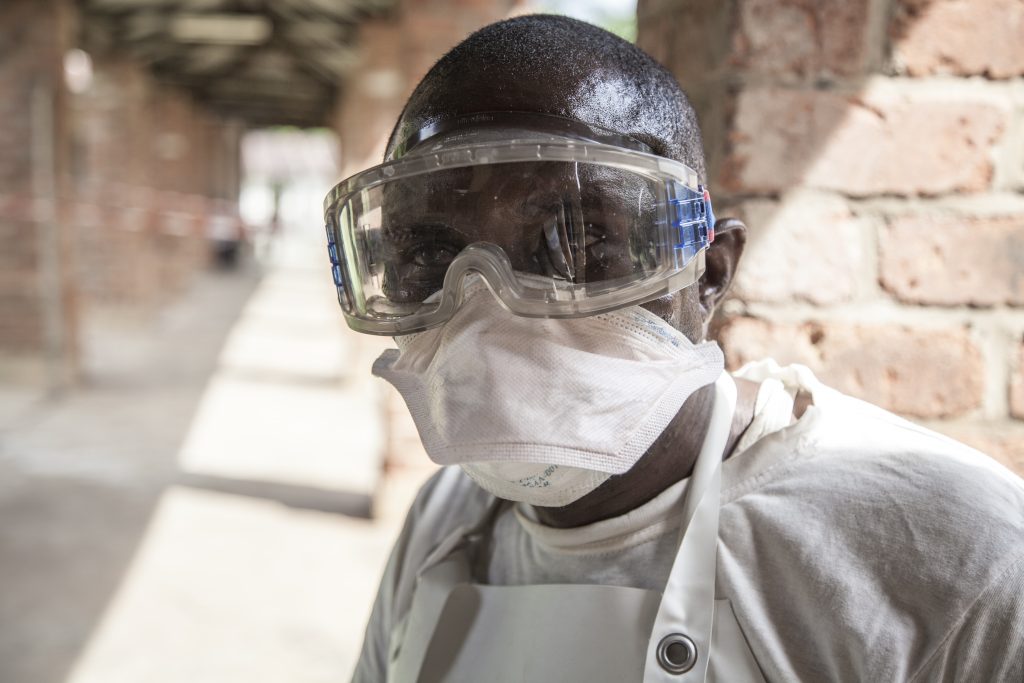
Interdisciplinary research on zoonotic disease has tended to focus on ‘risk’ of disease transmission as a conceptual common denominator. With reference to endemic zoonoses at the livestock-human interface, we argue for considering a broader sweep of disciplinary insights from anthropology and other social sciences in interdisciplinary dialogue, in particular cross-cultural perspectives on human-animal engagement. We consider diverse worldviews where human-animal encounters are perceived of in terms of the kinds of social relations they generate, and the notion of culture is extended to the ‘natural’ world.
This has implications for how animals are valued, treated and prioritized. Thinking differently with and about animals and about species’ boundaries could enable ways of addressing zoonotic diseases which have closer integration with people’s own cultural norms. If we can bring this kind of knowledge into One Health debates, we find ourselves with a multiplicity of worldviews,
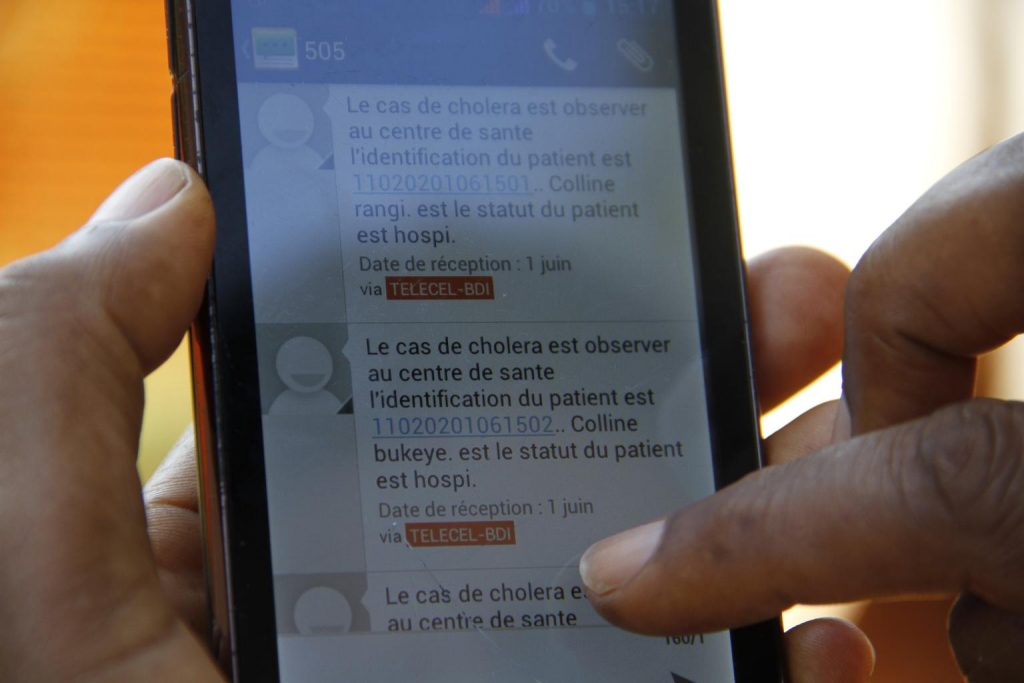
During an emerging health crisis like the 2014 Ebola outbreak inWest Africa, communicating with communities to learn from them and to provide timely information can be a challenge. Insight into community thinking, however, is crucial for developing appropriate communication content and strategies and for monitoring the progress of the emergency response. in November 2014, the Health Communication Capacity Collaborative partnered with GeoPoll to implement a Short Message Service (SMS)-based survey that could create a link with affected communities and help guide the communication response to Ebola.
The ideation metatheory of communication and behavior change guided the design of the survey questionnaire, which produced critical insights into trusted sources of information, knowledge of transmission modes, and perceived risks-all factors relevant to the design of an effective communication response that further catalyzed ongoing community actions. The use of GeoPoll’s infrastructure for data collection proved a crucial source of almost-real-time data.
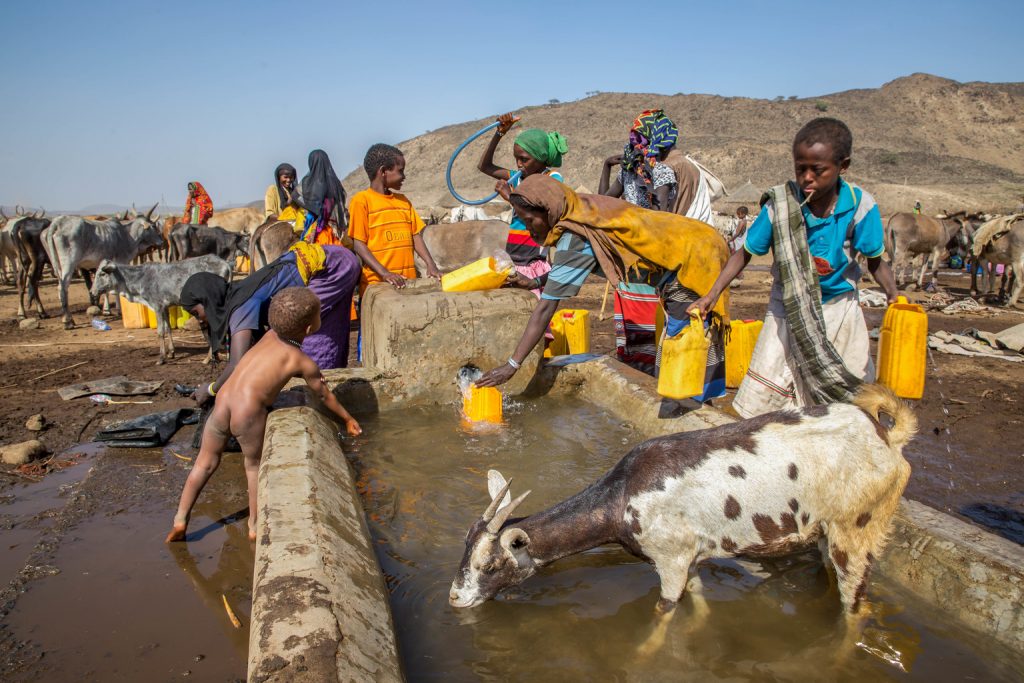
Following the 2013-2016 outbreak of Ebola virus disease (EVD) in West Africa, governments across the region imposed a ban on the hunting and consumption of meat from wild animals. This injunction was accompanied by public health messages emphasising the infectious potential of wild meat, or ‘bushmeat.’
Using qualitative methods, the authors examine the local reception and impact of these interventions. Fieldwork was focused in 9 villages in the Eastern and Southern provinces of Sierra Leone between August and December 2015. They conducted 47 semi-structured interviews, coordinated 12 informal group discussions, and conducted direct observations throughout.
The authors also draw from research undertaken in Sierra Leone immediately before the outbreak, and from our participation in the EVD response in Guinea and Sierra Leone. Our findings underscore the social and political reverberations of hunting proscriptions. Messaging that unilaterally stressed the health risk posed by wild meat contradicted the experiences of target publics,
Despite its vast physical size and abundant natural resources, the Democratic Republic of Congo (DRC) is one of the poorest countries in the world, ranking 176th out of 188 countries and territories in the 2015 Human Development Index. Child poverty is widespread and particularly concentrated in conflict-affected and hard-to-reach areas. According to a recent UNICEF study, 80 per cent of children under 15 years old experience at least two major deprivations.
Despite sustained growth in recent years, DRC’s economy is still struggling and can’t provide the Government the revenue required to meet the basic needs of the population, including children. In 2016, political instability, the persistence of conflicts in the East and the sharp fall in global commodity prices were aggravating factors.
Despite noticeable progress in some dimensions of children’s rights and significant Gross Domestic Product (GDP) growth, the Democratic Republic of Congo (DRC) is a challenging place for most children and their families, particularly for those living in conflict-affected and hard-to-reach areas. The national Multiple Overlapping Deprivations Analysis, conducted in 2015 with UNICEF support, revealed that 80 per cent of children aged zero to 15 experience at least two deprivations. Not surprisingly the study confirmed that deprivation in at least three
dimensions were significantly more frequent among stunted children than non-stunted children. The percentage of children experiencing the deprivations or more is highest in Kasai Occidental and lowest in Kinshasa. Twenty five per cent of children belonging to the wealthiest quintile experience at least three deprivations simultaneously, an indication that relative wealth does not protect against child deprivation.
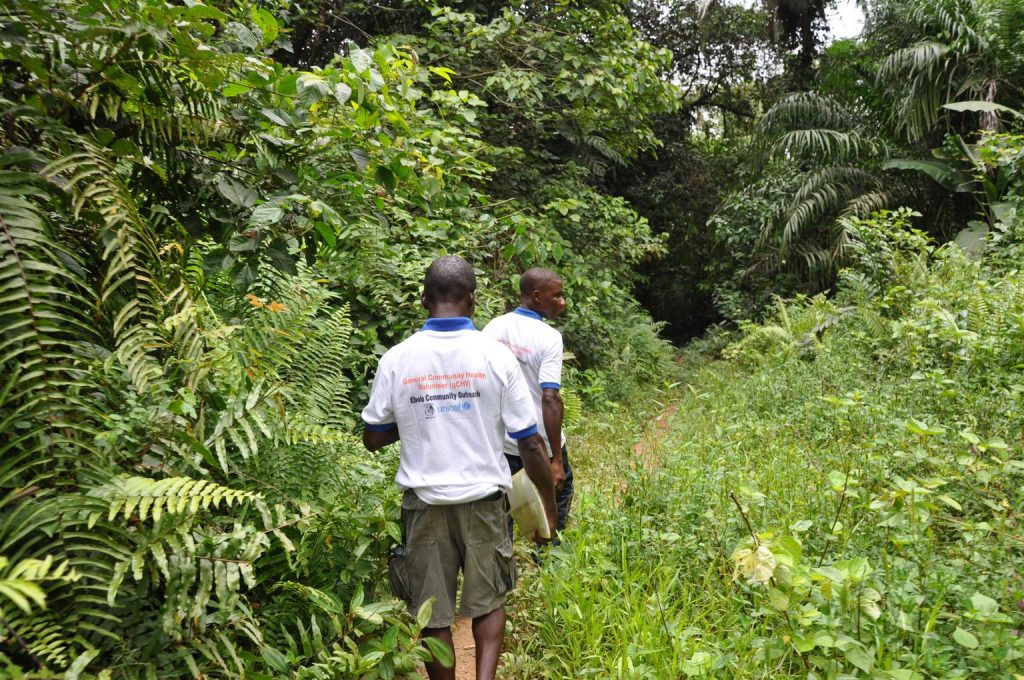
Why did Ebola response initiatives in the Upper Guinea Forest Region regularly encounter resistance, occasionally violent? Extending existing explanations concerning local and humanitarian “culture” and “structural violence,” and drawing on previous anthropological fieldwork and historical and documentary research, this article argues that Ebola disrupted four intersecting but precarious social accommodations that had hitherto enabled radically different and massively unequal worlds to coexist.
The disease and the humanitarian response unsettled social accommodations that had become established between existing burial practices and hospital medicine, local political structures and external political subjection, mining interests and communities, and those suspected of “sorcery” and those suspicious of them.
Bats provide many ecosystem services and have intrinsic value. They also act as host reservoirs for some viruses. Several studies have linked zoonotic diseases to bats, raising questions about the risks bats pose, especially to people living close to bat roosts. Through a series of case studies undertaken in three communities, the purpose of this paper is to explore the various ways in which framings and perceptions of bats can influence a potential spillover of bat-borne viruses to humans in Ghana. It assesses the social, cultural and economic factors that drive human-bat interactions and posits that understanding the socio-economic contexts in which human-bat interactions occur is key to the success of future communication strategies.
Primary data collection methods included participatory landscape mappings, transect walks, focus group discussions and questionnaire surveys. Perceptions of bats vary and are influenced by personal beliefs, the perceived economic benefits derived from bats and the location of bat roosts.
Zoonotic diseases currently pose both major health threats and complex scientific and policy challenges, to which modelling is increasingly called to respond. In this article we argue that the challenges are best met by combining multiple models and modelling approaches that elucidate the various epidemiological, ecological and social processes at work. These models should not be understood as neutral science informing policy in a linear manner, but as having social and political lives: social, cultural and political norms and values that shape their development and which they carry and project.
We develop and illustrate this argument in relation to the cases of H5N1 avian influenza and Ebola, exploring for each the range of modelling approaches deployed and the ways they have been co-constructed with a particular politics of policy. Addressing the complex, uncertain dynamics of zoonotic disease requires such social and political lives to be made explicit in approaches that aim at triangulation rather than integration,
This article explores the disease-associated stigma attached to the SARS victims in the post-SARS era of Hong Kong. The author argues that the SARS-associated stigma did not decrease over time. Based on the ethnographic data obtained from 16 months of participant observation in a SARS victims’ self-help group and semistructured interviews, The author argues that the SARS-associated stigma was maintained, revived, and reconstructed by the biomedical encounters, government institutions, and public perception.
This report also provides new insight on how the SARS-associated stigma could create problems for public health development in Hong Kong. As communicable diseases will be a continuing threat for the human society, understanding how the disease-associated stigma affects the outcomes of epidemic will be crucial in developing a more responsive public health policy as well as medical follow-up and social support service to the diseased social groups of future epidemic outbreaks.
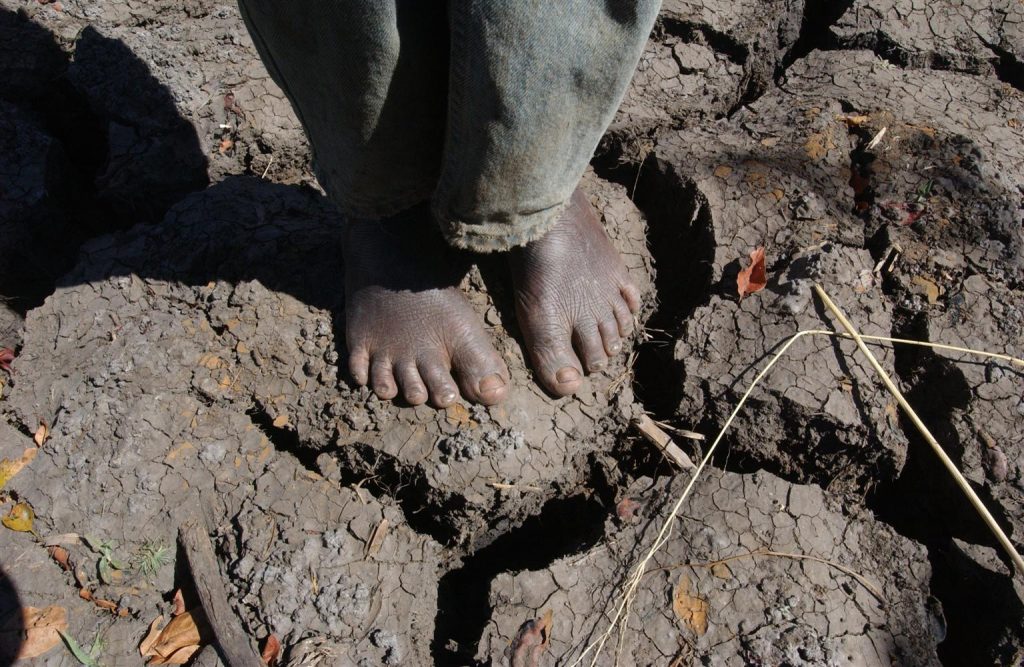
The Pygmy mimic is an extremely persistent colonial trope that continues to inform contemporary anthropological understandings of Africa’s Pygmy populations. Mimicry is now understood as being a key component of the social reproduction of a distinct Pygmy way of being. In this paper, the author examines the historical accounts of mimicry and tries to bring a historical perspective to bear on contemporary ethnographic accounts of its practice.
The paper sets the author’s research among the Sua Pygmies of Uganda against these other examples. The intention behind this is to acknowledge the common humanity of Africa’s Pygmies and to create new grounds of comparison – such as a shared history of oppression – that are not dependent on a unique foraging mode of thought.
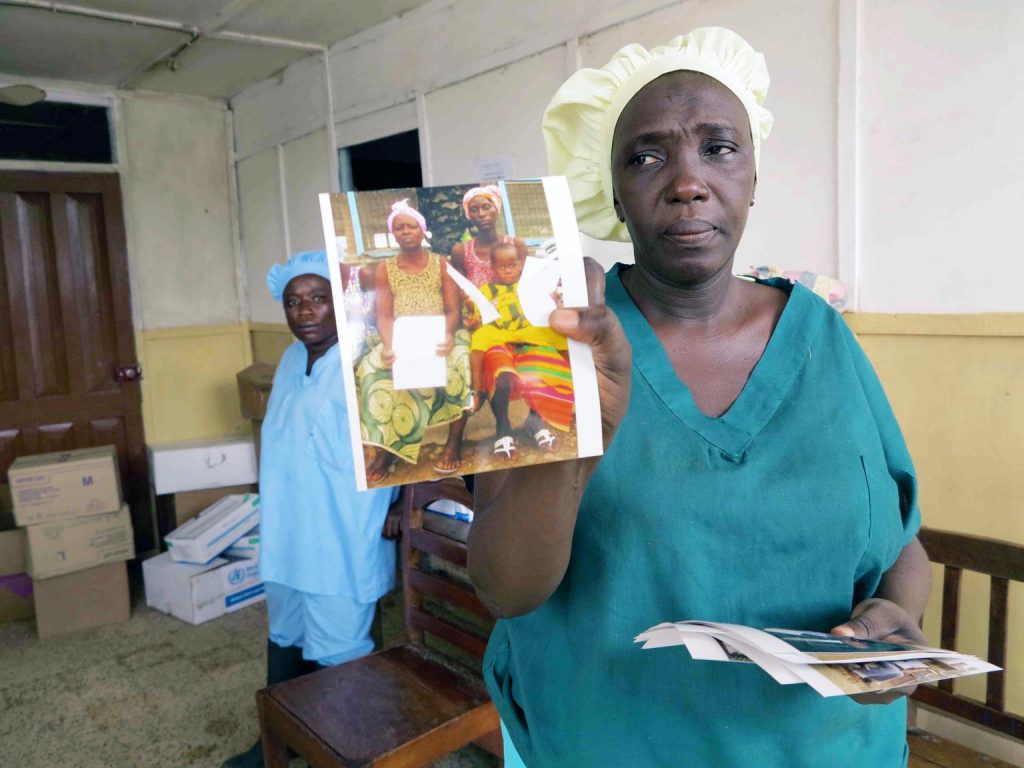
Rift Valley Fever (RVF) is a viral mosquito-borne disease with the potential for global expansion, causes hemorrhagic fever, and has a high case fatality rate in young animals and in humans. Using a cross-sectional community-based study design, we investigated the knowledge, attitudes and practices of people living in small village in Sudan with respect to RVF outbreaks. A special One Health questionnaire was developed to compile data from 235 heads of household concerning their knowledge, attitudes, and practices with regard to controlling RVF. Although the 2007 RVF outbreak in Sudan had negatively affected the participants’ food availability and livestock income, the participants did not fully understand how to identify RVF symptoms and risk factors for both humans and livestock. For example, the participants mistakenly believed that avoiding livestock that had suffered spontaneous abortions was the least important risk factor for RVF.
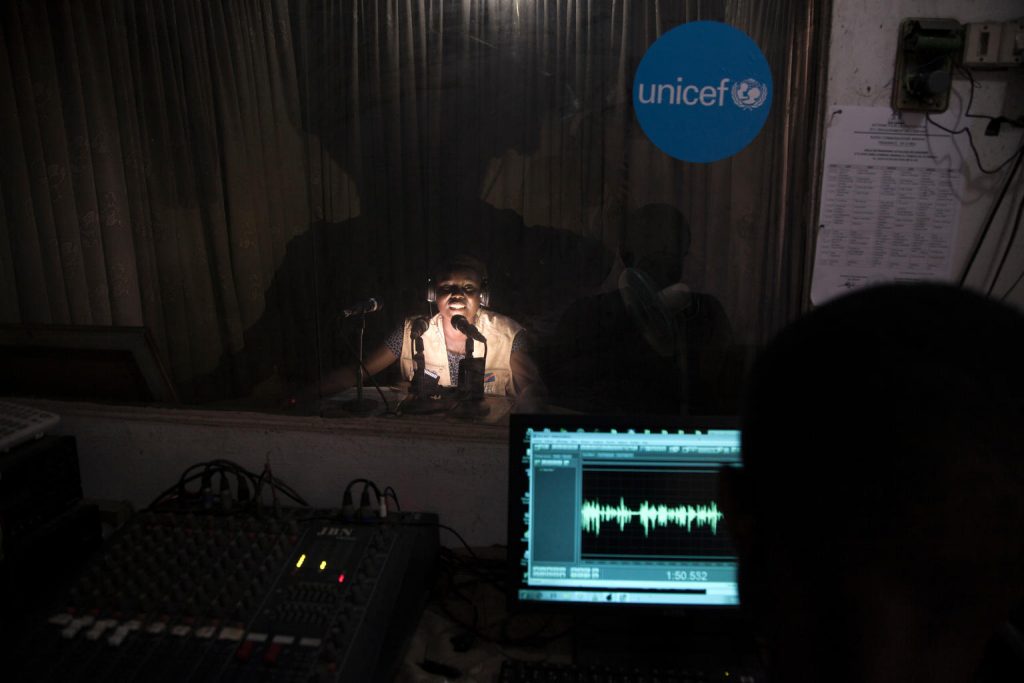
Ebonyi State of Nigeria is among the states where the incidence of Lassa Fever has become endemic; and has consequently led to the death of many people including health practitioners in the state. To mobilise the people against the disease, government and stakeholders in the health sector resorted to health literacy campaigns through Ebonyi Broadcasting Corporation (EBBC). The most popular and dramatic of these campaigns is the one that advocates for total stoppage in the consumption of all species of rats. It is titled: bu gunu be unu na ahu? meaning ‘what are you roasting?’
As rat consumption is age long habits of the majority of the Ebonyi people, particularly, those in the rural areas, it becomes incumbent that the effectiveness of the campaign notwithstanding its popularity should be empirically evaluated. Survey research method was adopted for the investigation. Consequently, 380 copies of structured questionnaire were administered on respondents systematically drawn from three rural communities,
Pandemics of new and emerging infectious diseases are unpredictable, recurrent events that rapidly threaten global health and security. We aimed to identify public views regarding provision of information and consent to participate in primary and critical care clinical research during a future influenza-like illness pandemic.
This bottom-up approach to ascertaining public views on pandemic clinical research has identified support for more proportionate research protection procedures for publically funded, low-risk studies.
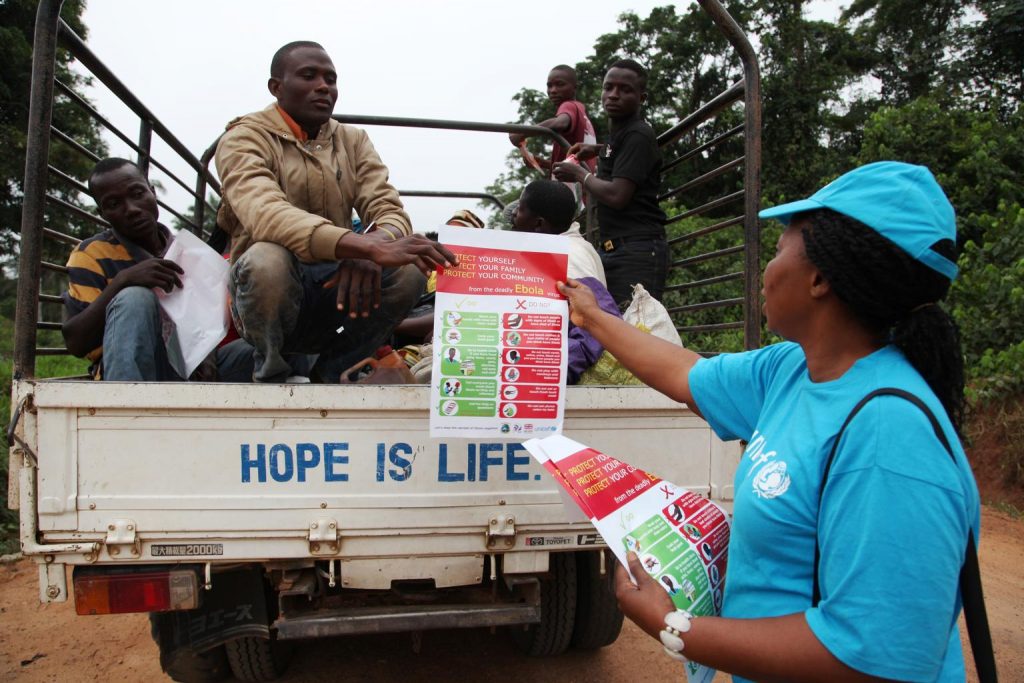
This paper argues that addressing the underlying structural drivers of disease vulnerability is essential for a ‘One Health’ approach to tackling zoonotic diseases in Africa. Through three case studies-trypanosomiasis in Zimbabwe, Ebola and Lassa Fever in Sierra Leone and Rift Valley fever in Kenya-we show how political interests, commercial investments and conflict and securitization all generate patterns of vulnerability, reshaping the political ecology of disease landscapes, influencing traditional coping mechanisms and affecting health service provision and outbreak responses.
A historical, political economy approach reveals patterns of ‘structural violence’ that reinforce inequalities and marginalization of certain groups, increasing disease risks. Addressing the politics of One Health requires analysing trade-offs and conflicts between interests and visions of the future. For all zoonotic diseases economic and political dimensions are ultimately critical and One Health approaches must engage with these factors, and not just end with an ‘anti-political’
In countries with high levels of poverty or instability and with poor health system management and governance, people are highly vulnerable to shocks associated with ill health, including major epidemics. An effective health system can help build their resilience by reducing exposure to infection and minimising the impact of sickness on livelihoods and economic development.
There is broad consensus on the key elements of such a health system: measures to protect public health, access to safe and effective basic health services, hospital back-up and a capacity to respond to major health shocks. The creation of such systems requires sustained efforts to strengthen state oversight of the health sector and to build effective partnerships for public health and service delivery. Managing the crisis response should include anticipating the need to build effective, trusted health systems that meet priority needs.
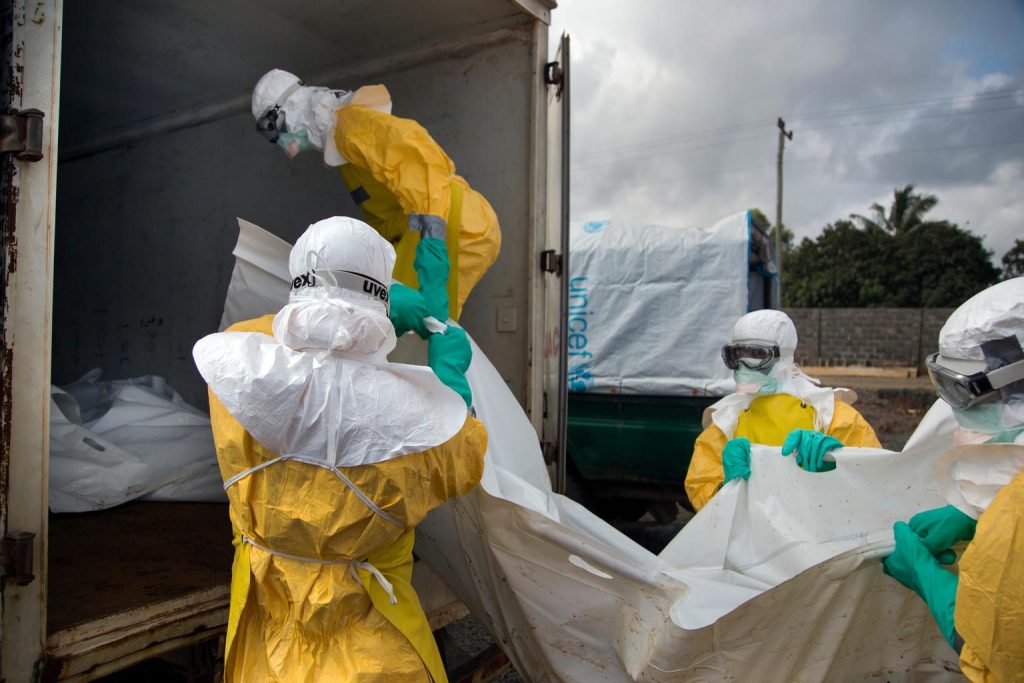
Bats are known to be a natural reservoir for a lot of disease pathogens and can spread several diseases. All 11 genera of fruit bat found in West Africa are found in Ghana, and human-bat interactions are common. However, there is a dearth of knowledge about the socio-cultural factors that shape these interactions. This paper explores the socio-cultural factors that bring humans into contact with bats. Data were obtained through focus group discussions and in-depth interviews.
The findings indicate that gender, religious affiliation, and belief systems influence the interaction between humans and bats. We conclude that the hunting and consumption patterns of bats have farreaching consequences for the transmission of bat-borne zoonotic diseases. Educational campaigns, therefore, should be intensified and, in particular, target groups that are most at risk of contracting bat-borne zoonotic diseases.
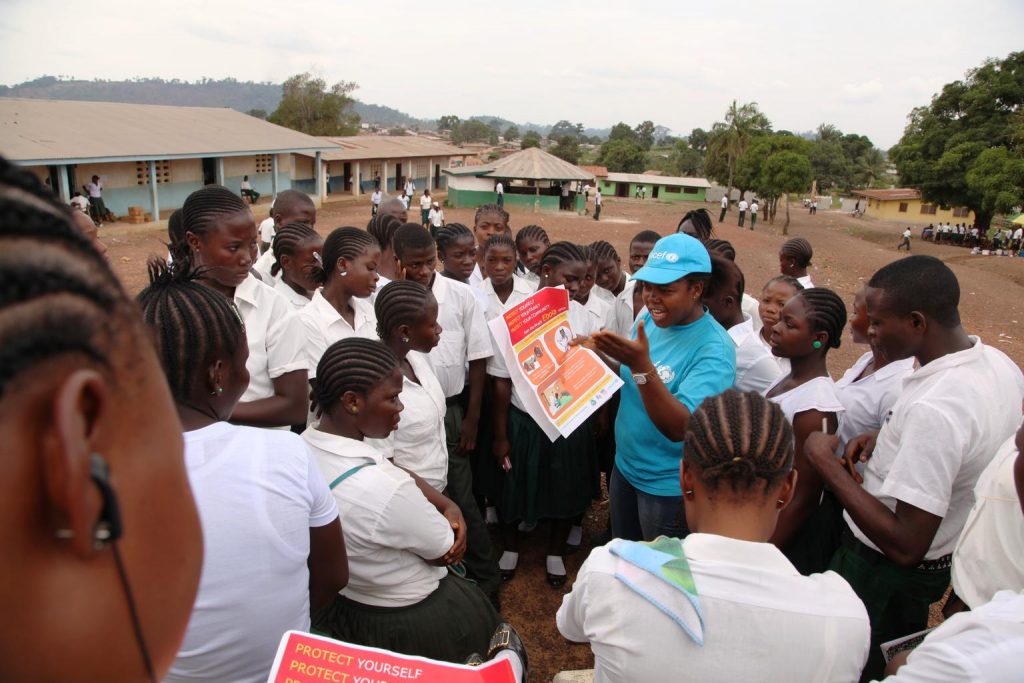
Perceptions of the causes of Cerebrospinal Meningitis, its treatment and prevention, as well as reasons for the blatant refusal by some sections of the communities to vaccinate against the disease in the wake of the big epidemic of the meningitis belt (1996-1997) to which the district falls, were investigated. About 150 knowledgeable people of various age groups, Kasena Nankani were interviewed in Key informant, in depth interviews, Focus Group discussion, case interview of surviving victims of the epidemic, using interviews guides formed mainly along health education models. (Health Belief and BASNEF models).
The existence of specific local names – (Yujaweo’), (Kamakegagogolebaa) in Kasin and ‘Agweterikesia in Nankan for Cerebrospinal Meningitis depict good knowledge of the symptoms intense headache and stiff neck that characterize the disease however the perceptions that certain complication of the disease like convulsion, unconsciousness, abnormal behaviour termed Non-Hospital illness extend to meningitis as well in the communities.
Following the World Health Organization (WHO) declaration of a Public Health Emergency of International Concern regarding the Ebola outbreak in West Africa in July 2014, UNICEF was asked to co-lead, in coordination with WHO and the ministries of health of affected countries, the communication and social mobilization component-which UNICEF refers to as communication for development (C4D)-of the Ebola response. For the first time in an emergency setting, C4D was formally incorporated into each country’s national response, alongside more typical components such as supplies and logistics, surveillance, and clinical care. This article describes the lessons learned about social mobilization and community engagement in the emergency response to the Ebola outbreak, with a particular focus on UNICEF’s C4D work in Guinea, Liberia, and Sierra Leone. The lessons emerged through an assessment conducted by UNICEF using 4 methods: a literature review of key documents,
Deforestation and forest degradation have increased in the Democratic Republic of Congo (DRC) despite the government’s commitment to safeguard its forests. Commercial and industrial-scale activities represent major direct long-term threats to the forests. By contrast, the traditional livelihood strategies of indigenous and local communities show a capacity to coexist with forests sustainably. Land tenure has evolved in the DRC without formal recognition of communities’ customary ownership rights over forest lands they have occupied and used for generations, although traditional practices remain widespread.
Reforms have left governance gaps, inconsistencies and ambiguities in the regulation of commercial and artisanal forest activities, and in safeguarding community rights, that urgently need resolution. This report draws on existing literature on deforestation and forest degradation, and on discussions with forest peoples’ organisations and with other stakeholders, including field consultations in three of the DRC’s most densely forested provinces.
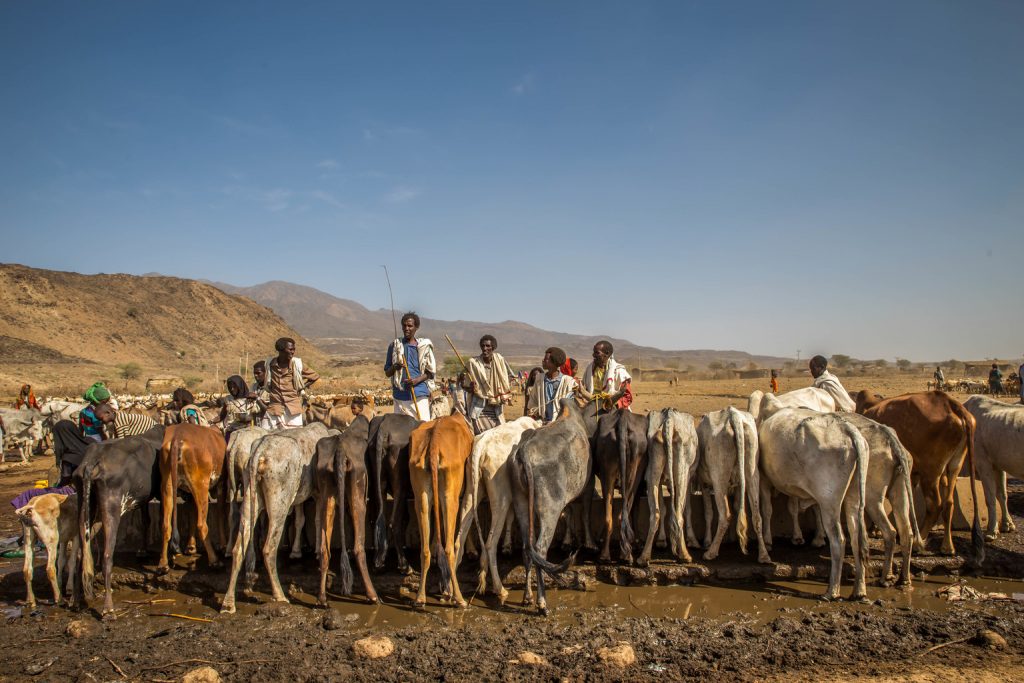
Rift Valley Fever virus (RVF) is a zoonotic virus in the Phenuiviridae family. RVF outbreaks can cause significant morbidity and mortality in humans and animals. Following the diagnosis of two RVF cases in March 2016 in southern Kabale district, Uganda, we conducted a knowledge, attitudes and practice (KAP) survey to identify knowledge gaps and at-risk behaviors related to RVF.
A multidisciplinary team interviewed 657 community members, including abattoir workers, in and around Kabale District, Uganda. Most participants (90%) had knowledge of RVF and most (77%) cited radio as their primary information source. Greater proportions of farmers (68%), herdsmen (79%) and butchers (88%) thought they were at risk of contracting RVF compared to persons in other occupations (60%, p<0.01).
Participants most frequently identified bleeding as a symptom of RVF. Less than half of all participants reported fever, vomiting, and diarrhea as common RVF symptoms in either humans or animals.
