Zoonotic diseases currently pose both major health threats and complex scientific and policy challenges, to which modelling is increasingly called to respond. In this article we argue that the challenges are best met by combining multiple models and modelling approaches that elucidate the various epidemiological, ecological and social processes at work. These models should not be understood as neutral science informing policy in a linear manner, but as having social and political lives: social, cultural and political norms and values that shape their development and which they carry and project.
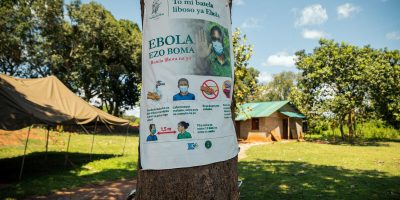
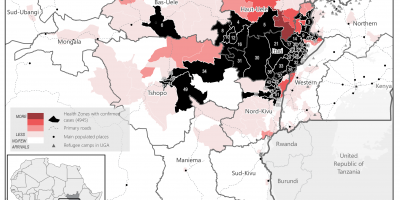
We develop and illustrate this argument in relation to the cases of H5N1 avian influenza and Ebola, exploring for each the range of modelling approaches deployed and the ways they have been co-constructed with a particular politics of policy. Addressing the complex, uncertain dynamics of zoonotic disease requires such social and political lives to be made explicit in approaches that aim at triangulation rather than integration, and plural and conditional rather than singular forms of policy advice.
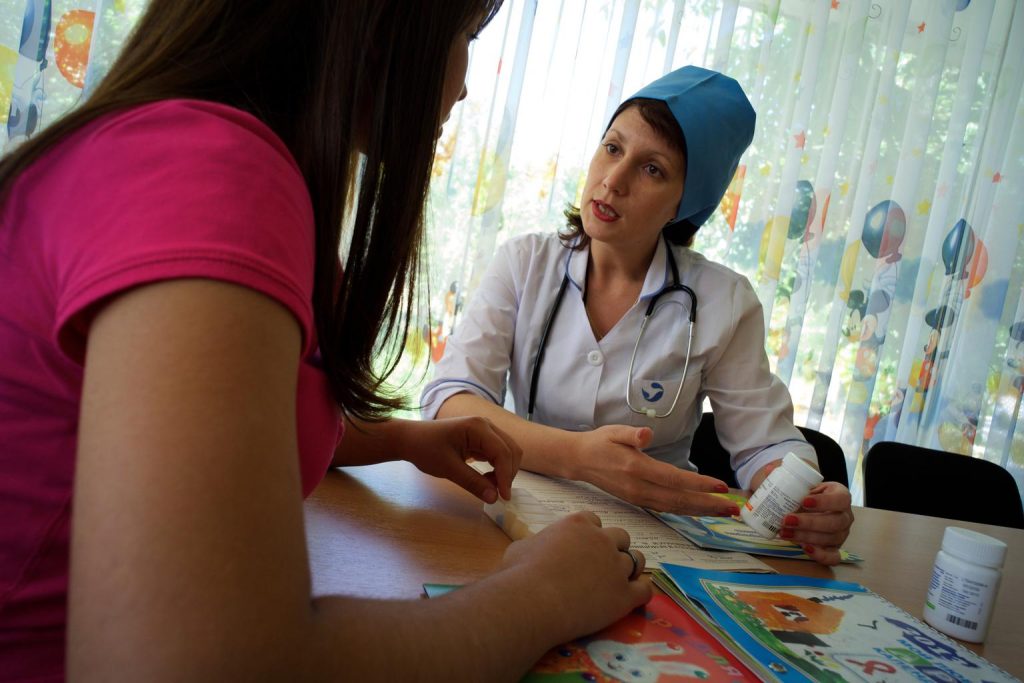
![Mubina [NAME CHANGED], 19, receives counselling and advice from a Dr. Irina Subotina, one of the first paediatrician who started treating children with HIV in Uzbekistan, at the Day Care Centre in the Research Institute of Virology of the Ministry of Health in Tashkent in Uzbekistan.
Mubina is from Tashkent. She is a 3rd year student of the medical vocational college. It is believed that she contracted HIV during a surgery. She discovered her HIV status when she was 16 years old. When being tested for HIV she did not received any counselling from medical professionals and had no idea about the infection, thus she was not able to absorb the news well. She refused to accept the diagnosis in the beginning. She became very isolated and was afraid to communicate with her friends and peers. Despite referral from doctors in AIDS Centre, Mubina refused to receive any services from the Day Care Centre. She simply did not wanted to communicate with staff of DCC either.
In November 2013 UNICEF invited Mubina to attend a training for adolescents with HIV who were aware of their HIV status. This was a turning point for Mubina . From that time her attitude toward the infection changed. She began to take ART regularly and started to attend psycho-support group in DCC. She also became an active member of the Peer-Support Group for Adolescents Living with HIV. Now she helps her peer to deal with stigma and discrimination.
Currently Mubina takes ART and has good blood test results. She also talks to other children and parents and encourages them about the importance of receiving ART, benefits treatment and how to live and grow with ART positively. Mubina is also a member of Y-PEER Network, where she talks to other young people about her experiences of living with HIV and problems with which adolescents living with HIV are currently facing in Uzbekistan. She also conducts information sessions in schools and colleges of Tashkent on prevention of HIV. UNICEF/UNI164691/Noorani](https://www.socialscienceinaction.org/wp-content/uploads/2017/01/UNI164691_Med-Res-1024x683.jpg)