




Social Sciences and Epidemics
This collection collates reports from the ‘Social Science in Epidemics’ series. In this series different aspects of past disease outbreaks are reviewed in order to identify social science ‘entry points’ for emergency interventions and preparedness activities. This evidence will come together to determine tangible ways to better address the social, political and economic dynamics of epidemics; and to ensure that interventions build on the social and cultural resources of the communities they aim to support.
Case study
Strengthening health information surveillance: Implementing community-based surveillance in Sudan
This case study explores the 2018–22 implementation of a national community-based surveillance programme in Sudan designed to meet critical needs of the existing health surveillance system.
Tools
Citizen ethnography in outbreak response: Guidance for establishing networks of researchers
This guidance outlines the steps for designing and implementing citizen-led ethnographic research, including those for recruitment, training and support of citizen researchers to collect and analyse ethnographic data, and how to transform the insights they gain to support preparedness and…
Case study
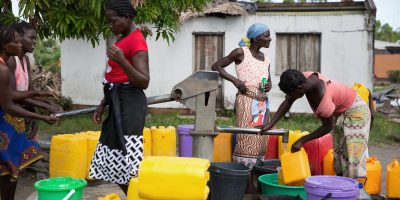
Enhancing Community Engagement Through Data Collection: Controlling the Cholera Epidemic in Mozambique
Case study focusing on post-cyclone cholera response activities

Briefing
Tools
Social science research for vaccine deployment in epidemic outbreaks
This Practical Approaches brief can be used to gain social science inputs in vaccine deployment efforts to provide practical solutions to recurring challenges, including vaccine refusal.

Briefing
Tools
Rapid appraisal of key health-seeking behaviours in epidemics
This Practical Approaches brief looks at how to identify health-seeking behaviours

Briefing
Tools
Rapid anthropological assessments in the field
This Practical Approaches brief explores data collection methods and question modules
Briefing
Tools
Rapid remote context analysis tool (RR-CAT) in epidemics
This SSHAP Practical Approaches brief underlines key considerations when appraising the context in which an outbreak occurs.
Case study
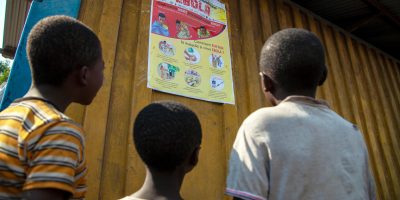
Real-Time Ebola Community Feedback Mechanism
Case study examining misinformation and mistrust in the Ebola epidemic
Case study
Understanding Sociocultural Dynamics to Enhance Control of Rift Valley Fever (RVF) Epidemics in Kenya
Case study addressing the issue of food shortage and economic losses
Case study
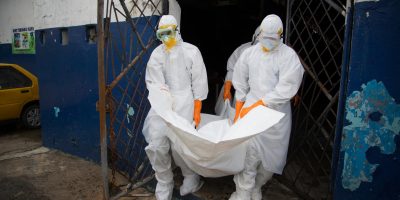
Balancing Burial Rituals with Public Health Demands During the 2014 Guinean Ebola Epidemic
Case study addressing resistance to Ebola response measures
Case study
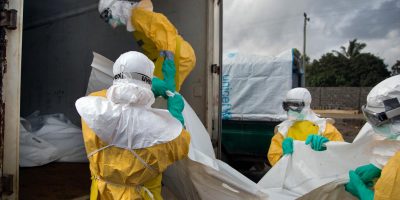
Learning the Lessons of Crisis: Mobilising Knowledge During a Global Health Emergency
Case study addressing issues around knowledge sharing, focusing on the example of Ebola
Case study
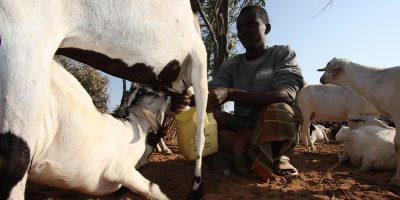
Rift Valley Fever: Local Knowledge, Health-Seeking Behaviours and Attitudes Towards Vaccination in Southern Uganda
Case study addressing the challenge of vaccine uptake and regulating the unknown

Case study
Building a Community Health Worker Programme During the Ebola Outbreak in Sierra Leone
Case study looking into the challenge of a lack of trust and referrals to biomedical health care
Case study
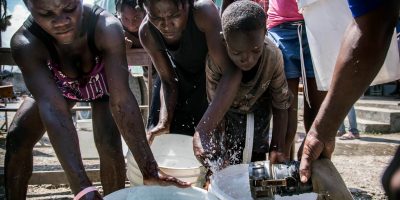
Participation with a Cholera-Exposed Population in Haiti: Finding their Own Solutions
Case study looking at the challenge of cholera in Haiti
Case study
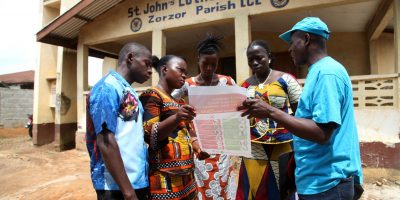
Beyond the Biomedical: Ebola Response and Recovery Through a Psychosocial Lens
Humanitarian responders must look beyond the biomedical lens to ensure successful interventions across global health programmes
Case study
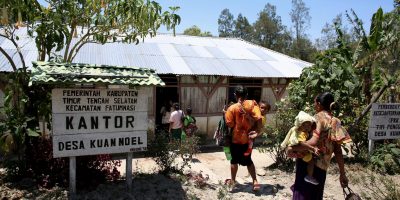
People, Poultry and Pandemics: Risk Communication and Community Engagement in Indonesia
This SSHAP Case Study illustrates how the United Nations Children’s Fund (UNICEF) worked in 2006-07 to support the Indonesian government in response to avian influenza outbreaks. The agency provided social mobilisation and education programmes to schools and villages in affected…
Briefing
Tools
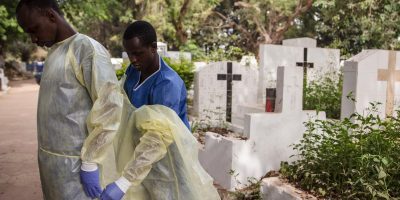
Assessing key considerations for burial practices, death and mourning in epidemics
This Practical Approaches brief looks the considerations for rapidly appraising burial/funerary practices and beliefs around death/dying during an epidemic.

Briefing
Tools
Taking a psychosocial approach to epidemic response
This Practical Approaches brief highlights key considerations for taking a psychosocial approach to working in the context of an epidemic.
Evidence review
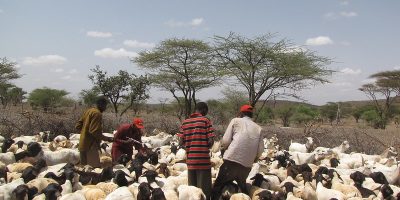
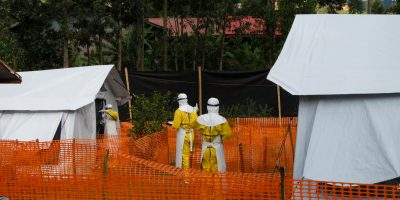
Social Science in Epidemics: Rift Valley Fever Lessons Learned
Summary and background reports offering recommendations on risk communication and local frameworks among other topics.
Background report
Evidence review
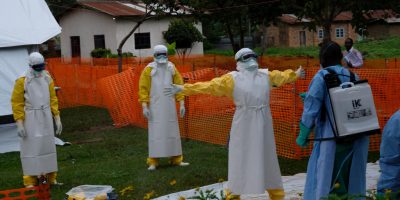
Social science in epidemics: Influenza and SARS lessons learned
Summary and background reports exploring transmission, surveillance and other aspects of outbreaks.
Background report
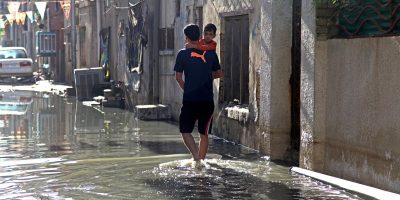
Social science in epidemics: Influenza and SARS lessons learned
The third in a series of reviews of outbreaks seeking to identify social science ‘entry points’ for emergency interventions and preparedness activities. In French and Chinese as well as English.
Briefing
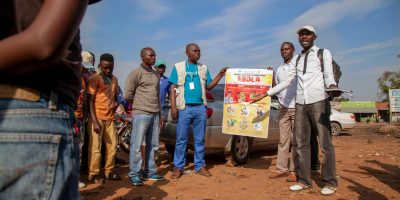
Social Science in Epidemics: Cholera Lessons Learned (Background Report)
This report is the first instalment of the ‘Social Science in Epidemics’ series, commissioned by the USAID Office of U.S. Foreign Direct Assistance (OFDA). In this series, past outbreaks are reviewed in order to identify social science ‘entry points’ for…
Background report
Evidence review
Social science in epidemics: Ebola virus disease lessons learned
Summary and background reports offering recommendations on local customs, health care systems and other topics.
Evidence review
