




Search
Search within Democratic Republic of Congo
231 results found
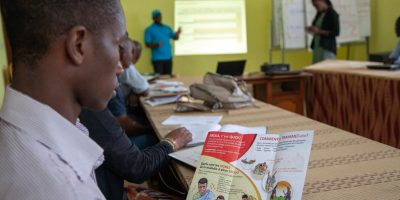
Briefings
Risk Communication and Community Engagement Preparedness and Readiness Framework: Ebola Response in the Democratic Republic of Congo in North Kivu
Risk Communication and Community Engagement (RCCE) is an essential part of any disease outbreak response. Risk communication in the context of an Ebola outbreak refers to real time exchange of information, opinion and advice between frontline responders and people who are faced with the threat of Ebola…
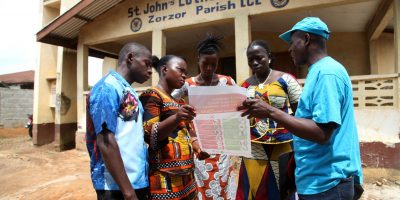
Briefings
WhatsApp and Local Media (Grand Nord)
An overview of key messages circulating on WhatsApp and the local media (radio, print and video) in North Kivu in September 2018.
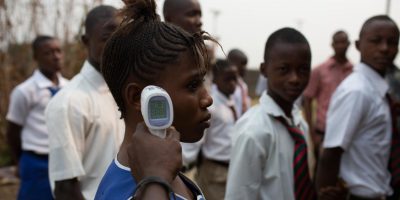
Briefings
Changing Behaviours & Care-Seeking Practices in the Grand Nord, North Kivu, DRC
Key considerations and immediate recommendations related to community engagement.
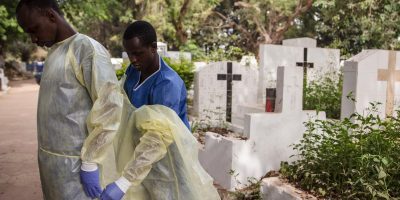
Briefings
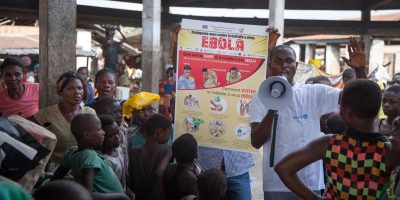
Burial, Funeral and Mourning Practices in North Kivu Province, DRC
Key socio-cultural considerations of events related to death, burial, funerals (rites or ceremonies), and mourning.
Tools
Local Burial and Mourning Practices: Open-Ended Questions
Questionnaires for rapid quantitative surveys and qualitative appraisals of burial and funeral practices in the context of an Ebola outbreak.
Briefings
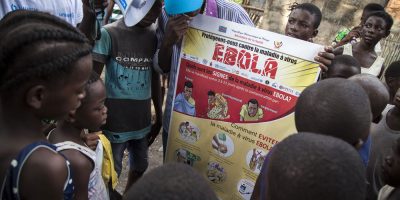
The Context of North Kivu Province, DRC
Key considerations about the context of North Kivu province including insecurity and local actors.
Video: Encouraging Safe and Dignified Burial of People who have Died from Ebola
Social Anthropologist Julienne Anoko visits communities to encourage safe and dignified burial. Infection of the Ebola virus can occur from touching the bodies of those who have died from Ebola virus disease (EVD).
Briefings
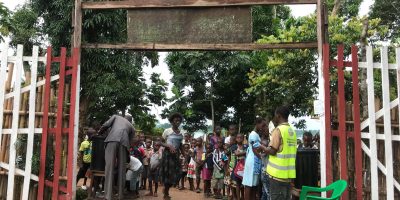
Engaging Twa Communities in Équateur Province
Key socio-anthropological considerations regarding ‘indigenous communities’.
Briefings
Health-Seeking Behaviours in Équateur Province, DRC
Key socio-cultural considerations concerning health beliefs and health-seeking behaviour.
Briefings
The Context of Équateur Province, DRC
Key considerations about the context of Équateur Province, including climate, infrastructure and politics.
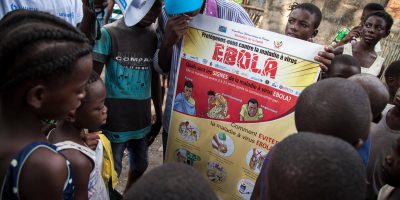
Evidence Reviews
Burial, Funeral and Mourning Practices in Équateur Province, DRC
Key socio-cultural considerations concerning events related to death, burial, funerals (rites or ceremonies), and mourning.
Briefings
UNICEF Annual Report 2016, Democratic Republic of Congo
Despite its vast physical size and abundant natural resources, the Democratic Republic of Congo (DRC) is one of the poorest countries in the world, ranking 176th out of 188 countries and territories in the 2015 Human Development Index. Child poverty…
