




Search
Search within Resources
1456 results found

Briefing
Talking to the People that really Matter about their Participation in Pandemic Clinical Research: A Qualitative Study in Four European Countries
Pandemics of new and emerging infectious diseases are unpredictable, recurrent events that rapidly threaten global health and security. We aimed to identify public views regarding provision of information and consent to participate in primary and critical care clinical research during…
Background report
Structural Drivers of Vulnerability to Zoonotic Disease in Africa
This paper argues that addressing the underlying structural drivers of disease vulnerability is essential for a ‘One Health’ approach to tackling zoonotic diseases in Africa. Through three case studies-trypanosomiasis in Zimbabwe, Ebola and Lassa Fever in Sierra Leone and Rift…

Briefing
Strengthening Health Systems for Resilience
In countries with high levels of poverty or instability and with poor health system management and governance, people are highly vulnerable to shocks associated with ill health, including major epidemics. An effective health system can help build their resilience by…
Background report
Socio-cultural Determinants of Human-Bat Interaction in Rural Ghana
Bats are known to be a natural reservoir for a lot of disease pathogens and can spread several diseases. All 11 genera of fruit bat found in West Africa are found in Ghana, and human-bat interactions are common. However, there…
Background report
Socio Cultural Perceptions of Communities in Kassena-Nankana District of Upper East Region towards Cerebro Spinal Meningitis
Perceptions of the causes of Cerebrospinal Meningitis, its treatment and prevention, as well as reasons for the blatant refusal by some sections of the communities to vaccinate against the disease in the wake of the big epidemic of the meningitis…
Briefing
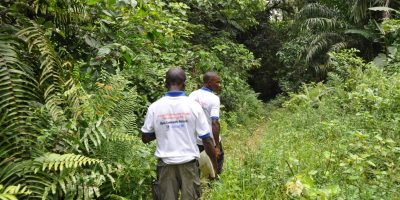
Social Mobilization and Community Engagement Central to the Ebola Response in West Africa: Lessons for Future Public Health Emergencies.
Following the World Health Organization (WHO) declaration of a Public Health Emergency of International Concern regarding the Ebola outbreak in West Africa in July 2014, UNICEF was asked to co-lead, in coordination with WHO and the ministries of health of…
Background report
Briefing
Securing Forest Peoples’ Rights and Tackling Deforestation in the Democratic Republic of Congo: Deforestation Drivers, Local Impacts and Rights-Based Solutions
Deforestation and forest degradation have increased in the Democratic Republic of Congo (DRC) despite the government’s commitment to safeguard its forests. Commercial and industrial-scale activities represent major direct long-term threats to the forests. By contrast, the traditional livelihood strategies of indigenous and…
Background report
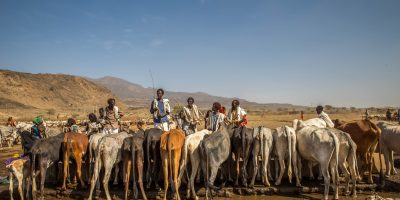
Rift Valley Fever: A Survey of Knowledge, Attitudes, and Practice of Slaughterhouse Workers and Community Members in Kabale District, Uganda
Rift Valley Fever virus (RVF) is a zoonotic virus in the Phenuiviridae family. RVF outbreaks can cause significant morbidity and mortality in humans and animals. Following the diagnosis of two RVF cases in March 2016 in southern Kabale district, Uganda,…
Background report
Briefing
Revitalizing Health for All: Case Studies of the Struggle for Comprehensive Primary Health Care
While impressive medical and technological developments have improved health care around the world, improvements in health have been moderate and inconsistent across countries and communities. In response to this challenge, the World Health Organization outlined the concept of comprehensive primary health care, which…
Background report
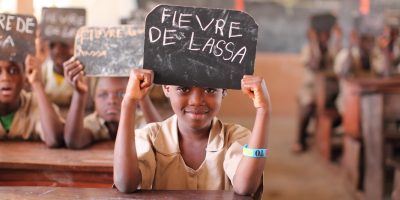
Rat-Atouille: A Mixed Method Study to Characterize Rodent Hunting and Consumption in the Context of Lassa Fever
Lassa Fever is a zoonotic hemorrhagic illness predominant in areas across Nigeria, Sierra Leone, Guinea, Liberia, and southern Mali. The reservoir of Lassa virus is the multimammate mouse (Mastomys natalensis), a highly commensal species in West Africa. Primary transmission to…
Background report
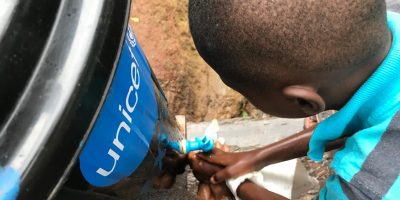
Quantitative and Qualitative Analysis of the Knowledge, Attitudes and Social Representations of Cholera in the Extreme Northern Region of Cameroon: The Case of Maroua I, Maroua Ii and Mokolo
An effective fight against Cholera requires an in-depth consideration of the knowledge, attitudes and social representations of Cholera within a population. Cholera outbreaks persist in the Extreme North of Cameroon because of the inadequate integration of representations of Cholera, water…
Background report
Briefing
Preliminary Assessment of Lake Ntomba Fisheries
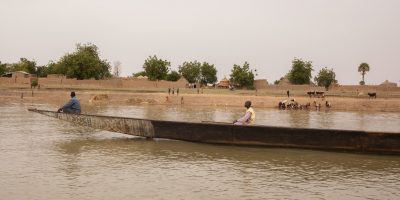
In May 2007, a WorldFish team traveled to the Lake Télé-Lake Ntomba Landscape in the Democratic Republic of Congo to conduct a preliminary assessment of the Lake Ntomba fishery. Primary data were collected through rapid rural assessment techniques in seven…
Briefing
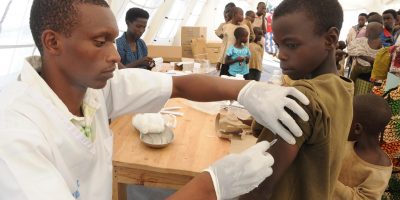
Power, Fairness and Trust: Understanding and Engaging with Vaccine Trial Participants and Communities in the Setting Up the EBOVAC-Salone Vaccine Trial in Sierra Leone
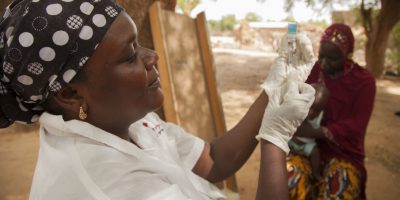
This paper discusses the establishment of a clinical trial of an Ebola vaccine candidate in Kambia District, Northern Sierra Leone during the epidemic, and analyses the role of social science research in ensuring that lessons from the socio-political context, the…
Background report
Perceptions of Oral Cholera Vaccine and Reasons for Full, Partial and Non-Acceptance during a Humanitarian Crisis in South Sudan
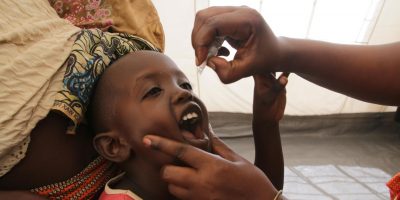
Oral Cholera vaccination (OCV) campaigns were conducted from February to April 2014 among internally displaced persons (IDPs) in the midst of a humanitarian crisis in Juba, South Sudan. IDPs were predominantly members of the Nuer ethnic group who had taken…
Background report
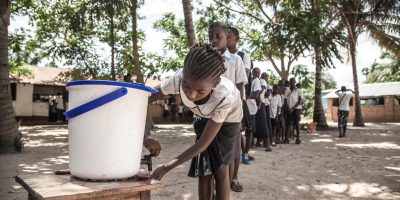
Perceptions of Health Communication, Water Treatment and Sanitation in Artibonite Department, Haiti, March-April 2012
The international response to Haiti’s ongoing cholera outbreak has been multifaceted, including health education efforts by community health workers and the distribution of free water treatment products. Artibonite Department was the first region affected by the outbreak. Numerous organizations have…
Background report
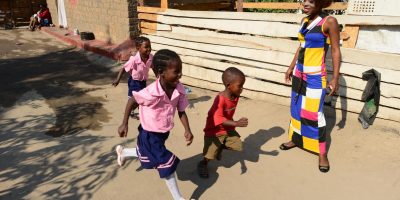
Participation of Women and Children in Hunting Activities in Sierra Leone and Implications for Control of Zoonotic Infections
The emergence of infectious diseases of zoonotic origin highlights the need to understand social practices at the animal-human interface. This study provides a qualitative account of interactions between humans and wild animals in predominantly Mende villages of southern Sierra Leone.…
Background report
NGO Report on Indigenous Pygmy Peoples: Universal Periodic Review of the Democratic Republic of Congo
This alternative report has been prepared by non-governmental organisations of indigenous Pygmy peoples and their supporters: 15 non-governmental organisations that work with indigenous peoples of the Democratic Republic of Congo (DRC). Its aim is to present a picture of the situation of…
Background report
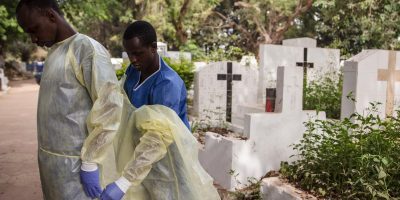
Missing Bodies and Secret Funerals: The Production of “Safe and Dignified Burials” in the Liberian Ebola Crisis
During the height of the Ebola crisis in West Africa, public health responders and the international media focused on dead bodies as sites of disease transmission when early contact tracing discovered the relationship between attendance at funerals and emerging clusters…
Background report
Middle East Respiratory Syndrome Risk Perception among Students at a University in South Korea, 2015
The 2015 Middle East respiratory syndrome (MERS) outbreak in South Korea was a serious threat to public health, and was exacerbated by the inappropriate responses of major institutions and the public. This study examined the sources of confusion during the MERS…
Background report
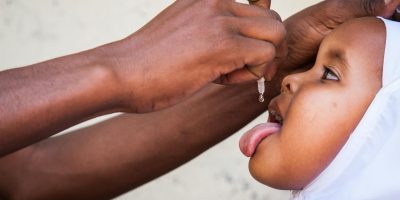
Local Perceptions of Cholera and Anticipated Vaccine Acceptance in Katanga Province, Democratic Republic of Congo
In regions where access to clean water and the provision of a sanitary infrastructure has not been sustainable, Cholera continues to pose an important public health burden. Although oral Cholera vaccines (OCV) are effective means to complement classical Cholera control…
Background report
Local Disease-Ecosystem-Livelihood Dynamics: Reflections from Comparative Case Studies in Africa
This article explores the implications for human health of local interactions between disease, ecosystems and livelihoods. Five interdisciplinary case studies addressed zoonotic diseases in African settings: Rift Valley fever (RVF) in Kenya, human African trypanosomiasis in Zambia and Zimbabwe, Lassa…
Background report
Living with Bats: The Case of Ve Golokuati Township in the Volta Region of Ghana
Transmission of zoonotic pathogens from bats to humans through direct and indirect contact with bats raises public apprehension about living close to bats. In the township of Ve Golokuati in Ghana, several “camps” of Epomophorus gambianus roost in fruit trees…
Background report
Knowledge, Attitudes, and Practices Related to Meningitis in Northern Ghana
Meningitis has a significant impact in the Sahel, but the mechanisms for transmission and factors determining a person’s vulnerability are not well understood. Our survey examined the knowledge, attitudes, and practices of people in a meningitis-endemic area in the Upper…
Briefing
Knowledge, Attitudes and Practices of Lassa Fever in and around Lafia, Central Nigeria
This descriptive cross-sectional study assessed the knowledge, attitudes and practices of Lassa Fever in and around Lafia, Central Nigeria. Structured questionnaires were administered to 200 consenting respondents from urban and sub-urban areas in Lafia. Of the 200 respondents, 87% heard…
Background report
Knowledge, Attitudes and Practices (KAP) Study to Investigate the Health System of Circonscription Socio-Sanitaire (CSS) Ignié Ngabé, Department of Pool, Republic of Congo
It is important to understand a population’s health behaviours and their underlying determinants such as knowledge, attitudes and beliefs related to health, when we seek to deliver appropriate health care services that may increase health service utilization and ultimately population health.…
Background report
Knowledge, Attitudes and Practices (KAP) on Rift Valley Fever among Pastoralist Communities of Ijara District, North Eastern Kenya
Outbreaks of Rift Valley fever (RVF), a mosquito-borne viral zoonosis, have previously been associated with unusually heavy rainfall and extensive flooding. The disease is a serious public health problem in Africa and the Middle East, and is a potential global…
Background report
Knowledge of, Attitudes toward, and Preventive Practices relating to Cholera and Oral Cholera Vaccine among Urban High-Risk Groups: Findings of a Cross-Sectional Study in Dhaka, Bangladesh
In endemic countries such as Bangladesh, consequences of cholera place an enormous financial and social burden on patients and their families. Cholera vaccines not only provide health benefits to susceptible populations but also have effects on the earning capabilities and…
Briefing
Knowledge and Practices Related to Plague in an Endemic Area of Uganda
Plague is a virulent zoonosis reported most commonly from Sub-Saharan Africa. Early treatment with antibiotics is important to prevent mortality. Understanding knowledge gaps and common behaviors informs the development of educational efforts to reduce plague mortality. Methods A multi-stage cluster-sampled…
Research paper
Knowledge and attitude towards Ebola and Marburg virus diseases in Uganda using quantitative and participatory epidemiology techniques
This paper describes knowledge and attitude towards Ebola and Marburg virus outbreaks in two affected communities in Uganda to inform future outbreak responses and help in the design of health education and communication messages.
Background report
Institutional Choice and Fragmented Citizenship in Forestry and Development Interventions in Bikoro Territory of the Democratic Republic of Congo
Substantive citizenship is the ability of an individual to influence those who govern. In order to assess this ‘ability’, this study examined the powers of sanction possessed by individuals or groups and the accountability mechanisms at their disposal in three villages in…
Background report
Innovative Vaccine Delivery Strategies in Response to a Cholera Outbreak in the Challenging Context of Lake Chilwa: A Rapid Qualitative Assessment
A reactive campaign using two doses of Shanchol Oral Cholera Vaccine (OCV) was implemented in 2016 in the Lake Chilwa Region (Malawi) targeting fish dependent communities. Three strategies for the second vaccine dose delivery (including delivery by a community leader…
Background report
Infection Control During Filoviral Hemorrhagic Fever Outbreaks: Preferences of Community Members and Health Workers in Masindi, Uganda
Interviews were conducted with health workers and community members in Masindi, Uganda on improving the acceptability of infection control measures used during an Ebola outbreak. Measures that promote cultural sensitivity and transparency of control activities were preferred and should be…
Background report
Improving Community Coverage of Oral Cholera Mass Vaccination Campaigns: Lessons Learned in Zanzibar
Recent research in two Cholera-endemic communities of Zanzibar has shown that a majority (94%) of the adult population was willing to receive free oral Cholera vaccines (OCVs). Since OCV uptake in the 2009 campaign reached only 50% in these communities,…
Briefing
Implementation of an Ebola Virus Disease Vaccine Clinical Trial during the Ebola Epidemic in Liberia: Design, Procedures, and Challenge
The index case of the Ebola virus disease epidemic in West Africa is believed to have originated in Guinea. By June 2014, Guinea, Liberia, and Sierra Leone were in the midst of a full-blown and complex global health emergency. The…
Background report
Health Seeking Behaviour Among Suspected Cases of Cholera in Cameroonian Health Districts in Lake Chad Basin
Cholera outbreaks are recurrent in Cameroon and despite the efforts put together during epidemics, they are always associated with a high case fatality. Inadequate demand for health care is one of the major factors that might be responsible for the…
Background report
Governing Epidemics in an Age of Complexity: Narratives, Politics and Pathways to Sustainability
This paper elaborates a ‘pathways approach’ to addressing the governance challenges posed by the dynamics of complex, coupled, multi-scale systems, while incorporating explicit concern for equity, social justice and the wellbeing of poor and marginalised groups. It illustrates the approach…
