




Search
Search within
1447 results found
Evidence review
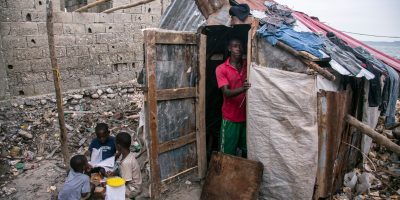
CLTS in Post-Emergency and Fragile States Settings
This issue of Frontiers of CLTS explores the potential, and some of the recorded learning, on how CLTS, as a community-based, collaborative approach to sanitation behavioural change, can be applied successfully in contexts of fragility and displacement, leading to communities…
Briefing
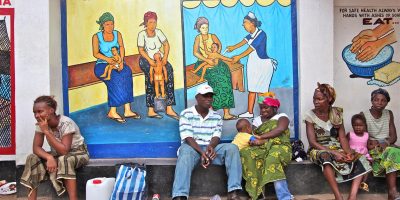
Rebuilding After Catastrophe? A Missed Opportunity for Health and Social Change
Ebola is just one of the many crises the world faced through 2015, which also saw the Nepal earthquakes, Yemen civil war, South Sudan conflict and the Syrian refugee crisis to name but a few. So, what have we learnt?…

Evidence review
Measuring the Quality and Performance of Healthcare Providers in Conflict Settings
The purpose of the review was to provide a summary of possible indicators which might be used to measure the performance and quality of healthcare in conflict-affected settings. There is considerable guidance on measuring access, availability and quantity of health…
Briefing
Scenario Building in Preparation for or during Humanitarian Crises
The humanitarian community often finds itself unprepared for unfolding humanitarian developments or sudden events: the 2010 cholera outbreak in Haiti and the sudden spread of Islamic State areas of control in 2013 in Syria are just two of the many…
Evidence review
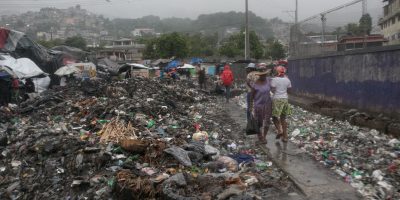
Severity Measures in Humanitarian Needs Assessments – Purpose, Measurement, Integration
Severity is a key parameter in humanitarian decision making. “Severe” is part of ordinary language; “severity” more institutional. We make absolute statements (“The patient is in asevere condition”) as well as comparative ones (“The townspeople are even more severely impacted…
Briefing
Evidence review
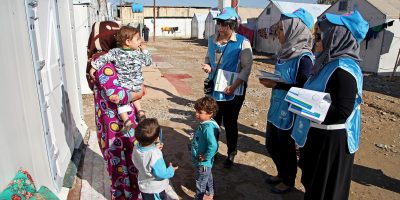
Questionnaire Design for Needs Assessments in Humanitarian Emergencies
The brief starts with an explanation of the main purpose of a questionnaire and the principles that should be followed to reach these objectives. Afterwards, the ten steps of questionnaire development are discussed. The brief concludes with sections on what…

Briefing
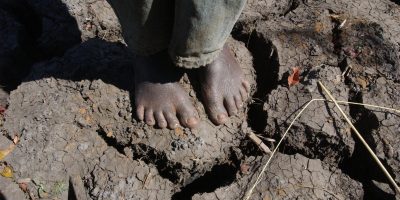
Drought and food insecurity in Ethiopia
An ACAPS Briefing note on the worst drought in Ethiopia for 50 years.
Briefing
Evidence review
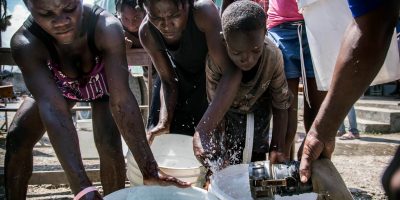
The Impact of Protracted Crises on Attitudes and Aspirations
This rapid review explores the impact of protracted crises on attitudes and aspirations. It provides a general overview of what is meant by the term protracted crisis, a broad reading of the influence of different types of protracted crisis on…
Evidence review
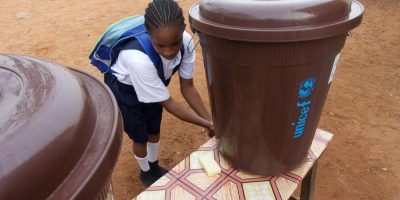
Guide to Community Engagement in WASH: A Practitioner’s Guide, Based on Lessons from Ebola
The Ebola response in Sierra Leone, Liberia and Guinea demonstrated that community engagement is critical in responding to epidemics. This was not always a guiding principle in the fight against Ebola, which initially prioritized biomedical and militarized responses. Working in…

Background report
A Gendered Human Rights Analysis of Ebola and Zika: Locating Gender in Global Health Emergencies
This article analyses the particular relevance of gender for debates about global health and the role for international human rights law in supporting improved health outcomes during public health emergencies. Looking specifically at the recent Ebola and Zika outbreaks, what…
Background report
Transforming Policy into Justice: The Role of Health Advocates in Mozambique
Despite expanding policy commitments in many poor countries, health care is often a failure at the point of delivery. Lack of information, poor enforcement, and power dynamics prevent those whose rights have been violated from pursuing redress. In Mozambique, grassroots…
