




Search
Search within Resources
1456 results found

Background report
Haemorrhagic Fevers in Africa: Narratives, Politics and Pathways of Disease and Response
Outbreak narratives have justified rapid and sometimes draconian international policy responses and control measures. Yet there is a variety of other ways of framing haemorrhagic fevers. There present different views concerning who is at risk, and how? Is the ‘system’…

Briefing
The Lessons of Swine Flu
As the swine flu outbreak backstory seeps out, there are some vitally important lessons that can be learned. Huge investment in pandemic preparedness and contingency plans, improvements in surveillance and response systems and stockpiling of drugs and vaccines have followed recent avian…
Briefing
Beyond Risk Factors: The All-Too-Human World of Zoonotic Pandemics
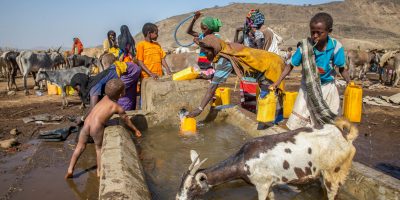
While we might enjoy the entertainment, in real life people prefer their experts to be optimists – which, fortunately, characterises most of us working in the world of global health, even when working in very adverse and trying circumstances. We…
Briefing
Is the Health System Response Out of Sync with the Demands of the Islanders in the Indian Sundarbans?
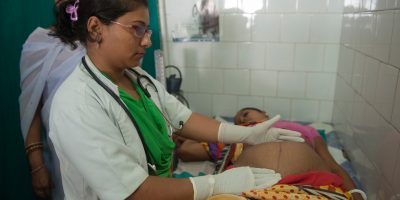
Five years ago, a mid-summer nightmare named Aila crashed on the Sundarbans with murderous fury and wreaked destruction beyond repair. On May 25, 2009 the tropical cyclone hit the Sundarbans in India and Bangladesh with a wind speed of 110…
Evidence review
Research Update and Situation Analysis – Sierra Leone
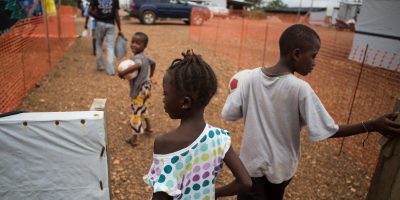
The Dynamic Drivers of Disease in Africa Consortium is an ESPA1-funded research programme designed to deliver much-needed, cutting-edge science on the relationships between ecosystems, zoonoses, health and wellbeing with the objective of moving people out of poverty and promoting social…
Evidence review
Research Update and Situation Analysis – Kenya
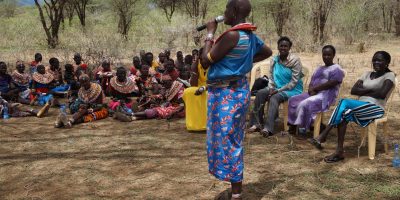
The Dynamic Drivers of Disease in Africa Consortium is an ESPA1-funded research programme designed to deliver much-needed, cutting-edge science on the relationships between ecosystems, zoonoses, health and wellbeing with the objective of moving people out of poverty and promoting social…
Evidence review
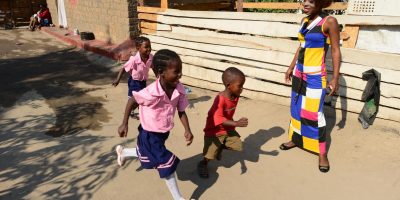
Research Update and Situation Analysis – Zambia
The Dynamic Drivers of Disease in Africa Consortium is an ESPA1-funded research programme designed to deliver much-needed, cutting-edge science on the relationships between ecosystems, zoonoses, health and wellbeing with the objective of moving people out of poverty and promoting social…
Evidence review
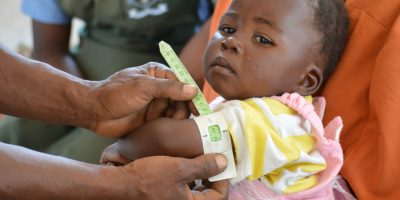
Research Update and Situation Analysis – Zimbabwe
The Dynamic Drivers of Disease in Africa Consortium is an ESPA1-funded research programme designed to deliver much-needed, cutting-edge science on the relationships between ecosystems, zoonoses, health and wellbeing with the objective of moving people out of poverty and promoting social…
Evidence review
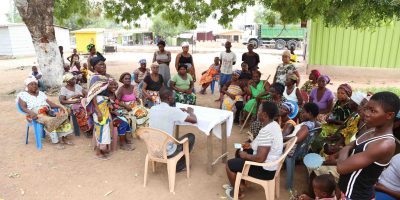
Research Update and Situation Analysis – Ghana
The Dynamic Drivers of Disease in Africa Consortium is an ESPA1-funded research programme designed to deliver much-needed, cutting-edge science on the relationships between ecosystems, zoonoses, health and wellbeing with the objective of moving people out of poverty and promoting social…

Futures thinking
Disease scenarios Africa
This website details scenarios explored by researchers from the Dynamic Drivers of Disease in Africa Consortium and developed by the Stockholm Resilience Centre.

Briefing
Looking Beyond Prosthetics? Including People with Disabilities in Emergency Relief Efforts
As the rapid response briefing on “Including people with disabilities in emergency relief efforts” from IDS shows, emergencies have a disproportionate impact on those already marginalised by society, including people with disabilities and their families. For example, people with disabilities are…
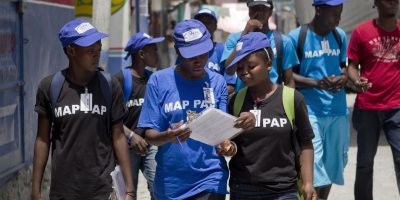
WHO Emergency Reform Consultation Workshop Community Engagement
Community Engagement has been identified as a cross-cutting priority in WHO`s Emergency Reform agenda as outlined in WHO Emergency Reform: Roadmap for Action. The report serves as a blueprint for the reform process and calls for a plan/strategy with “operational…
Briefing
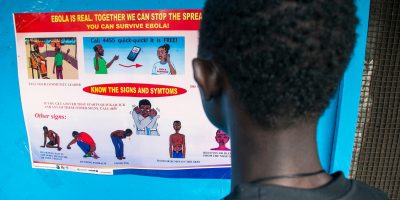
Ebola in a Stew of Fear
Modern medicine owes a debt to West Africans for past sacrifices made in the advancement of global health. The announcement by President Barack Obama of a U.S. commitment to build 17 Ebola treatment centers in Liberia, train medical workers, provide testing kits, and offer logistic support is a welcome…
Briefing
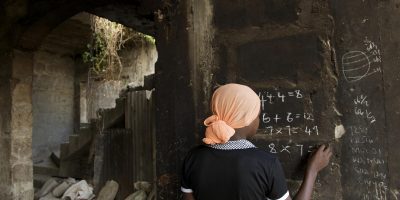
Myths and Realities in Disaster Situations
In this resource, the World Health Organization debunk common myths relating to disaster situations and suggest further reading.
Evidence review
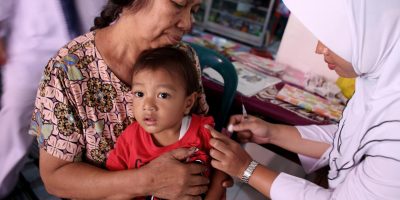
Communication and social mobilization in yellow fever mass vaccination campaigns: 10 points from field experience
The main objective of this document is to provide evidence-based guidance on conducting practical social mobilization and communication for a yellow fever vaccination campaign, either preventive or reactive. Information is also given on the monitoring and evaluation of communication and…

Article
Community mobilization and engagement accelerating ahead of yellow fever prevention campaign in Kinshasa
A statement from WHO on capacity-building and community engagement by district chief medical officers and community organisers in Kinshasa.
Briefing
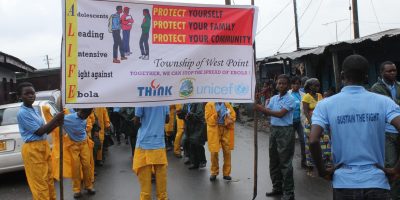
Ebola Diaries: Lessons from Previous Ebola Outbreaks Help with the Response in Guinea
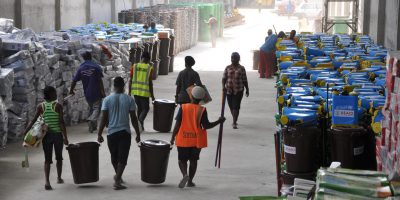
Marie Claire Therese Fwelo Mwanza, a social mobilization expert with 27 years experience at WHO, helped end 5 of the Democratic Republic of Congo’s (DRC) 7 Ebola outbreaks through effective community engagement. In 2014, Marie Claire played a role in…
Briefing
Ebola Diaries: Lessons in Listening
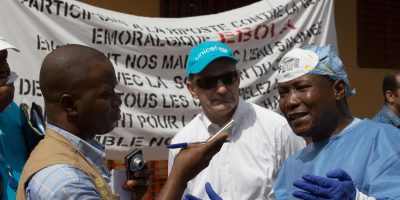
Cheikh Ibrahima Niang, a professor of medical and social anthropology at the Cheikh Anta Diop University in Dakar, Senegal, has researched anthropological aspects of a wide range of health issues. In July 2014, WHO asked him to investigate community attitudes…
Briefing
Working with Communities in Gueckedou for Better Understanding of Ebola
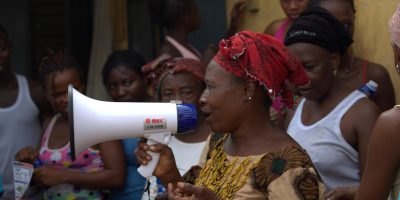
International partners are supporting Gueckedou health authorities to implement response actions. Médecins Sans Frontières has established a treatment centre and ensures the transport of suspected cases.
Briefing
Anthropologists work with Ebola-Affected Communities in Mali
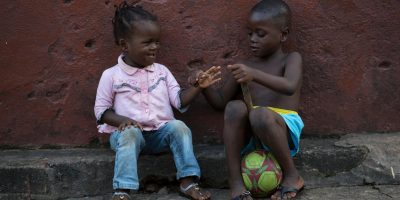
Ebola virus control teams need a mix of expertise, including epidemiologists, logistics specialists, laboratory workers, hygiene experts and various other specialized professions. Social anthropologists play a less well-known but equally important role.
Briefing
Guinea: Reopening Schools Safely – Partnering with Families and Communities
After many months of prolonged closure due to fear of Ebola transmission, schools have reopened in Guinea last month. WHO and partners have played a crucial role in preparing schools to open their doors to students.
Briefing
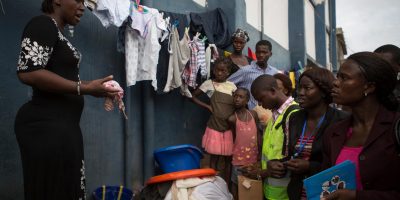
Sierra Leone: Increasing Community Engagement for Ebola On-Air
WHO’s social mobilization team is using radio to reach communities with information about how to prevent the spread of Ebola in Sierra Leone.
Briefing
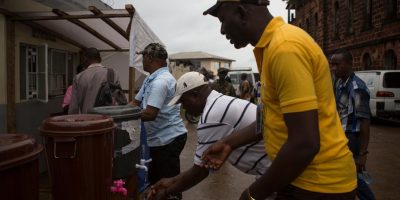
Helping Guinean Communities Fight Ebola
Through household visits, a presence on prefecture streets and conversations with influential members of key community groups, surveillance teams are spreading the message about Ebola and providing support to families
Briefing
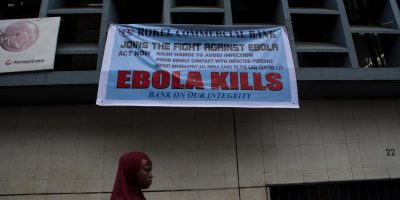
Sierra Leone: Inspiring Confidence and Trust in Ebola Care
In Sierra Leone’s Magazine Wharf, there are mixed perceptions around Ebola response systems. Ambulance services are met with especial scepticism. Many fear that a trip in the ambulance will end in death in an Ebola treatment centre or holding unit.…
Briefing
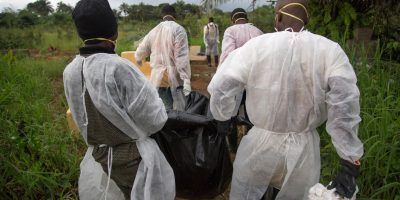
Sierra Leone: Tracing Ebola in Tonkolili
When the Tonkolili District reported a new case of Ebola on 24 July 2015, it marked a change in the Sierra Leone Ebola response. A rapid response team was despatched to manage this new source of infection, the first case…
Background report
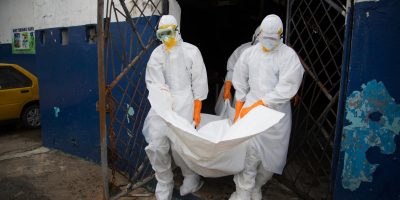
Risk and Outbreak Communication: Lessons from Alternative Paradigms
Risk communication guidelines widely used in public health are based on the psychometric paradigm of risk, which focuses on risk perception at the level of individuals. However, infectious disease outbreaks and other public health emergencies are more than public health…
Background report
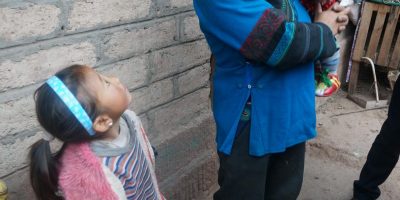
Early Response to the Emergence of Influenza A(H7N9) Virus in Humans in China: The Central Role of Prompt Information Sharing and Public Communication
In 2003, China’s handling of the early stages of the epidemic of severe acute respiratory syndrome (SARS) was heavily criticized and generally considered to be suboptimal. Following the SARS outbreak, China made huge investments to improve surveillance, emergency preparedness and…
Background report
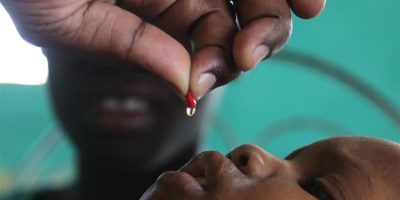
Rapid Monitoring in Vaccination Campaigns during Emergencies: The post-Earthquake Campaign in Haiti
The earthquake that struck Haiti in January 2010 caused 1.5 million people to be displaced to temporary camps. The Haitian Ministry of Public Health and Population and global immunization partners developed a plan to deliver vaccines to those residing in…
Background report
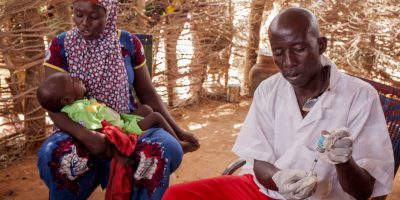
Ethical Considerations for Vaccination Programmes in Acute Humanitarian Emergencies
Humanitarian emergencies result in a breakdown of critical health-care services and often make vulnerable communities dependent on external agencies for care. In resource-constrained settings, this may occur against a backdrop of extreme poverty, malnutrition, insecurity, low literacy and poor infrastructure.…
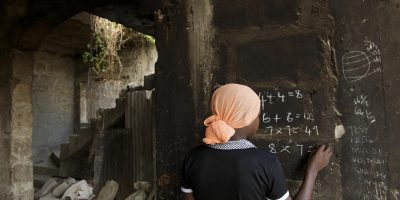
Ethics in Epidemics, Emergencies and Disasters: Research, Surveillance and Patient Care: Training Manual
The training manual has two parts. Part 1 covers ethical issues in research and surveillance, such as conflicts that might arise between the common good and individual autonomy, ethics oversight and publication ethics. Part 2 covers patient care, including triage,…
Policy document
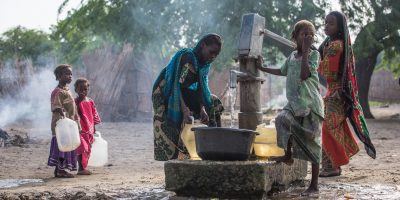
WHO’s six-year strategic plan to minimize the health impact of emergencies and disasters: 2014-2019
The purpose of this document is to outline how WHO plans to contribute to the reduction of death, illness and disability from emergencies while promoting the wellbeing and dignity of those affected.
Evidence review
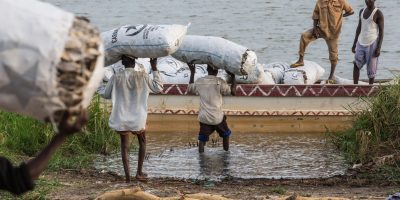
Lessons Learned on Health Adaptation to Climate Variability and Change: Experiences Across Low- and Middle-Income Countries
Climate variability and change are exacerbating many current climate-sensitive health outcomes and have the potential to affect the ability of health system institutions and organizations to maintain or improve health burdens in the context of changing climate and development patterns.…
Tools
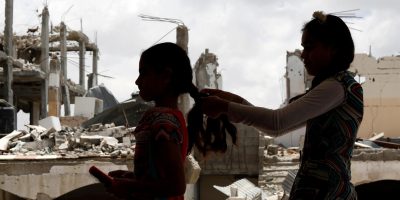
Assessing mental health and psychosocial needs and resources: toolkit for humanitarian settings
This document provides an approach and a toolkit to help those designing and conducting an assessment of mental health and psychosocial needs and resources in major humanitarian crises. These could include major natural and human-made disasters and complex emergencies (for…
Evidence review
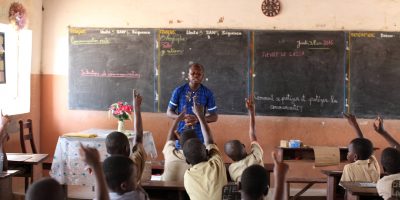
Guidance for Managing Ethical Issues in Infectious Disease Outbreaks
This guidance document on ethical issues that arise specifically in the context of infectious disease outbreaks aims to complement existing guidance on ethics in public health. It should therefore be read in conjunction with more general guidance on issues such…
Tools
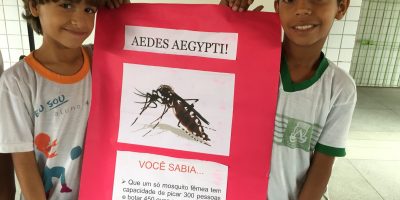
A toolkit for integrated vector management in sub-Saharan Africa
This toolkit for integrated vector management (IVM) is designed to help national and regional programme managers coordinate across sectors to design and run large IVM programmes. It is an extension of earlier guidance and teaching material published by the World…
Evidence review
Guideline: Infant Feeding in Areas of Zika Virus Transmission
The purpose of this guideline is to provide a recommendation to guide governments, ministries of health,policy-makers and health-care workers in regions affected by transmission of Zika virus, in the development of local and national protocols and policies on infant feeding,…
