




Search
Search within Resources
1456 results found
Evidence review
Open Mindsets: Participatory Leadership for Health
The importance of leadership in bringing about change to improve health and well-being is increasingly emphasized — especially with the shift to SDGs — and there is now a need and opportunity to act to strengthen leadership for health. In…
Background report
Mapping the Risk and Distribution of Epidemics in the WHO African Region: A Technical Report
This WHO Technical Report offers a comprehensive spatially defined database of outbreaks and epidemics, and delineates the ecological zones of diseases classified as Public Health Emergency of International Concern (PHEIC) and malaria.

Evidence review
Psychosocial Support for Pregnant Women and for Families with Microcephaly and Other Neurological Complications in the Context of Zika Virus: Interim Guidance for Health-Care Providers
On 1 February 2016 WHO announced that a cluster of microcephaly and other neurologic disorders reported in Brazil is a Public Health Emergency of International Concern. Several countries have reported an increase in the incidence of cases of microcephaly and/or…

Background report
Zika virus risk assessment in the WHO African Region: A Technical Report
This WHO Technical Report seeks to assess the risk of Zika virus outbreak by country in the WHO African region and the capacity to contain it from becoming an epidemic.
Policy document
Setting, measuring and monitoring targets for disaster risk reduction
In many regions, disaster risk is continuing to increase, mostly because greater numbers of vulnerable people and assets are located in exposed areas. It is vital to start reversing these trends. Over the next 18 months, there will be negotiation…
Briefing
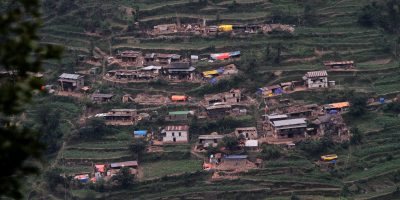
Focus on Nepal Earthquake and Earthquakes in Southern Asia
Nepal witnessed a 7.8 magnitude earthquake on 25th April and a 7.3 quake on 12th May, the worst natural disasters since 1900 in terms of number of dead, population affected and economic losses (A). The earthquakes killed more than 9,000 people…
Background report
The human cost of natural disasters: A global perspective
This report offers a 20-year review of disaster impacts across the world.
Evidence review
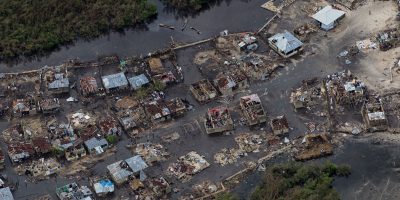
Determinants of the Lethality of Climate-Related Disasters in the Caribbean Community (CARICOM): A Cross-Country Analysis
Floods and storms are climate-related hazards posing high mortality risk to Caribbean Community (CARICOM) nations. However risk factors for their lethality remain untested. We conducted an ecological study investigating risk factors for flood and storm lethality in CARICOM nations for…
Background report
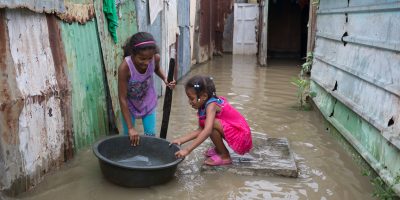
Looking Upstream: Enhancers of Child Nutritional Status in post-Flood Rural Settings
Child undernutrition and flooding are highly prevalent public health issues in many developing countries, yet we have little understanding of preventive strategies for effective coping in these circumstances. Education has been recently highlighted as key to reduce the societal impacts…
Briefing
Disaster Data: A Balanced Perspective
In 2015, 346 natural disasters were recorded in the EM-DAT database. They claimed 22,773 lives, affected over 98 million others and caused economic damages of US$66.5 billion. The largest disaster of 2015 in terms of mortality was the earthquake in Nepal from…
Background report
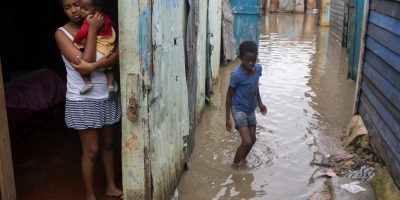
What is the Human Cost of Weather-Related Disasters (1995-2015)?
This publication provides a sober and revealing analysis of weather-related disaster trends over a twenty year time-frame which coincides with a period which has seen the UN Framework Convention on Climate Change Conference of the Parties become an established high-…
Background report
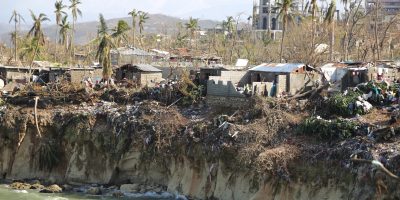
What Is the Association between Absolute Child Poverty, Poor Governance, and Natural Disasters? A Global Comparison of Some of the Realities of Climate Change
The paper explores the degree to which exposure to natural disasters and poor governance(quality of governance) is associated with absolute child poverty in sixty-seven middle-and low-income countries. The data is representative for about 2.8 billion of the world´s population. Institutionalist…
Background report
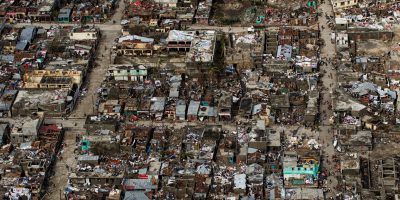
Excess Mortality in Refugees, Internally Displaced Persons and Resident Populations in Complex Humanitarian Emergencies (1998–2012) – Insights from Operational Data
Complex humanitarian emergencies are characterised by a break-down of health systems. All-cause mortality increases and non-violent excess deaths (predominantly due to infectious diseases) have been shown to outnumber violent deaths even in exceptionally brutal conflicts. However, affected populations are very…
Background report
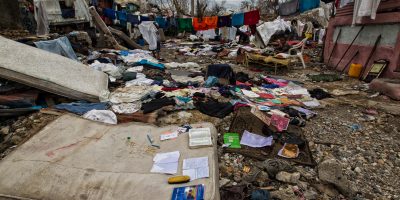
Poverty & death: disaster mortality 1996-2015
A report on worldwide deaths from geophysical disasters.
Background report
Futures thinking
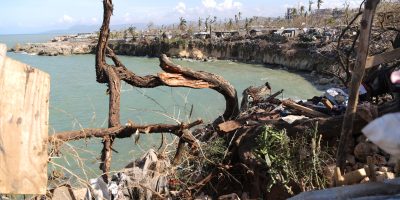
Tsunami disaster risk 2016: past impacts and projections
This report gives mathematical projections underlining that the threat to human life from tsunamis is increasing.
Background report
Stakeholders’ Perception on National Heatwave Plans and their Local Implementation in Belgium and The Netherlands
National heatwave plans are aimed at reducing the avoidable human health consequences due to heatwaves, by providing warnings as well as improving communication between relevant stakeholders. The objective of this study was to assess the perceptions of key stakeholders within…
Briefing
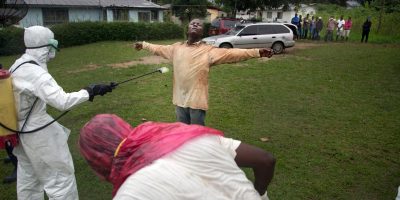
Ebola: Limitations of Correcting Misinformation
This comment piece identifies problematic assumptions behind communication and social mobilisation strategies which rely on using biomedicine to correct local logics and concerns and which cast them as misinformation. The effectiveness of using standardised advice for non-standardised situations is questioned.
Evidence review
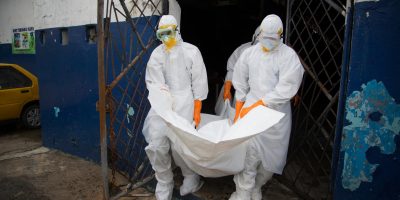
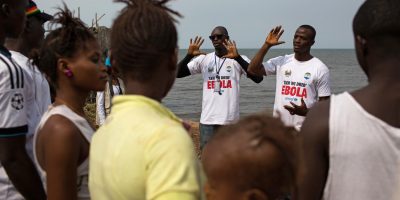
The Opposite of Denial: Social Learning at the Onset of the Ebola Emergency in Liberia
This working paper reports on a study to identify the pace of Ebola-related social learning in urban and peri-urban areas around Monrovia, Liberia during August 2014, at the onset of the emergency phase of the epidemic. The research demonstrates how…
Evidence review
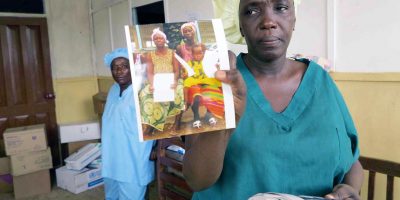
Community-Centered Responses to Ebola in Urban Liberia: The View from Below
This working paper reports on a study to identify epidemic control priorities among 15 communities in Monrovia and Montserrado County, Liberia. Data were collected in September 2014 on the following topics: prevention, surveillance, care-giving, community-based treatment and support, networking/hotlines/calling response…
Evidence review
Stigma and Ebola: An Anthropological Approach to Understanding and Addressing Stigma Operationally in the Ebola Response
‘Stigma’ is an umbrella term for the direct and indirect consequences of a number of processes that brand someone as different in ways that result in discrimination, loss of status and social exclusion. It can be short-term or evolve into…
Evidence review
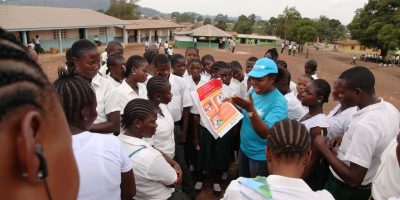
Communication with Rebellious Communities during an Outbreak of Ebola Virus Disease in Guinea: An Anthropological Approach
This paper by Anoko J. N., reports on the success of a communication programme among 26 rebellious villages in Forest Guinea during fieldwork in June-July 2014.
Evidence review
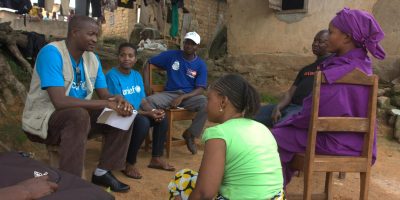
Village Responses to Ebola Virus Disease and its Prevention
The present document is the eighth and final report in a series presenting descriptive results of a survey of responses to Ebola and Ebola control in 26 villages in all three provinces of rural Sierra Leone, fieldwork for which was…
Evidence review
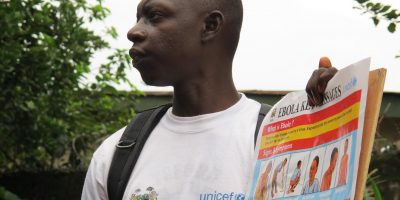
Community Perceptions of Ebola Response Efforts in Liberia: Montserrado and Nimba Counties
This study aimed to support Oxfam’s Public Health Promotion (PHP) strategy through a rapid qualitative assessment of the remaining social barriers to compliance with Ebola prevention and treatment messages. At the time of the study, most Liberians had a high…
Briefing
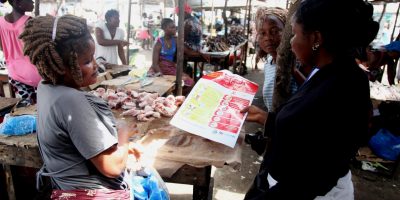
Ebola Can Be Transmitted Sexually for Weeks After Recovery – Education is Crucial
Conflicting messages on the length of time that Ebola remains in semen after recovery make education and prevention confusing. We need to avoid mixed messages and focus on girls’ rights, says anthropologist Pauline Oosterhoff. When I met members of a…
Evidence review
Children’s Ebola Recovery Assessment: Sierra Leone
Nearly half the population of Sierra Leone is under the age of 18 years and the impact of the Ebola crisis on their lives now and on their future opportunities has been far-reaching: no school; loss of family members and…
Briefing
Contextualising Ebola Rumours from a Political, Historical and Social Perspective to Understand People’s Perceptions of Ebola and the Responses to it
This briefing explores how rumours about Ebola in Sierra Leone influences people’s perception and response to Ebola, from the political, historical and social perspectives. Despite the efforts of the World Health Organisation to control the Ebola outbreak, achieving zero cases…
Briefing
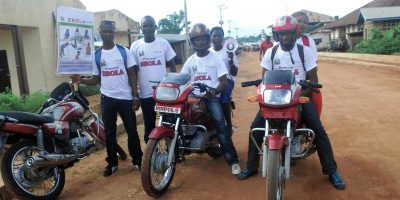
Communities are the Real Heroes – Doing Social Mobilisation Differently: Lessons and Recommendations from the Ebola Outbreak
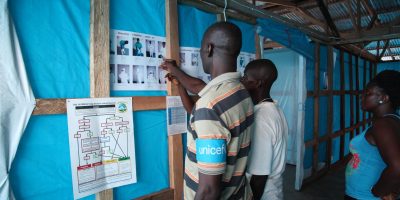
The Ebola outbreak in West Africa has reinvigorated the debate about the role of ‘social mobilisation’ and ‘community engagement’, not only in response to devastating disease but a range of other intractable issues affecting Africa and the rest of the…
Briefing
Diaspora Communications and Health Seeking Behaviour in the Time of Ebola: Findings from the Sierra Leonean Community in London
The Sierra Leonean diaspora was active in responding to the Ebola outbreak that hit Sierra Leone in March 2014, both by providing financial and material support, and through direct communication with relatives, friends and colleagues back home. This paper looks…
Evidence review
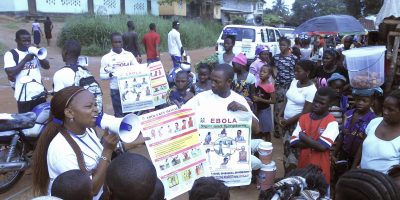
The First Mile: Community Experience of Outbreak Control during an Ebola Outbreak in Luwero District, Uganda
A major challenge to outbreak control lies in early detection of viral haemorrhagic fevers (VHFs) in local community contexts during the critical initial stages of an epidemic, when risk of spreading is its highest (“the first mile”). This paper documents…
Briefing
Sand and Dust Storms Fact Sheet
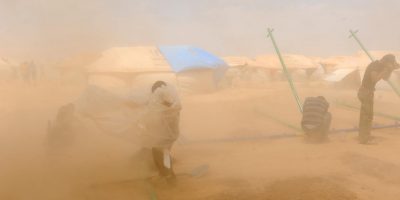
Sand and dust storms are a global environmental problem that affects the health and livelihoods of millions of people across the world. These storms, which have increased in frequency, intensity and geographical range in recent decades, have an immense impact…
Background report
Health through People’s Empowerment: A Rights-Based Approach to Participation
Analysis of the academic discourse on participation, empowerment, and the right to health since the 1978 Alma-Ata International Conference on Primary Health Care and the subsequent Alma-Ata Declaration shows that each phase of the evolution of these concepts added important…
Background report
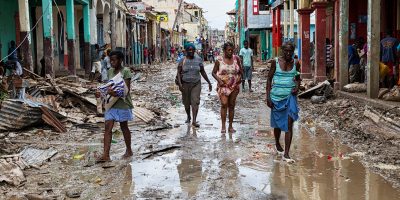
Measuring the Way Forward in Haiti: Grounding Disaster Relief in the Legal Framework of Human Rights
This article provides results from an online survey of humanitarian workers and volunteers that was conducted in May and June 2010. The purpose of the survey was to understand how the humanitarian aid system adopts or incorporates human rights into…

Briefing
Using a Human Rights Accountability Framework to Respond to Zika
Like other mosquito-borne viruses, Zika thrives in areas with substandard sanitation and infrastructure—which are directly linked to state failures to ensure the basic human right to an adequate standard of living. Until recently, the Zika virus was thought to be…
Briefing
Ebola and Human Rights: Insight from Experts
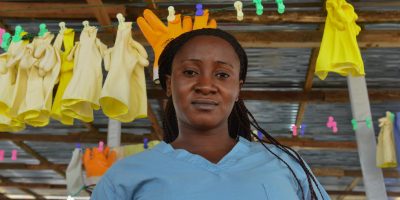
Ebola demonstrates the critical link between health and human rights, the lack of governance, and the misdirection that befalls the international community in addressing such outbreaks. Human rights experts agree that the Ebola response falls into Lawrence Gostin’s paradigm whereby…
Background report
Prioritizing Health: A Human Rights Analysis of Disaster, Vulnerability, and Urbanization in New Orleans and Port-au-Prince
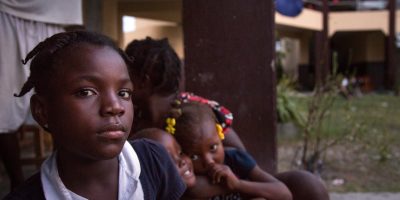
Climate change prompts increased urbanization and vulnerability to natural hazards. Urbanization processes are relevant to a right to health analysis of natural hazards because they can exacerbate pre-disaster inequalities that create vulnerability. The 2010 earthquake in Port-au-Prince and the 2005…
Background report
Transforming Policy into Justice: The Role of Health Advocates in Mozambique
Despite expanding policy commitments in many poor countries, health care is often a failure at the point of delivery. Lack of information, poor enforcement, and power dynamics prevent those whose rights have been violated from pursuing redress. In Mozambique, grassroots…
