
Ebola Bundibugyo Virus Disease outbreak – Democratic Republic of the Congo
On the 16 May 2026, the World Health Organization (WHO) determined the current outbreak of Ebola disease caused by Bundibugyo Virus in the Democratic Republic of the Congo a public health emergency of international concern (PHEIC).
Initially confined to the Mongbwalu health zone in Ituri Province, the outbreak has now expanded to 64 health zones across seven provinces (Ituri, North Kivu, South Kivu, Haut-Uélé, Tshopo, Bas-Uélé and Sud Ubangi). The outbreak is now the largest Ebola outbreak ever reported in the Democratic Republic of the Congo. As of 6 October 2026, the country has recorded 8728 confirmed cases and 4205 confirmed deaths, corresponding to a crude case fatality ratio (CFR) of 48.2%. At the national level, transmission remains intense, although the burden is unevenly distributed.
On 6 October 2026, the Government of Kenya notified WHO of a first imported case of BVD from the DRC. Health authorities in Kenya have so far listed 28 contacts, including family members and health workers who cared for the patient. Kenya is the fourth country to confirm BVD.
The continuously high case fatality ratio underscores the severity of the disease and ongoing challenges related to timely case detection, access to and quality of clinical care, and effective interruption of viral transmission. Delays in recognising cases increase the likelihood of onward transmission within households, communities and healthcare facilities. The convergence of insecurity, population displacement and mobility, and cross-border movements complicate response operations and increase the risk of further geographical spread.
This collection brings together new and past SSHAP resources featuring social science insights from Ebola outbreaks – primarily concerning the Ebola-Zaire and Sudan Virus strains – in DRC, Uganda, Guinea, and elsewhere to help inform the response, across pillars, to the current outbreak.
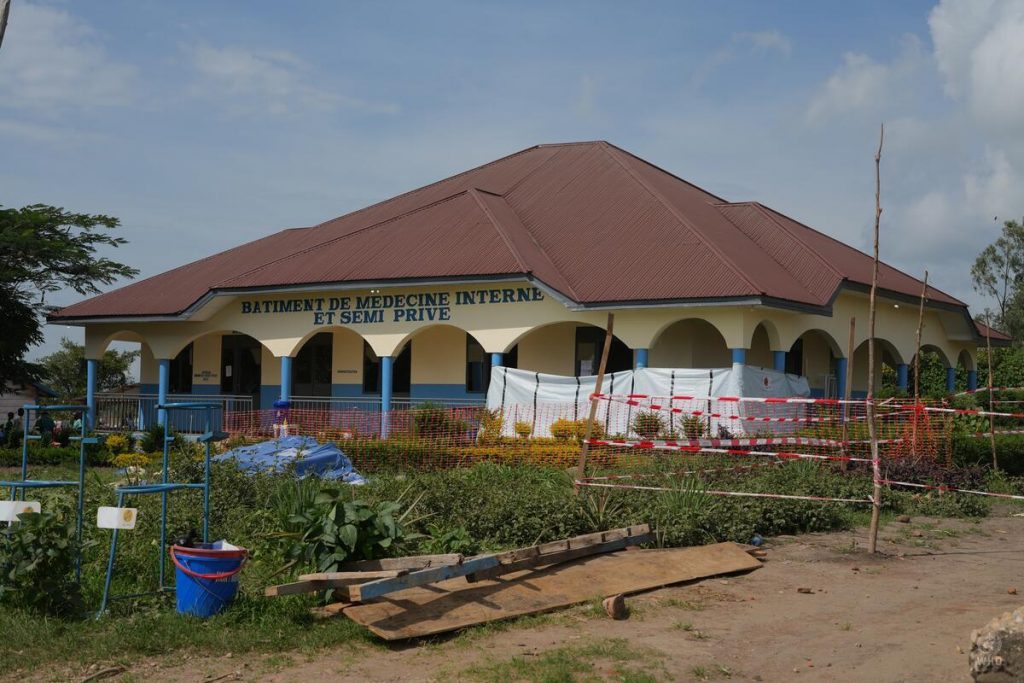
2026 Ebola outbreak in DRC
Rapid Evidence Review: School-Based Transmission of Orthoebolaviruses

MHRN Roundtable Report: Social and Behavioural Science Priorities for Ebola Clinical Trials in DRC
Key Considerations: Cross-Border Dynamics Between South Sudan and DRC in the Context of the Bundibugyo Ebola Outbreak

Key Considerations: Cross-Border Dynamics Between Uganda and DRC in the Context of the Bundibugyo Ebola Outbreak
Recommendations: Rapid Synthesis of Social and Behavioural Science learnings on Ebola for the Bundibugyo Virus Outbreak (2026) Ituri, DRC
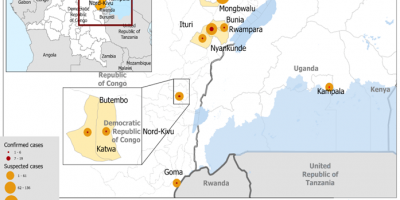
Ituri Ebola Outbreak 2026 (DRC) – Summary overview of context
Contextual Note on the Ebola Bundibugyo Outbreak in Ituri (2026)
Contextual note: Funeral practices in Ituri
2025 & 2022 Ebola outbreaks in Uganda
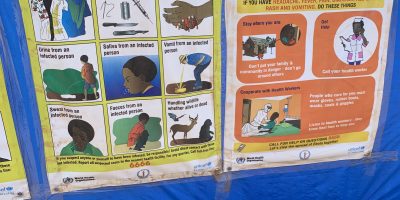
RCCE in the 2022 Ebola Outbreak Response in Greater Kampala, Uganda
Using social science in response to the 2022 Ebola outbreak in Uganda
Cross-border dynamics between Burundi and Tanzania in the context of viral haemorrhagic fever outbreaks, 2025
Cross-Border Dynamics Between Uganda and South Sudan in the Context of the Outbreak of Ebola, 2022
Cross-Border Dynamics Between Uganda and Kenya in the Context of the Outbreak of Ebola, 2022
Cross-Border Dynamics Between Uganda and Tanzania in the Context of the Outbreak of Ebola, 2022
Cross-border dynamics between Uganda and Rwanda in the context of the outbreak of Ebola, 2022
2021 Ebola outbreak in Guinea
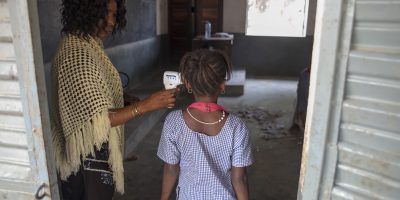
Key Considerations: 2021 Outbreak of Ebola in Guinea, the Context of N’Zérékoré
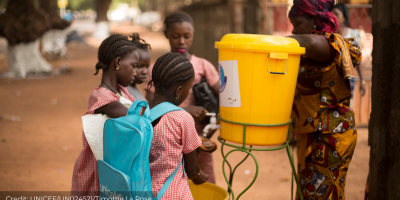
SSHAP Roundtable: 2021 Ebola Outbreak in Guinea
Lessons Learned from 2014–2016 Ebola Outbreak in Guinea: A Review of RCCE Related Publications
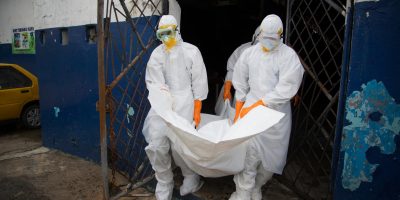
Balancing Burial Rituals with Public Health Demands During the 2014 Guinean Ebola Epidemic
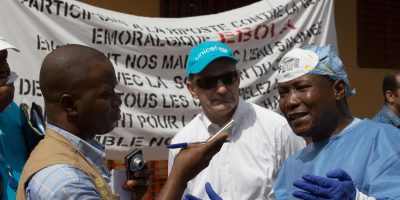
Comparison of Social Resistance to Ebola Response in Sierra Leone and Guinea Suggests Explanations Lie in Political Configurations not Culture

Guinea: Reopening Schools Safely – Partnering with Families and Communities
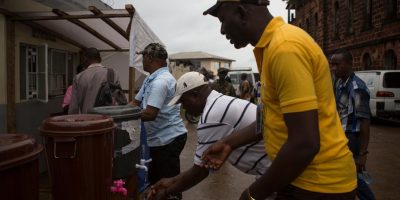
Helping Guinean Communities Fight Ebola

Understanding Social Resistance to Ebola Response in Guinea
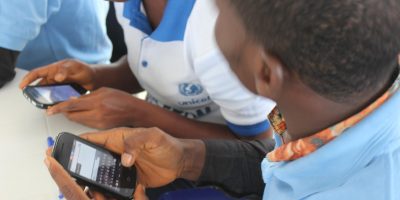
Communication with Rebellious Communities during an Outbreak of Ebola Virus Disease in Guinea: An Anthropological Approach
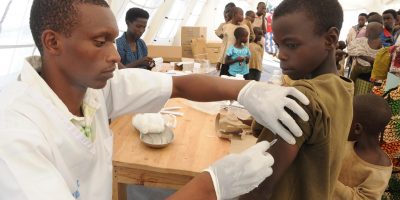
The Social Dynamics of Infant Immunisation in Africa: Perspectives from the Republic of Guinea
Understanding Social Resistance to Ebola Response in Guinea

‘Resistance’ in Guinea
Emergency Ebola Anthropology Network Advisory Brief: Culture and Clinical Trials
The significance of death, funerals and the after-life in Ebola-hit Sierra Leone, Guinea and Liberia: Anthropological insights into infection and social resistance
Regional food insecurity, work migration and roadblocks
The flow of money at the community level
Burial/Other Cultural Practices and Risk of EVD Transmission in the Mano River Region
Les Gens du Riz (The Rice People) Kissi Funerals in the region of Guekedou and Kissidougou
Ebola and Older People in Sierra Leone, Liberia and Guinea
2018-2020 Ebola outbreak in North Kivu, DRC
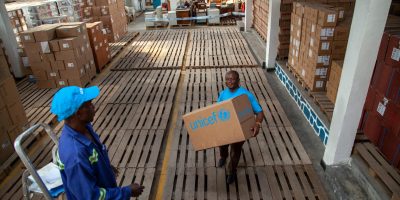
Ebola Preparedness and Readiness in Goma, DRC
Key considerations: the context of North Kivu province, DRC

Mental Health and Psychosocial Support, North Kivu, DRC
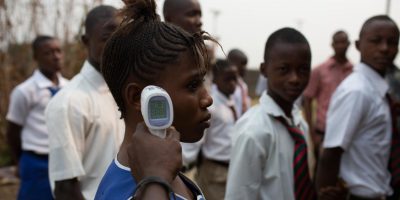
Changing Behaviours & Care-Seeking Practices in the Grand Nord, North Kivu, DRC
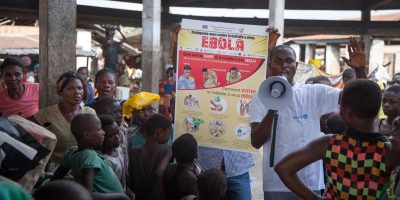
Local burial and mourning practices: open-ended questions
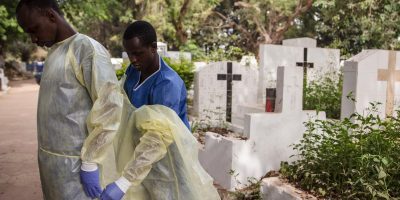
Burial, Funeral and Mourning Practices in North Kivu Province, DRC
Cross-Border Dynamics Between South Sudan and DRC
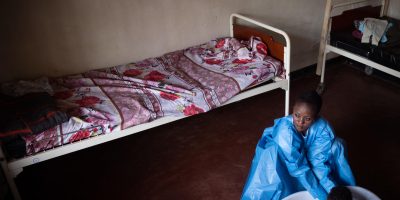
Cross Border Dynamics: Burundi-DRC
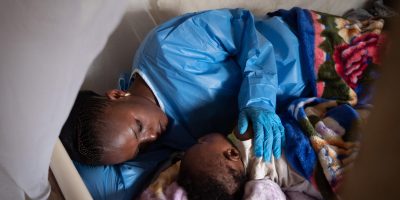
Cross-Border Dynamics and Healthcare in West Nile, Uganda
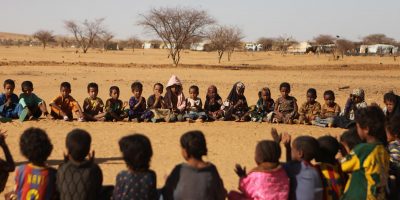
Rwanda – DRC cross border dynamics
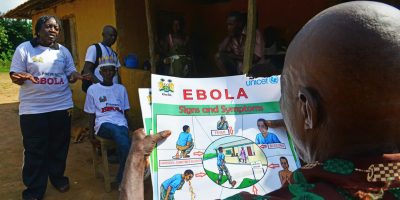
Bushmeat in the Border Areas of South Sudan and DRC
Uganda-DRC Cross-Border Dynamics
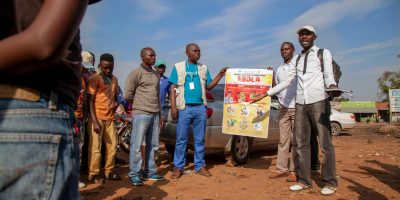
Politics, Factions and Violence: Listening to Local Voices on Ebola: Local Media Update
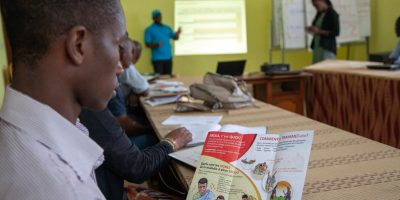
Media and Local Messages on Ebola in the Grand Nord, DRC
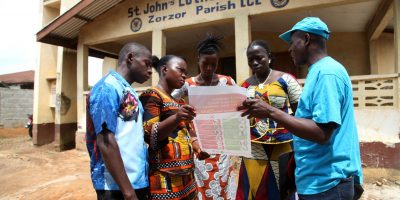
WhatsApp and Local Media (Grand Nord)
Behavioural Data Compilation #1
Behavioural Data Compilation #2
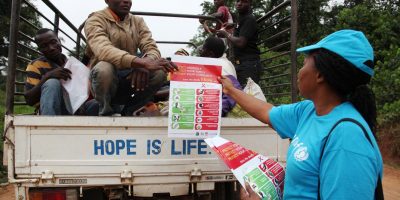
Behavioural Data Compilation #3
Behavioural Data Compilation #4
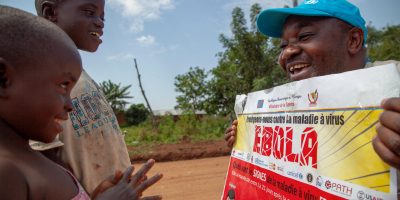
Behavioural Data Compilation #5
2018 Ebola outbreak in Equateur, DRC
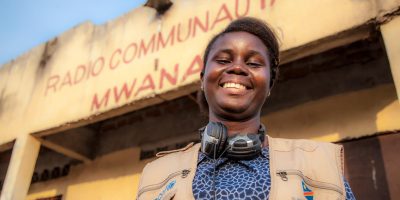
The Context of Équateur Province, DRC
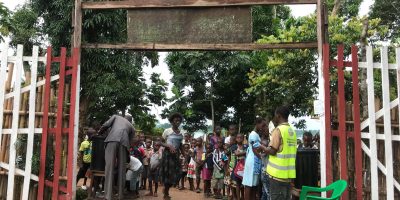
Engaging Twa Communities in Équateur Province
Key Considerations: Health-Seeking Behaviours in Équateur Province, DRC
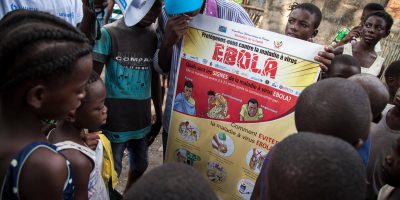
Burial, Funeral and Mourning Practices in Équateur Province, DRC

Socio-Cultural Considerations for Vaccine Introduction and Community Engagement
Note de Partage rapide de la Cellule d’Analyse Intégrées d’Ebola: Equateur 2020 (Juin a Novembre 2020)
Question banks and other tools
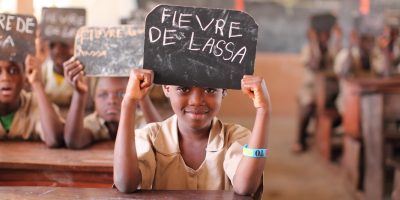
Viral haemorrhagic fevers question bank
Questions bank for healthcare workers during infectious disease outbreaks
Rapid qualitative assessment training – 10 modules in English, French, Spanish and Portuguese
Mpox question bank: Qualitative questions for community-level data collection
Rapid appraisal of key health-seeking behaviours in epidemics

Rapid anthropological assessments in the field
Assessing key considerations for burial practices, death and mourning in epidemics
Rapid remote context analysis tool (RR-CAT) in epidemics
Taking a psychosocial approach to epidemic response
SSHAP mpox briefings related to the DRC

Mpox, mining, and vulnerabilities of women and children in eastern DRC
Risk communication and community engagement for mpox vaccination in Eastern DRC
Risk communication and community engagement for mpox vaccination in Eastern DRC
Roundtable Report: Discussion on mpox in DRC and social science considerations for operational response
Other relevant SSHAP resources
Community-Based Surveillance in Public Health