




Search
Search within Resources
1456 results found
Background report
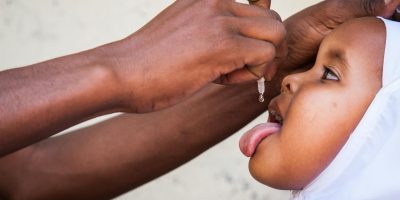
A Rapid Qualitative Assessment of Oral Cholera Vaccine Anticipated Acceptability in a Context of Resistance Towards Cholera Intervention in Nampula, Mozambique
While planning an immunization campaign in settings where public health interventions are subject to politically motivated resistance, designing context-based social mobilization strategies is critical to ensure community acceptability. in preparation for an Oral Cholera Vaccine campaign implemented in Nampula, Mozambique,…
Background report
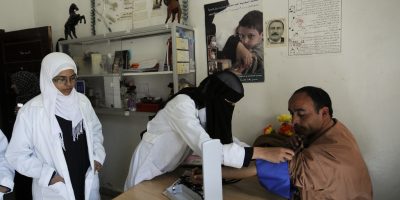
“It feels like I’m the dirtiest person in the world.”: Exploring the Experiences of Healthcare Providers who Survived MERS-CoV in Saudi Arabia
In summer 2015, a Saudi 1000-bed tertiary care hospital experienced a serious outbreak among patients of Middle Eastern Respiratory Syndrome (MERS); during which, some healthcare providers contracted the virus, but none died. The outbreak provoked not only fear and stress;…
Briefing
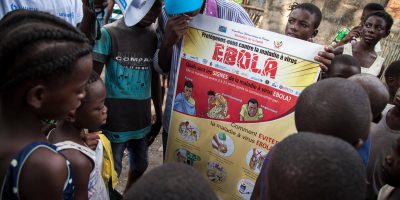
Risk Communication and Community Engagement (RCCE) Considerations: Ebola Response in DR Congo
This document was developed by the WHO’s Health Emergencies Programme as a resource for the response to the outbreak in DR Congo in May 2018. It is intended to be used to guide risk communication and community engagement (RCCE) work…
Background report
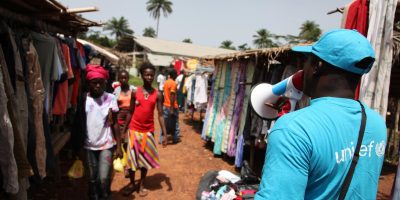
Addressing Ebola-related Stigma: Lessons Learned from HIV/AIDS
Many stigmatizing attitudes and behaviors directed towards those with EVD are strikingly similar to those with HIV/AIDS but there are significant differences worthy of discussion. Both diseases are life-threatening and there is no medical cure. Additionally misinformation about affected groups…
Evidence review
Socio-Cultural Considerations for Vaccine Introduction and Community Engagement fr
Key considerations and immediate recommendations, particularly for community engagement, in May 2018 for the Ebola outbreak in DRC.
Background report
Knowledge, Attitudes and Practices on Rift Valley Fever among Agro Pastoral Communities in Kongwa and Kilombero Districts, Tanzania
“Rift valley fever (RVF) is a re-emerging viral vector-borne disease with rapid global socio-economic impact. A large RVF outbreak occurred in Tanzania in 2007 and affected more than half of the regions with high (47 %) case fatality rate. Little…
Evidence review
Evidence review
Rapid Qualitative Research Methods During Complex Health Emergencies: A Systematic Review of the Literature
The 2013-2016 Ebola outbreak in West Africa highlighted both the successes and limitations of social science contributions to emergency response operations. An important limitation was the rapid and effective communication of study findings. A systematic review was carried out to…
Background report
Recurrent Failings of Medical Humanitarianism: Intractable, Ignored, or Just Exaggerated?
Humanitarian health workers operate in dangerous and uncertain contexts, in which mistakes and failures are common, often have severe consequences, and are regularly repeated, despite being documented by many reviews. This Series paper aims to discuss the failures of medical…
Background report
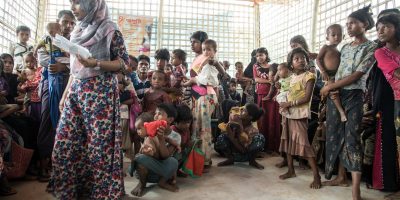
Gender-Based Violence Among Documented Rohingya Refugees in Bangladesh
The Rohingya, a Muslim minority group from the northern part of Rakhine State (formerly Arakan) in Myanmar, is among the most vulnerable of the world’s refugee communities. This study aims to shed light on gender-based violence among documented Rohingya refugees…
Evidence review
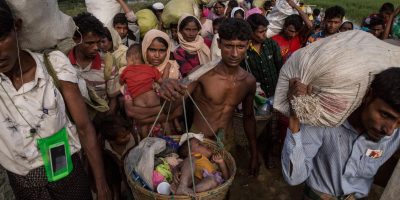
Social and Cultural Factors Shaping Health and Nutrition, Wellbeing and Protection of the Rohingya Within a Humanitarian Context
More than half a million Rohingya refugees, 60% of them children (UNICEF 2017), have crossed the border into Bangladesh, joining refugee camps or settling informally, and are in dire need of basic services such as food, health care, and protection.…
Briefing
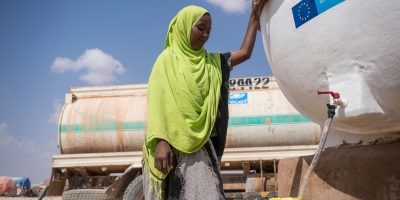
Guidance Note 1: Contextual Factors and Risks to Cholera/AWD Transmission in Somalia and the Somali Region of Ethiopia
The purpose of this guidance note is to support UNICEF staff in understanding the contextual factors (the practices, behaviours, social norms and wider factors) that shape risks of cholera transmission, being able to separate the social and cultural factors from…
Briefing
Guidance Note 2: Seeking Treatment for Cholera in Somalia and the Somali Region of Ethiopia: Contextual Factors
The purpose of this guidance note is to support UNICEF staff in understanding the contextual factors (the practices, behaviours, social norms and wider factors) that shape risks of cholera transmission, being able to separate the social and cultural factors from…
Background report
Field notes
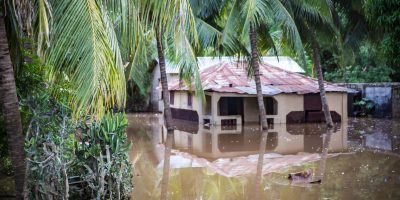
Cholera Fears Rise Following Atlantic Hurricanes
As hurricanes barrel through some of the most impoverished communities in the Western Hemisphere, and as floods ravage Yemen, Sierra Leone, Bangladesh and India, now is the time to rethink and prioritize cholera epidemic prevention and response. In the aftermath…

Background report
Ethno-Demographic Dynamics of the Rohingya-Buddhist Conflict
Ethno-demographic grievances define the conflict between Buddhist and Rohingya-Muslim populations in the Rakhine State of Myanmar. Due to the government’s decision to avoid the enumeration of self-identifying Rohingya, this study has relied on several recent local surveys to reconstruct a…
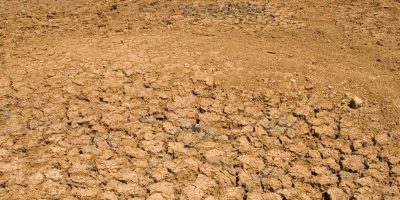
8 Critical Factors Behind Every Food Crisis
From the beginning of time, their have been food crises in one form or another. Ancient books such as the Bible have records of various famines devastating portions of the world. And while it’s easy to attribute these crises to…
Evidence review
Contextual Factors Shaping Cholera Transmission and Treatment-Seeking in Somalia and the Somali Region of Ethiopia
The drought in the Horn of Africa and the protracted conflict has created a humanitarian emergency that has led to a declaration of famine in several regions of Somalia and the Somali region of Ethiopia. As a result of depleted…
Evidence review
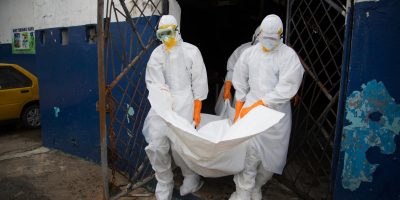
Estimating the Number of Secondary Ebola Cases Resulting from an Unsafe Burial and Risk Factors for Transmission during the West Africa Ebola Epidemic
Safely burying Ebola infected individuals is acknowledged to be important for controlling Ebola epidemics and was a major component of the 2013–2016 West Africa Ebola response. Yet, in order to understand the impact of safe burial programs it is necessary…
Evidence review
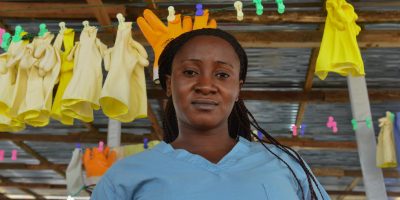
Material Proximities and Hotspots: Toward an Anthropology of Viral Hemorrhagic Fevers
This article outlines a research program for an anthropology of viral hemorrhagic fevers (collectively known as VHFs). It begins by reviewing the social science literature on Ebola, Marburg, and Lassa fevers and charting areas for future ethnographic attention. We theoretically…
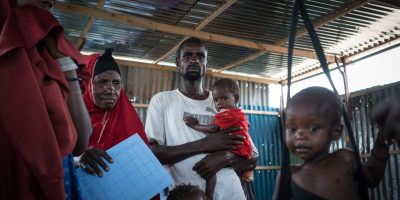
Evidence review
The Private Sector and Health: A Survey of Somaliland Private Pharmacies.
Within the private sector there are numerous levels of private care, but the majority of private facilities offering clinical care are clustered in large cities and are only accessible to the few who can afford them (and indeed, wealthier Somalis…
Background report
Somalia Livelihood Profiles
In Somalia, Food Security and Nutrition Analysis Unit (FSNAU) - a multi-donor project managed by the Food and Agriculture Organization of the United Nations) and FEWS NET are working together to ensure that livelihood products, tools, and skills meet FSNAU’s…
Briefing
Assessing Drought Displacement Risk for Kenyan, Ethiopian and Somali Pastoralists
This study represents an initial attempt to assess patterns of displacement related to droughts in selected countries of the Horn of Africa, specifically the border regions of Kenya, Ethiopia and Somalia. The study explores several scenarios to identify potential impacts…
Evidence review
Is Settling Good for Pastoralists? The Effects of Pastoral Sedentarization on Children’s Nutrition, Growth, and Health among Rendille and Ariaal of Marsabit District, Northern Kenya.
The settling of formerly mobile pastoral populations is occurring rapidly throughout East Africa. Pastoral sedentarization has been encouraged by international development agencies and national governments to alleviate problems of food insecurity, health care delivery, and national integration. However, it has…
Evidence review
The Aftermath of Aid: Medical Insecurity in the Northern Somali Region of Ethiopia
This dissertation explores the lasting effects of recurrent temporary medical humanitarian operations through ethnographic research in communities, clinical facilities, nongovernmental aid organizations, and governmental bureaucracies in the northern Somali Region of Ethiopia.
Evidence review
Somali Health Care System and Post-Conflict Hybridity
The aim of this article is to contribute to this understanding of the wider health care system in a post-conflict Somali context, in particular in Somaliland. The fieldwork included participant observation and interviews of several local healers and their patients…

Background report
A Gendered Human Rights Analysis of Ebola and Zika: Locating Gender in Global Health Emergencies
This article analyses the particular relevance of gender for debates about global health and the role for international human rights law in supporting improved health outcomes during public health emergencies. Looking specifically at the recent Ebola and Zika outbreaks, what…
Evidence review
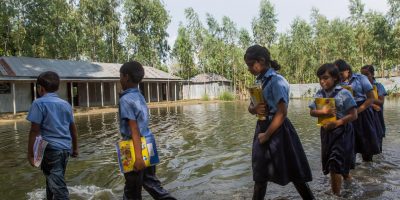
Effects of Climate Change on the Social & Environmental Determinants of Health in Africa
The authors present current evidence on how climate change impacts on social and environmental determinants of health and the link between these determinants and the vulnerability of local communities. They outline proven community-based interventions that local populations in developing countries…
Background report
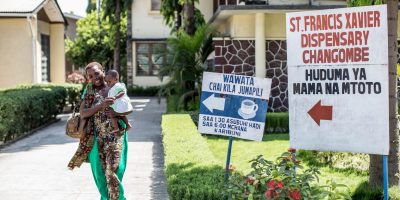
Preventing and Coping with HIV/AIDS in Post-Conflict Situations: Gender-Based Lessons
This briefing note summarises the rationale behind a symposium held in South Africa, which objectives were: to provide a quick overview of gender-sensitive practices which have been effective in preventing and coping with HIV/AIDS in communities in the aftermath of…
Background report
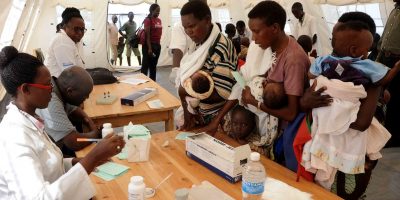
Prioritising Health Activities in Humanitarian Crises
The Sphere Humanitarian Charter states that: All people should have access to health services that are prioritised to address the main causes of excess mortality and morbidity. There are a number of handbooks to aid prioritisation in crisis situations (highlighted…

Evidence review
Including People with Disabilities in Emergency Relief Efforts
More must be done to ensure the needs and rights of people with disabilities are fully recognised in disaster risk reduction and emergency responses. Accelerating progress will require inclusive humanitarian programming and the use of technological solutions to be effectively…
Briefing
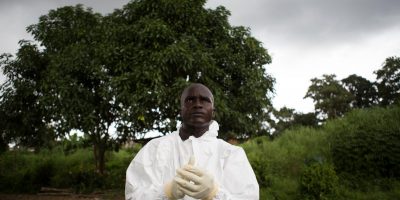
Managing Rumours and Misinformation in West Africa
Rumours about Ebola generated social challenges that were real but surmountable, finds Amzath Fassasi.

Briefing
Managing Health Crises After Ebola: Key Resources
Rachel Thomas maps out the various institutions involved in the response and reviews communication challenges. The ongoing outbreak of Ebola in West Africa is the largest and longest since the virus was discovered four decades ago. Many organisations have been…
Evidence review
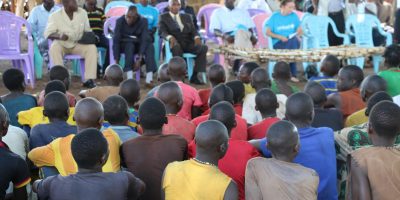
Revisiting Therapeutic Governance: The Politics of Mental Health and Psychosocial Programmes in Humanitarian Settings
In the last thirty years, humanitarian programmes have increasingly sought to preserve not only physical life and health, but also to address psychological needs and promote social well-being. This growing prioritisation of psychological issues in humanitarian settings can be seen…
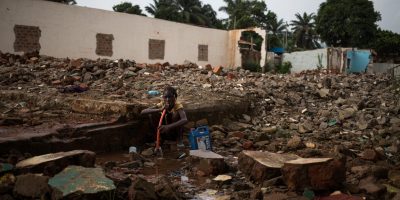
Psychosocial Intervention in Complex Emergencies: A Framework for Practice
This working paper sets about developing a common framework that summarises key knowledge in the field of psychosocial interventions in emergencies in order to provide agencies with some tools’ for making decisions about the type of interventions they can implement.…
Evidence review
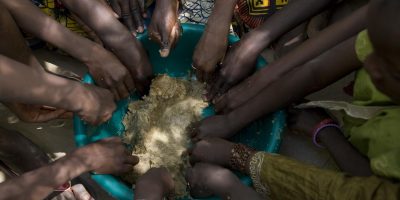
Nutrition Interventions for Older People in Emergencies
In emergency situations, older people may find it hard to access food. For example, when they are displaced, older people may face difficulties in registering for the general food rations, meet challenges in accessing food distributions and difficulties transporting the…
Comment
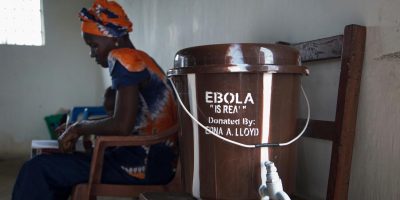
Social science intelligence in the global Ebola response
Correspondence on continued poor integration of social sciences during global health crises.
