




Search
Search within Resources
1456 results found
Briefing
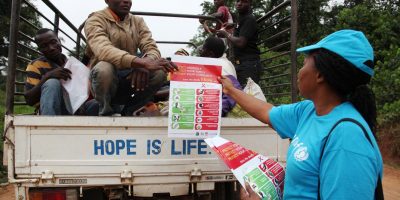
The Ebola Virus Disease in Liberia: Improving Community Awareness for Disease Surveillance
At the time of the 2014–2015 Ebola Virus Disease (EVD) outbreak, Liberia was still recovering from years of civil war and unrest. The country’s infrastructure was very poor, especially in rural regions, where people could not easily travel because of the lack of adequate roads. Liberia’s health…
Briefing
Uganda-DRC Cross-Border Dynamics
This brief summarises key considerations concerning cross-border dynamics between Uganda and DRC, including surveillance and community engagement.
Briefing
Social Science in Epidemics: Cholera Lessons Learned (Background Report)
This report is the first instalment of the ‘Social Science in Epidemics’ series, commissioned by the USAID Office of U.S. Foreign Direct Assistance (OFDA). In this series, past outbreaks are reviewed in order to identify social science ‘entry points’ for…
Briefing
Xenofobia y Discriminación Hacia Refugiados y Migrantes Venezolanos en Ecuador y Lecciones Aprendidas para la Promoción de la Inclusión Social
La crisis política y económica en Venezuela ha transformado al país desde 2010 de un país receptor de inmigrantes a un país emisor de emigrantes. Más de 4,000 venezolanos ingresan a Ecuador cada día, y actualmente la población de venezolanos…
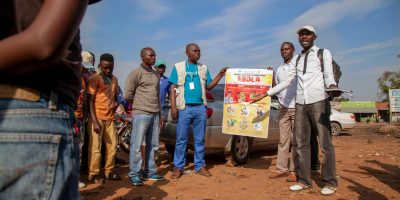
Background report
Evidence review
Social science in epidemics: Ebola virus disease lessons learned fr
Summary and background reports offering recommendations on local customs, health care systems and other topics.
Briefing
Behavioural Data Compilation #1 fr
A rapid compilation of data analyses for November 2018 in the context of the Ebola outbreak in North Kivu and Ituri provinces.
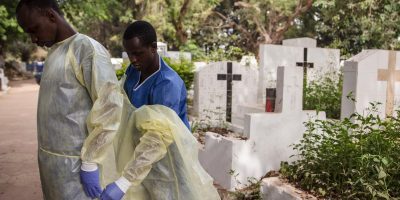
Briefing
Cultural Practices on Burial and Care for the Sick in South Sudan
Literature on cultural practices for burial and care for the sick among individual ethnic groups in South Sudan was very limited. However, it clearly points to the importance of proper burials among all ethnic groups: these typically entail washing the…
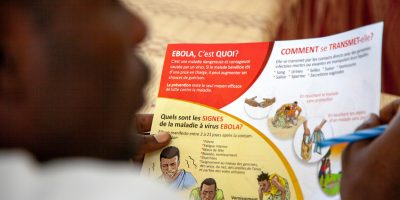
Briefing
Ebola Preparedness and Traditional Healers in South Sudan
This review focuses on the evidence on Ebola preparedness in South Sudan through an anthropological lens, looking at informal and traditional health care systems. It presents the evidence on how these can be utilised for surveillance, behaviour change communication, and…

Briefing
Mental Health and Psychosocial Support, North Kivu, DRC fr
Key considerations including recommendations to strengthen the mental health and psychosocial response.
Briefing
Risk Communication and Community Engagement Preparedness and Readiness Framework: Ebola Response in the Democratic Republic of Congo in North Kivu
Risk Communication and Community Engagement (RCCE) is an essential part of any disease outbreak response. Risk communication in the context of an Ebola outbreak refers to real time exchange of information, opinion and advice between frontline responders and people who are faced with the threat of Ebola…
Briefing
WhatsApp and Local Media (Grand Nord)
An overview of key messages circulating on WhatsApp and the local media (radio, print and video) in North Kivu in September 2018.
Briefing
Changing Behaviours & Care-Seeking Practices in the Grand Nord, North Kivu, DRC fr
Key considerations and immediate recommendations related to community engagement.
Briefing
Burial, Funeral and Mourning Practices in North Kivu Province, DRC fr
Key socio-cultural considerations of events related to death, burial, funerals (rites or ceremonies), and mourning.
Tools
Local burial and mourning practices: open-ended questions
Questionnaires for rapid quantitative surveys and qualitative appraisals of burial and funeral practices in the context of an Ebola outbreak.
Briefing
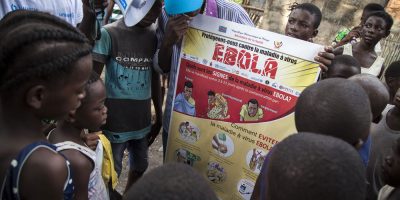
The Context of North Kivu Province, DRC fr
Key considerations about the context of North Kivu province including insecurity and local actors.
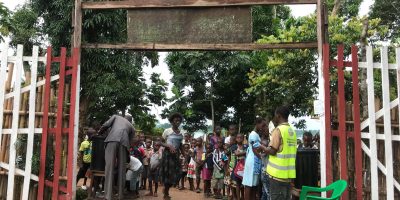
Video: Encouraging Safe and Dignified Burial of People who have Died from Ebola
Social Anthropologist Julienne Anoko visits communities to encourage safe and dignified burial. Infection of the Ebola virus can occur from touching the bodies of those who have died from Ebola virus disease (EVD).
Briefing
Engaging Twa Communities in Équateur Province fr
Key socio-anthropological considerations regarding ‘indigenous communities’.
Briefing
Key Considerations: Health-Seeking Behaviours in Équateur Province, DRC fr
Key socio-cultural considerations concerning health beliefs and health-seeking behaviour.
Briefing
The Context of Équateur Province, DRC fr
Key considerations about the context of Équateur Province, including climate, infrastructure and politics.
Evidence review
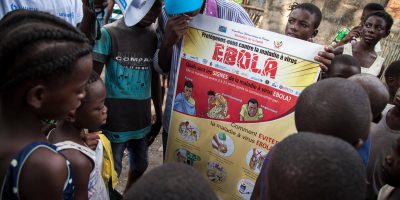
Burial, Funeral and Mourning Practices in Équateur Province, DRC fr
Key socio-cultural considerations concerning events related to death, burial, funerals (rites or ceremonies), and mourning.
Briefing
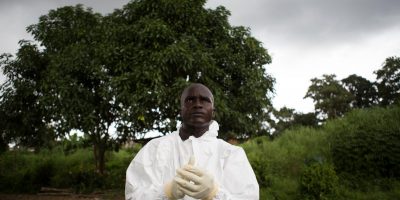
Zoonotic Disease Risk and the Bushmeat Trade: Assessing Awareness Among Hunters and Traders in Sierra Leone
The bushmeat industry has been a topic of increasing importance among both conservationists and public health officials for its influence on zoonotic disease transmission and animal conservation. While the association between infectious diseases and the bushmeat trade is well established…

Background report
Women’s Reproductive Health Knowledge, Attitudes and Practices in Relation to the Zika Virus Outbreak in Northeast Brazil
The objective of this report is to assess knowledge, pregnancy attitudes and contraceptive practices in relation to the Zika virus outbreak in Brazil. They interviewed 526 women 18 to 49 years old in primary health services in a Northeastern capital…
Background report
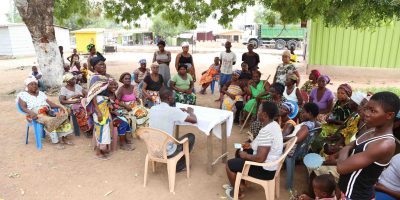
“We Know Who is Eating the Ebola Money!”: Corruption, the State, and the Ebola Response
Sierra Leonean production of knowledge about Ebola was, in large part, production of knowledge about “who ate the Ebola money.” This article traces people’s responses to the Ebola crisis through a number of different moments, at each point reflecting on…
Background report
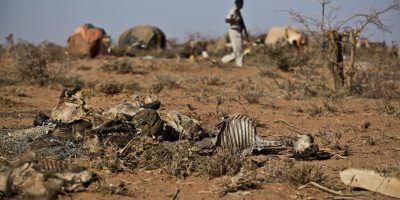
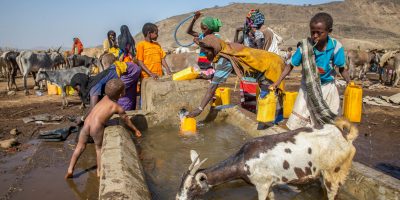
We Do Not Bury Dead Livestock Like Human Beings: Community Behaviors and Risk of Rift Valley Fever Virus Infection in Baringo County, Kenya
Rift Valley Fever (RVF), is a viral zoonotic disease transmitted by Aedes and Culex mosquitoes. in Kenya, its occurrence is associated with increased rains. in Baringo County, RVF was first reported in 2006-2007 resulting in 85 human cases and 5…
Background report
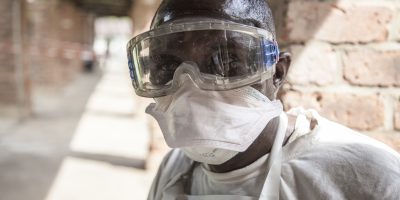
Views from Many Worlds: Unsettling Categories in Interdisciplinary Research on Endemic Zoonotic Diseases
Interdisciplinary research on zoonotic disease has tended to focus on ‘risk’ of disease transmission as a conceptual common denominator. With reference to endemic zoonoses at the livestock-human interface, we argue for considering a broader sweep of disciplinary insights from anthropology…

Background report
Use of SMS-Based Surveys in the Rapid Response to the Ebola Outbreak in Liberia: Opening Community Dialogue
During an emerging health crisis like the 2014 Ebola outbreak inWest Africa, communicating with communities to learn from them and to provide timely information can be a challenge. Insight into community thinking, however, is crucial for developing appropriate communication content…
Background report
Unintended Consequences of the ‘Bushmeat Ban’ in West Africa during the 2013-2016 Ebola Virus Disease Epidemic
Following the 2013-2016 outbreak of Ebola virus disease (EVD) in West Africa, governments across the region imposed a ban on the hunting and consumption of meat from wild animals. This injunction was accompanied by public health messages emphasising the infectious…
Briefing
UNICEF Annual Report 2016, Democratic Republic of Congo
Despite its vast physical size and abundant natural resources, the Democratic Republic of Congo (DRC) is one of the poorest countries in the world, ranking 176th out of 188 countries and territories in the 2015 Human Development Index. Child poverty…
Briefing
UNICEF Annual Report 2015, Democratic Republic of Congo
Despite noticeable progress in some dimensions of children’s rights and significant Gross Domestic Product (GDP) growth, the Democratic Republic of Congo (DRC) is a challenging place for most children and their families, particularly for those living in conflict-affected and hard-to-reach areas. The national…
Background report
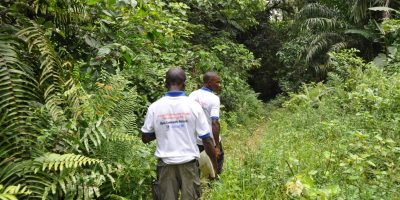
Understanding Social Resistance to the Ebola Response in the Forest Region of the Republic of Guinea: An Anthropological Perspective
Why did Ebola response initiatives in the Upper Guinea Forest Region regularly encounter resistance, occasionally violent? Extending existing explanations concerning local and humanitarian “culture” and “structural violence,” and drawing on previous anthropological fieldwork and historical and documentary research, this article…

Background report
Understanding Framings and Perceptions of Spillover: Preventing Future Outbreaks of Bat-Borne Zoonoses?
Bats provide many ecosystem services and have intrinsic value. They also act as host reservoirs for some viruses. Several studies have linked zoonotic diseases to bats, raising questions about the risks bats pose, especially to people living close to bat…

Background report
The Social and Political Lives of Zoonotic Disease Models: Narratives, Science and Policy
Zoonotic diseases currently pose both major health threats and complex scientific and policy challenges, to which modelling is increasingly called to respond. In this article we argue that the challenges are best met by combining multiple models and modelling approaches…

Background report
The SARS-Associated Stigma of SARS Victims in the Post-SARS Era of Hong Kong
This article explores the disease-associated stigma attached to the SARS victims in the post-SARS era of Hong Kong. The author argues that the SARS-associated stigma did not decrease over time. Based on the ethnographic data obtained from 16 months of…
Background report
The Pygmy Mimic
The Pygmy mimic is an extremely persistent colonial trope that continues to inform contemporary anthropological understandings of Africa’s Pygmy populations. Mimicry is now understood as being a key component of the social reproduction of a distinct Pygmy way of being.…
Background report
The One Health Approach to Identify Knowledge, Attitudes and Practices that affect Community Involvement in the Control of Rift Valley Fever Outbreaks
Rift Valley Fever (RVF) is a viral mosquito-borne disease with the potential for global expansion, causes hemorrhagic fever, and has a high case fatality rate in young animals and in humans. Using a cross-sectional community-based study design, we investigated the…
Background report
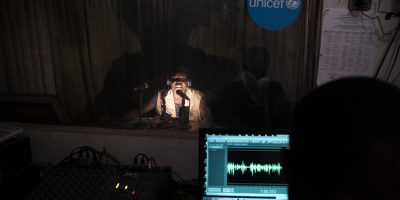
The Fight against Lassa Fever in Ebonyi State, Nigeria: A Clash of the People’s Culture and Broadcast Media Campaign
Ebonyi State of Nigeria is among the states where the incidence of Lassa Fever has become endemic; and has consequently led to the death of many people including health practitioners in the state. To mobilise the people against the disease,…
