




Search
Search within
1456 results found
Briefing
The AAA/Wenner-Gren Ebola Emergency Response Workshop
As of November 4, 2014, the current Ebola outbreak in West Africa is confirmed to have infected 13,268 individuals, with 4,960 total deaths estimated. The global Ebola response is evolving rapidly, and as it has evolved, it has become increasingly apparent…
Research paper
Understanding why ebola deaths occur at home in urban Montserrado County, Liberia
Ebola Virus Disease (EVD) home deaths occur as the result of infected persons not being detected early and sent to Ebola Treatment Units (ETU) where they can access care and have an improved chance of survival. From a public health…
Field notes
Woman saves three relatives from Ebola
It can be exhausting nursing a child through a nasty bout with the flu, so imagine how 22-year-old Fatu Kekula felt nursing her entire family through Ebola. Her father. Her mother. Her sister. Her cousin. Fatu took care of them…

Evidence review
A systematic review of public health emergency operations centres (EOC)
This systematic review examined peer-reviewed and grey literature to document global best practices for effective public health emergency response by EOC.
Research paper
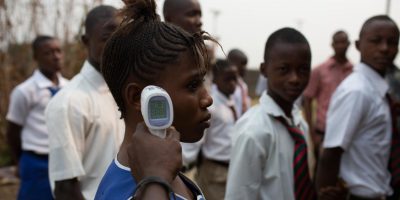
IDSR as a platform for implementing IHR in African countries
Of the 46 countries in the World Health Organization (WHO) African region (AFRO), 43 are implementing Integrated Disease Surveillance and Response (IDSR) guidelines to improve their abilities to detect, confirm, and respond to high priority communicable and non-communicable diseases. IDSR…
Evidence review
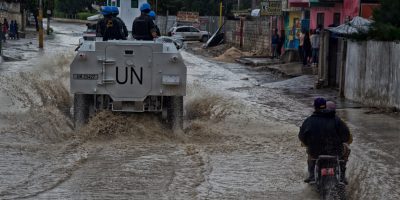
Natural Disasters, Armed Conflict, and Public Health
The effects of armed conflict and natural disasters on global public health are widespread. Much progress has been made in the technical quality, normative coherence, and efficiency of the health care response. But action after the fact remains insufficient. In…
Evidence review
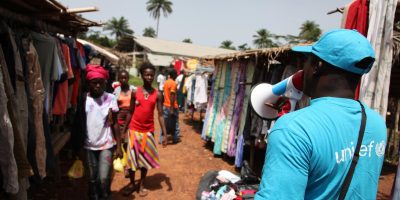
How Sure Are You? Judging Quality and Usability of Data Collected during Rapid Needs Assessments
The objective of this technical brief is to provide guidance on how you could assess the quality of information used as evidence for decision making during humanitarian needs assessments. It aims to assist analysts in understanding the distinction between sources…
Briefing
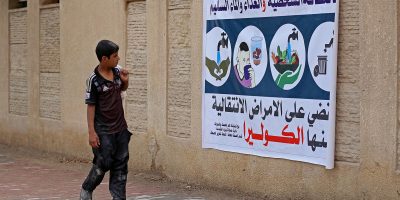
Scenario Development
A scenario projects alternative ways in which a situation might evolve. It is a set of informed assumptions about a situation that may require humanitarian action. Building scenarios involves speculating about an uncertain future and envisaging different possible outcomes for…

Evidence review
Call Detail Records: The Use of Mobile Phone Data to Track and Predict Population Displacement in Disasters
Information about the displacement of people after disasters is crucial in determining the scale and impact of the emergency, and is vital for conducting humanitarian needs assessment on the ground. Methods to forecast or detect such migration are however very…
Evidence review
Evaluation of Ebola Response – Uganda
In recent months Uganda has experienced three separate Viral Hemorrhagic Fever (VHF) outbreaks. Two Ebola outbreaks in the districts of Kibaale and Luwero and one Marburg event in Kabaale. URCS responded in all three cases with assistance from the IFRC…
Evidence review
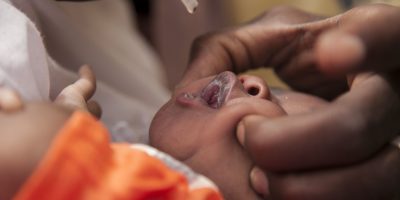
Health Epidemics Evaluation Report
In 2012 Uganda experienced many disease outbreaks including Measles, Ebola, Marburg and Nodding disease. Two Ebola outbreaks and one Marburg event were in quick succession and placed the Ministry of Health and the Uganda Red Cross (URCS) as well as…

Background report
Challenging Orthodoxies: The Road Ahead for Health and Human Rights
Two decades of work delivering health care in poor communities provide a standpoint from which to challenge conventional doctrines in human rights and public health. These orthodoxies include the priority often assigned to civil and political rights over economic and…
Background report
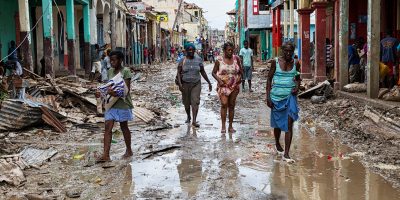
Measuring the Way Forward in Haiti: Grounding Disaster Relief in the Legal Framework of Human Rights
This article provides results from an online survey of humanitarian workers and volunteers that was conducted in May and June 2010. The purpose of the survey was to understand how the humanitarian aid system adopts or incorporates human rights into…
Background report
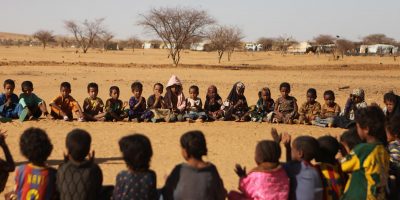
Health through People’s Empowerment: A Rights-Based Approach to Participation
Analysis of the academic discourse on participation, empowerment, and the right to health since the 1978 Alma-Ata International Conference on Primary Health Care and the subsequent Alma-Ata Declaration shows that each phase of the evolution of these concepts added important…
Background report
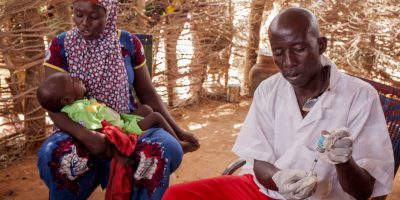
Ethical Considerations for Vaccination Programmes in Acute Humanitarian Emergencies
Humanitarian emergencies result in a breakdown of critical health-care services and often make vulnerable communities dependent on external agencies for care. In resource-constrained settings, this may occur against a backdrop of extreme poverty, malnutrition, insecurity, low literacy and poor infrastructure.…
Background report
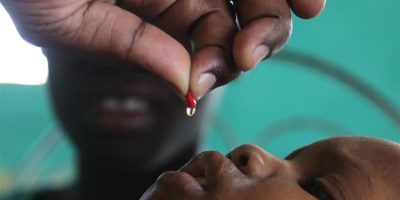
Rapid Monitoring in Vaccination Campaigns during Emergencies: The post-Earthquake Campaign in Haiti
The earthquake that struck Haiti in January 2010 caused 1.5 million people to be displaced to temporary camps. The Haitian Ministry of Public Health and Population and global immunization partners developed a plan to deliver vaccines to those residing in…
Evidence review
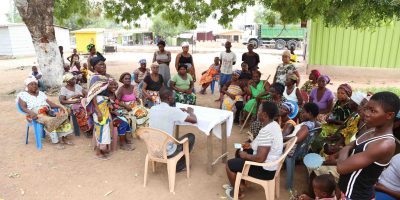
Research Update and Situation Analysis – Ghana
The Dynamic Drivers of Disease in Africa Consortium is an ESPA1-funded research programme designed to deliver much-needed, cutting-edge science on the relationships between ecosystems, zoonoses, health and wellbeing with the objective of moving people out of poverty and promoting social…
Evidence review
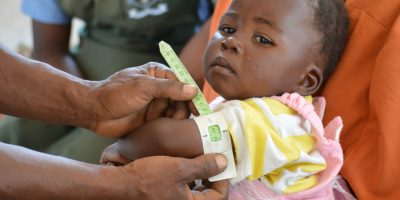
Research Update and Situation Analysis – Zimbabwe
The Dynamic Drivers of Disease in Africa Consortium is an ESPA1-funded research programme designed to deliver much-needed, cutting-edge science on the relationships between ecosystems, zoonoses, health and wellbeing with the objective of moving people out of poverty and promoting social…
Evidence review
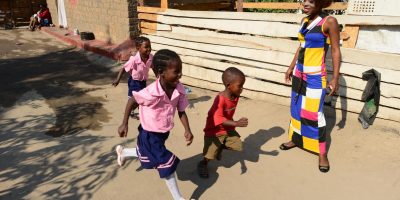
Research Update and Situation Analysis – Zambia
The Dynamic Drivers of Disease in Africa Consortium is an ESPA1-funded research programme designed to deliver much-needed, cutting-edge science on the relationships between ecosystems, zoonoses, health and wellbeing with the objective of moving people out of poverty and promoting social…
Evidence review
Research Update and Situation Analysis – Kenya
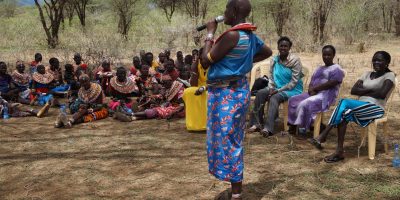
The Dynamic Drivers of Disease in Africa Consortium is an ESPA1-funded research programme designed to deliver much-needed, cutting-edge science on the relationships between ecosystems, zoonoses, health and wellbeing with the objective of moving people out of poverty and promoting social…
Evidence review
Research Update and Situation Analysis – Sierra Leone
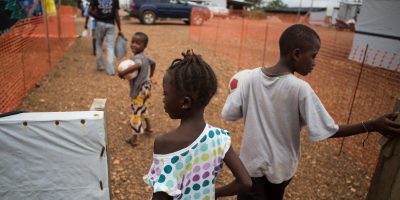
The Dynamic Drivers of Disease in Africa Consortium is an ESPA1-funded research programme designed to deliver much-needed, cutting-edge science on the relationships between ecosystems, zoonoses, health and wellbeing with the objective of moving people out of poverty and promoting social…

Briefing
Swine Flu: What Went Wrong?
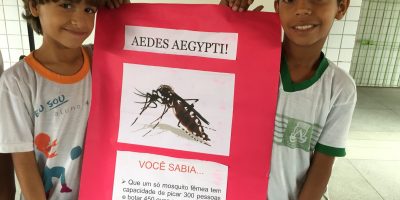
Although the H1N1 ‘swine flu’ pandemic of 2009-10 was less severe than anticipated, the event revealed weaknesses in the world’s current configuration of planning for and responding to pandemic influenza, according to new research outlined in this briefing. Science, public…
Briefing
Evidence review
Zoonoses From Panic to Planning
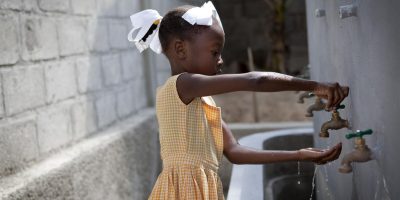
This Rapid Response briefing from the Dynamic Drivers of Disease in Africa Consortium sets out recommendations for a new, integrated ‘One Health’ approach to zoonoses that moves away from top-down disease-focused intervention to putting people first.Over two thirds of all…
Background report
Environmental Determinants of Cholera Outbreaks in Inland Africa: A Systematic Review of Main Transmission Foci and Propagation Routes
Cholera is generally regarded as the prototypical waterborne and environmental disease. In Africa, available studies are scarce, and the relevance of this disease paradigm is questionable. Cholera outbreaks have been repeatedly reported far from the coasts: from 2009 through 2011,…
Background report
Interaction between Climatic, Environmental, and Demographic Factors on Cholera Outbreaks in Kenya
Cholera remains an important public health concern in developing countries including Kenya where 11,769 cases and 274 deaths were reported in 2009 according to the World Health Organization (WHO). This ecological study investigates the impact of various climatic, environmental, and…
Futures thinking
Scenarios for the South African water sector in 2025
A paper reporting on a project to build knowledge about key drivers and uncertainties related to the future of the South African water sector.
Evidence review
Potential Impact of Climate Change on Livestock Production and Health in East Africa: A Review
Agriculture and livestock are amongst the most climate sensitive economic sectors in the developing countries whilst the rural poor communities are more vulnerable to the adverse effects of climate change. Climate change is real and is happening now. Current knowledge…
Futures thinking
Humanitarian trends in Southern Africa: challenges and opportunities
This report gives the findings of field research, secondary data analysis and detailed interrogation of humanitarian emergencies, and proposes six broad clusters of potential threats.
Briefing
Impact of Aid for Health and Education on Gender Equity and Human Development
Initial high human development index scores and per capita income have a strong impact on the outcomes of aid to the health and education sectors.An increase in the share of the government budget allocated to education and health improves overall…
Briefing
Famine in Somalia and the Failure of Data-Driven Humanitarianism
Andrew Seal and Rob Bailey discuss the limitations of data-driven humanitarian efforts, and the lessons learned from the 2011 Somalia famine.

Evidence review
Knowledge Management in Practice – Implementing Effective Knowledge Management in Emergencies: A Case Study from Somalia WASH Cluster
In the last two decades few countries have experienced a more protracted emergency than Somalia. Absence of a functioning central government and the ongoing conflict have led to a lack of access to basic social services, resulting in the country…
Evidence review
Nutrition Interventions for Older People in Emergencies
In emergency situations, older people may find it hard to access food. For example, when they are displaced, older people may face difficulties in registering for the general food rations, meet challenges in accessing food distributions and difficulties transporting the…

Evidence review
Antibiotic Prescribing in DR Congo: a Knowledge, Attitude and Practice Survey among Medical Doctors and Students
Antibiotic resistance (ABR) particularly hits resource poor countries, and is fuelled by irrational antibiotic (AB) prescribing. The authors surveyed knowledge, attitudes and practices of AB prescribing among medical students and doctors in Kisangani, DR Congo. This data shows the need for…
Background report
Cholera Outbreaks in Malawi in 1998-2012: Social and Cultural Challenges in Prevention and Control
Cholera still remains a significant cause of morbidity and mortality in developing countries, although comprehensive surveillance data to inform policy and strategies are scarce. A desk review of the national Cholera database and zonal and districts reports was conducted. Interviews…
Background report
Community Perception and Beliefs About Blood Draw for Clinical Research in Ghana
Clinical research participants often express concerns about blood draw because of misconceptions about the uses to which the blood will be put. Their comments can generate rumours in their communities, thereby affecting rates of recruitment to research studies and increasing…
Background report
Comparing Sociocultural Features of Cholera in Three Endemic African Settings
Cholera mainly affects developing countries where safe water supply and sanitation infrastructure are often rudimentary. Sub-Saharan Africa is a Cholera hotspot. Effective Cholera control requires not only a professional assessment, but also consideration of community-based priorities. The present work compares…
